Destinations › Tokyo › Ueno
Ameyoko: Ueno's Market Street Under the Tracks
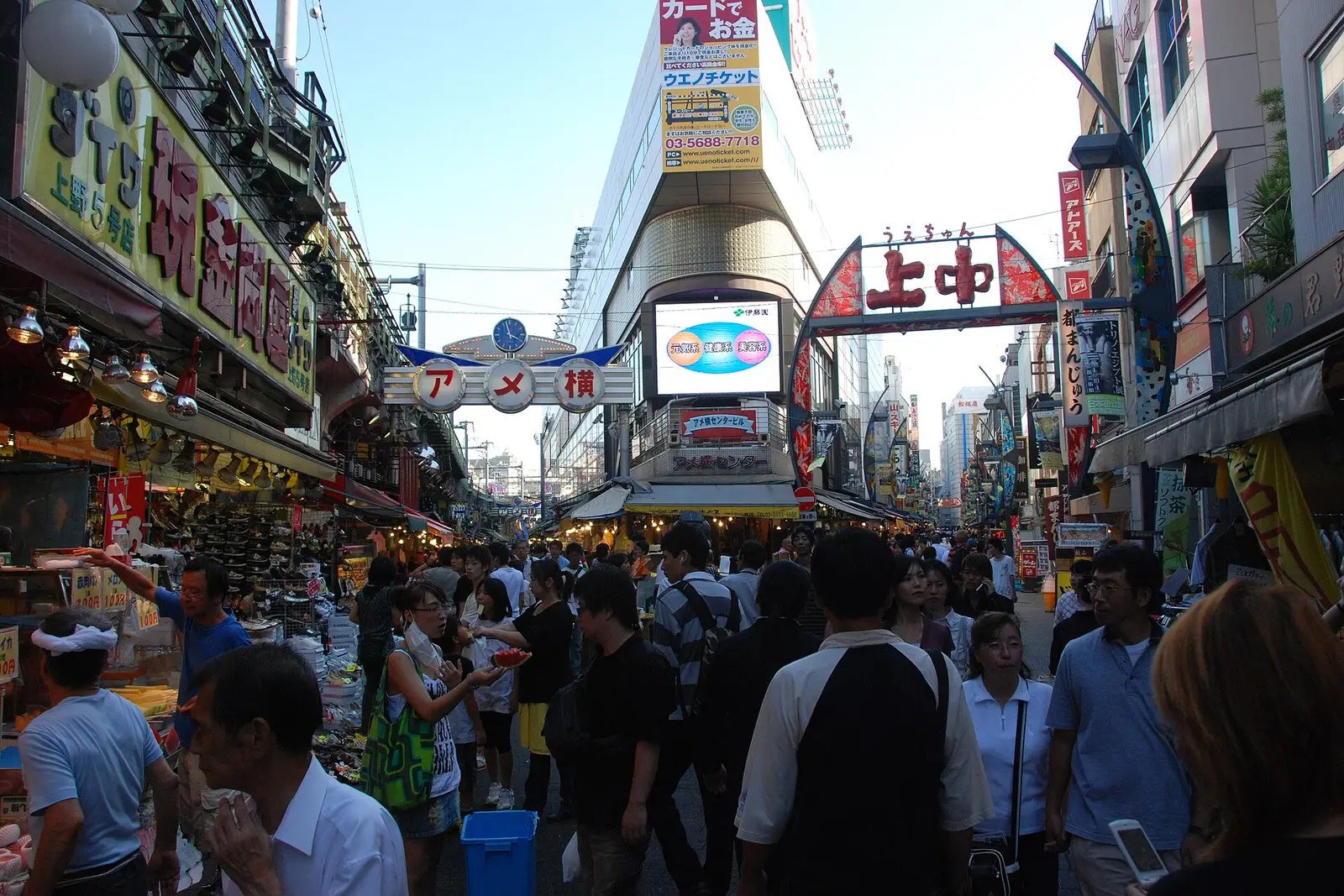
Beside the train tracks between Ueno and Okachimachi stations, there is a street that is loud, crowded and full of things to eat. Shopkeepers call out prices, crab legs sit on ice, and fruit skewers go by in people's hands. This is Ameyoko, and it is one of Tokyo's liveliest places to wander.
What it is
Ameyoko runs along, and partly under, the raised railway tracks between Ueno and Okachimachi stations. There are more than 400 shops and stalls. Some sell fresh fish, fruit and vegetables. Others sell clothes, bags, cosmetics, watches and sweets. In between, you will find street food stalls, cheap restaurants, cafés and bars.
It is not a polished place. It is crowded, noisy and a little rough around the edges, and that is the point. More than half of the visitors are said to be from overseas, so you will not feel out of place.
How it started
The name comes from a story of the years after World War II. Much of this area had been destroyed in the bombing of 1945, and food and basic goods were hard to find. Black markets grew up beside the big train stations, and Ueno, the gateway to northern Japan, was one of them.
Some of the first stalls here sold hard candy, called ame in Japanese. Sugar was controlled by the Occupation authorities, so candy made from sweet potatoes sold well to travelers waiting for trains. Soon there were hundreds of candy shops, and the market was nicknamed Ameya Yokocho, "Candy Store Alley." People shortened it to Ameyoko.
Near Okachimachi, a second group of shops sold American goods, like chocolate, lighters, sunglasses and blue jeans, many of them from U.S. military supplies. People called it "America Alley," and the two markets eventually became one. Over the decades the shops moved from candy to canned food, then fresh fish and imported goods. That is why Ameyoko sells such a mix today.
What to eat
Food is the best reason to come. You will find yakitori, takoyaki and okonomiyaki, plus Chinese, Thai, Indian, Turkish and Korean dishes. Fruit on a stick is a favorite. A shop called Hyakkaen sells skewers for about ¥100 to ¥200. Seafood bowls and fried meat cutlets are popular too, and fresh crab is one of the market's best-known sights. Eat as you walk, or find a spot on a side street.
For something to take home, look for the snack shops. One of them is said to stock more than 5,000 kinds of snacks and sweets. The Ameyoko Center Building, on the west side, has an ethnic food market in the basement with spices, Asian ingredients and seafood. Upstairs, the first floor has cheap places to eat, the second floor has fashion shops, and the third has a camera shop and a record store.
Tips for visiting
Shops set their own hours and days off. Most are open during the day and early evening. The Ameyoko Center Building is open from 10 am to 8 pm and closed on the third Wednesday of each month, except December. Weekends and the end of the year are the busiest, when people come to buy New Year food.
If the crowd gets to be too much, the Marishiten Tokudaiji temple overlooks the market and is a quiet place to rest for a few minutes. Many of the import shops on the Okachimachi side specialize in foreign goods, so that end is a good place to look for gifts.
The main street is narrow, so keep walking and step aside if you want to stop. For a calmer walk, try Uechun, a parallel street that branches off about 150 meters from the north end.
Nearby
Ameyoko is across the road from Ueno Station, so Ueno Park, with Shinobazu Pond, is a short walk away. The Tokyo National Museum and Ueno Zoo are inside the park. From there, Yanaka Ginza makes a good quiet contrast.
More on Ueno
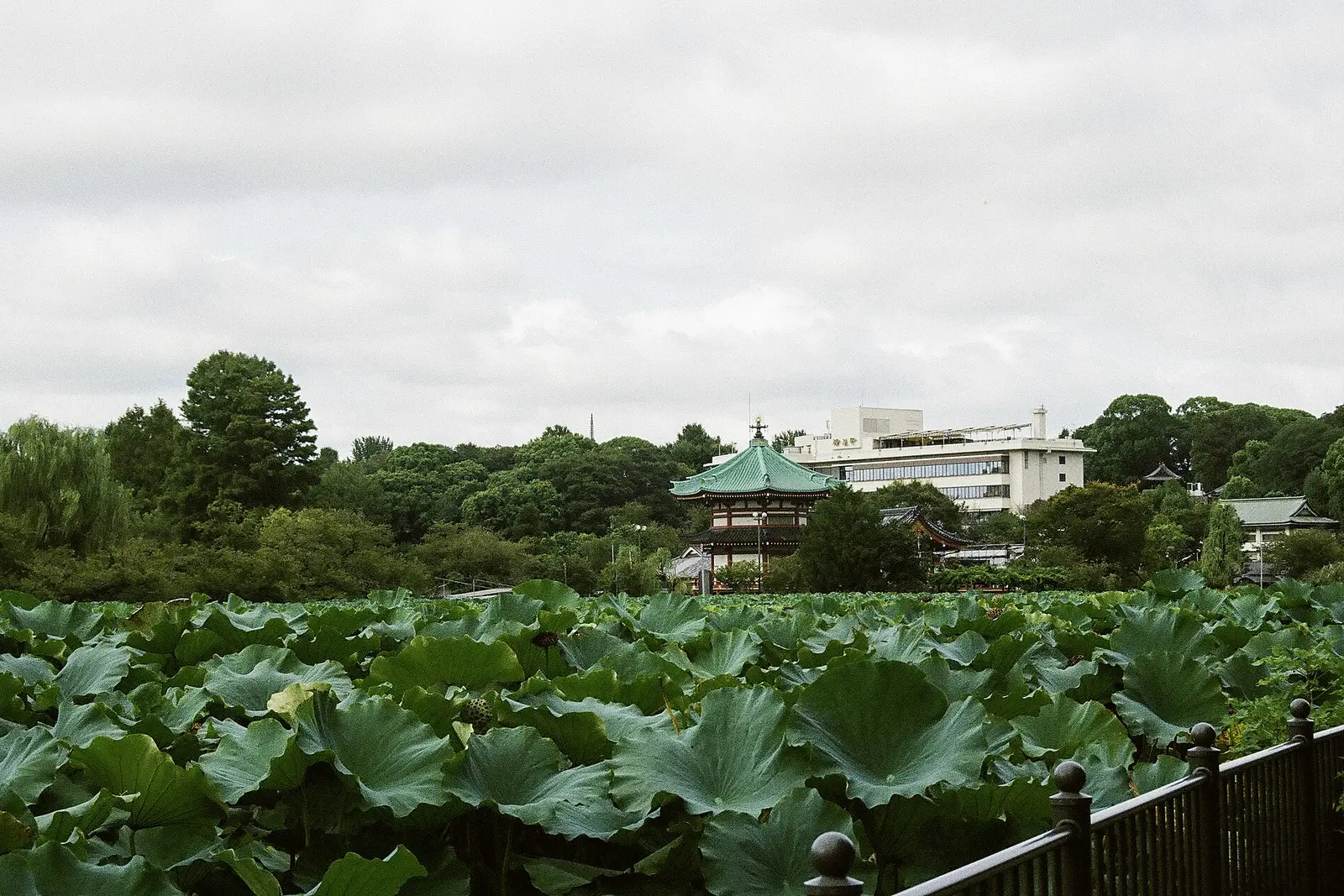 UENO3 min read
Ueno Park: Museums, a Pond and a Shrine
One of Japan's first public parks, with a lotus pond, a shogun's shrine and a long avenue of cherry trees.
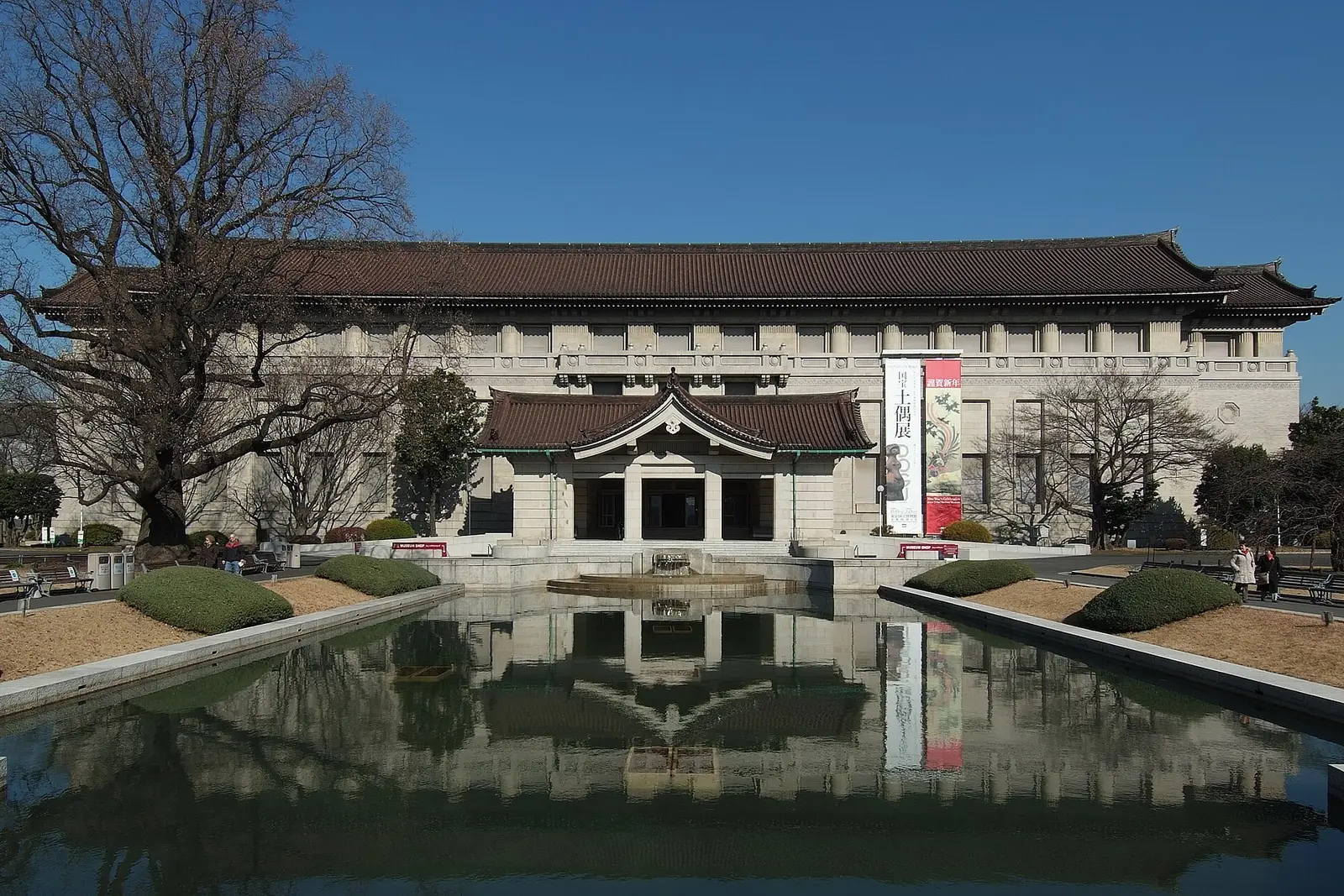 UENO3 min read
Tokyo National Museum: Japan's Oldest Museum
Japan's oldest museum, with five main buildings and a route for visitors who only have an hour.
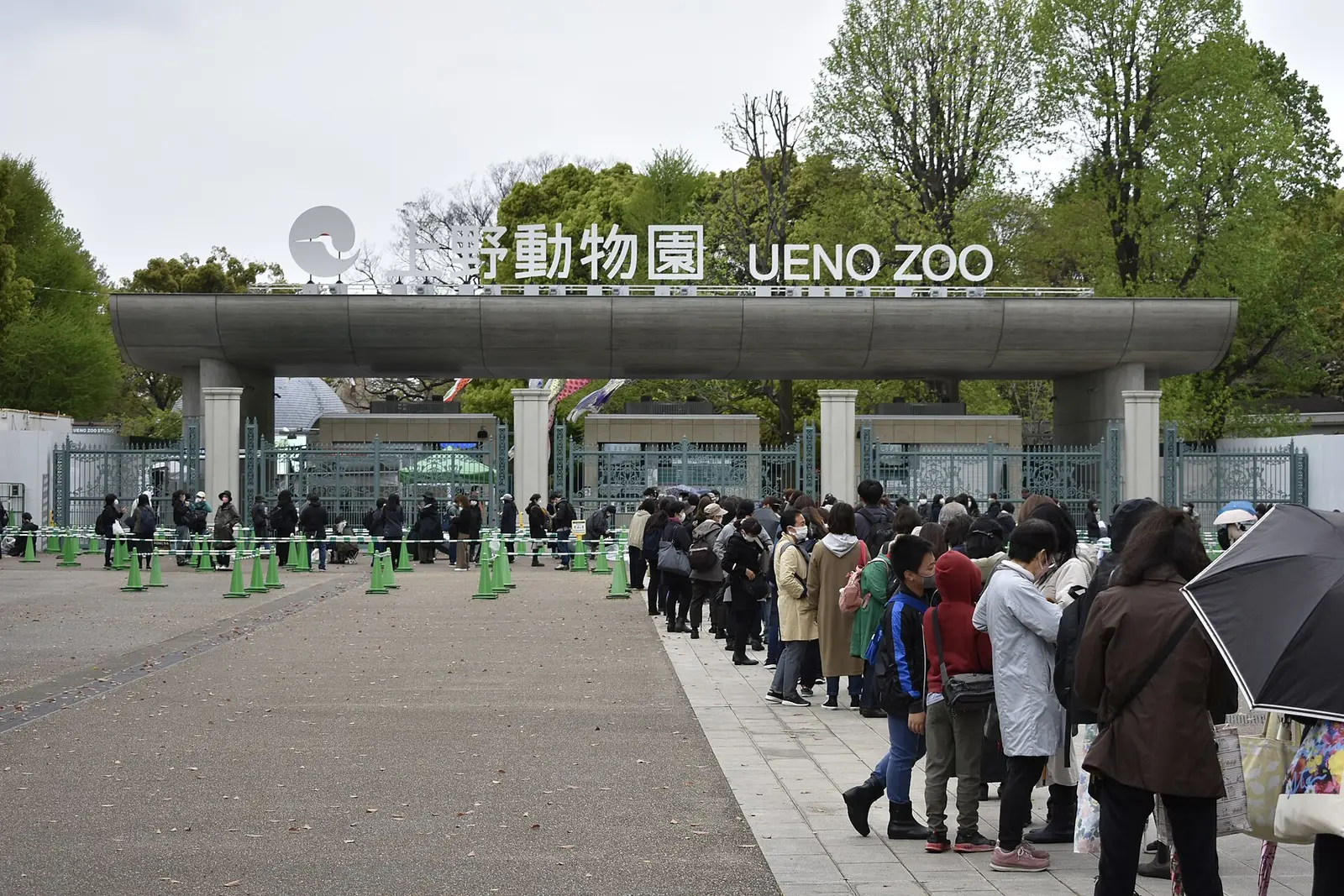 UENO3 min read
Ueno Zoo: Japan's Oldest Zoo
Japan's oldest zoo, in the middle of Ueno Park. Prices, gates and what to know now that the pandas have gone.