Destinations › Tokyo › Ueno
Ueno Park: Museums, a Pond and a Shrine
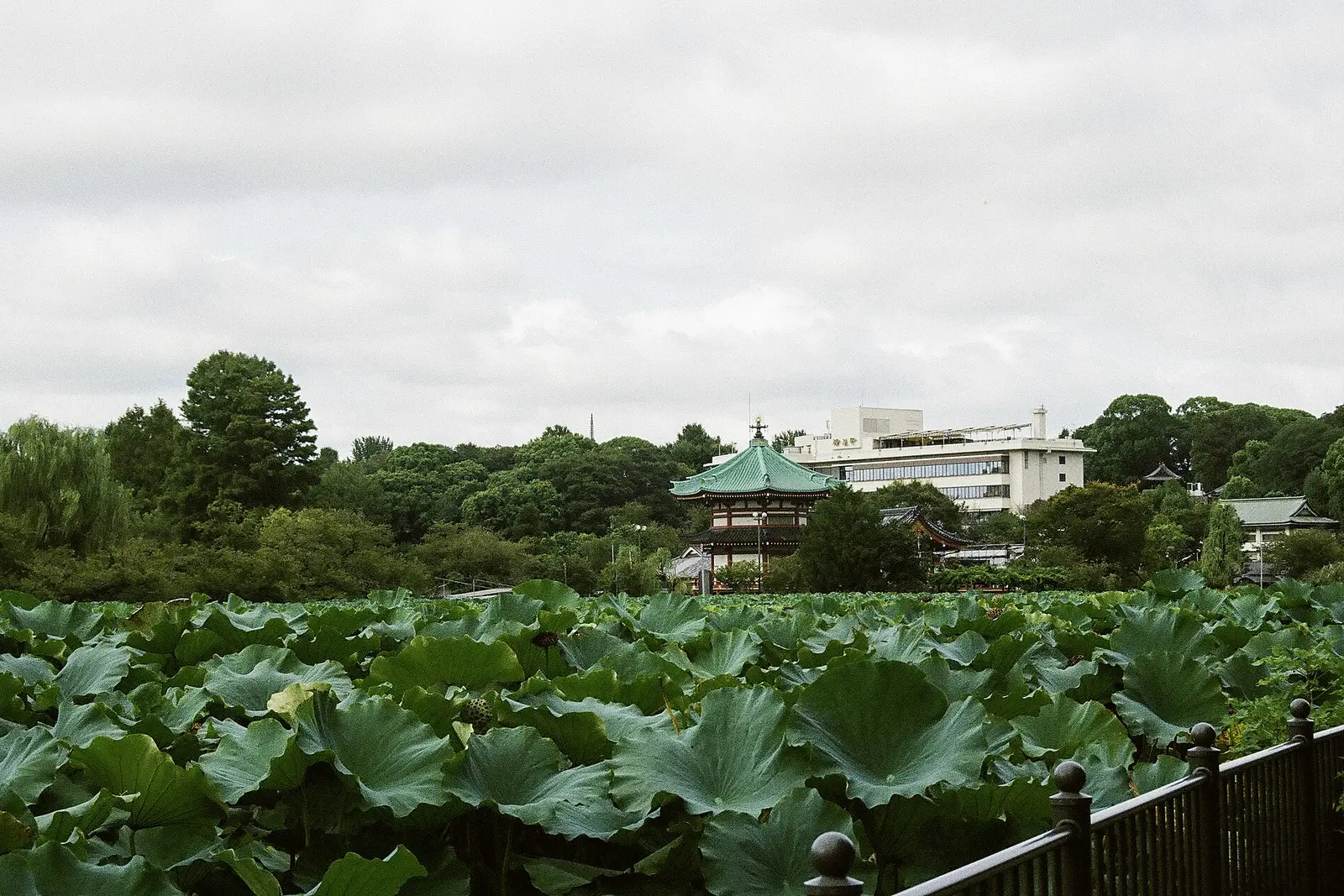
Walk out of Ueno Station, cross the road, and you are in a big green park that holds a pond, a gold-leaf shrine, a temple on an island and some of Tokyo's best museums. It is free to enter, and you can spend a quiet morning here or a whole day.
From temple grounds to a public park
Before the Meiji era, this hill belonged to Kan'ei-ji, a huge temple of the Tokugawa family. In 1868, during the war that ended the shogun's rule, most of its buildings burned down.
A few years later, the land became a park. It was officially set aside as park land in 1873, which makes Ueno one of the first public parks in Japan. The idea was a place of enjoyment for everyone, and it still works that way today. A small part of the old temple survives. If you look around, you will find a five-story pagoda and a few older halls among the trees.
Shinobazu Pond and Benten-do
The pond sits at the southwest corner of the park, and it has three parts. One side is a pond for ducks and other water birds. Another is covered with lotus plants. The third is the boat pond, where you can rent a rowboat, a pedal boat or a swan boat.
The lotus flowers bloom in July and August, and they open only between about 7 am and 9 am. If you want to see them, come early.
On an island in the middle stands Benten-do, an eight-sided hall for Benten, the goddess of good fortune, wealth and music. The pond itself was designed to stand for Lake Biwa, the big lake near Kyoto. That fits the story, because Kan'ei-ji was modeled on a famous temple that looks down on that lake.
Ueno Toshogu Shrine
Toshogu is a shrine to Tokugawa Ieyasu, the man who founded the shogunate. It was built in 1627, and the main building was rebuilt in 1651. It is covered in gold leaf and carved flowers and birds, and the gate has two carved dragons. A local story says the dragons drink from Shinobazu Pond at night.
You can walk the grounds outside the wall for free. To go inside the wall and see the main building up close, adults pay ¥700. The shrine opens at 9 am and closes at 4:30 pm from October to February, and at 5:30 pm from March to September. A peony garden next door opens for a few weeks around New Year and again from mid-April to mid-May, for an extra fee.
Cherry blossoms
In late March and early April, the central avenue turns pink, and Ueno becomes one of Tokyo's busiest places for hanami, picnics under the blossoms. Food stalls open, lanterns are lit at night, and the crowds can be huge. If you want the trees without the crowd, go on a weekday morning.
More to see
Near the south entrance of the park stands a statue of Saigo Takamori, a general who helped start the Meiji era. A short walk away is Kiyomizu Kannon-do, a wooden hall built in 1631 on the hillside, based on the famous Kiyomizu-dera in Kyoto.
The museums here are a big part of the park. Most open around 9:30 am and close between 4 pm and 5:30 pm, and many are closed on Mondays. Check the day before you go.
Planning your visit
Start at the pond in the morning, when it is quietest. Then walk up through the park to the shrine and a museum, and have lunch at one of the places to eat in the park. There are restrooms in several spots, so you can take your time.
The park is open very early and late, but it is best in daylight.
Nearby
The Tokyo National Museum and Ueno Zoo are both inside the park. Ameyoko, the busy market street, runs beside the tracks near the station. And if you walk north through the cemetery, you reach Yanaka Ginza, a small old-fashioned shopping street.
More on Ueno
 UENO3 min read
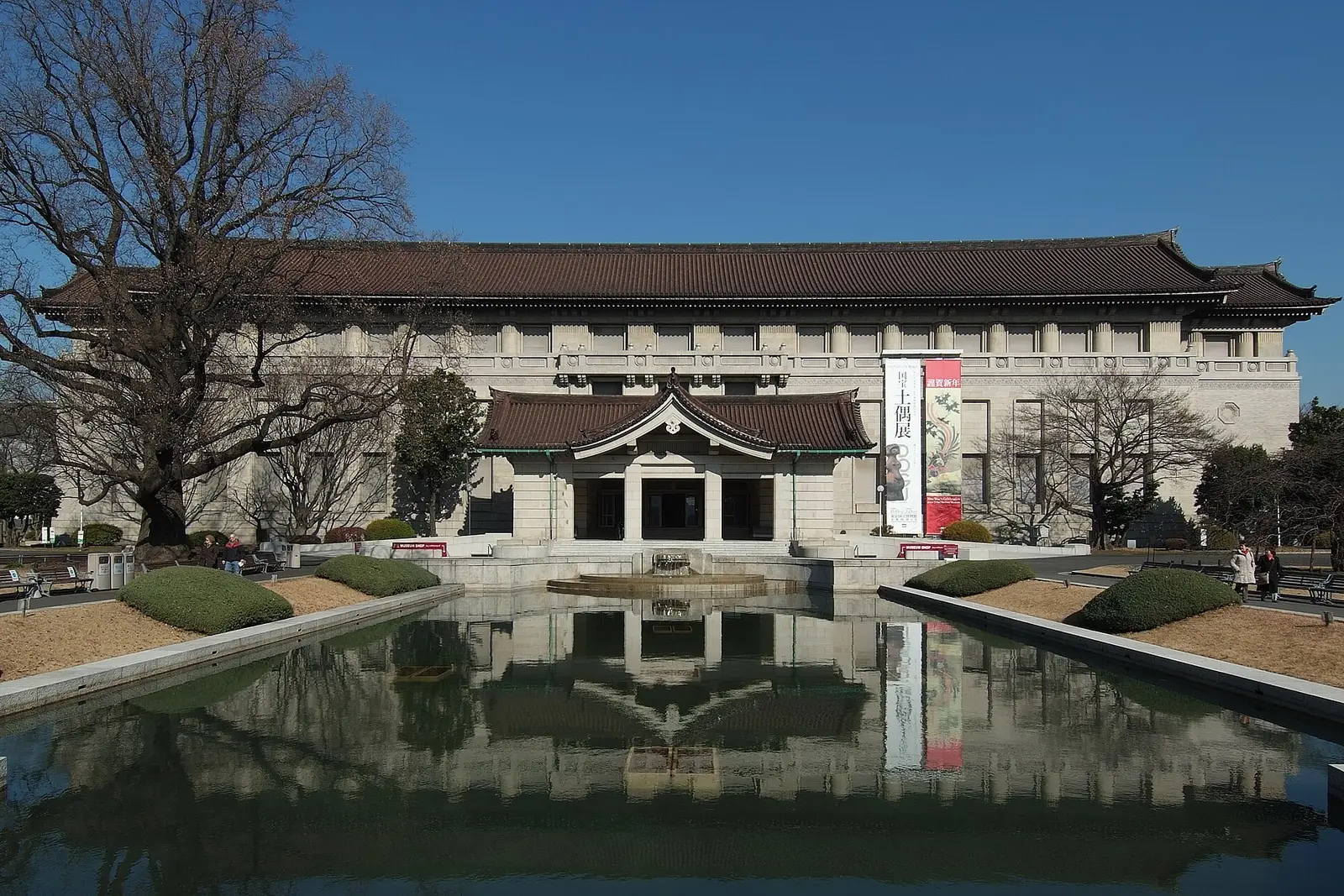
Tokyo National Museum: Japan's Oldest Museum
Japan's oldest museum, with five main buildings and a route for visitors who only have an hour.
 UENO3 min read
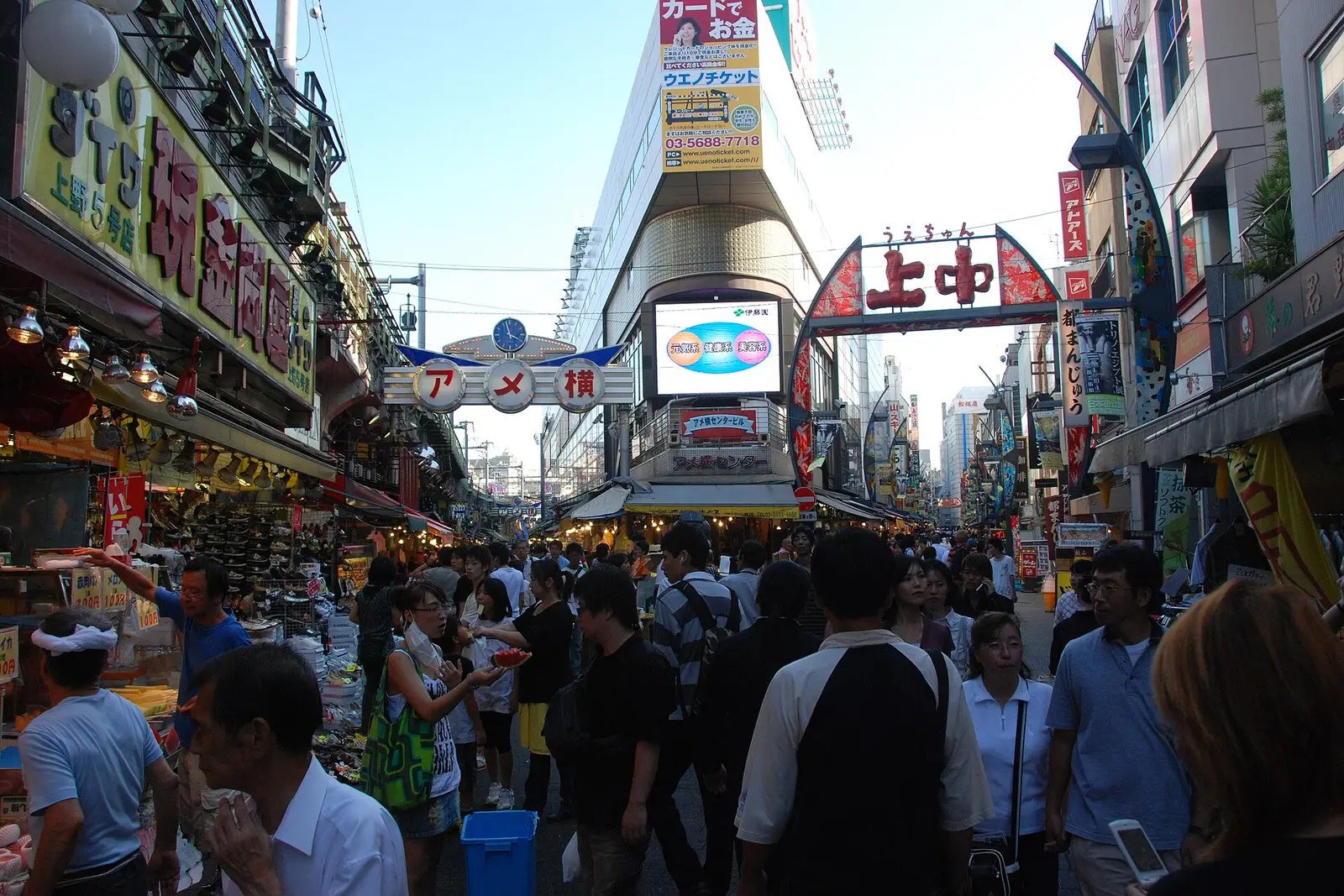
Ameyoko: Ueno's Market Street Under the Tracks
A crowded market street beside the tracks, born from a post-war black market. Seafood, snacks and bargains.
 UENO3 min read
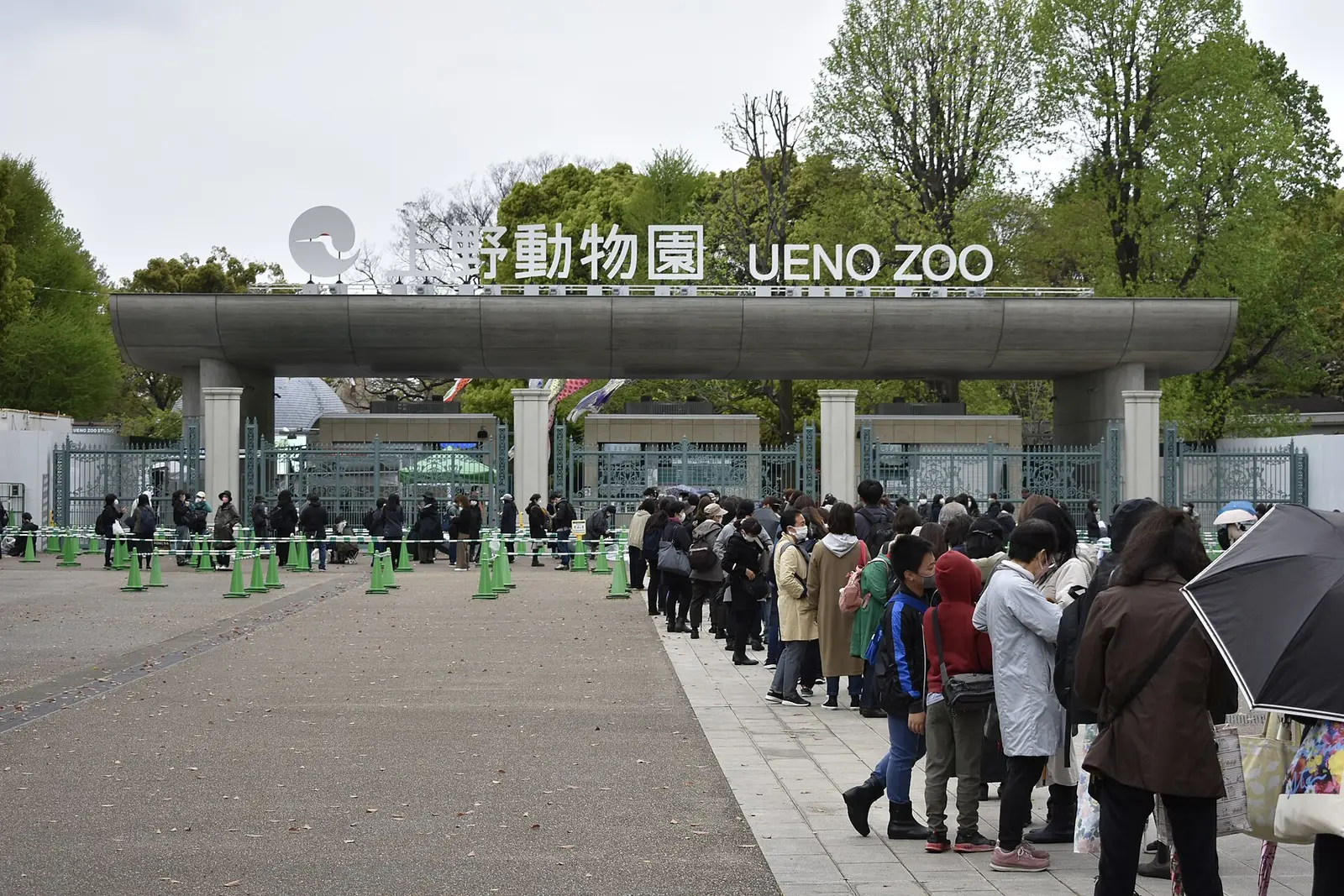
Ueno Zoo: Japan's Oldest Zoo
Japan's oldest zoo, in the middle of Ueno Park. Prices, gates and what to know now that the pandas have gone.