Destinations › Tokyo › Ueno
Tokyo National Museum: Japan's Oldest Museum
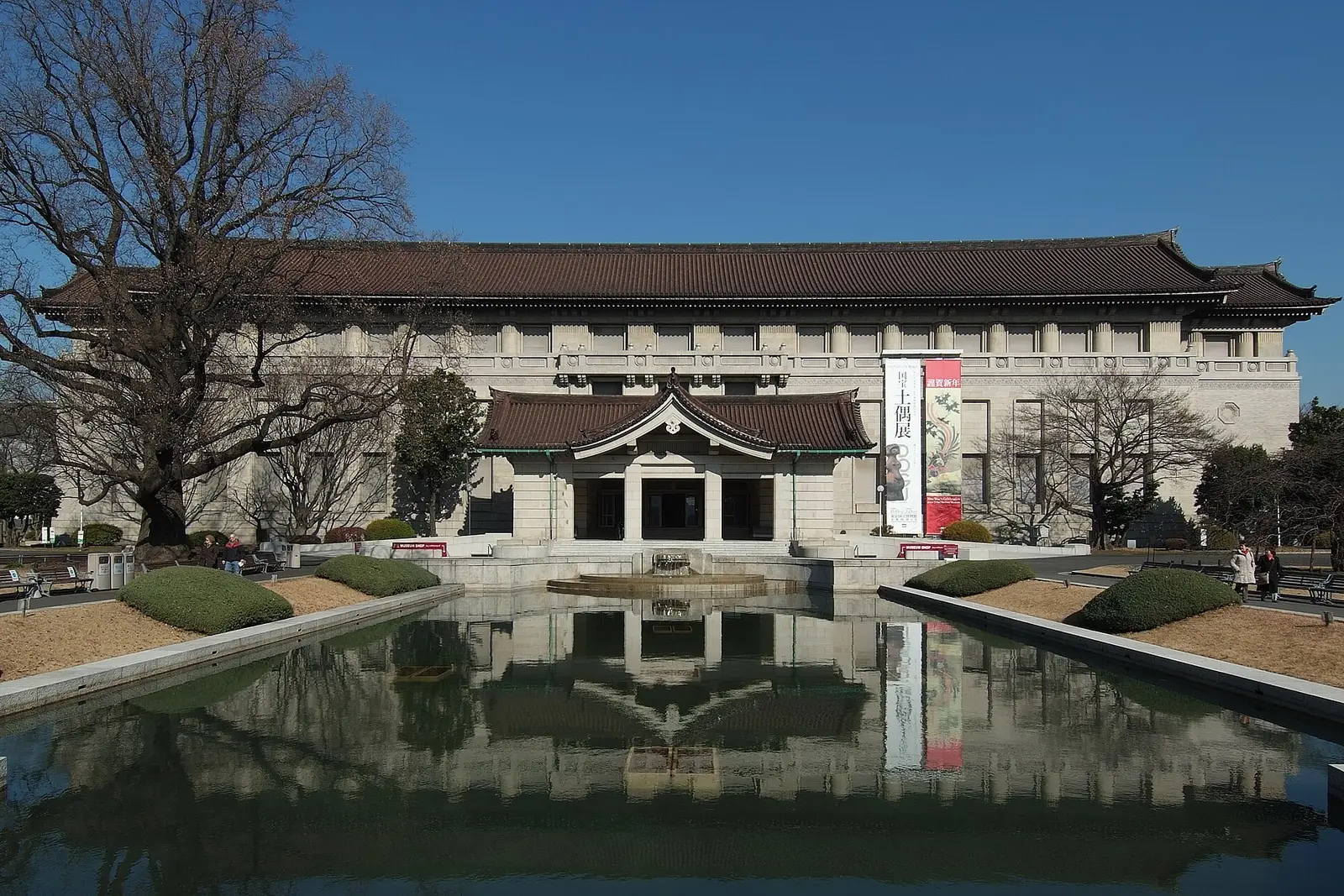
If you only visit one museum in Japan, this is a good choice. The Tokyo National Museum holds about 120,000 objects, from samurai swords to Buddhist statues to ancient pottery. You do not need to see them all. One building and one hour is enough to enjoy it.
Where it came from
The museum traces its start to 1872, when a national exposition was held at the Yushima Seido, a Confucian shrine in Tokyo. That makes it the oldest museum in Japan. Today it sits in Ueno Park, in a group of buildings, each with a different job.
The main one, the Honkan, was finished in 1938. An earlier building on the same spot was badly damaged in the Great Kanto Earthquake of 1923, so this one was designed in a more Eastern style.
What is in each building
The museum has more than 120,000 objects, but only about 3,000 are on view at one time. The displays change often, so you may see different things from the last visitor.
- Honkan (Japanese Gallery): Japanese art in order of time, from the earliest periods onward. The museum has 90 National Treasures, which are the most important objects in the country, and the Honkan has a gallery for them on the second floor.
- Toyokan (Asian Gallery): Art from across Asia. The building opened in 1968.
- Heiseikan: The Japanese Archaeology Gallery, which shows how people lived in ancient Japan. Big special exhibitions are also held here.
- Gallery of Horyuji Treasures: Treasures that once belonged to Horyu-ji, a temple in Nara. They were given to the Imperial family in 1878. The gallery opened in 1999.
- Hyokeikan: A Western-style building from 1909, built to celebrate the wedding of the Crown Prince. It is the museum's oldest building and opens only when a special event is held.
If you only have one hour
The museum itself suggests a route of about 30 minutes for first-time visitors: the second floor of the Honkan, where Japanese art is shown in order of time. Start there. If you have energy left, walk over to the Toyokan or the Horyuji gallery.
The museum also suggests other short courses on its website, such as one for Buddhist sculpture. Because the regular displays change more than 300 times a year, what you see may be different from what you read about. When you need a break, there are food trucks in front of the Honkan and vending machines in its basement.
Tickets and entry
Adults pay ¥1,000, and university students pay ¥500. Children and teenagers under 18 and visitors over 70 get in free, with proof of age. A ticket for a special exhibition also covers the regular galleries on the same day.
You can buy tickets online, and the museum recommends it, because the line at the main gate can be longer than 30 minutes. There are bag checks at the gate. Suitcases are not allowed, so leave large bags at your hotel or in a locker at Ueno Station.
Rules and tips
You can take photos for your own use in most regular galleries, unless there is a no-photo sign. Flash, tripods and selfie sticks are not allowed. No photos at all in special exhibitions.
English maps and brochures are available. Floor guides and many of the signs are in English too. For a break, the Toyokan has a restaurant on the ground floor, and there is a garden café in a teahouse on the grounds.
Check the website before you go. Some galleries close for a short time during the year, and the museum is closed on Mondays. If Monday is a national holiday, it opens that day and closes on Tuesday instead.
Nearby
Ueno Zoo is inside the same park. Shinobazu Pond and Ueno Toshogu shrine are on the way back to the station, and Ameyoko market is just beyond. Yanaka Ginza is a pleasant walk north through the cemetery.
More on Ueno
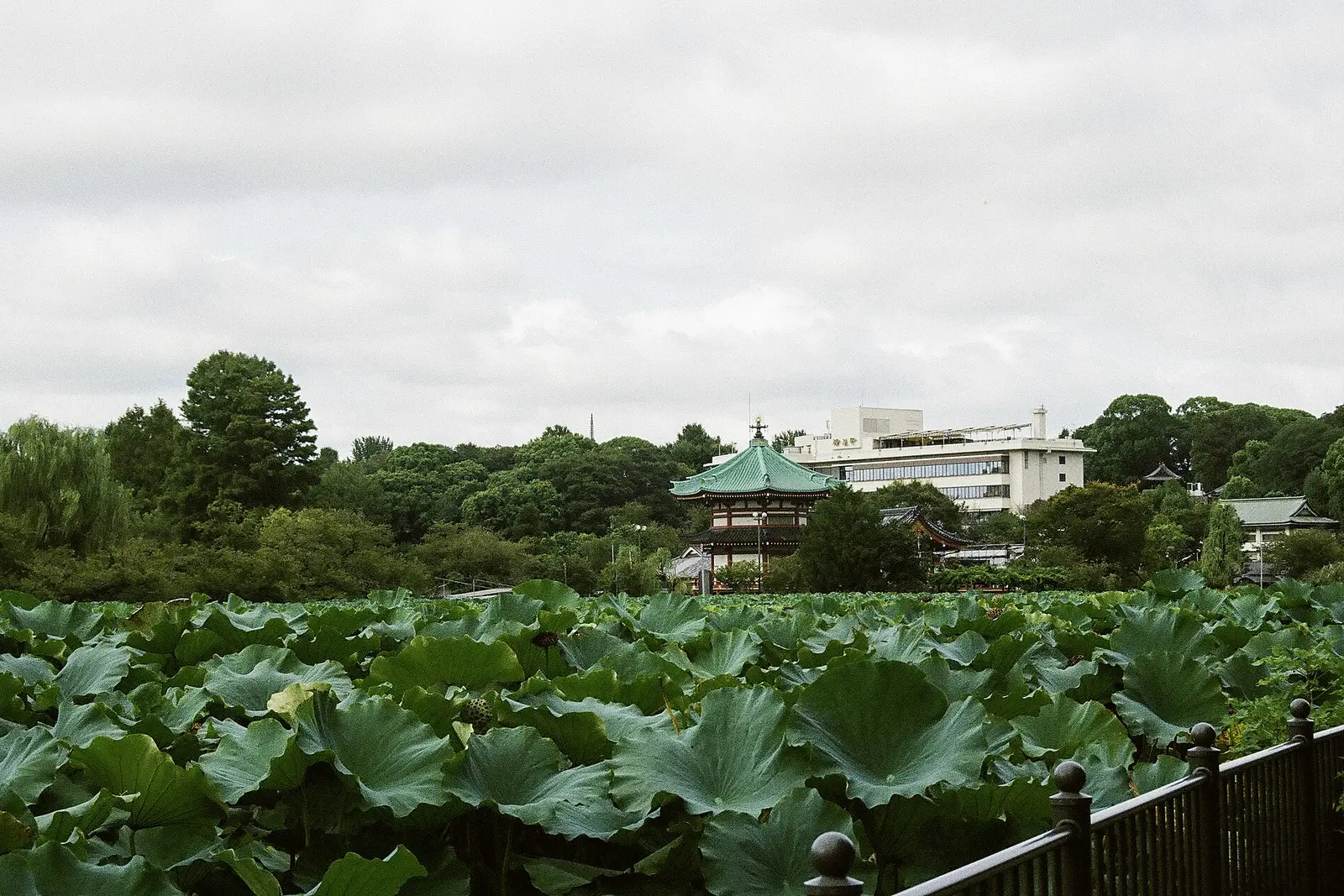 UENO3 min read
Ueno Park: Museums, a Pond and a Shrine
One of Japan's first public parks, with a lotus pond, a shogun's shrine and a long avenue of cherry trees.
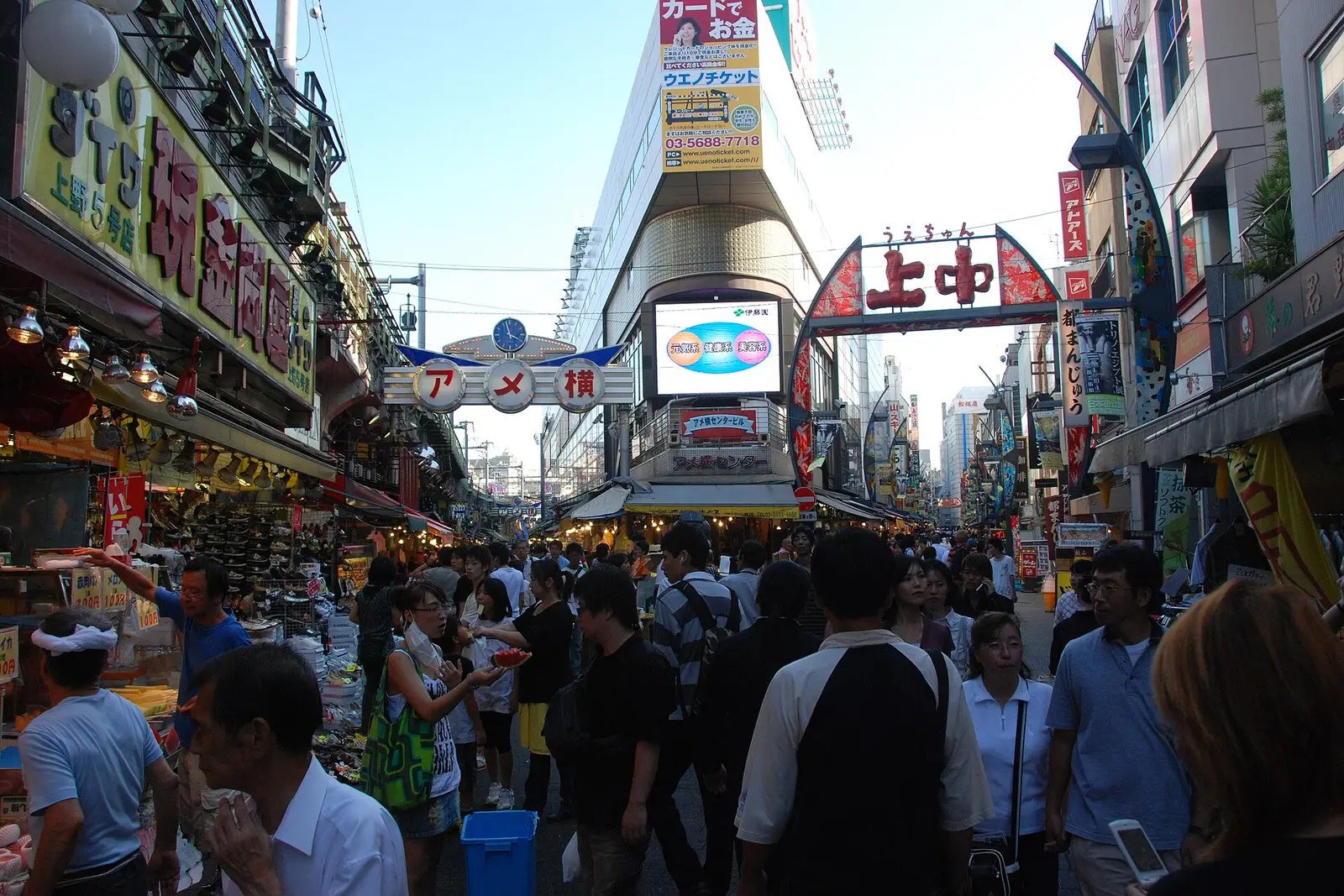 UENO3 min read
Ameyoko: Ueno's Market Street Under the Tracks
A crowded market street beside the tracks, born from a post-war black market. Seafood, snacks and bargains.
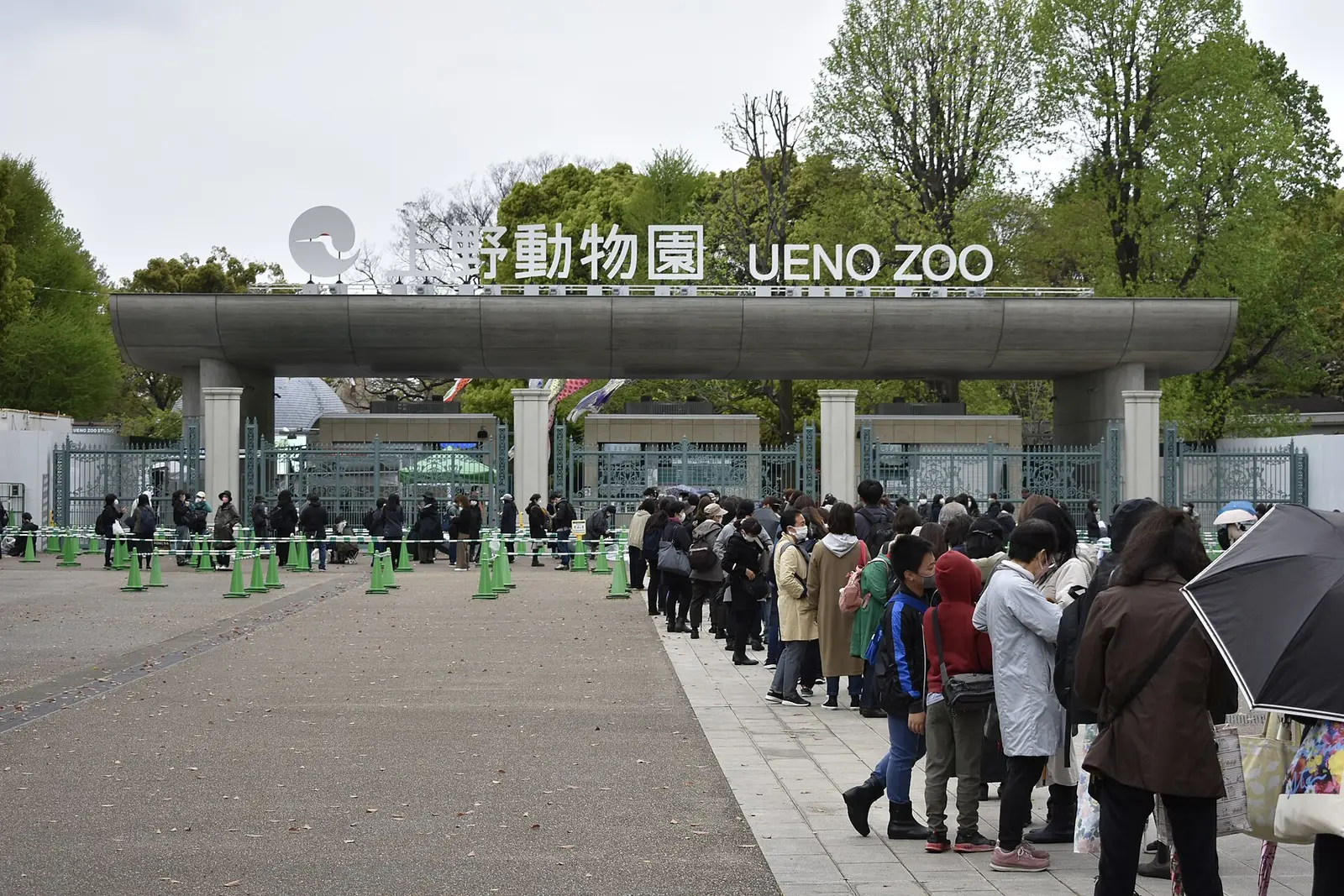 UENO3 min read
Ueno Zoo: Japan's Oldest Zoo
Japan's oldest zoo, in the middle of Ueno Park. Prices, gates and what to know now that the pandas have gone.