Ginzan Onsen: A Lamp-Lit Hot Spring Town of the Taisho Era
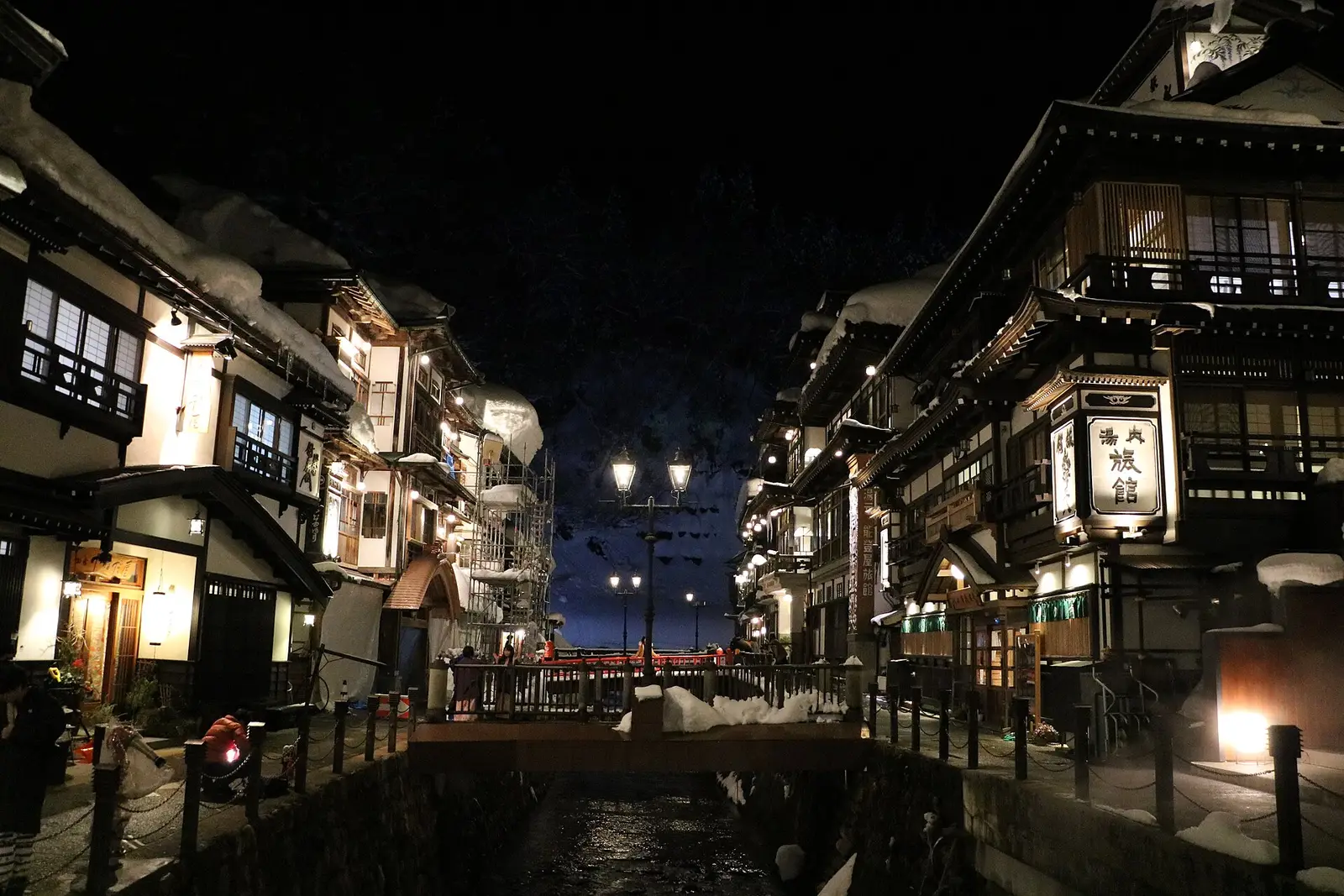
In a narrow mountain valley in northern Yamagata, three- and four-story wooden inns face each other across a small river. At dusk the gas lamps come on, and on snowy nights the scene looks like a picture from a century ago. Ginzan Onsen is one of the most photographed hot spring towns in Japan.
A town built on silver
Ginzan means "silver mine." The town's history goes back to the Nobesawa Silver Mine. In its heyday in the mid-1600s, about 15,000 people lived here, and it was one of the three largest silver mines in Japan, sending its silver straight to the shogun's government in Edo. Hot springs were found during the mining, and miners soaked in them to ease their aches. The mine was finished by 1689, but the inns stayed, and Ginzan became a hot spring resort.
In 1913 the Ginzan River flooded and washed away most of the old inns. In 1926 new drilling brought up plenty of hot water, and the inns were rebuilt as the tall wooden buildings, with Western touches, that you see today.
In 1986 the town made rules to protect its look. Power lines are buried, the fronts of the inns are carefully kept, and the narrow lanes are closed to ordinary traffic.
Walking through town
Look at the walls of the inns for kote-e, colorful pictures made in plaster, and at the street for tiles shaped like snowflakes. In the evening the gas lamps along the river are lit.
Many guests stroll the town in yukata. Ginzan is also known in Japan as a filming location for Oshin, a much-loved TV drama. For a snack, try the town's famous curry bread.
Baths for day visitors
Wakura Ashiyu is a free foot bath at the entrance to the town, right beside the river, using water straight from the source.
For a full bath, Oyu (also called Kajika-yu), in the middle of town, is open from 8:00 to 20:00 for ¥300 a person. Children 12 and under and guests of the inns bathe free. Shirogane-yu, near Shirogane Bridge, is a small public bath in a modern building designed by the office of the architect Kengo Kuma.
Shirogane Falls and the silver mine
At the far end of town, Shirogane Falls drops 22 meters into the valley, with the red Sekotoi Bridge above it. Beyond is Shirogane Park, with walking trails through the forest. The shortest course, to see the falls, is about 0.8 kilometers and 20 minutes. A longer loop of about 1.9 kilometers takes about 90 minutes.
The trails lead to the Ginkodo, a tunnel of the old silver mine that you can walk into for free. It is part of the Nobesawa Silver Mine site, a National Historic Site. From the first snow until early May, the mine area is closed because the paths become dangerous.
Winter visits: the park-and-ride rules
Ginzan's popularity has brought heavy crowds, and the only road into the valley is narrow and snowy. From December 19, 2026 to March 7, 2027, day visitors arriving by car or rental car must park at Taisho Romankan, about 2 kilometers away, and take a shuttle bus into town.
The shuttle leaves Taisho Romankan at 00, 20 and 40 minutes past each hour, from 9:00 to 18:00. A round trip costs ¥700 to ¥1,500, depending on the time of day. Booking online before 17:00 on the day before saves ¥300 and is paid by credit card. Same-day tickets are sold at the site only if seats remain. Even passengers on route buses may be asked to change to the shuttle if they have no booking, and waits of up to three hours have happened in the evening.
Do not walk from Taisho Romankan in winter. There is no cleared sidewalk, and walkers have to share the road with cars. In town, walk on the river side of the diamond-shaped tiles in the center of the street, away from snow falling off the roofs.
Getting there
Take the Yamagata Shinkansen to JR Oishida Station, about three hours from Tokyo. From there, buses to Ginzan Onsen take about 40 minutes.
Tips
- If you stay at one of the town's inns, the Oyu public bath is free for you.
- Check the official Ginzan Onsen website for the latest winter rules before you go.
Nearby
Yamadera and Yamagata City are to the south, on the way back toward Yamagata Station.
More on Yamagata
 YAMAGATA3 min read
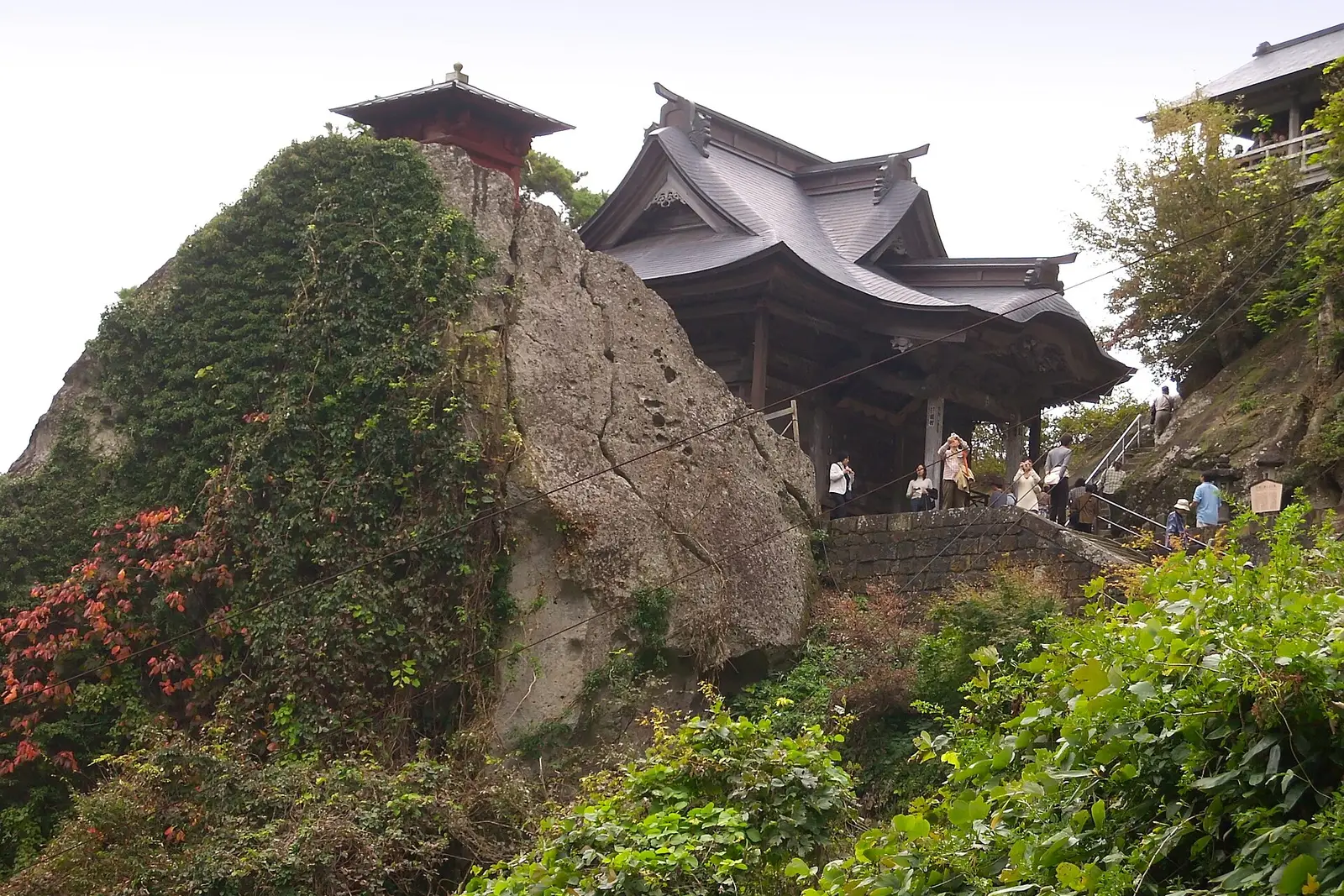
Yamadera: The Mountain Temple of 1,015 Steps
A temple on a rocky mountain, reached by 1,015 stone steps, with one of the best views in Tohoku.
 YAMAGATA3 min read
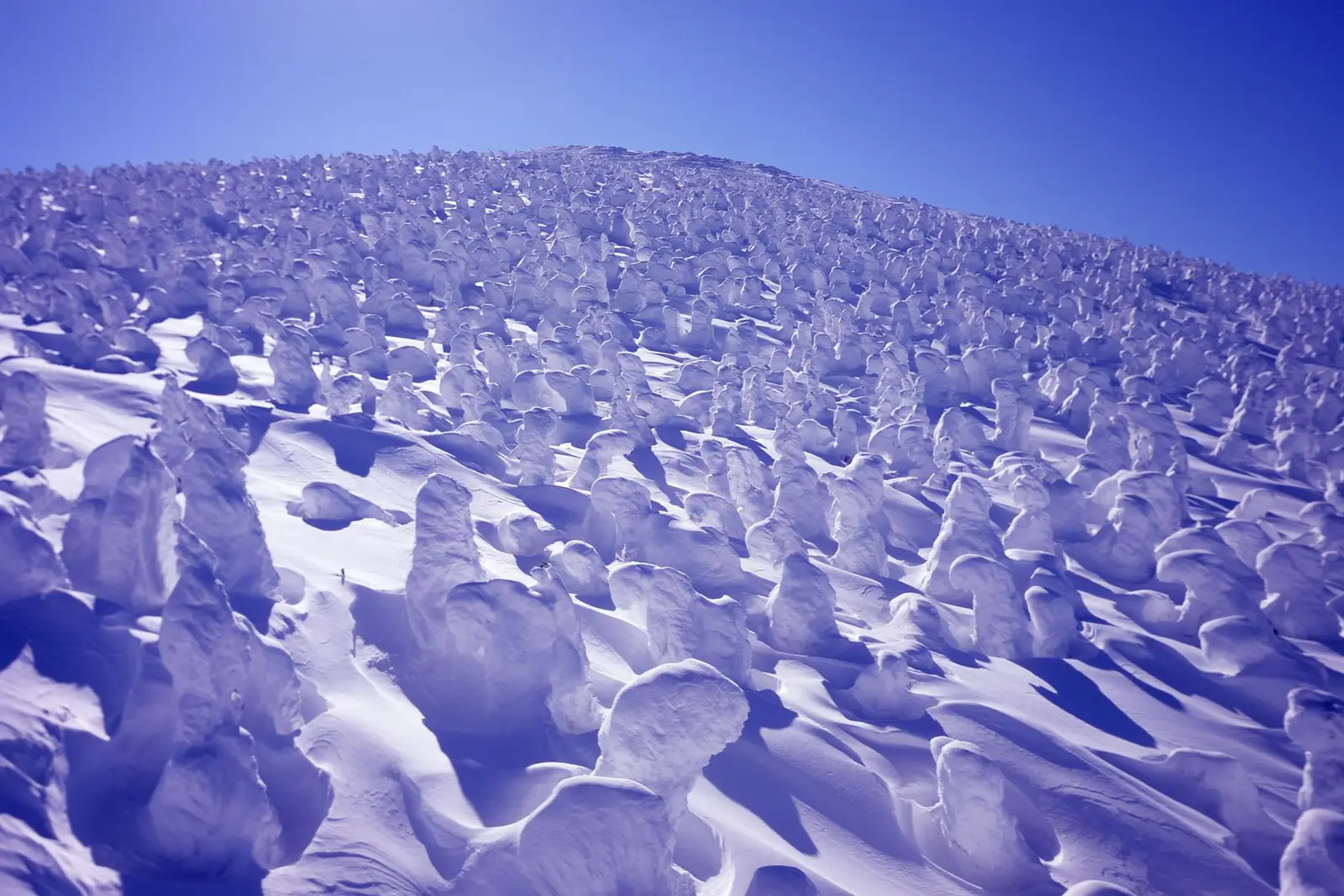
Zao Onsen: Hot Springs and the Snow Monsters
An ancient hot spring town above Yamagata, and the ropeway up to the frozen "snow monsters" of winter.
 YAMAGATA3 min read
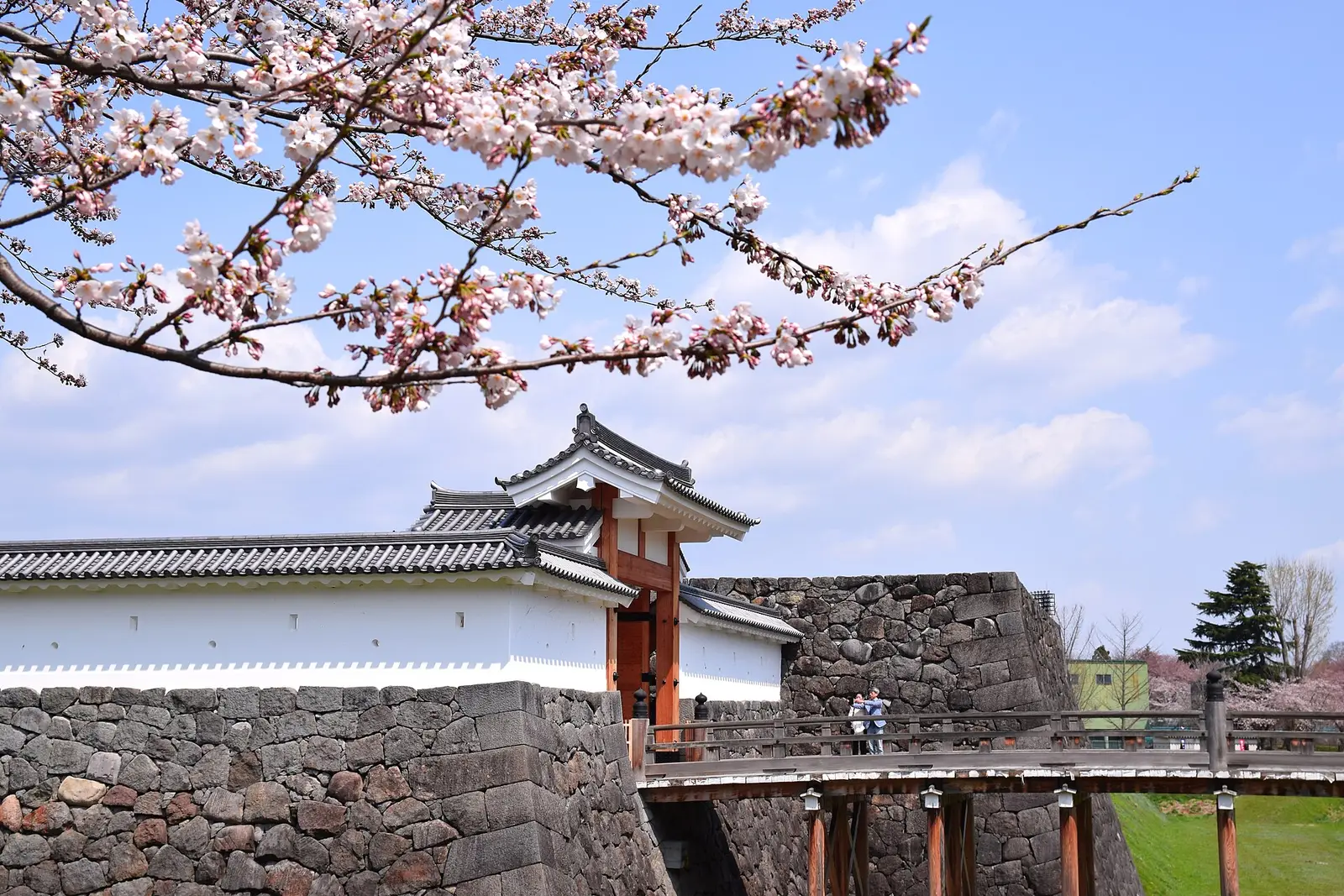
Kajo Park: The Site of Yamagata Castle
A huge castle site in central Yamagata with a rebuilt gate, 1,500 cherry trees and free museums.