Kajo Park: The Site of Yamagata Castle
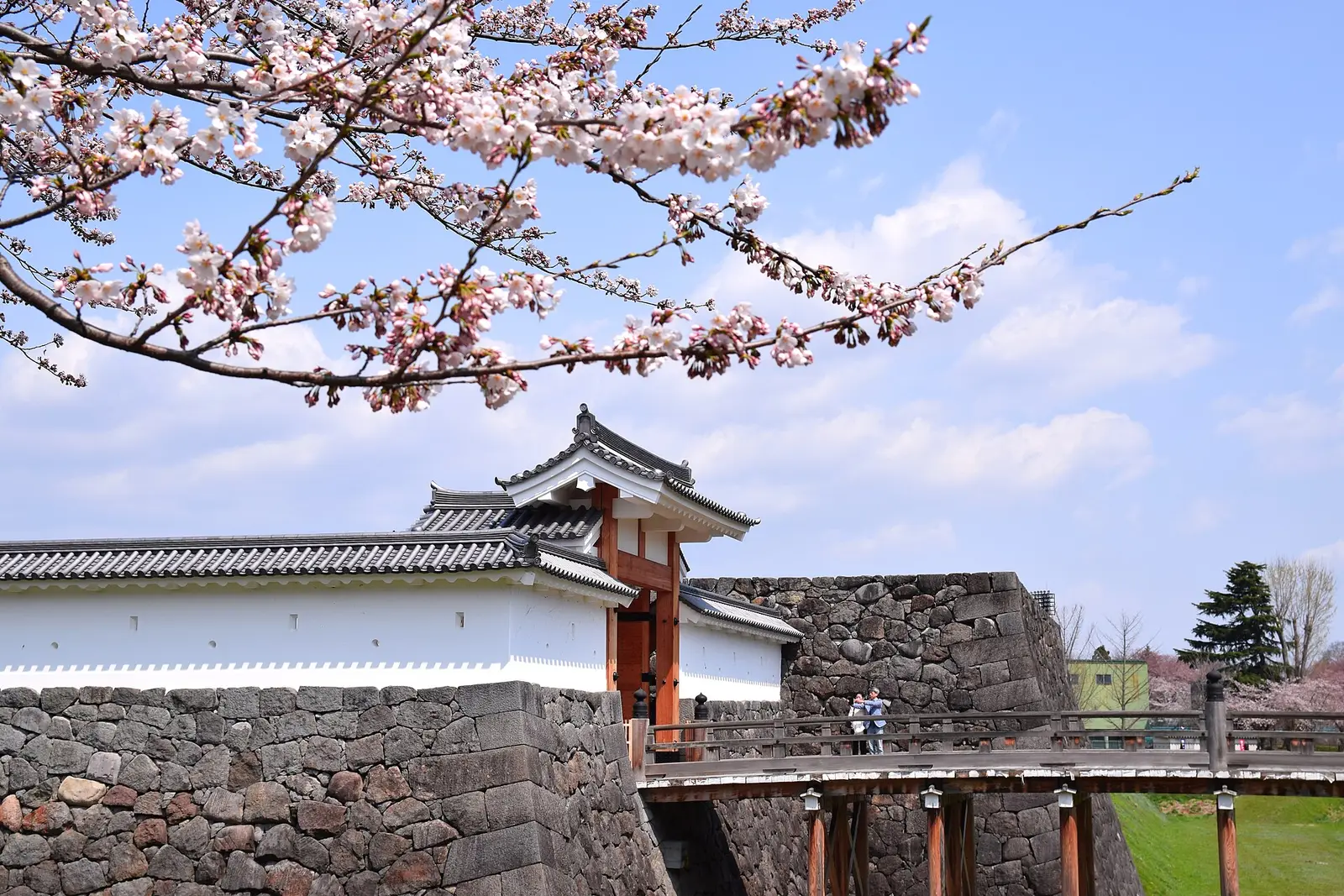
A 10-minute walk from Yamagata Station, wide stone-lined moats surround a large green park. This was Yamagata Castle, once one of the largest castles in Japan. Today it is Kajo Park, where locals walk under the cherry trees and a rebuilt gate shows how grand the castle used to be.
The castle of the Mogami lords
Yamagata Castle began in the 1350s, when Shiba Kaneyori, the first of the Mogami family, came to Yamagata as the shogunate's governor of the region and built a castle here. The castle you can trace today was shaped mostly by the 11th head of the family, Mogami Yoshiaki (1546–1614).
Three rings of moats and earthen walls surrounded the inner, second and third enclosures. It was one of the largest flatland castles in Japan, bigger than Himeji Castle. Its other name, Kasumigajo, "castle of mist," is said to come from a battle in 1600, when the castle was hidden in mist and could not be seen.
After the Mogami family lost their domain, Torii Tadamasa became lord of the castle in 1622. The moats, earthen walls and stone walls of the second enclosure that remain today are said to be his work.
The castle site became a National Historic Site in 1986, and in 2006 it was named one of Japan's 100 Fine Castles. The park covers about 35.9 hectares of the inner and second enclosures.
The East Otemon gate
The main entrance from the station side is the Ninomaru East Otemon, the great east gate of the second enclosure. It was rebuilt in wood in 1991, following historical records. Inside the gate tower you can see old maps of the castle, roof tiles found in excavations, records of the rebuilding and a model of the castle. The tower is free and, in 2026, open from April 3 to November 2, from 9:30 to 16:00 (to 17:00 in July and August).
In 2005 the bridge of the Honmaru Ichimonji gate, the entrance to the inner enclosure, was also rebuilt, and work to restore the castle continues.
Mogami Yoshiaki on horseback
Inside the park stands a bronze statue of Mogami Yoshiaki on horseback. It shows him riding out at the head of his men to the Battle of Hasedo in 1600, a fight in Yamagata linked to the great Battle of Sekigahara.
Yamagata Castle had no keep. Its most important building was the palace of the inner enclosure. No drawings of its outside survive, so the city has been excavating the site since 2012 and has recreated the palace in computer graphics. You can see it on your own smartphone with the castle's VR and AR service in the park.
Cherry blossoms
Kajo Park is the best-known cherry blossom spot in Yamagata City, with about 1,500 trees. They usually bloom from early to mid April. During the Kajo Kan-okai festival, the trees along the east and south moats are lit up at night and reflected in the water.
Free museums in the park
Yamagata City Kyodokan is a striking wooden building in a Japanese copy of Western style. It was finished in 1878 as a hospital, the Saiseikan, and later moved into the park. It is an Important Cultural Property. Its tower looks like three stories from outside but has four floors inside. Open 9:00 to 16:30, closed from December 29 to January 3, free.
The Mogami Yoshiaki Historical Museum, near the park, shows the helmet Yoshiaki wore at the Battle of Hasedo, armor and a folding screen of the battle. Open 9:00 to 17:00, closed on Mondays (or the next day if Monday is a holiday), free.
The Yamagata Prefectural Museum and the Yamagata Museum of Art are also in or next to the park.
Getting there
From the East Exit of JR Yamagata Station, it is about 15 minutes on foot to the East Otemon gate. From the West Exit, the South Gate is about 10 minutes away. The Beni-chan city bus stops at Kajo Koen-mae. The park has a free parking lot for about 230 cars; cars can enter only by the North Gate.
Nearby
The Bunshokan, the old prefectural office, is also in the city center. Yamadera is a short train ride from Yamagata Station.
More on Yamagata
 YAMAGATA3 min read
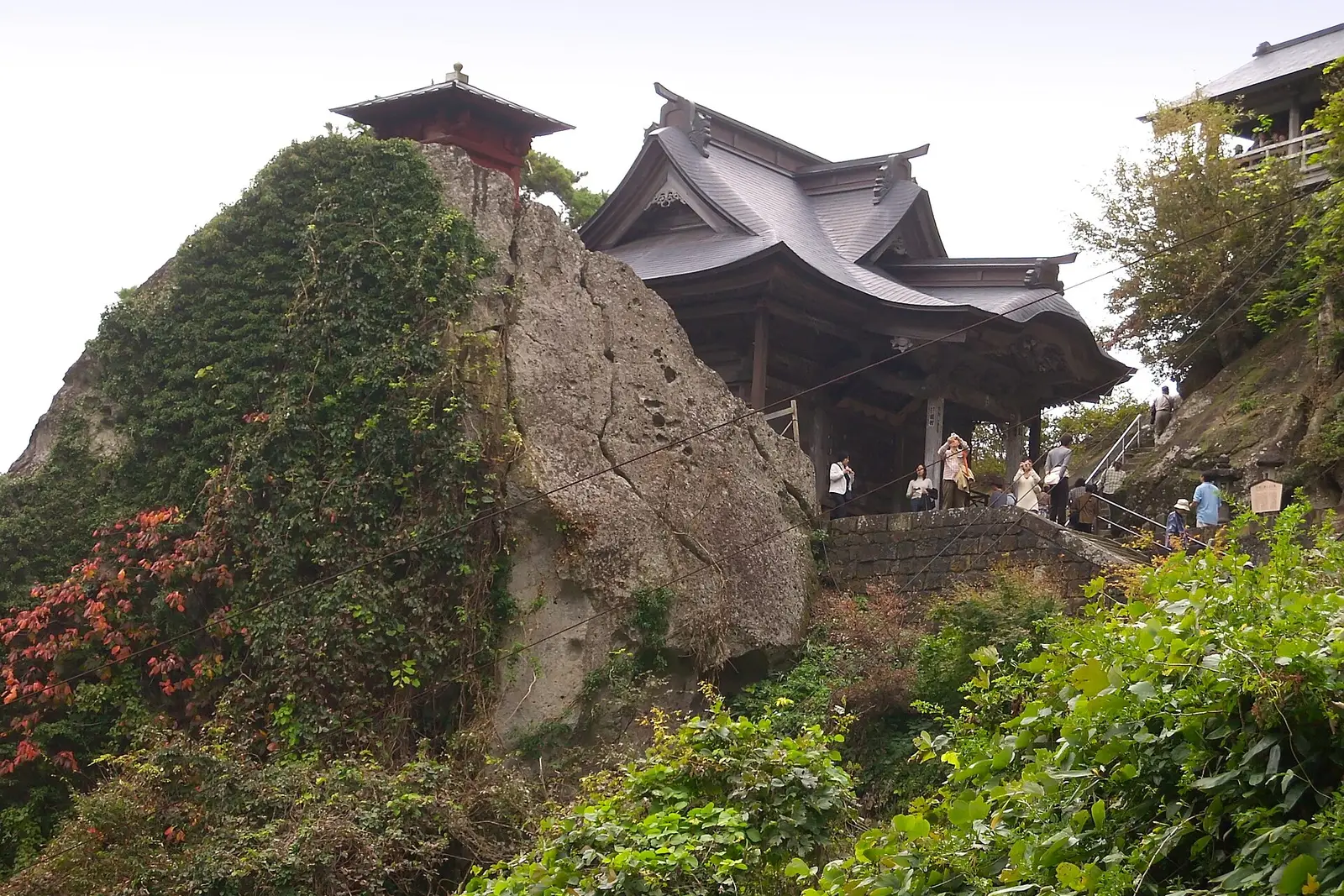
Yamadera: The Mountain Temple of 1,015 Steps
A temple on a rocky mountain, reached by 1,015 stone steps, with one of the best views in Tohoku.
 YAMAGATA3 min read
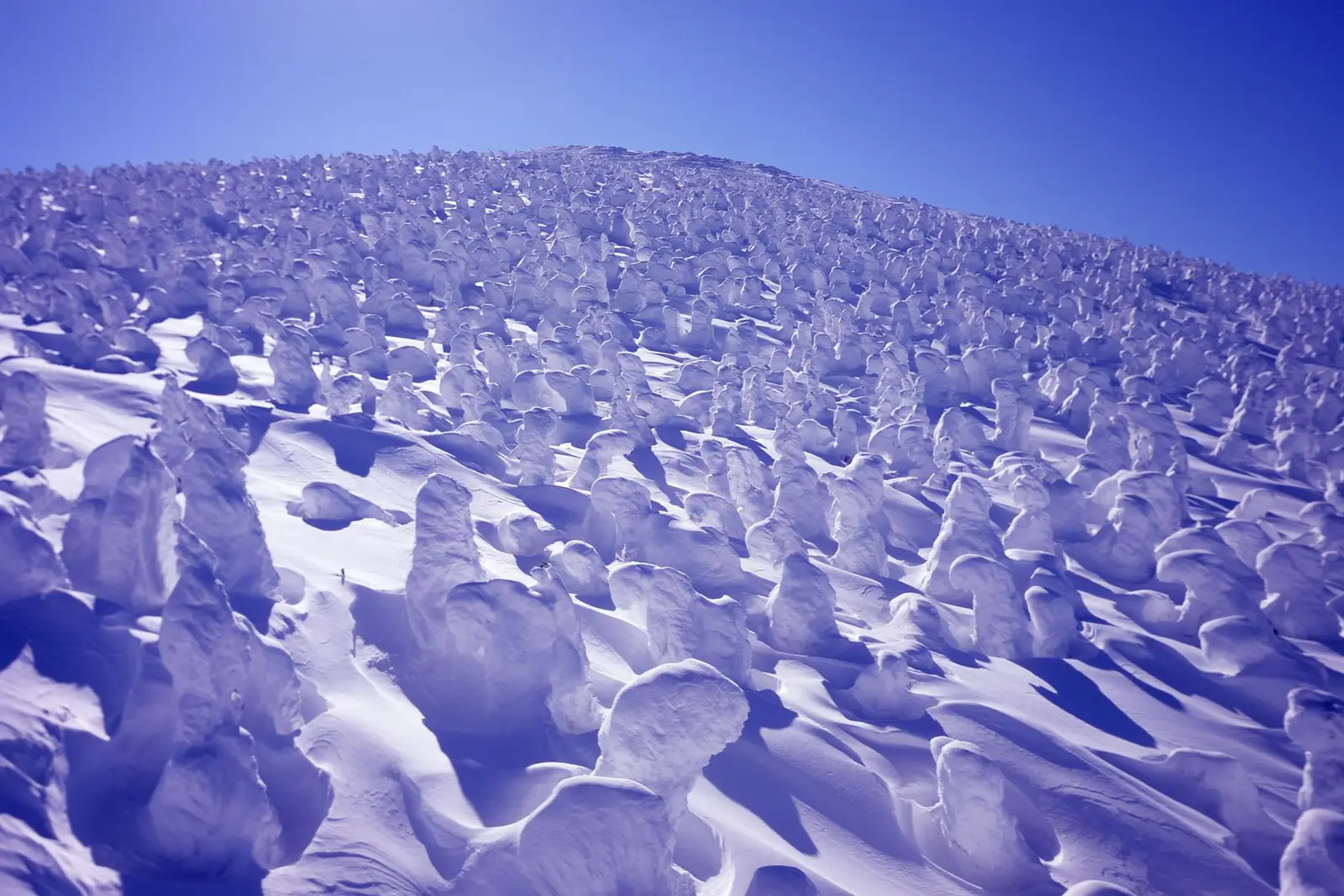
Zao Onsen: Hot Springs and the Snow Monsters
An ancient hot spring town above Yamagata, and the ropeway up to the frozen "snow monsters" of winter.
 YAMAGATA3 min read
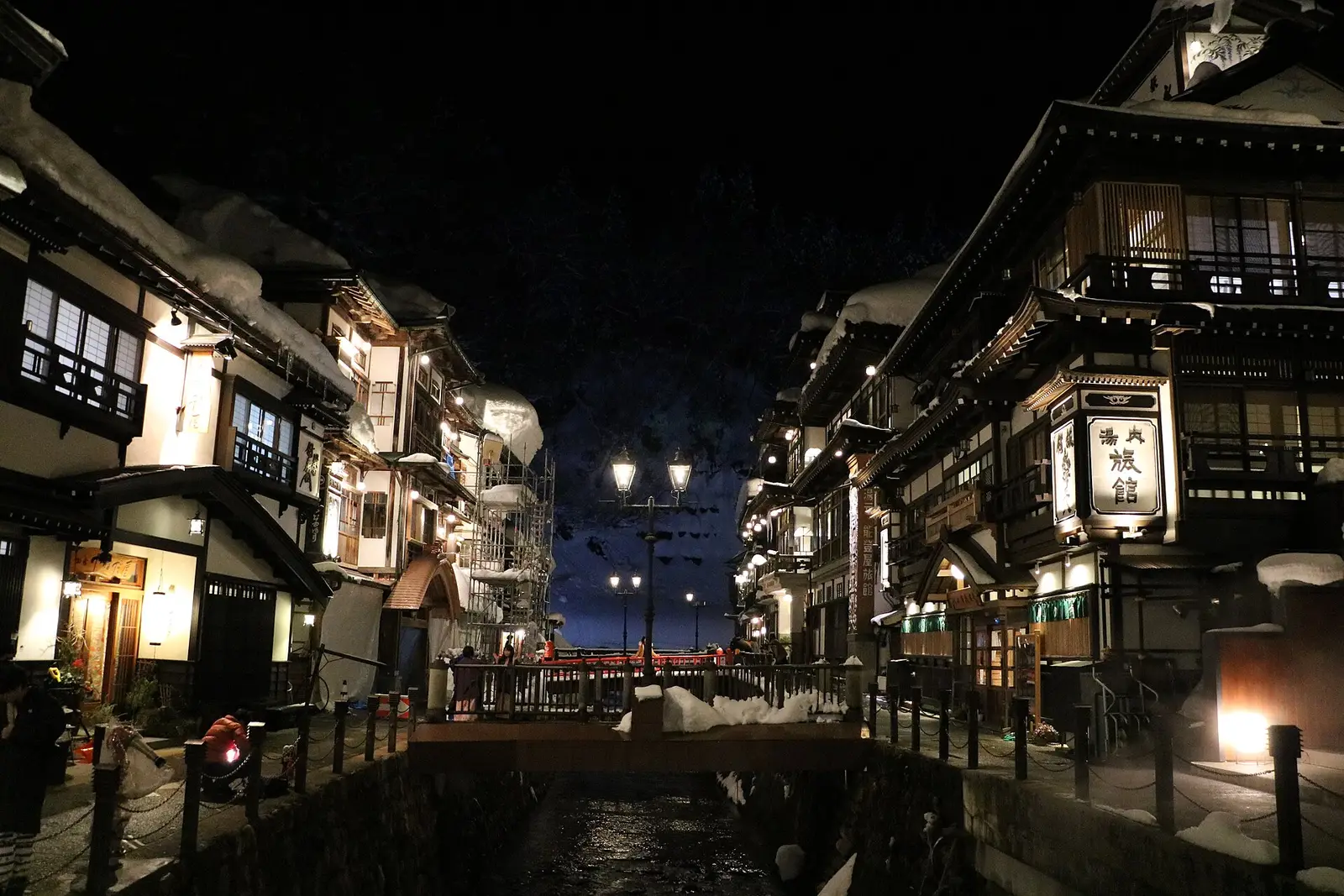
Ginzan Onsen: A Lamp-Lit Hot Spring Town of the Taisho Era
Wooden inns from the 1920s along a lamp-lit river, a waterfall and an old silver mine. Plus the winter shuttle rules.