Destinations › Kanagawa › Yokohama
Sankeien Garden: Old Buildings in a Quiet Japanese Garden
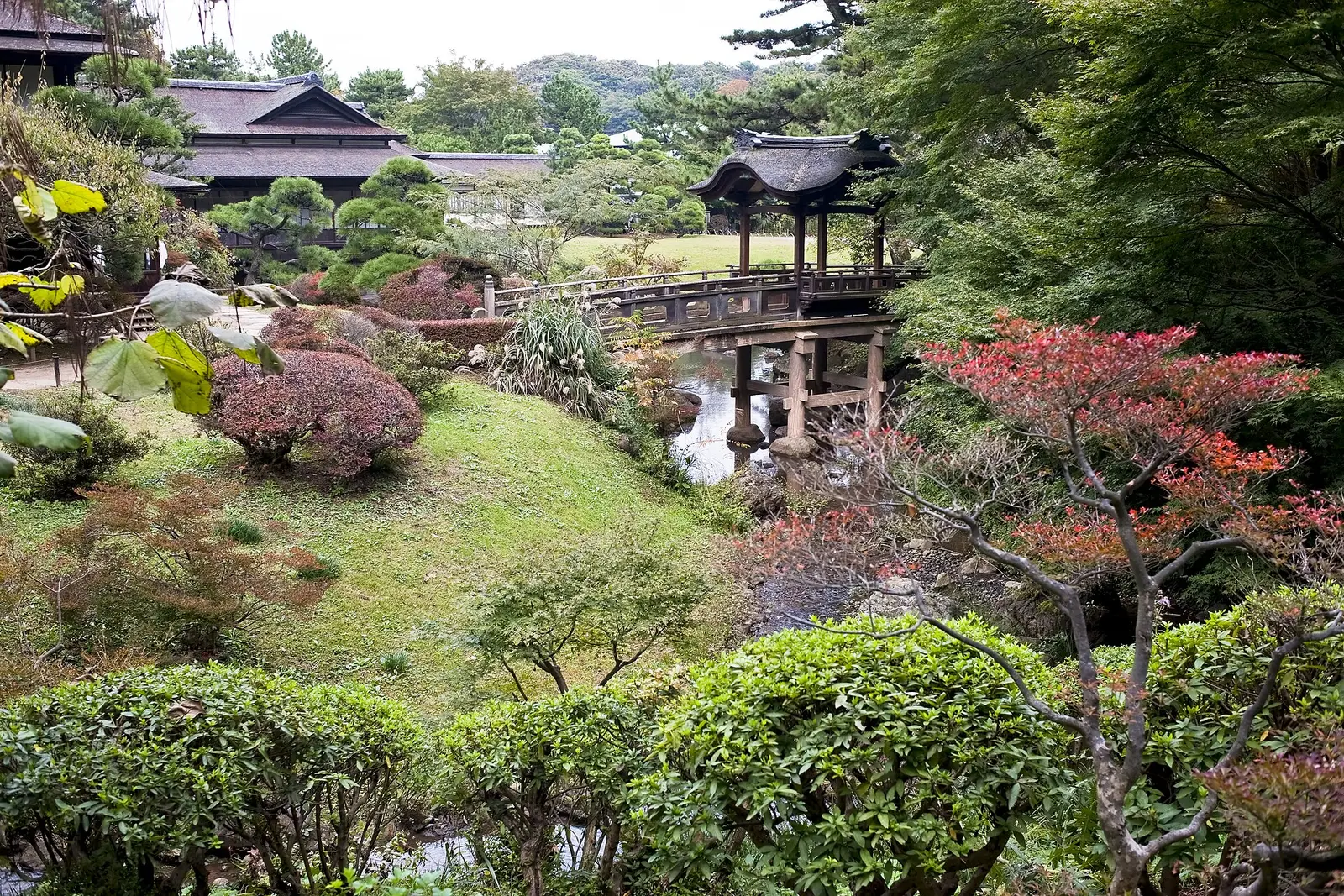
Yokohama is known for its port and its skyline, but in the Honmoku area there is a very different place. Sankeien is a traditional Japanese garden with old temple and house buildings, made by a silk merchant who loved art.
A merchant and his garden
Sankeien was made by Hara Tomitaro, a businessman in the silk trade and a major collector of art. He lived from 1868 to 1939 and took the name Sankei around 1902. The garden opened to the public in 1906, and the inner garden first opened in 1958.
From 1902 to 1922, Hara had historic buildings moved to the garden from other places. They came from Kyoto Prefecture and from Kamakura, among others, and he set them in the grounds one by one. Today the garden holds 18 historic buildings.
The old buildings
The best-known building is the three-story pagoda, which came from the Tomyoji temple in Kyoto Prefecture. It was moved to the garden in 1914, and it stands beside the pond, so you can often see it reflected in the water.
Rinshunkaku was moved to the garden between 1915 and 1917. Choshukaku was moved in 1922, and it was the last of Hara's relocations. A Buddha hall from Tokeiji in Kamakura arrived in 1907, and a building called Tenjuin, also from Kamakura, followed in 1916.
Some arrivals came long after Hara's death in 1939. A farmhouse from the mountain village of Shirakawa-go reached Yokohama in 1960, and the main hall of the Tomyoji temple was added between 1982 and 1987. The garden says that public viewing of the farmhouse is suspended for now, and it is wise to check its website for which buildings you can enter. Because the buildings came from different places and different times, the garden feels more like a small village than a single park.
The garden through the year
Sankeien changes with the calendar, so it is worth thinking about the month you visit. Cherry blossoms are a highlight in spring. In autumn, the garden holds a chrysanthemum show, which this year runs from October 31 to November 23, and a special foliage walkway opens from November 20 to December 13. In September you can see silver grass, in October wild chrysanthemums and tea flowers, and in November sasanqua flowers. The garden lists what is in bloom on its website, so check it before you choose a date.
Sankeien was heavily damaged by air raids in 1945. It was restored, and full restoration was complete in 1958, so what you see today is a restored garden.
Tickets and hours
The garden is in Honmoku, next to Honmoku Shimin Park.
The garden opens at 9 am and closes at 5 pm, and you can enter until 4:30 pm. An adult ticket is ¥900, and a child ticket for elementary and junior high students is ¥200. A group of ten or more pays ¥800 per adult, and a yearly pass for adults costs ¥2,500, which pays off after three visits. Discounts are available with certain cards or coupons, and people with a disability certificate enter free along with one companion. The garden closes only from December 26 to 31.
The pagoda will go through major repair work from April 2027, so go before then if you want a clear view of it.
Getting there
The usual way to reach the garden is by city bus. Buses run from Yokohama Station East Exit, Sakuragicho Station, Motomachi-Chukagai Station and Negishi Station. The route numbers change, so check the access page on the garden's website for the current bus and stop.
Nearby
Sankeien is a calm contrast to the city center. After your visit, take the bus back to Motomachi-Chukagai Station and have dinner in Chinatown, or go on to the Red Brick Warehouse and Cosmo Clock 21 on the waterfront.
More on Yokohama
 YOKOHAMA3 min read
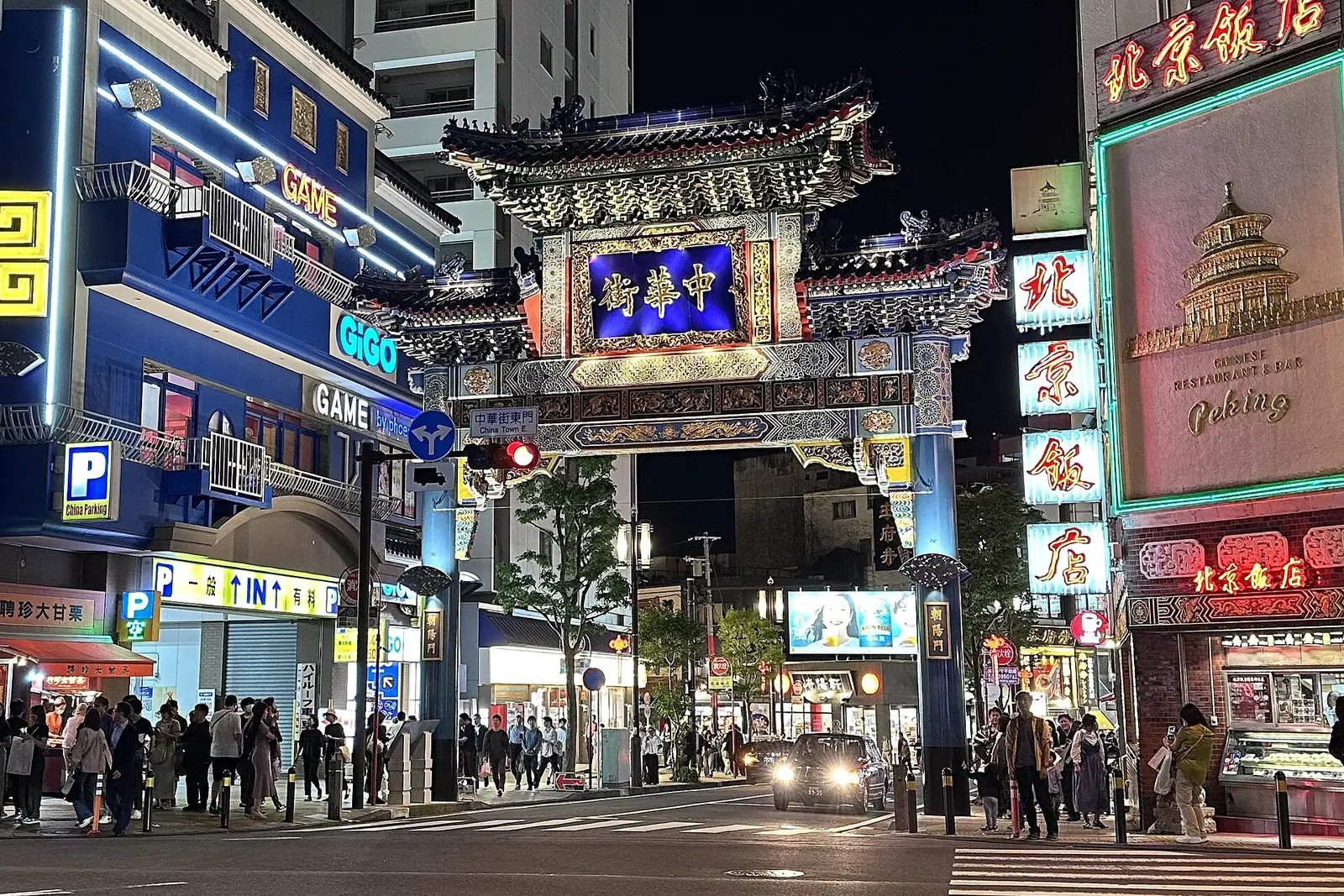
Yokohama Chinatown: Japan's Biggest Food Street
More than 400 shops and about 170 Chinese restaurants packed into a few colorful blocks by the port.
 YOKOHAMA3 min read
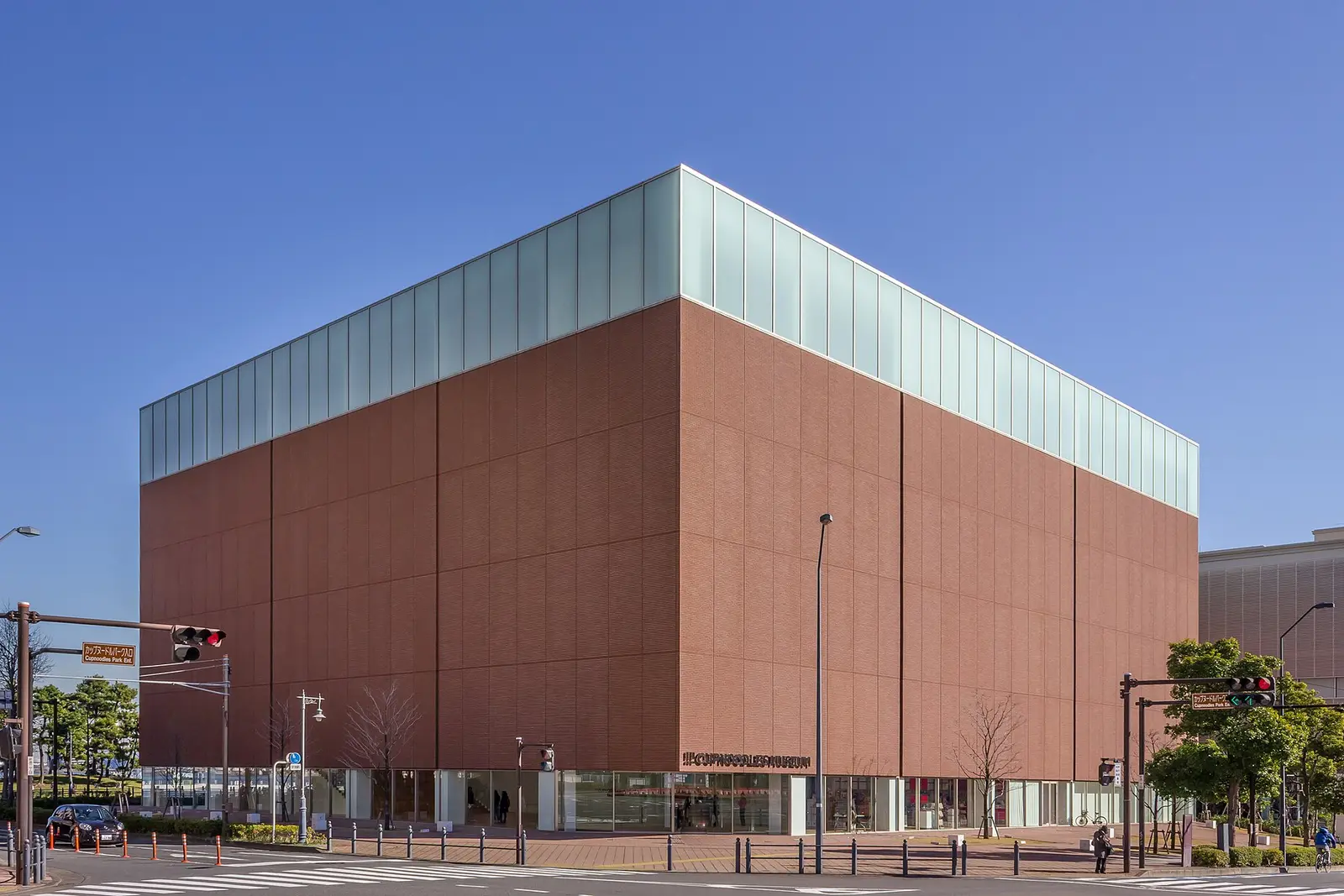
Cup Noodles Museum: Make Your Own Cup Noodles
Design your own Cup Noodles in 45 minutes, or make instant ramen from scratch. Here is what to book ahead.
 YOKOHAMA3 min read
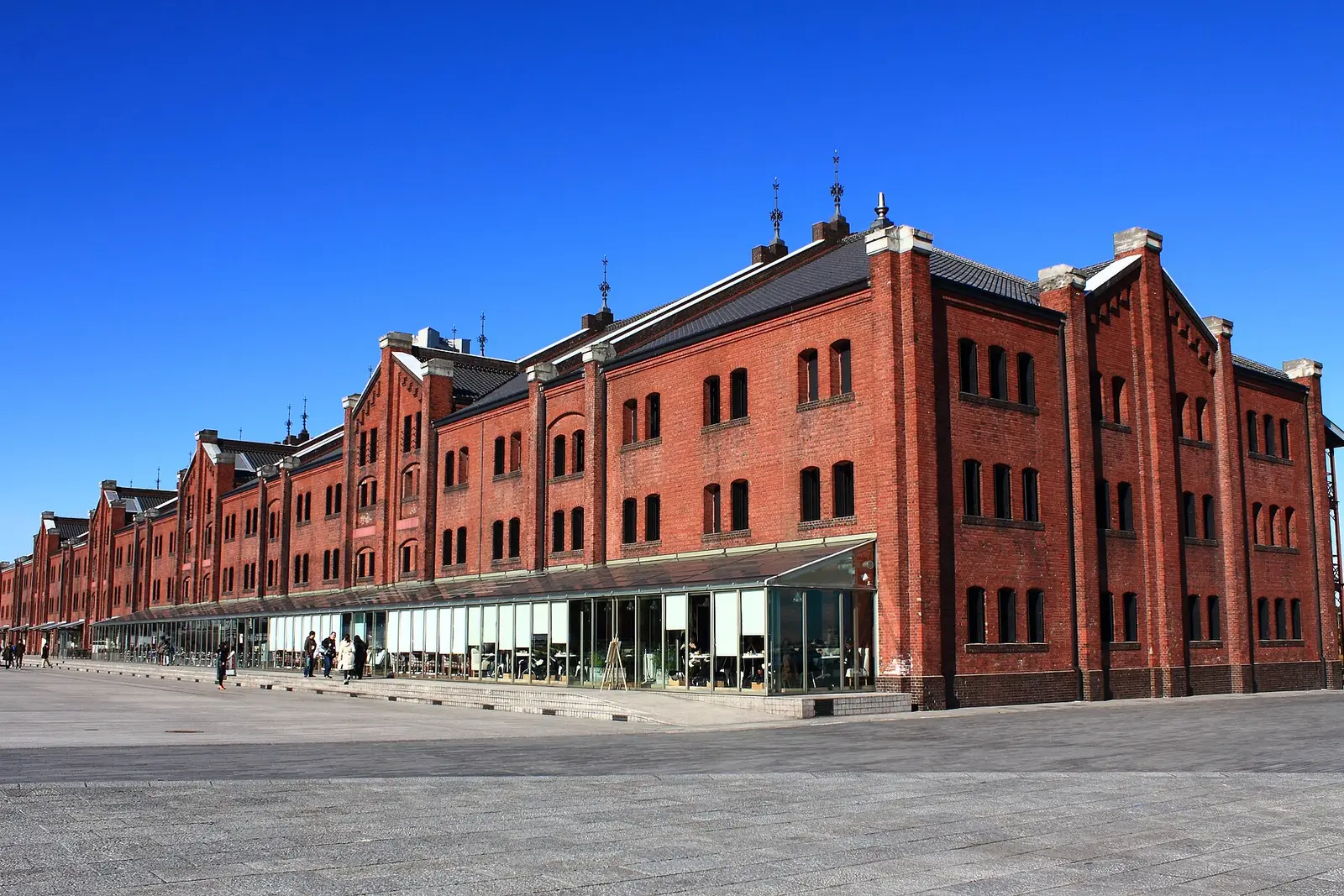
Yokohama Red Brick Warehouse: Old Port Buildings, New Life
Two port warehouses from the early 1900s, now free to enter, with shops, cafes and a bayside lawn.