Destinations › Fukushima › Aizu-Wakamatsu
Nisshinkan: The School of the Aizu Samurai
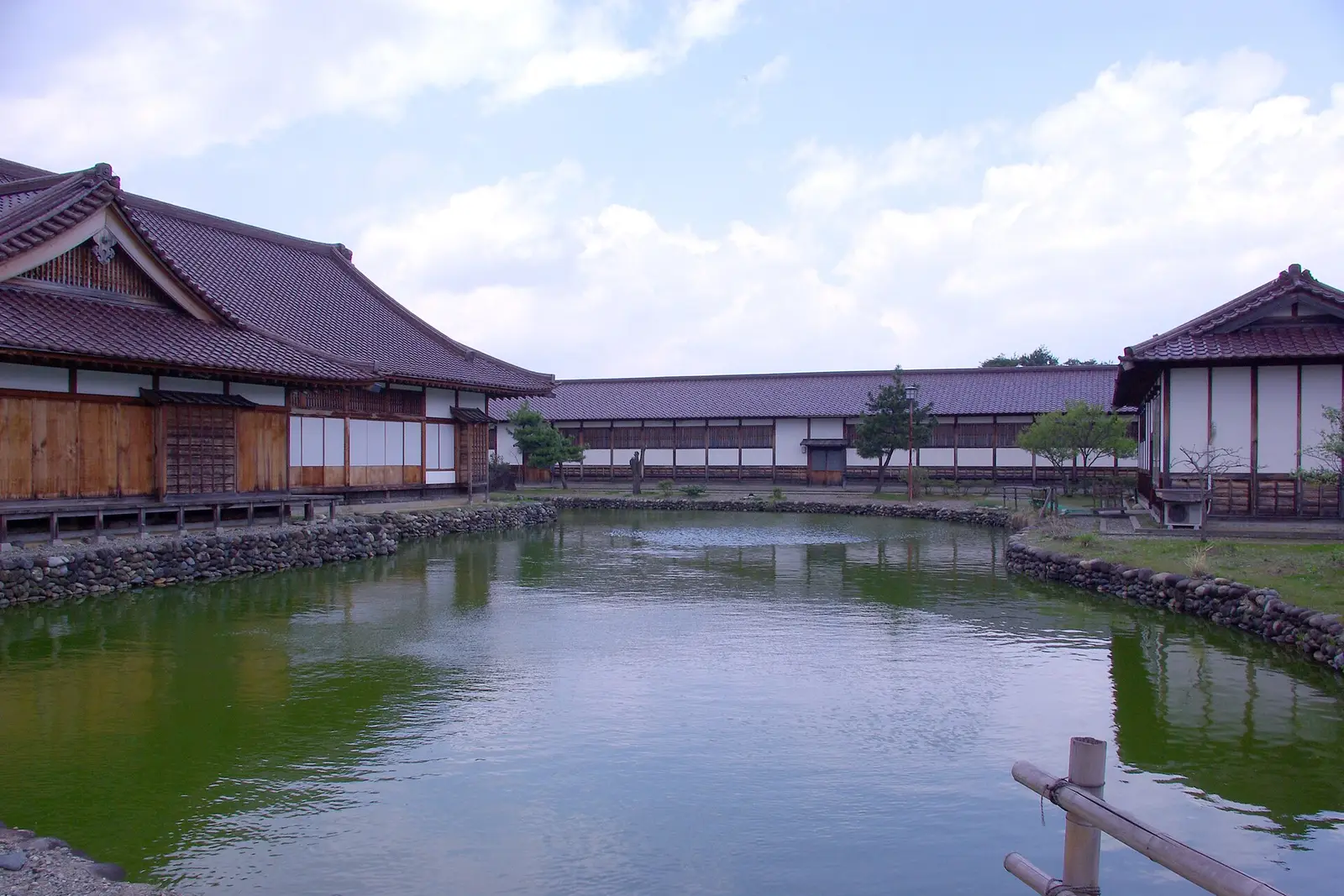
Before they could serve their lord, the sons of Aizu samurai went to school at the Nisshinkan. They studied the Chinese classics and astronomy, practiced swordsmanship and archery, and learned to swim in a pond. The school was destroyed in 1868, but it has been rebuilt at full size on the east side of the Aizu basin.
A school for the sons of samurai
The Nisshinkan opened in 1803 as the school of the Aizu domain. In the peaceful Edo period, the leaders of Aizu worried that manners and discipline were slipping. Tanaka Harunaka, chief advisor to the lord Matsudaira Katanobu, pushed for better schooling for the next generation. A rich kimono merchant paid for most of the building, and officials, scholars and students worked side by side on it for five years.
The school stood next to Tsuruga Castle and covered about 26,500 square meters. Between 1,000 and 1,300 students studied here at any one time. Among them were the boys of the Byakkotai, and Yamakawa Kenjiro, who later became president of the University of Tokyo. Samurai from other domains even came to Aizu to see how it was done.
What the boys learned
Boys entered the Nisshinkan at about ten, and the day began at 8 a.m. Depending on their age and grade, they studied reading, calligraphy, ethics, etiquette, astronomy and even physiology. They also trained in swordsmanship, archery, horse riding and swimming. One lesson was crossing a river on horseback in heavy armor.
The school is also remembered for firsts. Its Suiren-suiba pond is said to be the oldest school swimming pool in Japan. Students and teachers were all given a simple lunch, and this is seen as a forerunner of the school lunches that Japanese children eat today. A long run called toashi was part of the training too.
Rules for children
Before they entered the Nisshinkan, boys of six to nine met in groups of ten in their neighborhoods. They had to follow a short list of rules called Ju no Okite. Obey your elders. Bow to your elders. Do not lie. Do not act like a coward. Do not bully those weaker than you. Do not eat on the street. Do not talk with women outside the home. The last line sums them up: "Above all, do not do what you must not do."
When a boy broke a rule, the group decided his punishment together. Apart from the rule about women, these values are still taught to schoolchildren in Aizu-Wakamatsu.
The school today
The original school was destroyed in the Boshin War of 1868. In 1987 it was rebuilt to its original design and scale on a new site on the east side of the Aizu basin. You can walk through the classrooms, the martial arts hall, the pond and an observatory, with dioramas that show daily life at the school. At the center stands a hall for Confucius.
Things to try
Japanese archery is the most popular activity. Five arrows cost ¥500. You can also paint your own akabeko, the red cow that is a lucky charm of Aizu, or a small okiagari-koboshi doll. A set ticket with entry and akabeko painting costs ¥3,200 for adults. Zazen meditation and the tea ceremony are also offered, but only for groups of ten or more with a reservation.
You can also eat dishes based on the old school lunch and local Aizu food, including miso dengaku, which the Byakkotai are said to have eaten too.
Tickets and hours
Adults pay ¥1,800, junior and senior high school students ¥900, and elementary school students ¥800. The Nisshinkan is open every day of the year from 9:00 to 17:00, with last entry at 16:00. Most visitors spend 50 to 60 minutes.
Getting there
From Aizu-Wakamatsu Station, take the bus on the Kawahigashi and Minato line to the Aizu Hanko Nisshinkan stop, about 30 minutes, or take a taxi, about 15 minutes. The nearest station is Hirota on the Ban'etsu West Line, about 5 minutes away by taxi. By car, it is about 5 minutes from the Bandai-Kawahigashi interchange, and there is parking for 200 cars.
Tips
- There are about 70 steps from the large parking lot to the entrance. If you have trouble with stairs, call the Nisshinkan before you go.
- Wheelchairs can be borrowed, and some of the site can be seen by wheelchair.
Nearby
To see where the Byakkotai boys took their own lives, visit Iimoriyama. Tsuruga Castle, where the school once stood, is back in the center of town.
More on Aizu-Wakamatsu
 AIZU-WAKAMATSU3 min read
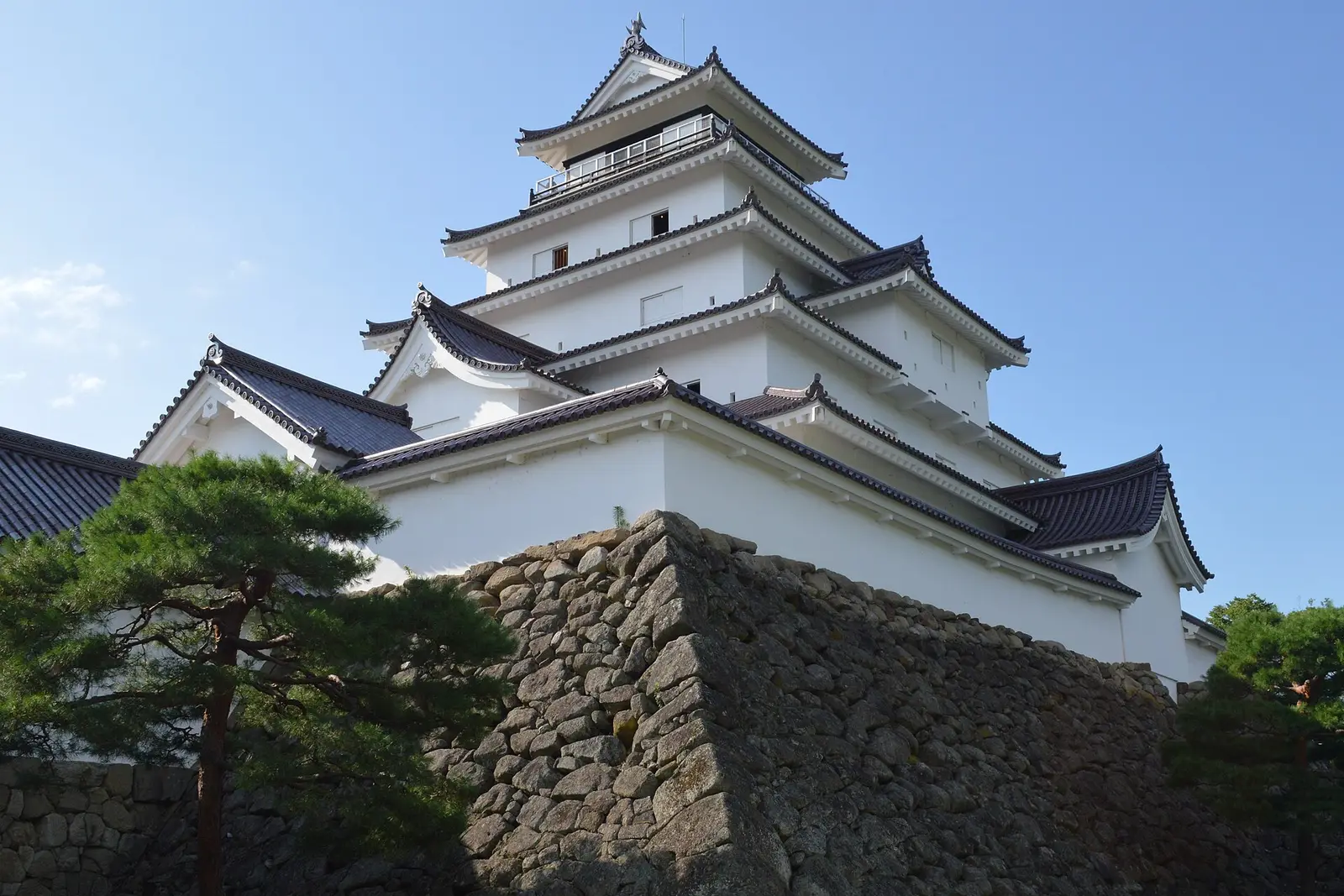
Tsuruga Castle: The Red-Roofed Castle of Aizu
The castle of the Aizu samurai, with Japan's only red-tiled keep, a museum inside and a teahouse in the grounds. Tickets, hours and access.
 AIZU-WAKAMATSU3 min read
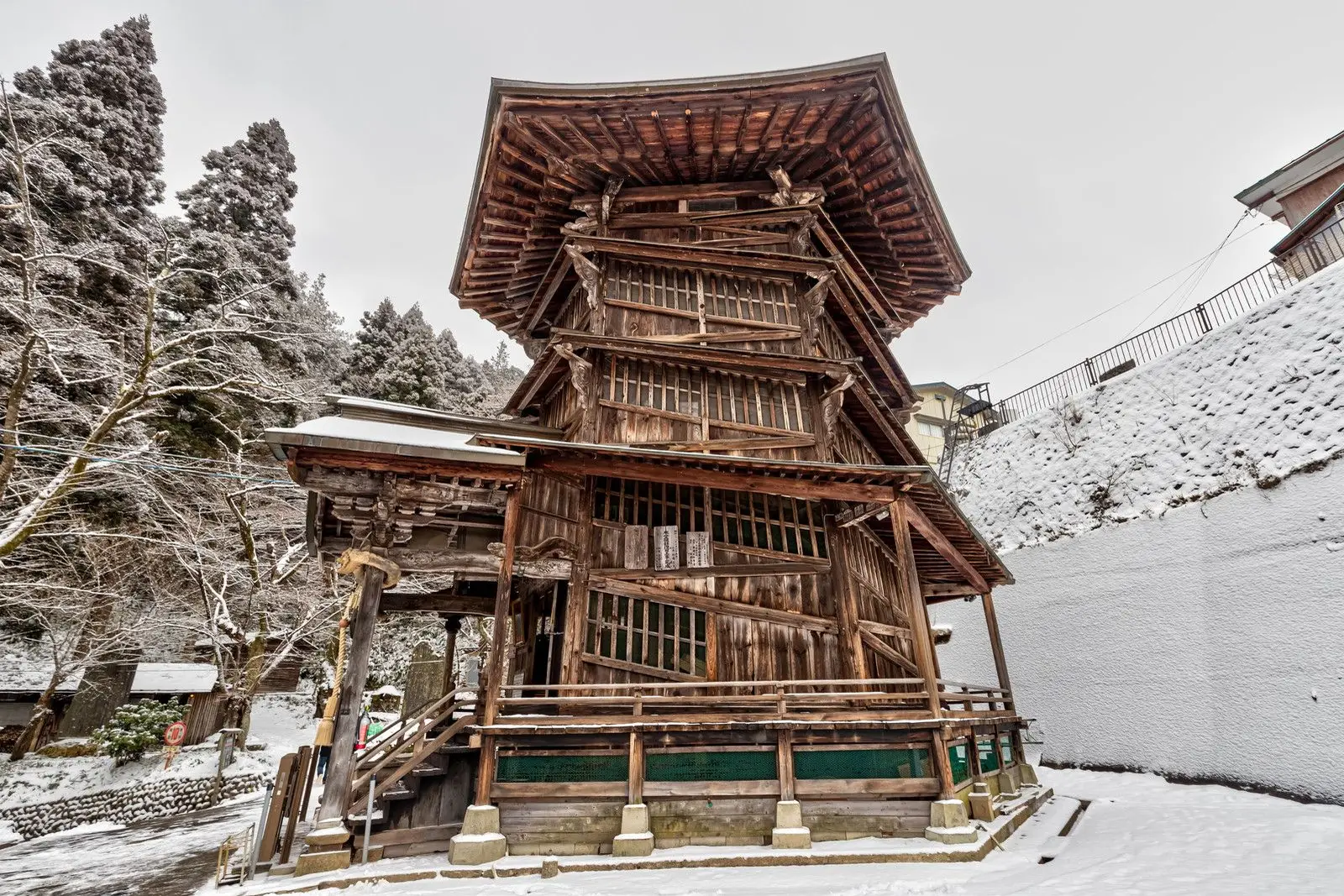
Iimoriyama and the Sazaedo: The Byakkotai Hill
The hill of the Byakkotai boy soldiers and the Sazaedo, a wooden hall where the way up and the way down never meet. Story, prices and access.
 AIZU-WAKAMATSU3 min read
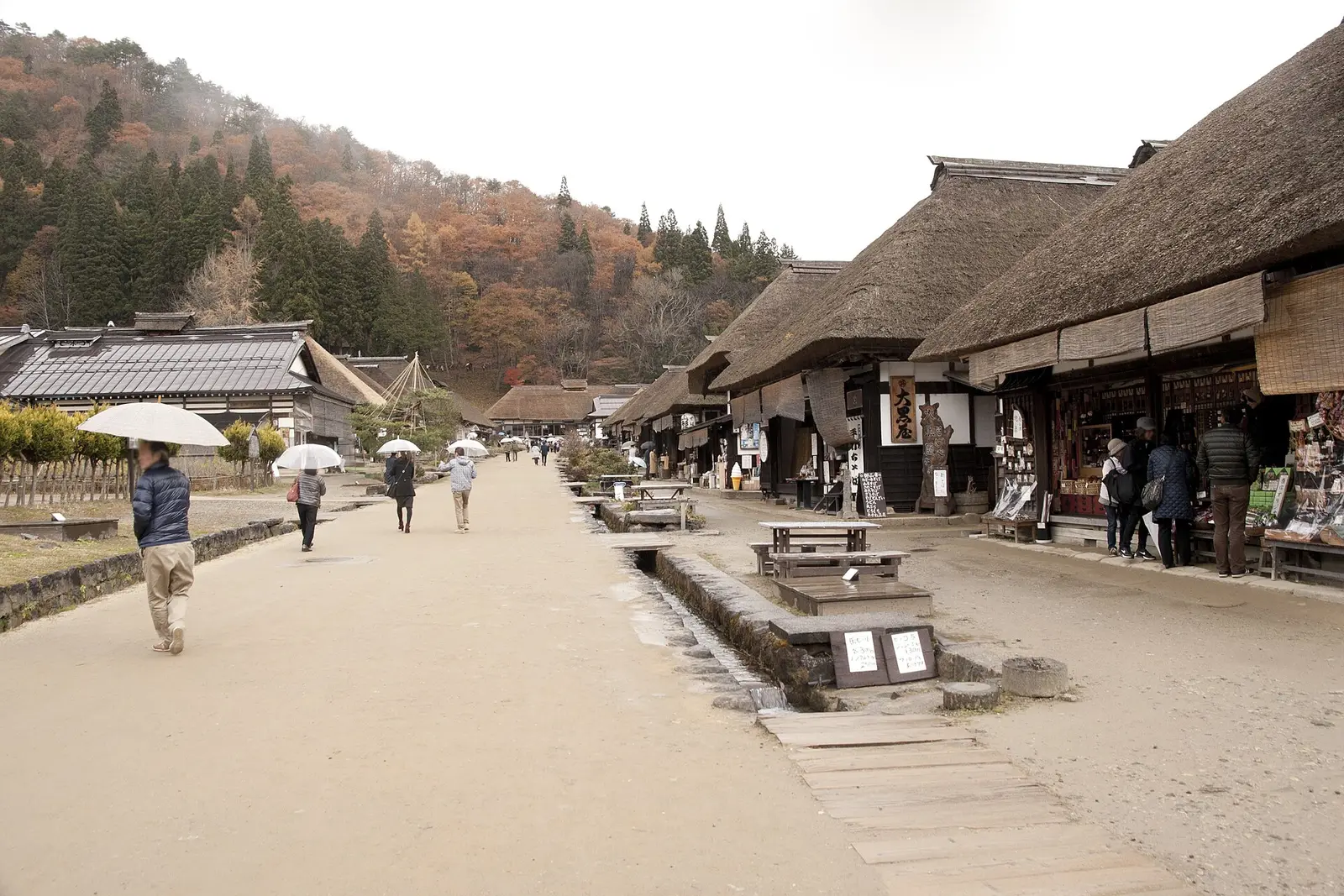
Ouchi-juku: A Thatched Post Town in the Mountains
An old post town of thatched houses on the road from Aizu to Nikko. What to see, what to eat, festivals and access.