Destinations › Fukushima › Aizu-Wakamatsu
Ouchi-juku: A Thatched Post Town in the Mountains
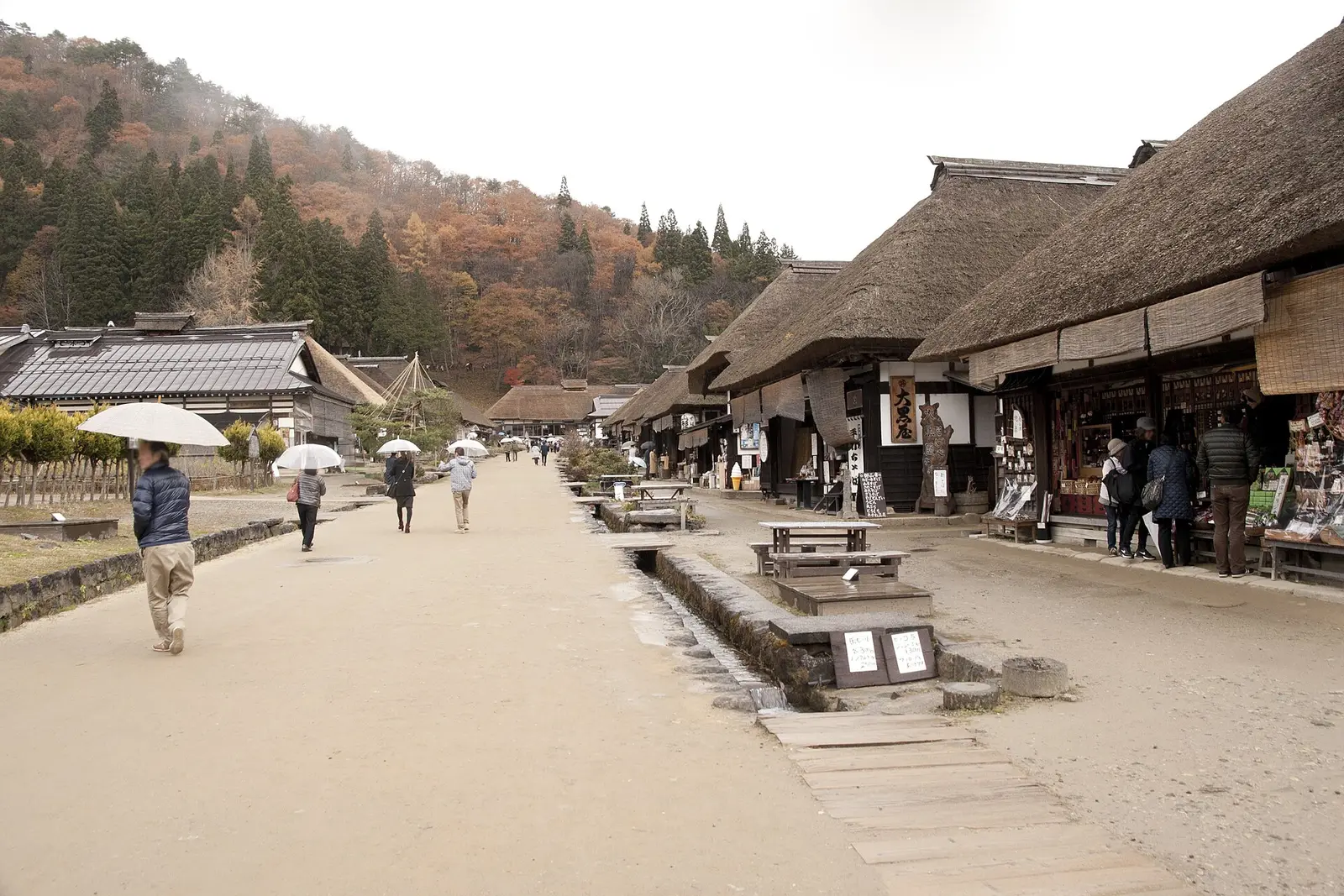
Deep in the mountains of southern Aizu, a long street runs between two rows of thatched houses. Ouchi-juku was a post town where travelers on foot stopped to eat and rest. The families who live here still keep the roofs, and many of the houses are also shops and soba restaurants.
A post town on the road to Nikko
In the Edo period, travelers walked along roads lined with post towns, where they could eat and sleep. Ouchi-juku is thought to have been founded around 1640, on a main road that linked Aizu-Wakamatsu with Nikko and Imaichi to the south. Feudal lords and their processions also used the road on their way to and from Edo.
In the Meiji era, new roads and railways passed most post towns by, and Ouchi-juku was left behind. That is why its old street survived. In 1981 the government named it an Important Preservation District for Groups of Traditional Buildings.
The thatched houses
The houses along the street have thick roofs of thatch made from several kinds of grass. Thatch keeps a house cool in summer and warm in winter.
Many families have lived here for generations, and they work together to keep the town as it is. When a roof needs to be repaired or replaced, the whole village helps, a custom called yui. The residents have agreed on three rules for their houses: do not sell them, do not rent them out, and do not tear them down.
Because thatch burns easily, the town has its own volunteer fire brigade. Every year on September 1, all the hoses along the street spray water at once in a fire drill, which has become an event that visitors come to watch.
Things to see
The Ouchi-juku Pavilion is the town museum. The building was the honjin, the inn kept for feudal lords and other high-ranking travelers. Inside you can see a large sunken hearth called an irori and tools from daily life in the past.
For the classic view of the whole street, walk up the small hill on the west side to Shohoji Temple, which looks down on the town. Another path leads west through a cedar grove to Takakura Shrine.
What to eat
The local favorite is negi soba, buckwheat noodles that you eat using a whole stick of green onion in place of chopsticks. Look also for shingoro, rice balls coated with miso and grilled over charcoal, and char fish roasted on sticks. Some restaurants close on Wednesdays, so there may be fewer places for lunch that day.
Festivals
On July 2, Takakura Shrine holds its midsummer festival. Men of the village carry a portable shrine along the street to pray for safe homes and a good harvest.
The Snow Festival is held on the second weekend of February, when the town is often under deep snow. Residents make lanterns from snow and line them up along the street, then light them one by one. Fireworks end the evening.
Opening times
Ouchi-juku is a living village, not a museum, and the houses are both homes and shops. Each shop sets its own hours, and some open late or close early because of the weather or family matters. Most shops are open from about 9:00 to 16:00. Entry to the town is free.
Getting there
The nearest station is Yunokami-Onsen on the Aizu Railway. From there, Ouchi-juku is about 15 minutes by taxi or bus. By car it takes about 50 minutes from central Aizu-Wakamatsu, and there is paid parking for cars.
Tips
- People live in these houses. Do not go into private areas, and ask before you take close-up photos of residents.
- Ouchi-juku is in the mountains and gets cold and snowy in winter. Bring warm clothes and good shoes from December to March.
Nearby
Back in Aizu-Wakamatsu, visit Tsuruga Castle in the castle town that the old road led to.
More on Aizu-Wakamatsu
 AIZU-WAKAMATSU3 min read
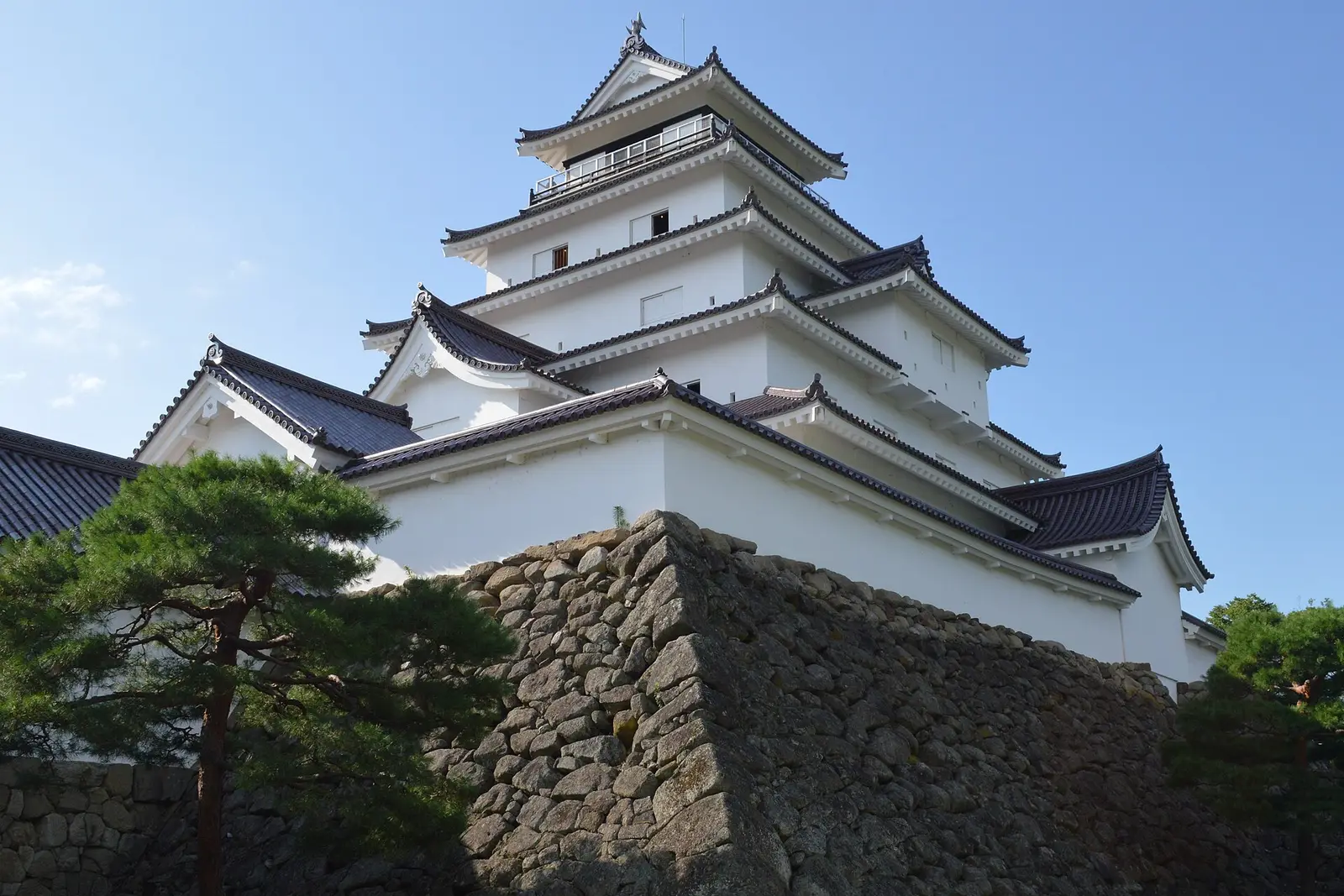
Tsuruga Castle: The Red-Roofed Castle of Aizu
The castle of the Aizu samurai, with Japan's only red-tiled keep, a museum inside and a teahouse in the grounds. Tickets, hours and access.
 AIZU-WAKAMATSU3 min read
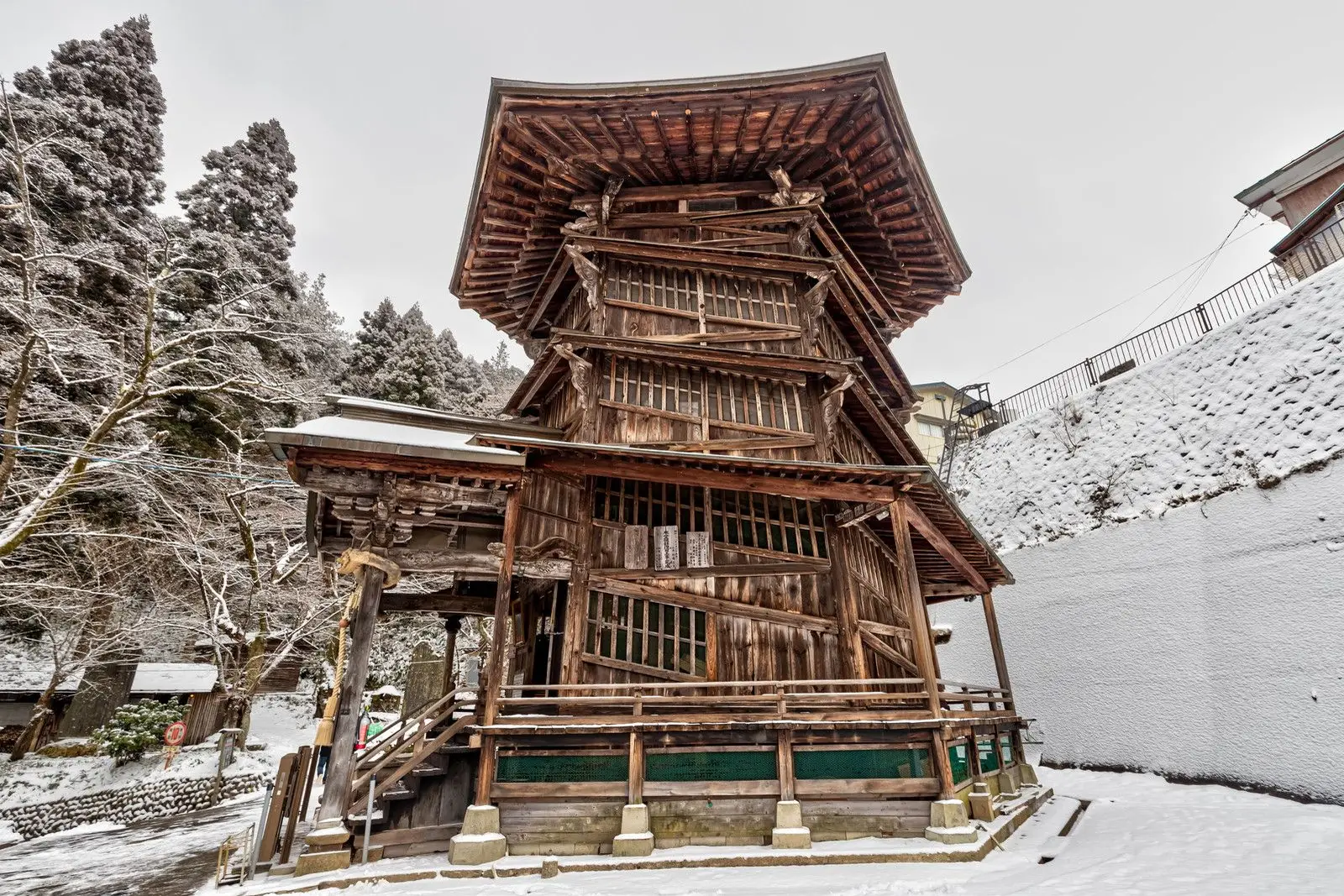
Iimoriyama and the Sazaedo: The Byakkotai Hill
The hill of the Byakkotai boy soldiers and the Sazaedo, a wooden hall where the way up and the way down never meet. Story, prices and access.
 AIZU-WAKAMATSU3 min read
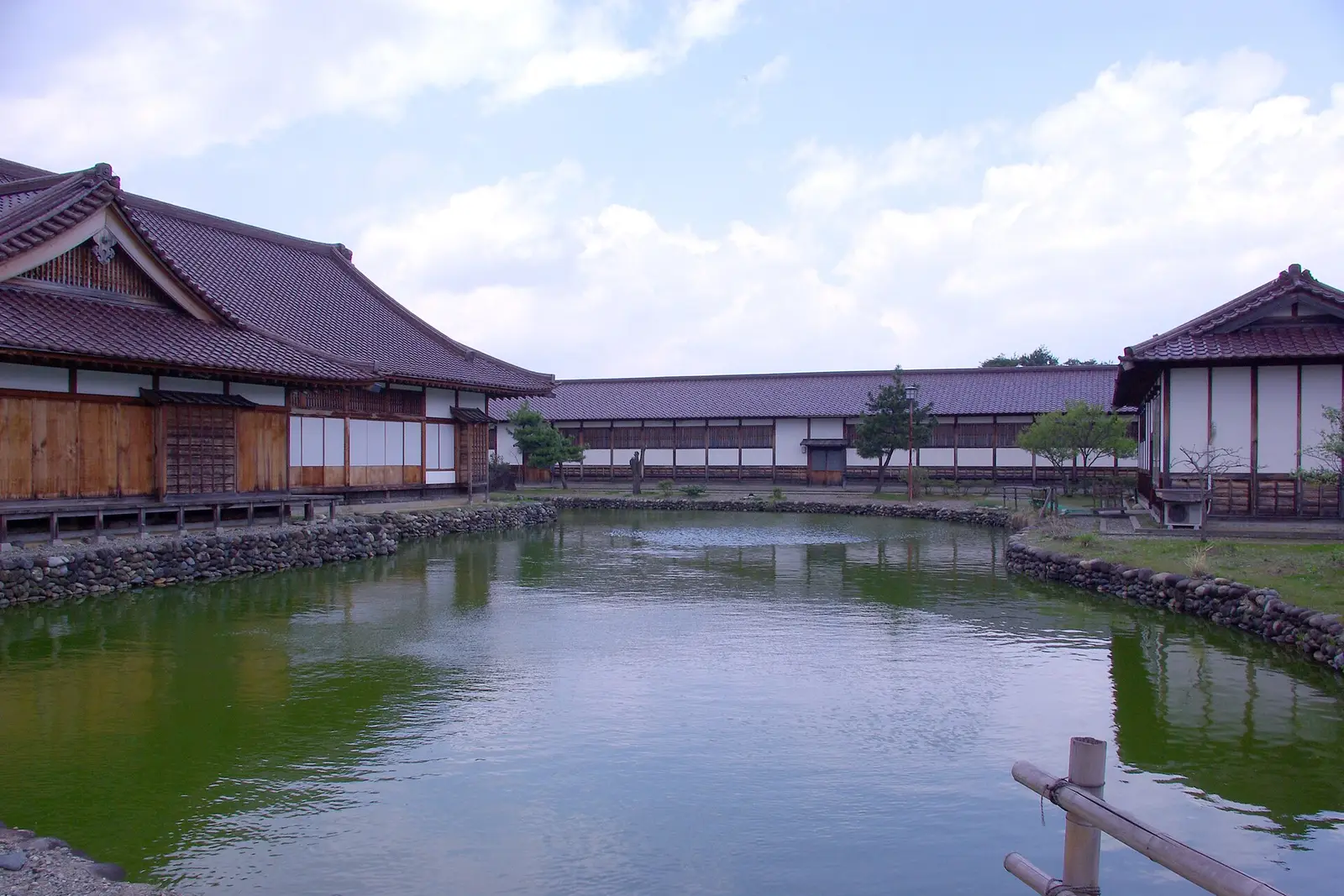
Nisshinkan: The School of the Aizu Samurai
A full-size rebuilding of the Aizu samurai school, with Japan's oldest school pool, archery and akabeko painting. Tickets, hours and access.