Destinations › Fukushima › Aizu-Wakamatsu
Tsuruga Castle: The Red-Roofed Castle of Aizu
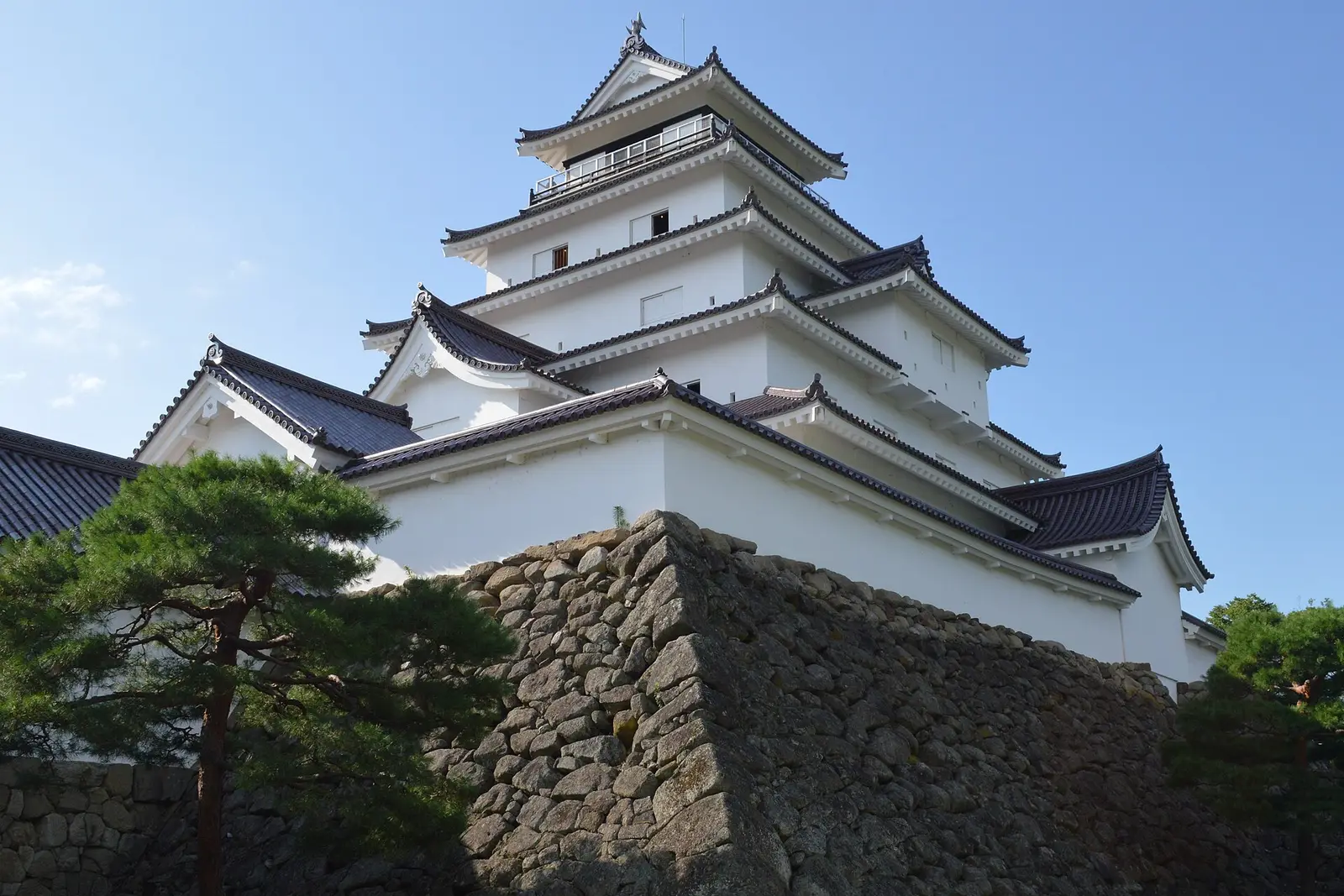
In the middle of Aizu-Wakamatsu, a white five-story keep with red roof tiles rises above old stone walls. This is Tsuruga Castle, where the samurai of Aizu held out for a month in 1868. Today the keep is a museum, and the grounds around it are a large park.
From a lord's house to a great castle
The story of the castle begins in 1384, when the warlord Ashina Naomori built a fortified house here. In 1592 Gamo Ujisato built the first real castle, with stone walls and moats, and renamed the town Wakamatsu. Its keep was finished the next year, and he named the castle Tsurugajo, "Crane Castle."
A big earthquake in 1611 damaged the stone walls and tilted the keep. The next lords, Kato Yoshiaki and his son Akinari, rebuilt the castle in the shape you see today. In 1643 Hoshina Masayuki, a younger brother of the third Tokugawa shogun, became lord of Aizu, and his family ruled here until the end of the samurai age.
The siege of 1868
In the Boshin War of 1868, Aizu fought for the side of the old shogunate. When the war reached Aizu, the castle held out against the new government's army for about a month before it surrendered. This siege made it known as a castle that could not be taken by force.
By 1874 every building had been pulled down, and only the stone walls were left. In 1934 the site became a National Historic Site.
The keep and its red roof
The present keep was rebuilt in 1965, based on old photographs taken in the early Meiji period. In 2011 its roof was changed to red tiles, the same as at the end of the Edo period.
The red tiles were developed in Aizu on the orders of Hoshina Masayuki. They used a glaze rich in iron so they could stand up to the cold and snow of the north. Today, Tsuruga Castle is the only castle in Japan where you can see a keep with red roof tiles.
Inside the museum
The keep is now a local history museum. Each floor tells part of the story, from the lords of Aizu to the Boshin War and the people of Aizu who came after. On the fifth floor, an observation level looks out over the Aizu basin to Mt. Bandai.
Next to the keep, the Hoshii Yagura turret and the South Hashiri Nagaya, a long storehouse, were rebuilt in wood in 2000 using Edo-period methods. You take your shoes off inside.
The Rinkaku teahouse
In 1591 the tea master Sen no Rikyu was ordered to take his own life by Toyotomi Hideyoshi. Gamo Ujisato, the lord of Aizu and one of Rikyu's leading students, hid Rikyu's son Shoan here. The Rinkaku teahouse is said to have been built in those years. Shoan was later forgiven, went back to Kyoto and kept the family's tea tradition alive.
After the Boshin War a local tea master moved the teahouse to his home to save it, and in 1990 the city moved it back inside the castle. Entry costs ¥210 for adults, and a bowl of matcha with a sweet costs ¥600 (¥700 from December 1, 2026). Tea is served until 16:00.
Walking the grounds
The castle park keeps almost the same layout inside the inner moat as at the time of the Boshin War. Look for the stone base of the keep, piled from natural stones in the days of Gamo Ujisato, and the V-shaped stone stairways called musha-bashiri. About 1,000 cherry trees bloom here in spring, and the park is one of Japan's "100 best places for cherry blossoms." The grounds are free to enter.
Tickets and hours
The keep museum is open every day from 8:30 to 17:00, with last entry at 16:30. Adults pay ¥410 and children ¥150. A ticket with the Rinkaku teahouse costs ¥520, and a ticket for the keep, Rinkaku and the Oyakuen garden costs ¥730. Pay in cash at the ticket office, or buy a web ticket in advance with a credit card.
Getting there
From Aizu-Wakamatsu Station, take the Haikara-san or Akabe loop bus to Tsurugajo Iriguchi and walk about 5 minutes. The castle has paid parking lots: ¥200 for the first hour and ¥100 for each hour after that.
Nearby
The Oyakuen garden of the Aizu lords is a short ride away on the same loop bus. To see the hill where the Byakkotai boy soldiers looked toward this castle, go to Iimoriyama.
More on Aizu-Wakamatsu
 AIZU-WAKAMATSU3 min read
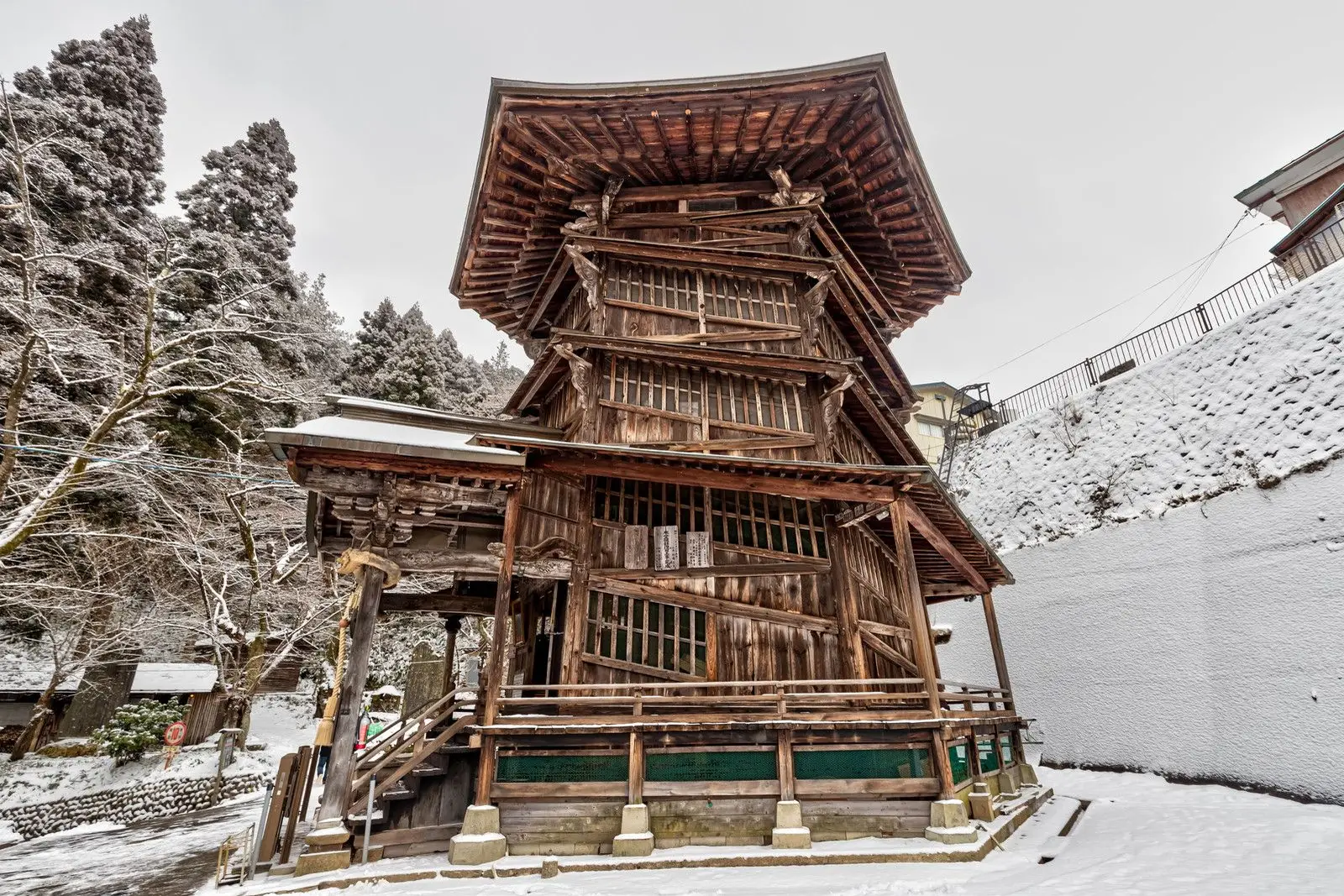
Iimoriyama and the Sazaedo: The Byakkotai Hill
The hill of the Byakkotai boy soldiers and the Sazaedo, a wooden hall where the way up and the way down never meet. Story, prices and access.
 AIZU-WAKAMATSU3 min read
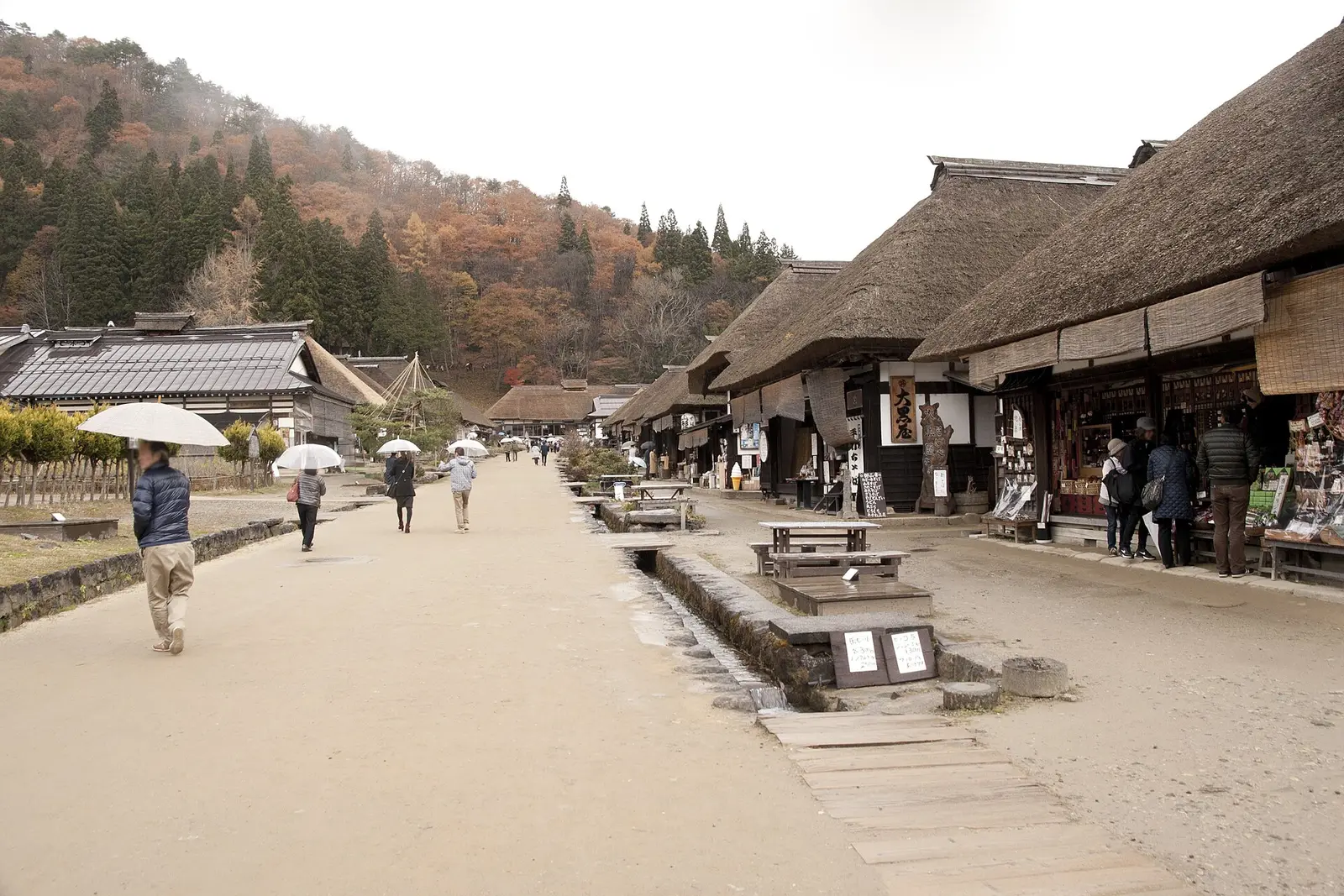
Ouchi-juku: A Thatched Post Town in the Mountains
An old post town of thatched houses on the road from Aizu to Nikko. What to see, what to eat, festivals and access.
 AIZU-WAKAMATSU3 min read
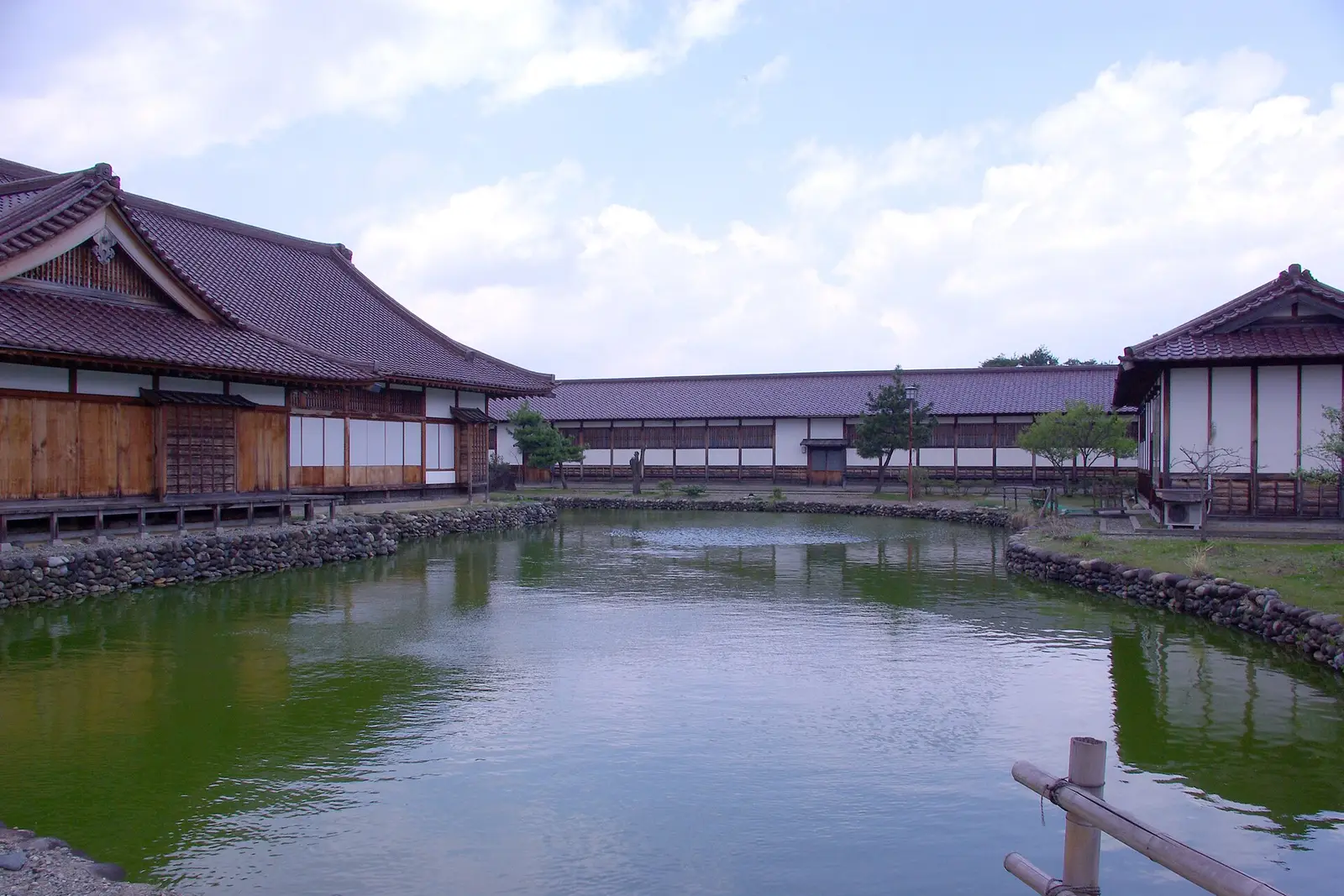
Nisshinkan: The School of the Aizu Samurai
A full-size rebuilding of the Aizu samurai school, with Japan's oldest school pool, archery and akabeko painting. Tickets, hours and access.