Destinations › Tokyo › Akihabara
Kanda Myojin: The Shrine Next to Electric Town
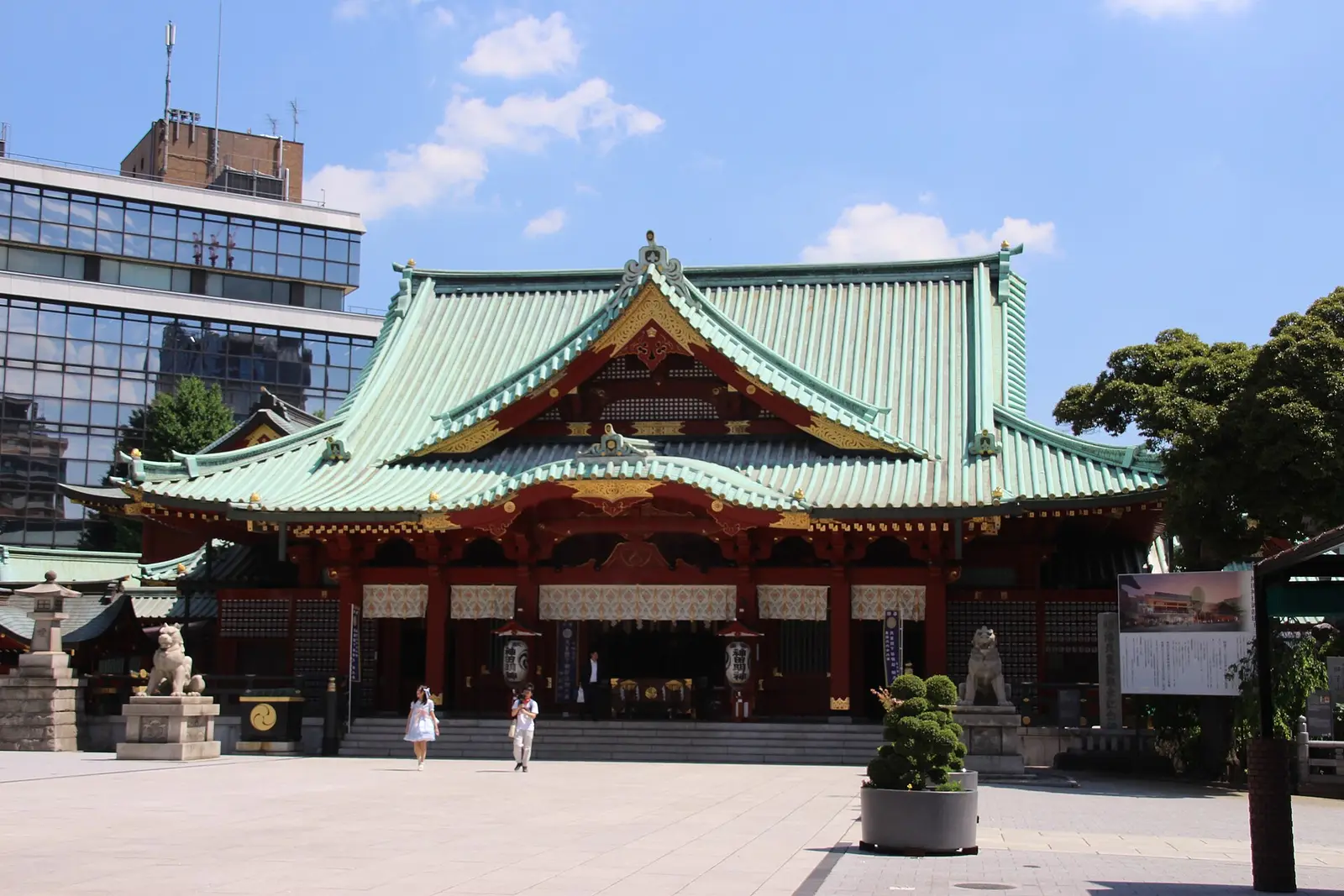
Ten minutes from the neon of Akihabara, there is a shrine with a bright red main hall and a long history. Merchants have long come here to pray for good luck in business, and today the shrine sells a charm for computer work too.
A very old shrine
The shrine's official name is Kanda Shrine, but nearly everyone calls it Kanda Myojin. According to the shrine's own history, it was founded in the year 730, near the place now known as Otemachi. It is the local shrine of 108 neighborhoods across central Tokyo, including Kanda, Nihonbashi, Akihabara and Marunouchi.
In 1600, Tokugawa Ieyasu prayed here before the Battle of Sekigahara, and he won on the day of the Kanda Festival, September 15. After that, the Tokugawa shoguns treated the festival as a lucky one. When the shogun's government was set up, the shrine was moved in 1616 to its present site, which guards the northeast corner of Edo Castle. Throughout the Edo period it was known as the chief guardian shrine of the city.
The main hall you see today is not the Edo one. A great earthquake destroyed the older shrine in 1923. The new hall opened in 1934. It was built with steel and concrete, then painted with vermilion lacquer from top to bottom. It came through the bombing of World War II with little damage. The wooden Zuishin Gate at the entrance was rebuilt in 1976.
Three gods
Three gods are enshrined here. Daikoku is the god of matchmaking. Ebisu is the god of business. The third is Taira no Masakado, a warrior of the 900s who is worshipped as a protector against disasters. His spirit was enshrined here in 1309. He was moved to a smaller shrine in 1874, and he returned to the main hall in 1984. A memorial mound for him still stands in Otemachi.
Charms for the computer age
Kanda Myojin also has some modern touches. The shrine sells charms for matchmaking, business, victory and keeping bad luck away. It also sells an IT charm, for people who work with technology. Walk to the left of the main hall and you will see a museum in a red building. It shows ukiyo-e prints, models of the Kanda Festival and displays on the shrine's many collaborations with anime and manga. Check the website before you go, because it closes for breaks.
A horse named Akari lives in a stable on the grounds, and the shrine's FAQ says you can meet her at any time. She is a sacred horse, the kind a god is said to ride.
How to pray
Before you go through the gate, wash your hands and rinse your mouth at the water basin. At the main hall, bow twice, clap twice, and bow once. This is the usual shrine way. If you want a full prayer ceremony, go to the reception desk in the hall to the left of the main building. Individuals pay from 10,000 yen. Wear proper clothes: no bare feet or shorts, and no photos inside the hall.
The Kanda Festival
Kanda Matsuri is counted as one of the three great festivals of Japan, and it is held every other year in May. The big festival is held in odd-numbered years, with a parade through Kanda, Nihonbashi, Otemachi, Marunouchi and Akihabara. The main parade day is followed by a ritual called miya-iri, when portable shrines called mikoshi from the neighborhoods are carried into Kanda Myojin. In the years in between, a smaller festival is held. In 2026, for example, there was no parade and no mikoshi procession. If you are in Tokyo in mid-May of an odd year, ask your hotel about the schedule.
Nearby
Kanda Myojin is a short walk from Akihabara's main street, Chuo Dori. Retro game fans can stop at Super Potato, and mAAch ecute, in the old railway arches by the river, is also within walking distance.
More on Akihabara
 AKIHABARA3 min read
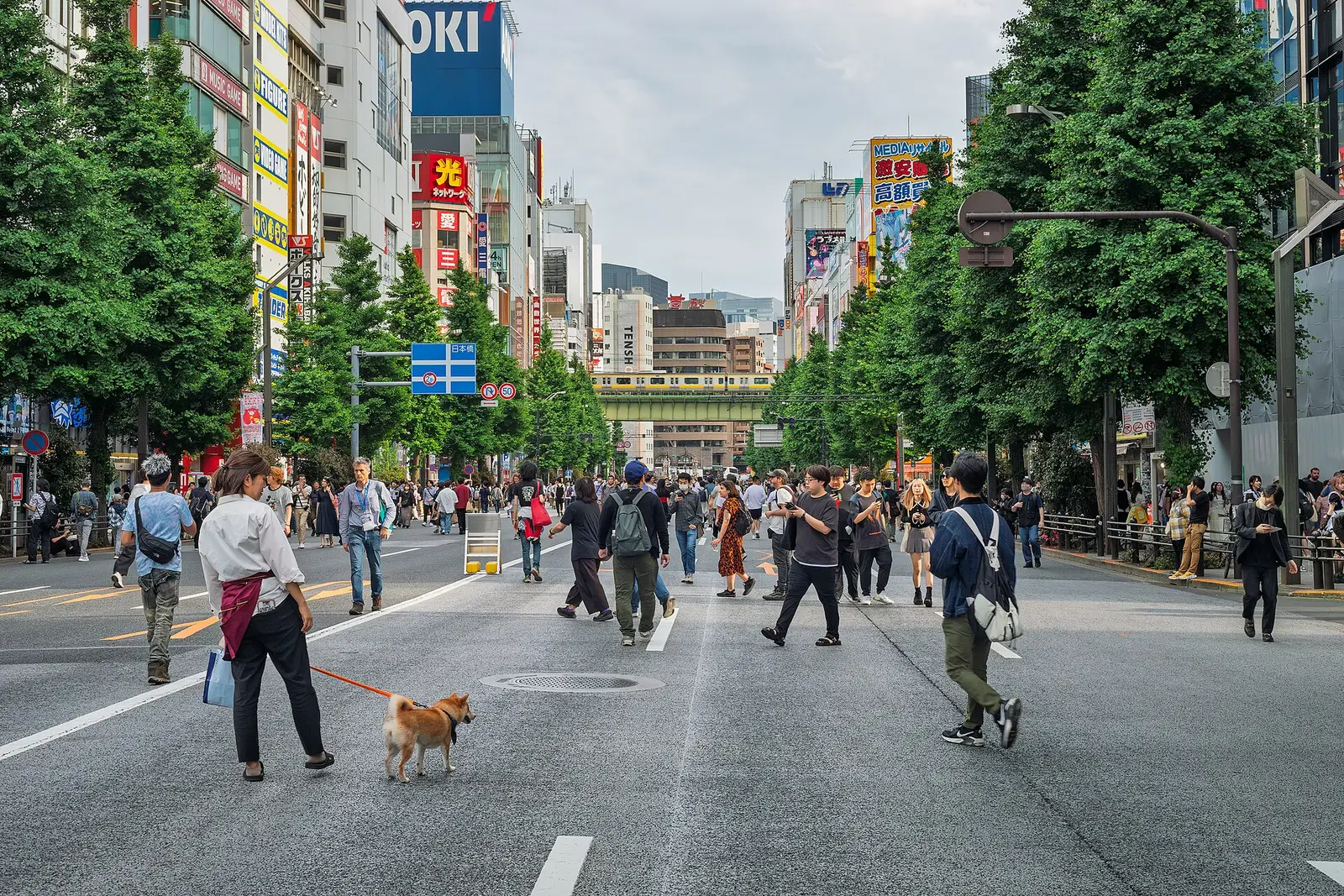
Chuo Dori: Akihabara's Main Street and Its Sunday Car-Free Hours
The main street of Electric Town, and the Sunday hours when cars disappear and you can walk down the middle.
 AKIHABARA3 min read
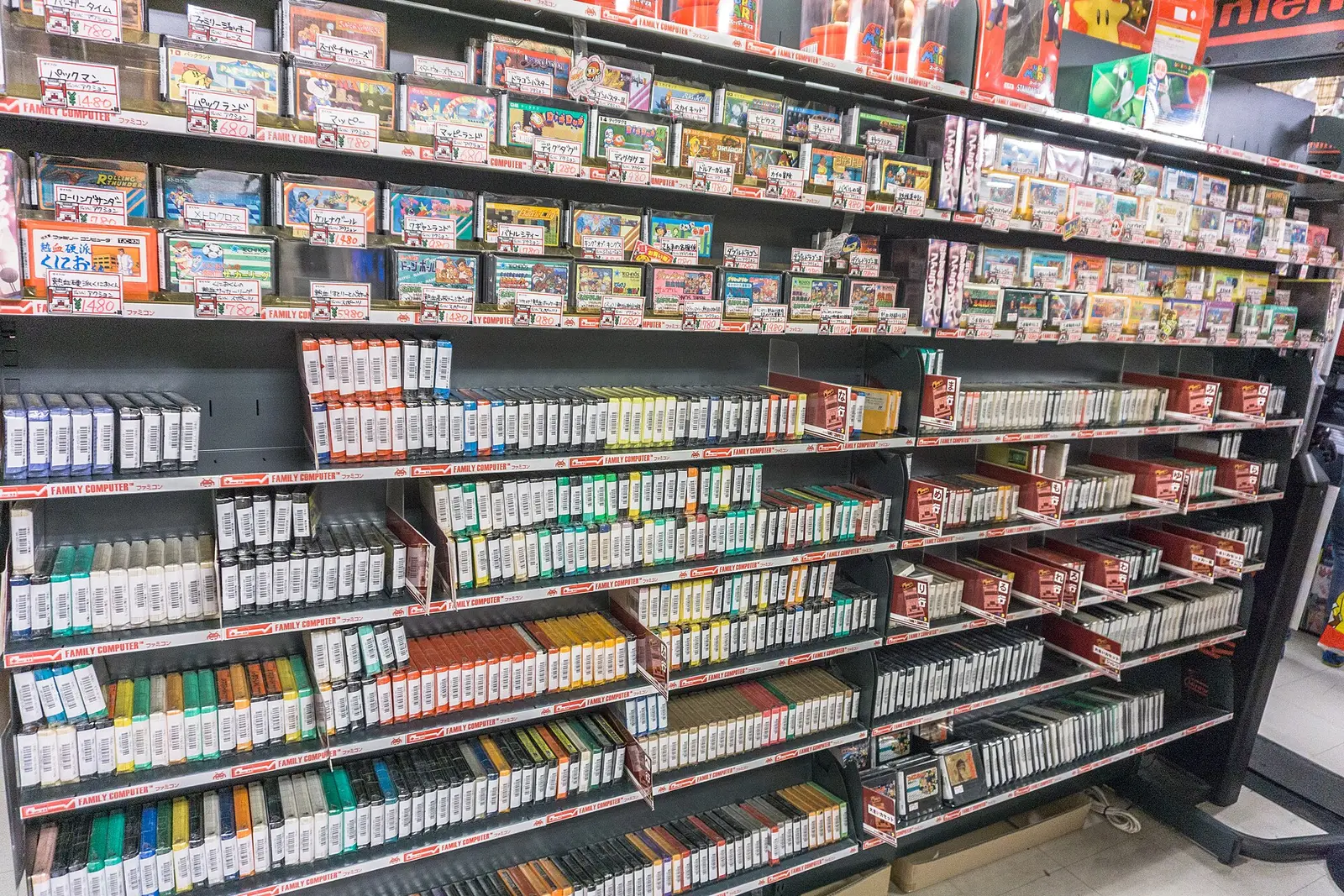
Retro Game Shops in Akihabara: Super Potato and More
Shelves of old cartridges, a retro arcade on the top floor, and a few tips for buying games in Tokyo.
 AKIHABARA3 min read
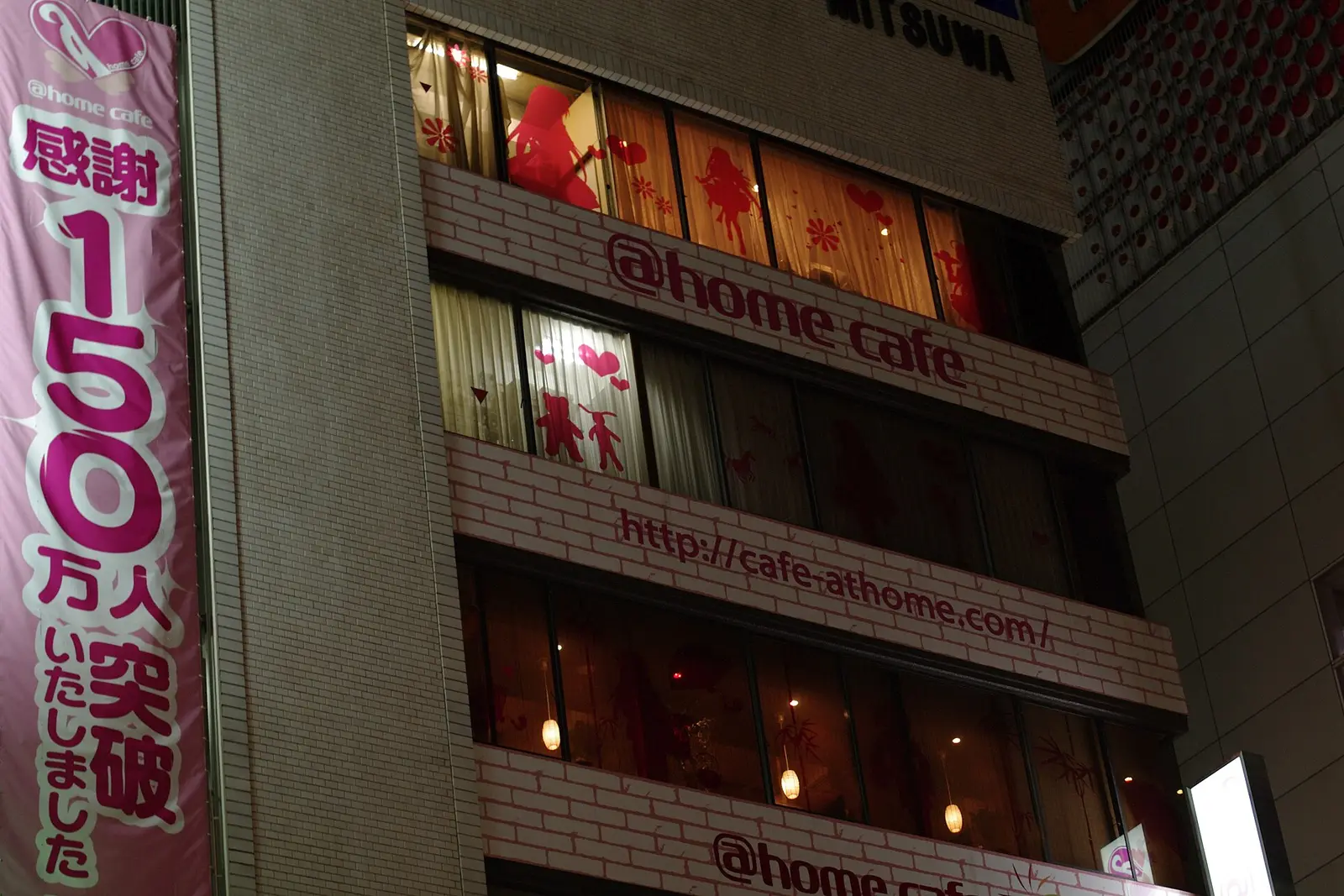
Maid Cafes in Akihabara: What to Expect on Your First Visit
What a maid cafe is, how the entry fee works, and the simple rules for a first visit.