Destinations › Tokyo › Akihabara
Retro Game Shops in Akihabara: Super Potato and More
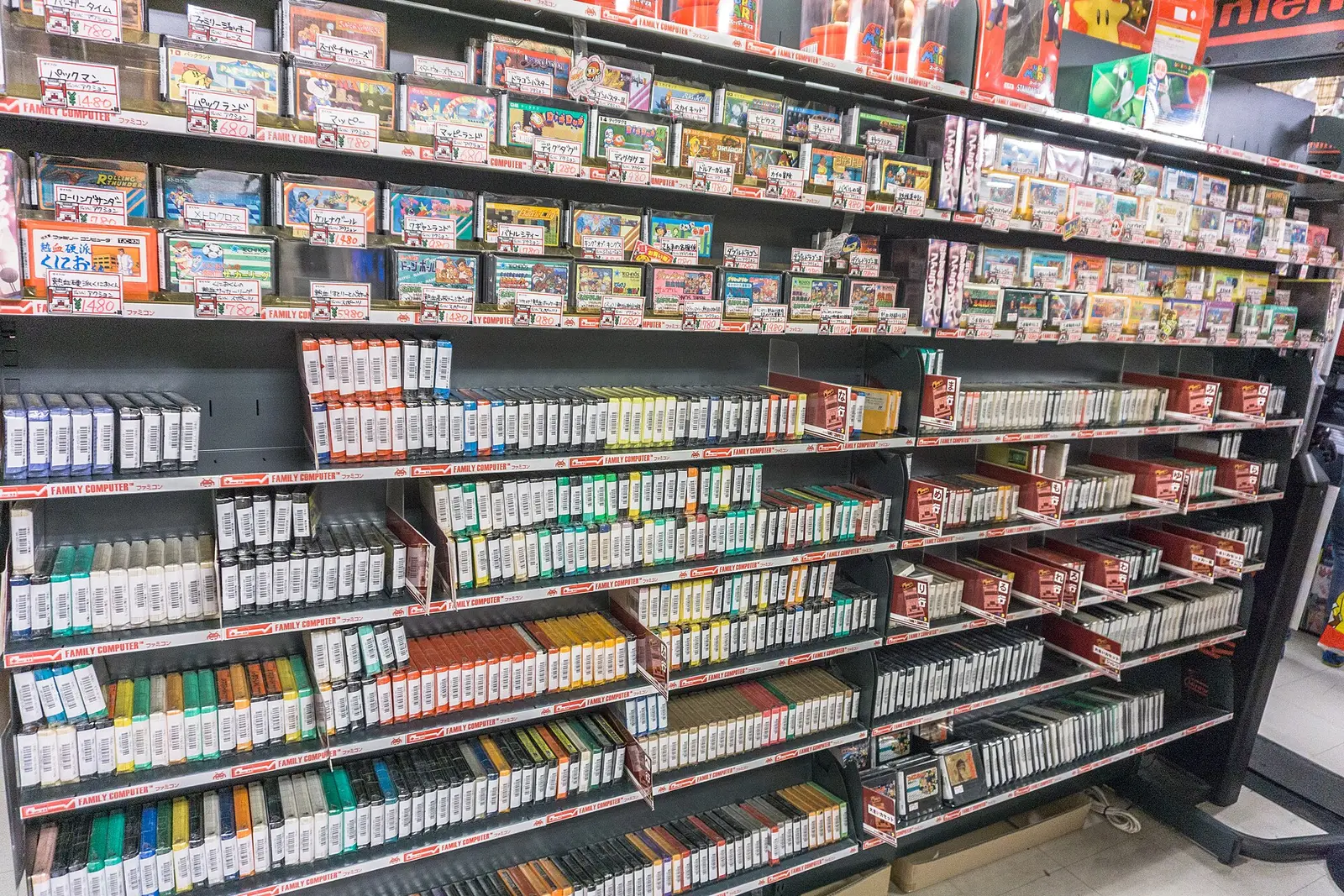
Akihabara started out selling radio parts. Today you can also walk into a shop here and find a whole wall of Famicom cartridges, each with its own price tag. One well-known stop is Super Potato.
Why Akihabara has so many old games
The shopkeepers' association of Akihabara says the area's history is a series of changing trends. Radio parts came first, then televisions and appliances, then home computers. In 1978, the Space Invaders craze swept Japan, and the beeping of game machines could be heard on streets everywhere.
From the late 1990s, shops selling games and anime software began to take over from the struggling appliance stores. Many of the first customers were computer fans who were already shopping here, and they moved on to games, anime and figures. Retro game shops grew out of that crowd. Today there are dozens of them between the electronics stores.
Super Potato
Super Potato is the one that most visitors head for. The Akihabara shop fills three floors, the third to the fifth, of a small building in Sotokanda. The shop says it has the largest stock of retro games in Japan.
The stock runs from tiny handheld LSI games to the PlayStation 2. There are the famous names, such as the Famicom (short for Family Computer, the name Nintendo's console had in Japan), the Super Famicom, the Nintendo 64, the Game Boy, the PlayStation, the Mega Drive and the Dreamcast. There are also very rare machines and formats, some of which the shop describes as being for hard-core fans, such as the Pyuta and LSI handheld games. You will also see the Atari Lynx, the Atari Jaguar and the Intellivision.
Games are not the only thing. Super Potato also sells strategy guides, soundtrack CDs, character goods and old-fashioned Japanese penny candy, called dagashi. Look for the walls of boxed games, because the packaging is part of the appeal.
The arcade on the top floor
On the fifth floor, there is a small arcade with the kind of cabinets people remember from the old days. There is also a place to sit and rest. The shop says it is fine to use it just for a break, so it is a good place to take a breath if you are shopping for a long time. Whether you play or not, it is a fun stop, even if you did not grow up with these machines. Plan on an hour or two for the whole building.
How to shop for old games
Most games have their own price tag on the shelf, so you can look and compare before you ask anyone for help. Look closely at each item. Boxes, manuals and condition vary from one copy to the next, and prices vary with them. Take your time on each shelf, because the stock is large and the shelves are tightly packed.
If you plan to play what you buy, check that it will work with your console. Many older consoles were made in different versions for different regions, so a Japanese game may not run on a console from home. Ask the staff if you are not sure, and make sure you know what you need before you go to the register.
Other shops
Super Potato is not the only retro shop in Akihabara. Dozens of stores for anime, manga, retro games, figures and card games sit among the electronics shops. Each shop sets its own hours. If you are hunting for one particular game, compare prices at two or three places before you buy.
Nearby
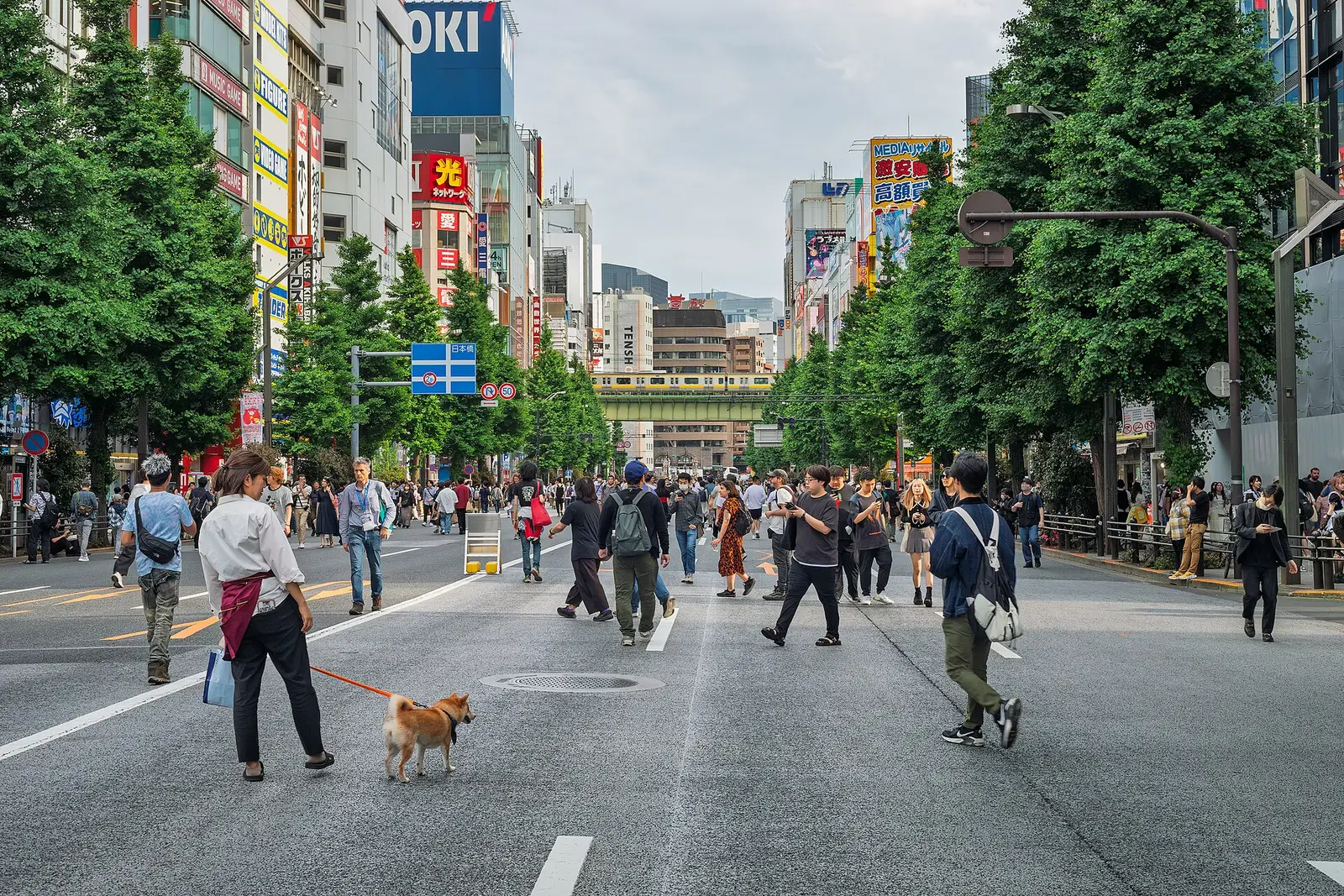
Chuo Dori, the main street of Akihabara, is the place to see the big electronics stores and, on Sundays, the car-free pedestrian zone. The district's maid cafes are in the same part of town. And for a quiet break, Kanda Myojin shrine is also in Sotokanda, and it takes about seven minutes to walk there from Akihabara Station.
More on Akihabara
 AKIHABARA3 min read
Chuo Dori: Akihabara's Main Street and Its Sunday Car-Free Hours
The main street of Electric Town, and the Sunday hours when cars disappear and you can walk down the middle.
 AKIHABARA3 min read
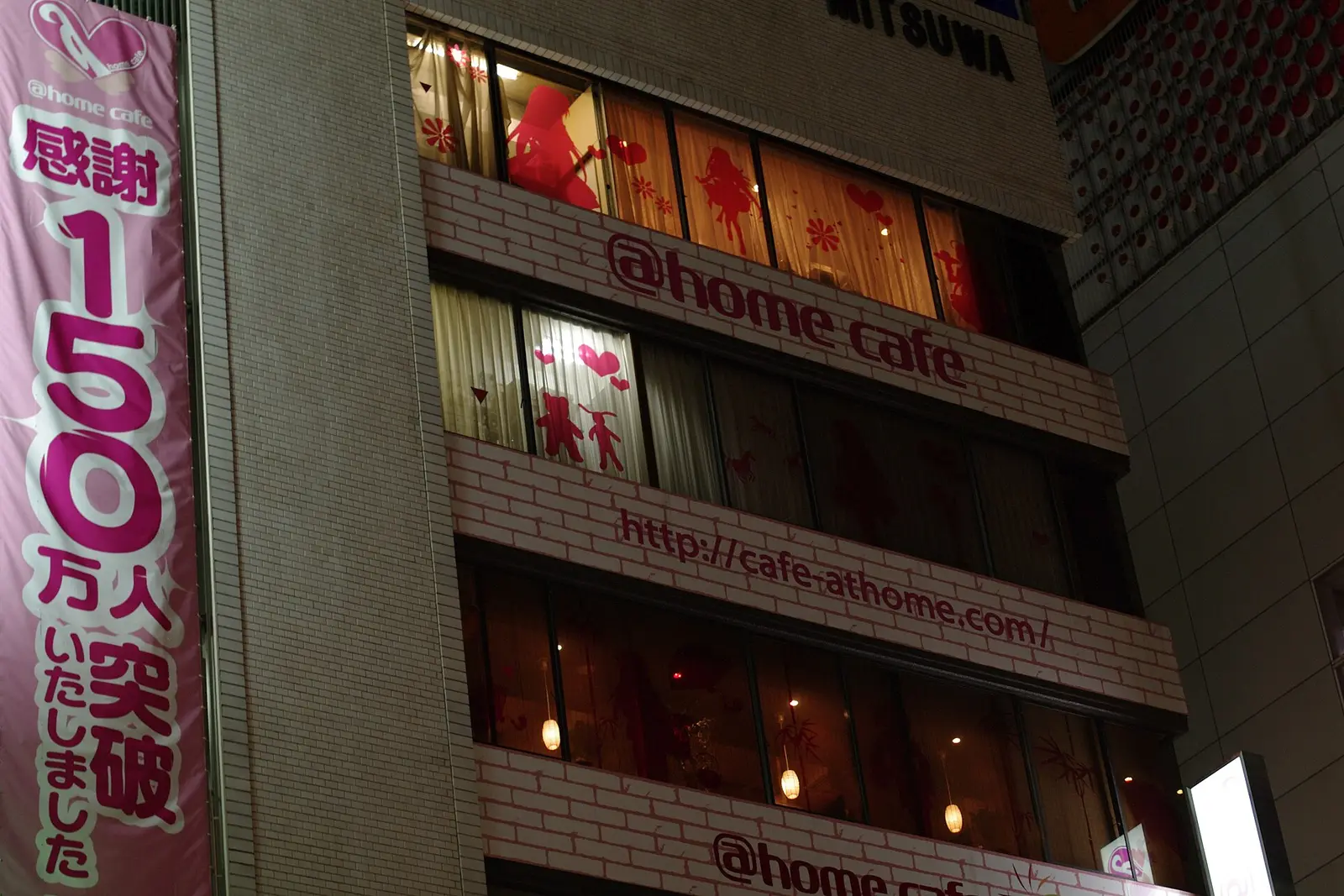
Maid Cafes in Akihabara: What to Expect on Your First Visit
What a maid cafe is, how the entry fee works, and the simple rules for a first visit.
 AKIHABARA3 min read
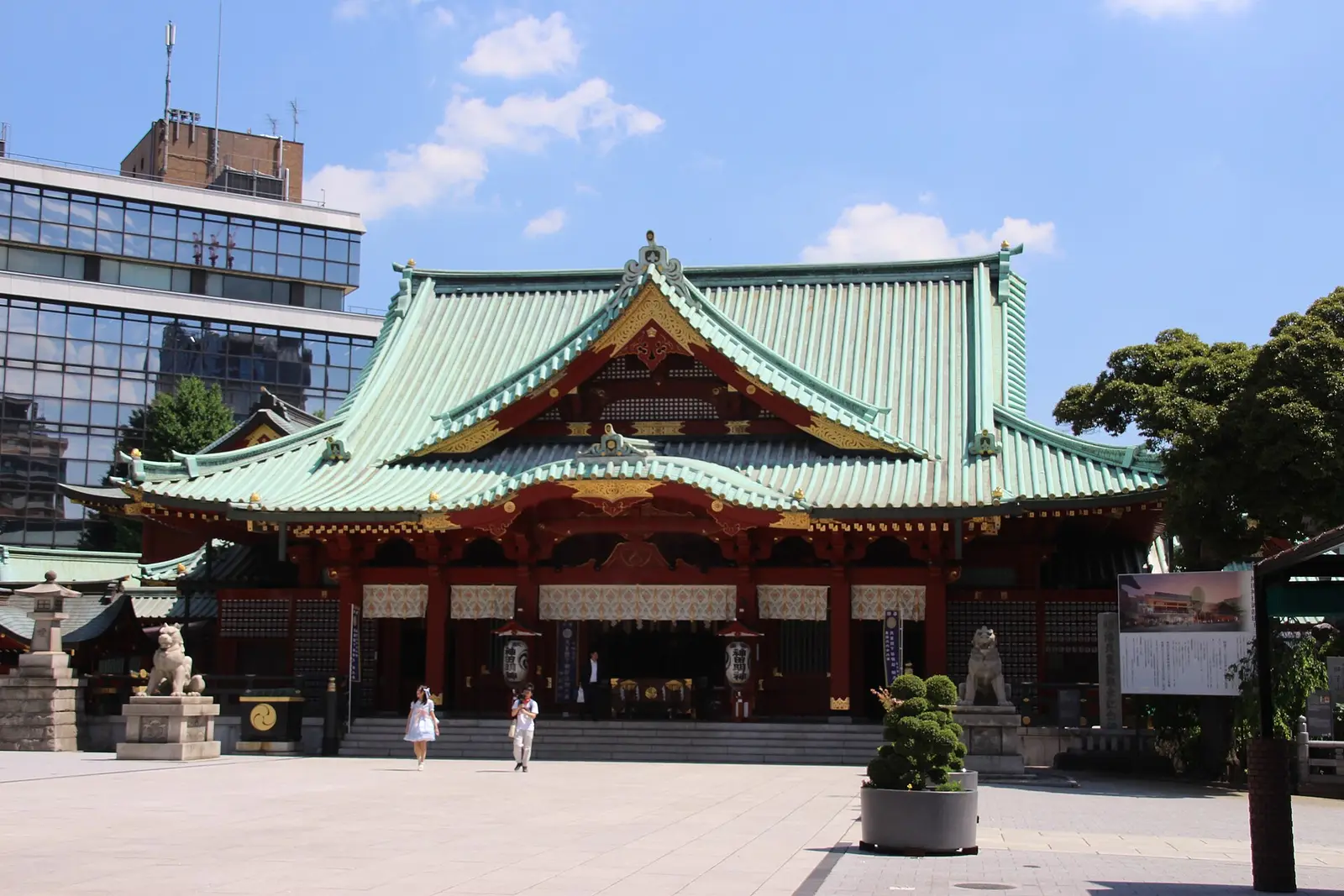
Kanda Myojin: The Shrine Next to Electric Town
A vermilion shrine that has watched over Edo and Tokyo for centuries, a short walk from the game shops.