Destinations › Tokyo › Akihabara
Maid Cafes in Akihabara: What to Expect on Your First Visit
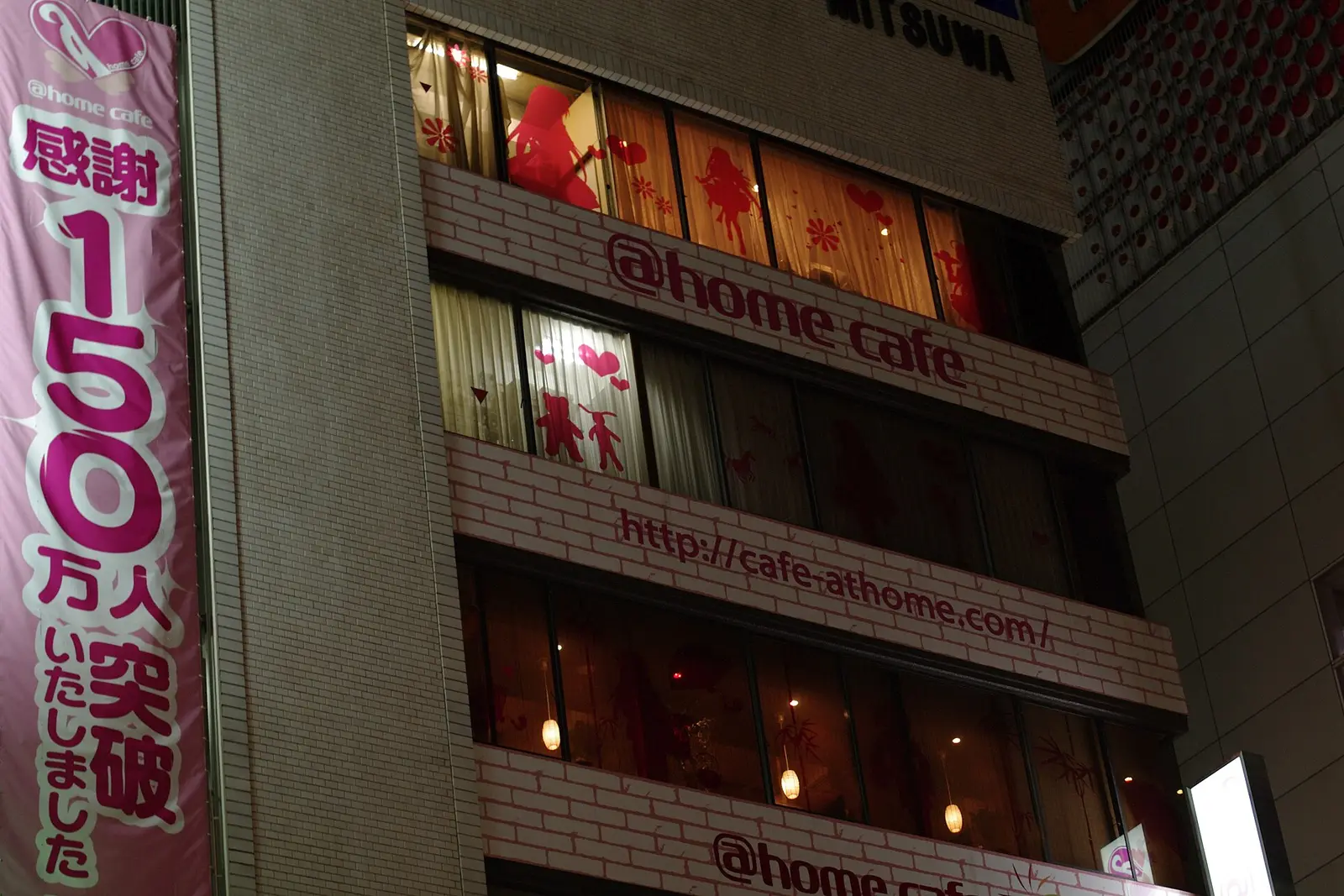
You walk in, and a waitress in a maid outfit says "Welcome home!" That is the idea behind a maid cafe, and Akihabara is where you will find many of them. It is part restaurant, part stage show, and easier than it looks.
What a maid cafe is
A maid cafe is a themed restaurant. The waitresses dress as maids and treat each guest as the master or mistress of a house. They greet you with "Okaerinasaimase, goshujin-sama" (or "ojo-sama" for women), which means "welcome home, master" or "mistress." They talk with you, play games and use very polite language.
The local shopkeepers' association says these cafes began to appear when Akihabara changed in the late 1990s. Computer fans who already shopped here started to buy games, anime and figures. The shops changed to match, and many maid cafes opened. They are popular with both men and women.
How it works at Maidreamin
Maidreamin is a chain whose first shop opened in Akihabara in April 2008. It now has several shops in the district. We use its official rules here because they are written down clearly. Other cafes, such as @Home Cafe, run in a similar way, but their prices and rules can be different, so check before you go.
The cafe plays with the idea of a country. You "enter" when you arrive, and first-time guests get a "passport." When you leave, you "depart."
The cost is simple. You pay an entry fee for each hour, plus your food and drink. For adults, it is 880 yen an hour. Guests aged 60 and over pay 440 yen, university students 660 yen, high school students 550 yen and elementary school children 330 yen. Younger children are free. Students need to show a student ID. You do not have to stay the full hour. If you stay longer, you pay the same entry fee again. After 10 pm, a last-entry set costs 2,600 yen with one drink.
What happens when you order
Each dish comes with a spell. The maid asks you to join in a little chant, "moe moe kyun," to make the food taste better. The classic omelet rice is decorated with a drawing on top while you watch. If you are shy, the cafe says you are welcome to just watch.
At Maidreamin, every shop has a stage, and the maids put on a show every day, at no fixed time. If you get lucky, you will be there for one.
In the evening, the cafe also works as a bar, with beer, highballs and other drinks. From 8 pm, it switches to a bar menu. An all-you-can-drink hour costs 3,900 yen.
The simple rules
Be polite, and the rest is easy.
You may take photos of your food and the room, but not of the maids, kitchen staff or other guests. You can pay for an instant photo with a maid, called a cheki. Do not touch the maids. Do not hand them presents. A maid will not sit with you or pour your drink, and no one maid is assigned to your table. You are asked to stay in your seat. All seats are non-smoking.
Good to know
Maidreamin takes walk-ins and welcomes solo visitors, couples and families. It also welcomes overseas guests in English. Children in elementary school get a free ice cream. If you want to be sure of a table, the Maidreamin website has a booking page. Each shop has its own opening hours, so check the shop you plan to visit. Some other cafes, such as @Home Cafe, also have maids who speak English.
Nearby
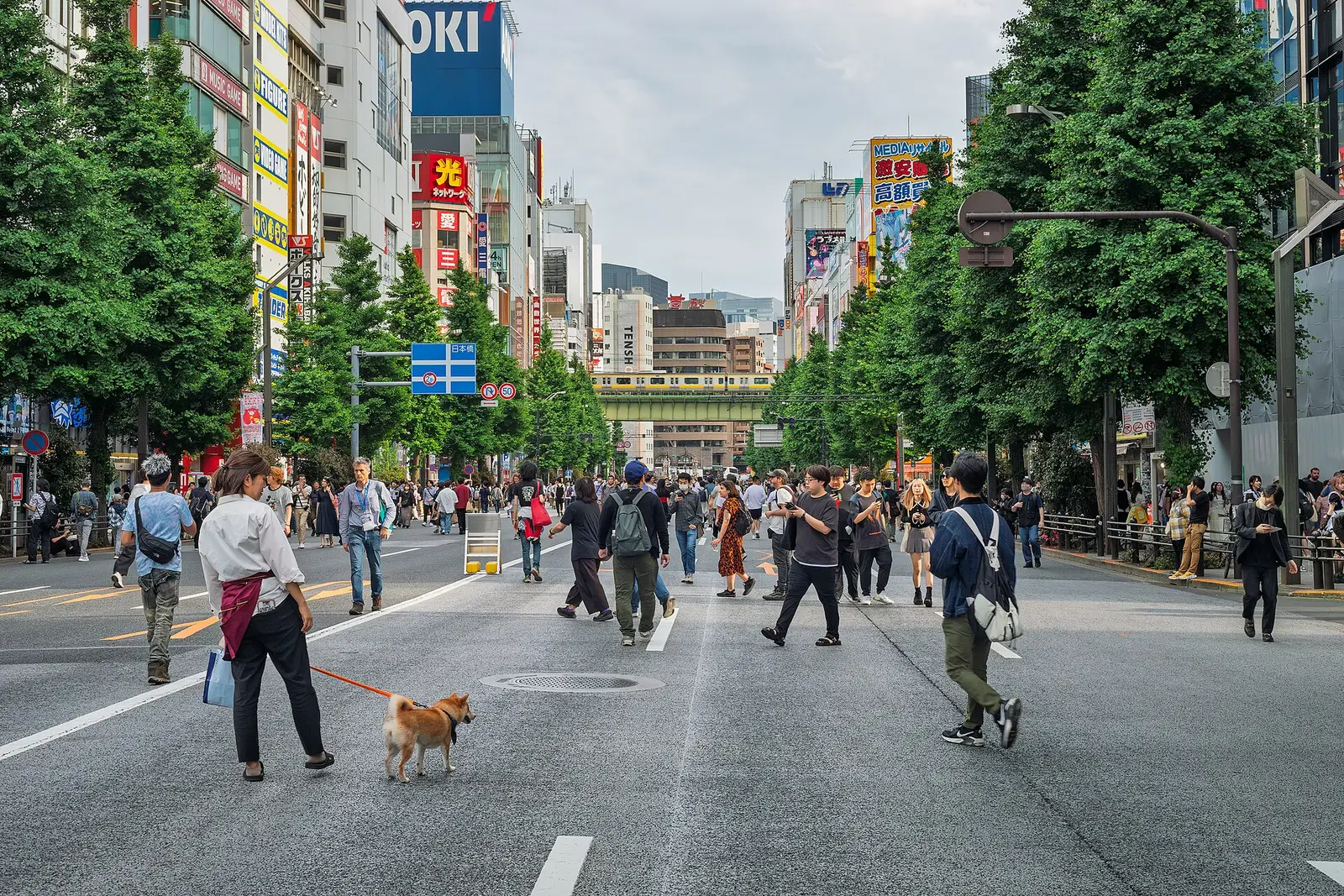
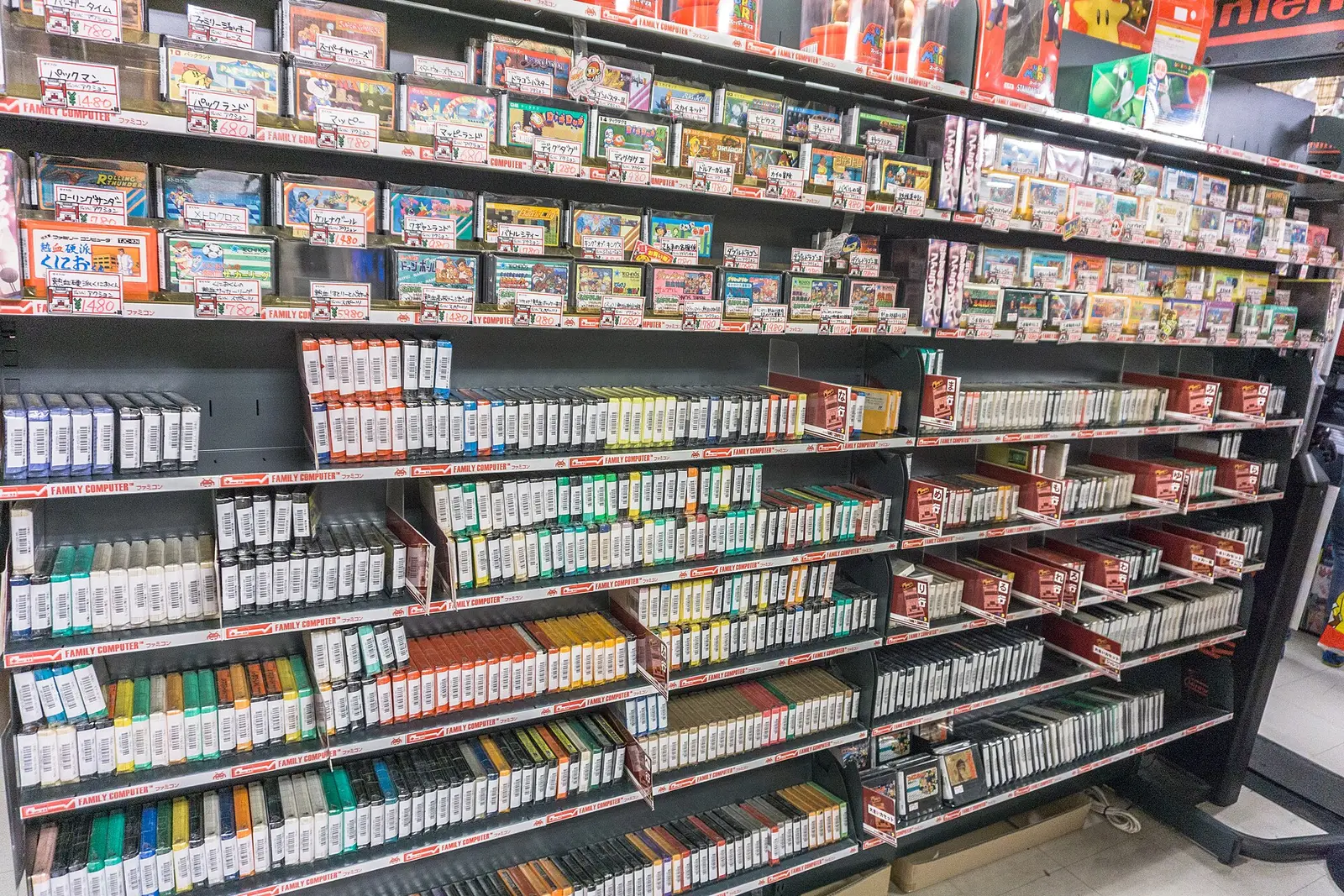
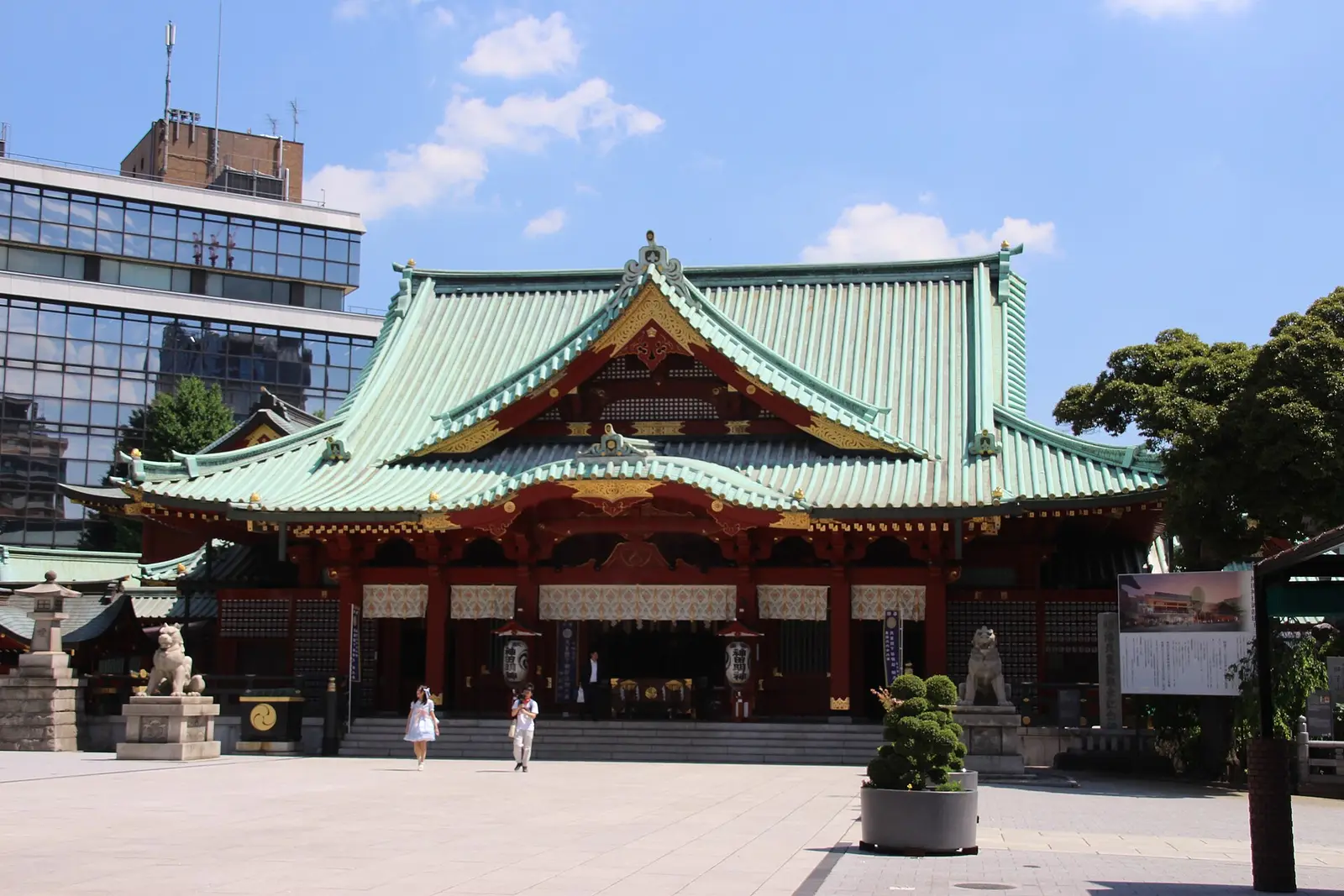
Chuo Dori, the main street, is a short walk away, and it is a good place to see the Electric Town signs. If you like the retro side of Akihabara, visit Super Potato. For something calm, walk to Kanda Myojin shrine.
More on Akihabara
 AKIHABARA3 min read
Chuo Dori: Akihabara's Main Street and Its Sunday Car-Free Hours
The main street of Electric Town, and the Sunday hours when cars disappear and you can walk down the middle.
 AKIHABARA3 min read
Retro Game Shops in Akihabara: Super Potato and More
Shelves of old cartridges, a retro arcade on the top floor, and a few tips for buying games in Tokyo.
 AKIHABARA3 min read
Kanda Myojin: The Shrine Next to Electric Town
A vermilion shrine that has watched over Edo and Tokyo for centuries, a short walk from the game shops.