Destinations › Tokyo › Akihabara
mAAch ecute Kanda Manseibashi: Shops in a Lost Railway Station
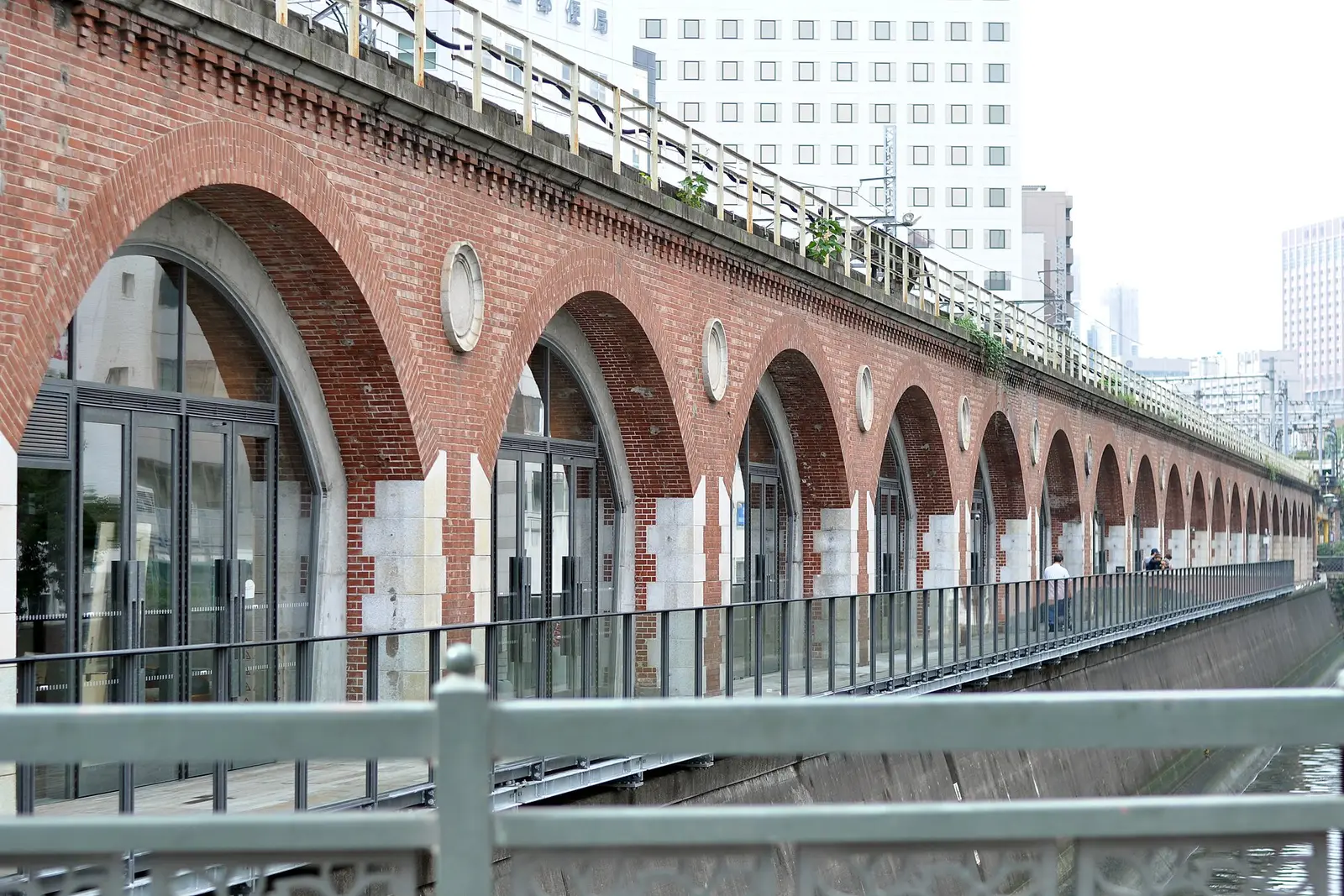
Walk a few minutes from Electric Town toward the Kanda River and you will find a long wall of red-brick arches. A railway station stood here more than a hundred years ago. Now the arches hold cafes, a craft beer bar and an old platform you can walk on.
A station that was lost
Manseibashi Station opened in 1912 on the Chuo Line, and it took its name from the Manseibashi bridge over the nearby Kanda River. It was a place where people changed to the city's trams, and the streets around it grew into a shopping district that was busy enough to be compared with Ginza.
Then the luck turned. In 1919, the Chuo Line was extended to Tokyo Station, and Manseibashi became just a stop along the way. The Great Kanto Earthquake, on September 1, 1923, burned down the first station building. A small one-story building replaced it in 1925, but a nearby intersection was moved, and the station front became a back street.
In 1936, a railway museum, later called the Museum of Transportation, took over the large station building, and the station was made much smaller. The station itself closed in 1943, during the war. The museum stayed for about 70 years. When it closed in 2006, it was moved to Saitama and reopened as the Railway Museum.
What remained was the viaduct, a red-brick structure finished in 1912, along with the old stairs and platform. The railway company reopened the space as a shopping area. It is called mAAch ecute, and it is one of the ecute shopping spaces in and around JR stations, run by JR East Cross Station.
What to see
Look for the two old staircases. The 1912 staircase was built when the station opened. The 1935 staircase was added for the museum's new building. Both were closed to the general public for many years.
The stairs lead up from the arches to the track level, much as passengers once climbed them. At the top is the old platform, which has been turned into a deck with a glass-walled lookout. Walking along it feels a little like walking through a real station. The Chuo Line trains pass close by on both sides. If you like trains, this is the part to see. There is also an open deck, which stays open half an hour later than the platform on weekdays and Saturdays.
Eating and drinking
The shops change over time. When we checked the official list, it included a craft beer bar called Hitachino Brewing Lab, an observation cafe and restaurant, a ginger-soy ramen shop, a bar for non-alcoholic and low-alcohol drinks, a shoe-shine and repair stand, and a small gallery with a diorama exhibit. Hours vary by shop, so look at the website if you have a plan.
When to go
On Sundays and holidays, everything closes at 8:30 pm, much earlier than on other days. If you are walking the car-free Chuo Dori on a Sunday afternoon, plan to finish here before the early evening. On other days, the platform stays open until 10 pm, which suits a drink after sightseeing.
Getting there
The nearest station is Kanda on the Ginza Line, a 2-minute walk from Exit 6. Shin-Ochanomizu (Chiyoda Line), Ogawamachi (Toei Shinjuku Line) and Awajicho (Marunouchi Line) are each 3 minutes away from Exit A3. JR Kanda and JR Ochanomizu are about 6 minutes away. From JR Akihabara Station, it takes about 4 minutes from the Electric Town Exit. The neighborhood nearby, Kanda Suda-cho, has long-established shops and some old wooden buildings, and several bridges over the river are within walking distance, so it is a pleasant area to wander before or after your visit.
Nearby
mAAch ecute stands at the Manseibashi end of Chuo Dori, Akihabara's main street, so it works well as the last stop on a Sunday walk along the car-free zone. Kanda Myojin shrine is a bit farther away, and the retro game shops and maid cafes are back toward the station.
More on Akihabara
 AKIHABARA3 min read
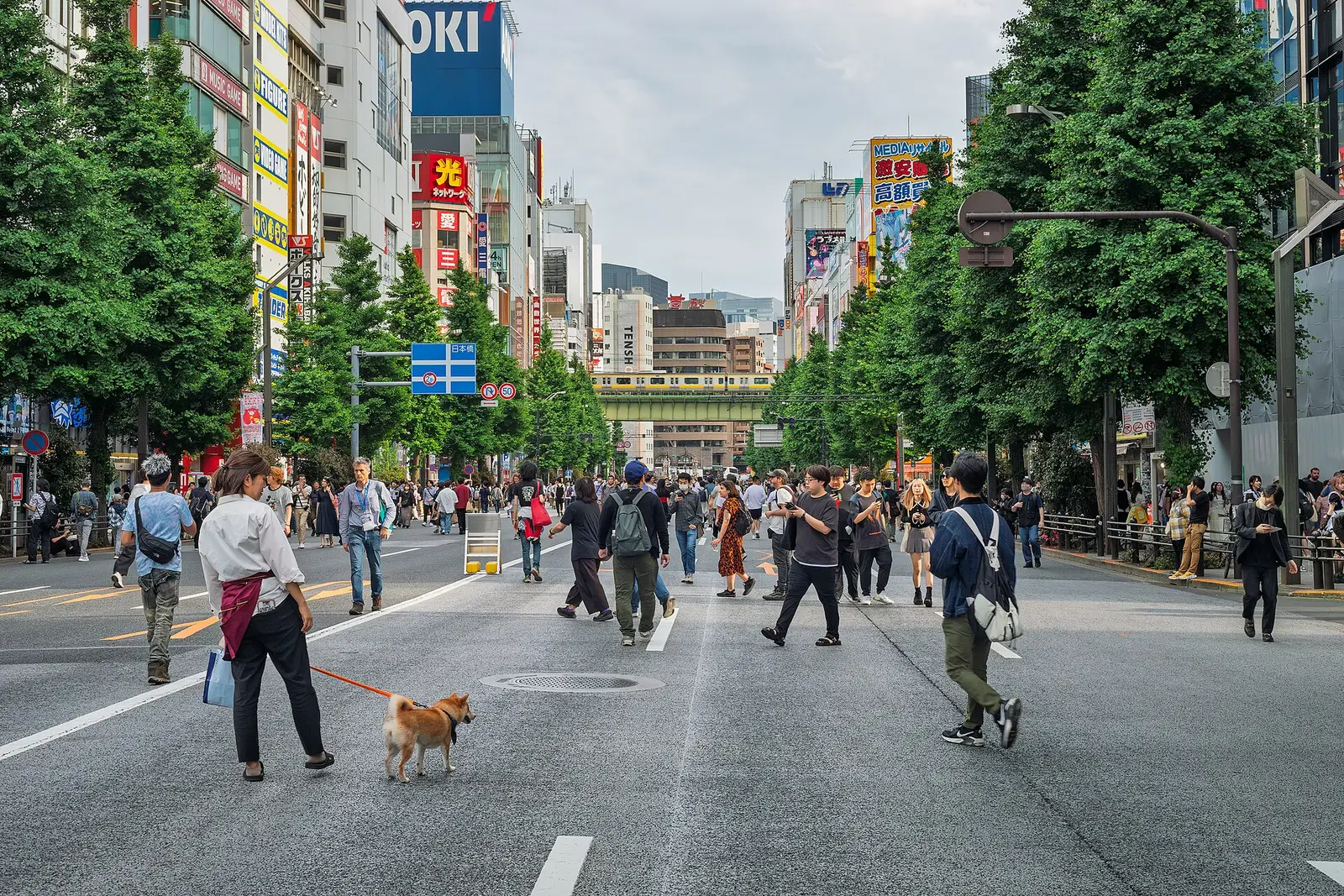
Chuo Dori: Akihabara's Main Street and Its Sunday Car-Free Hours
The main street of Electric Town, and the Sunday hours when cars disappear and you can walk down the middle.
 AKIHABARA3 min read
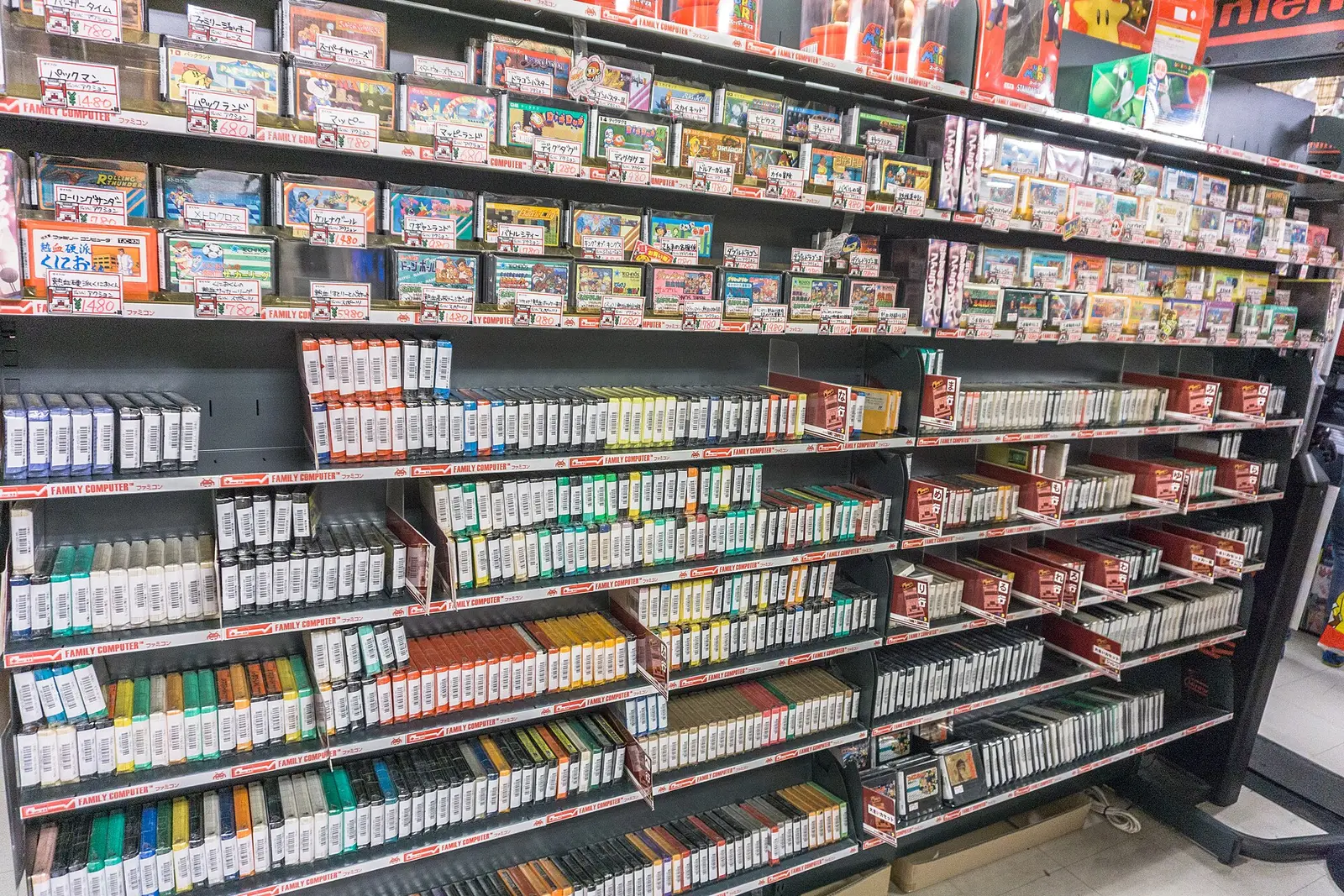
Retro Game Shops in Akihabara: Super Potato and More
Shelves of old cartridges, a retro arcade on the top floor, and a few tips for buying games in Tokyo.
 AKIHABARA3 min read
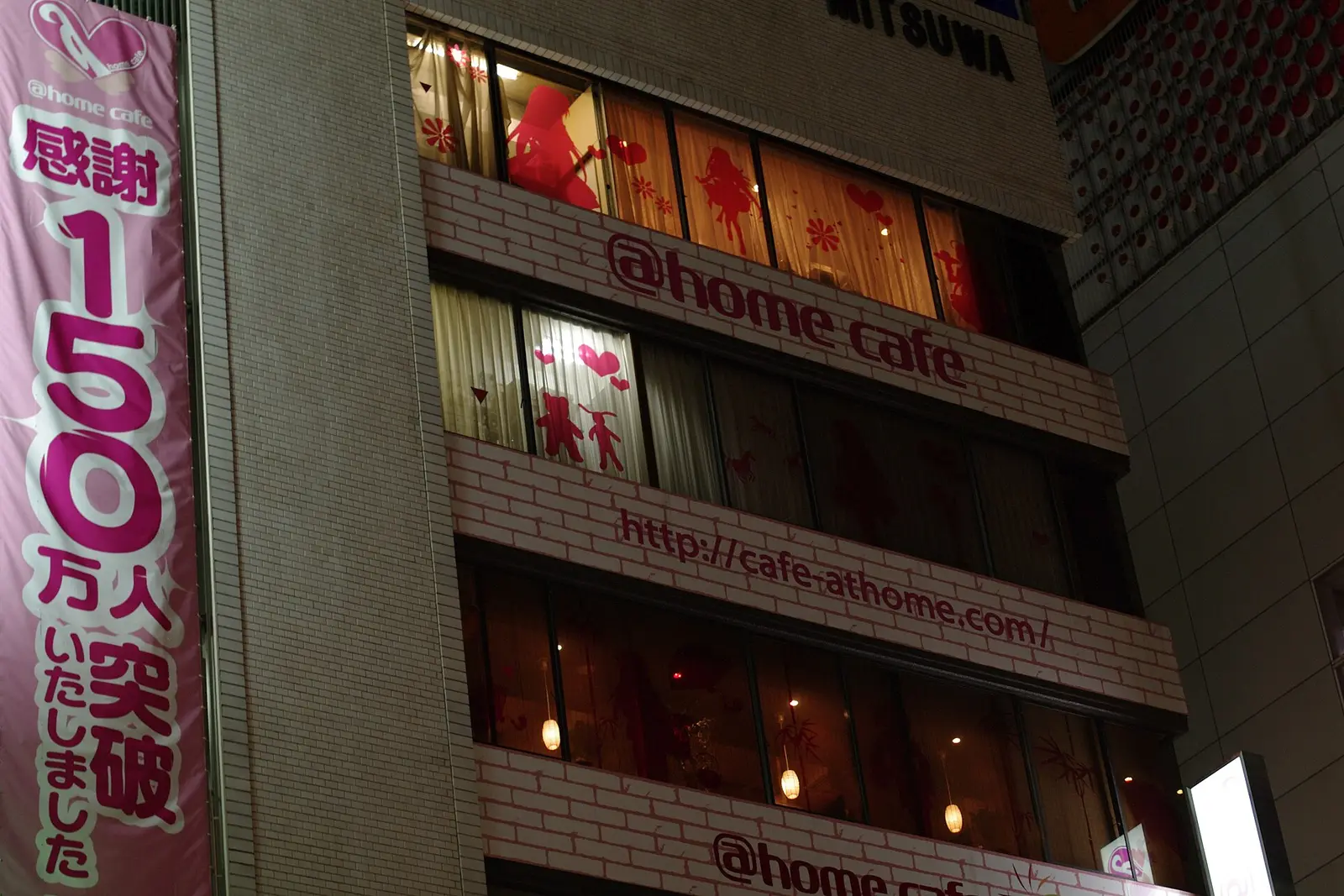
Maid Cafes in Akihabara: What to Expect on Your First Visit
What a maid cafe is, how the entry fee works, and the simple rules for a first visit.