Destinations › Tokyo › Asakusa
Asakusa Shrine and the Sanja Matsuri
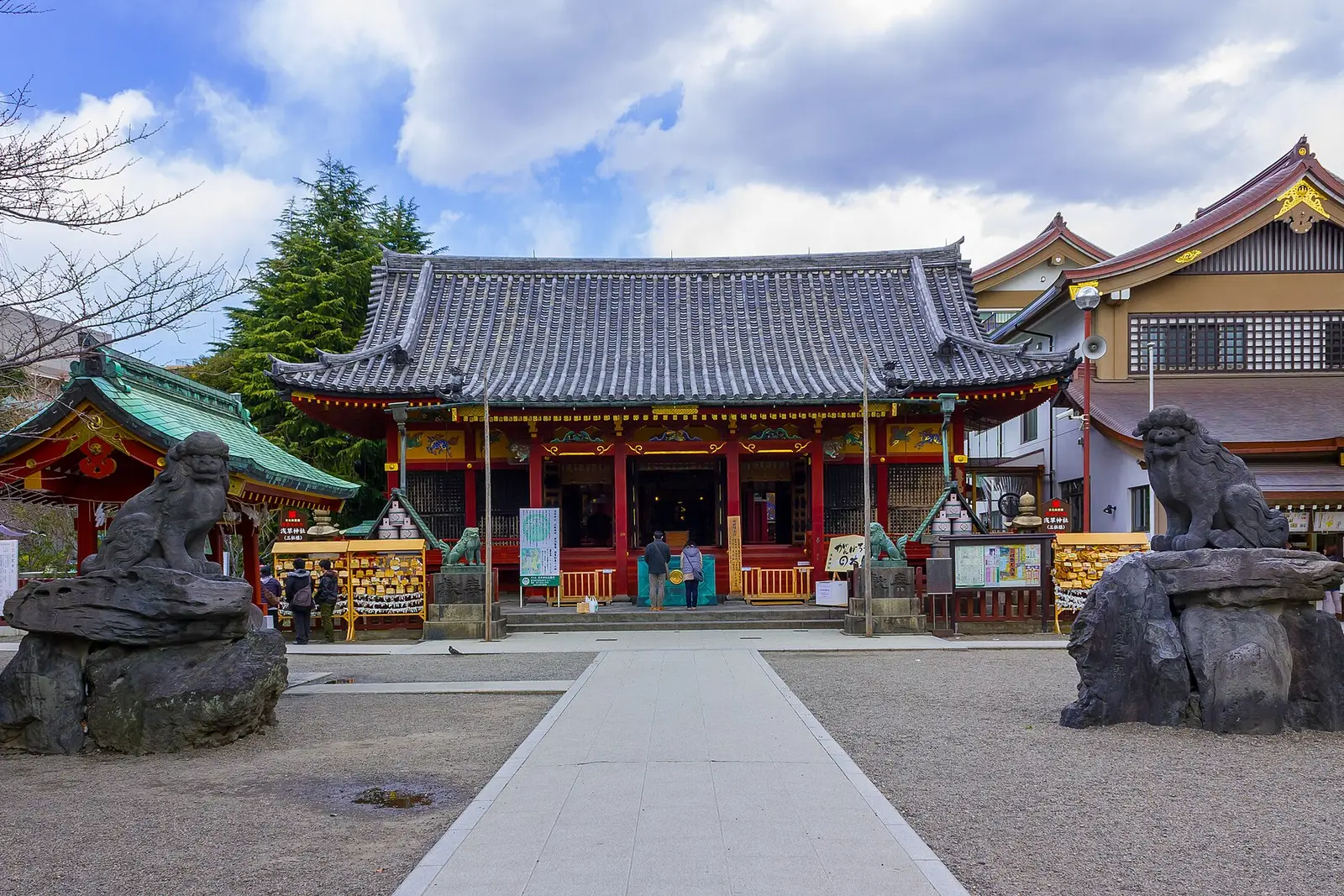
Next to the crowds at Senso-ji, there is a small Shinto shrine that most visitors walk past. It honors the three men said to have found the temple's statue, and every May it hosts one of Tokyo's biggest festivals.
Three men, one shrine
Senso-ji is a Buddhist temple. Asakusa Shrine is a Shinto shrine. It is dedicated to the three men in the temple's founding story: the brothers Hinokuma no Hamanari and Takenari, and Hajino Nakachi, who recognized the statue as Kannon. Locals call it Sanja-sama, "the three shrines," after them.
The shrine says its founding date is unknown. It was probably set up in the late Heian or early Kamakura period, and for centuries it was part of the temple. In 1868, after the Meiji government ordered Shinto and Buddhism to be separated, it was renamed Sanja Myojin Shrine. In 1873 it was given its present name, Asakusa Shrine.
A building from 1649
The shrine is easy to miss, but the building is one of the oldest in the area. The shogun Tokugawa Iemitsu paid for it in 1649. It survived the fires that destroyed so much of Asakusa, and in 1951 it was named an Important Cultural Property.
It is built in the gongen style. The main hall, an offering hall and a worship hall are joined by a covered passage, the same layout as the famous Toshogu shrine in Nikko. The paint and lacquer were redone in 1996, a job that cost 350 million yen.
Look for the pair of guardian dogs. They are said to date from the early Edo period, and to bring good marriages and harmony between couples. The shrine's torii gate was put up in 1885.
The Sanja Matsuri
The festival is the reason many people know this shrine. It is held over three days, from Friday to Sunday, in mid-May, with Saturday as the third Saturday of the month. The shrine says about 1.8 million people come over the three days.
The festival is run by 44 neighborhoods that belong to the shrine. The day-by-day program goes like this:
- Friday: A large procession opens the festival. It includes musicians, dancers and geisha. The binzasara dance is offered at the shrine.
- Saturday: About 100 portable shrines from the neighborhoods gather at the shrine, are blessed one by one, and then are carried back through their own streets.
- Sunday: At dawn, the three main portable shrines are carried out of the grounds. They travel through the neighborhoods in three directions and come back to the shrine after sunset.
Each of the three main portable shrines is named for one of the three men. The first two were given by the neighborhoods in 1950, and the third in 1953. Before the war there were seven, but all of them were burned in the air raids.
The festival traces its beginning to 1312, when portable shrines were carried across the Sumida River by boat. In the Edo period the festival was held together with the temple and was called the Kannon Festival. The boat ride on the river lasted until the end of that period, and in the Meiji era it ended. From 1872 the festival took the form of the portable shrine parades you see today. Today it is a lively, crowded weekend, and the area around the shrine is very full.
Visiting on an ordinary day
The rest of the year, the shrine is calm. You can walk around in about 15 minutes. The grounds are open all day, but the shrine office keeps shorter hours. Prayers and goshuin stamps are handled there.
Because the shrine is separate from the temple, vehicles are not allowed through Senso-ji's grounds to reach it. The only vehicle entrance is from Umamichi-dori.
Nearby
The shrine stands next to the main hall of Senso-ji, so it is the easiest place to add to your visit. From here, Hoppy Street is a short walk to the west, and the Kaminarimon gate is the other way, down Nakamise-dori.
See it with a local guide: Asakusa history and lunch
See the planMore on Asakusa
 ASAKUSA3 min read
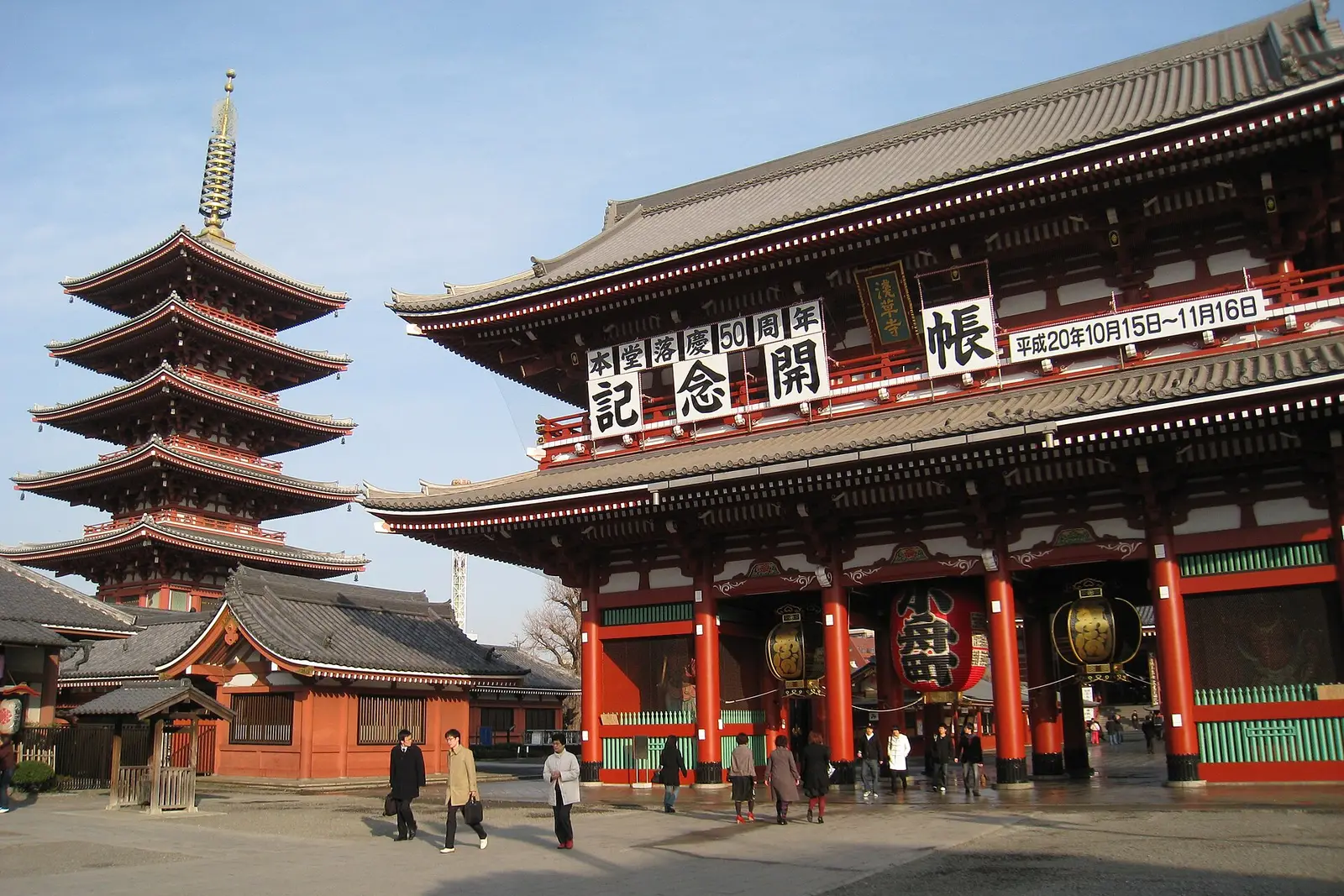
Senso-ji: The Temple at the Heart of Asakusa
The temple behind Asakusa, with a legend from the year 628, a rebuilt main hall and a gate with giant sandals.
 ASAKUSA3 min read
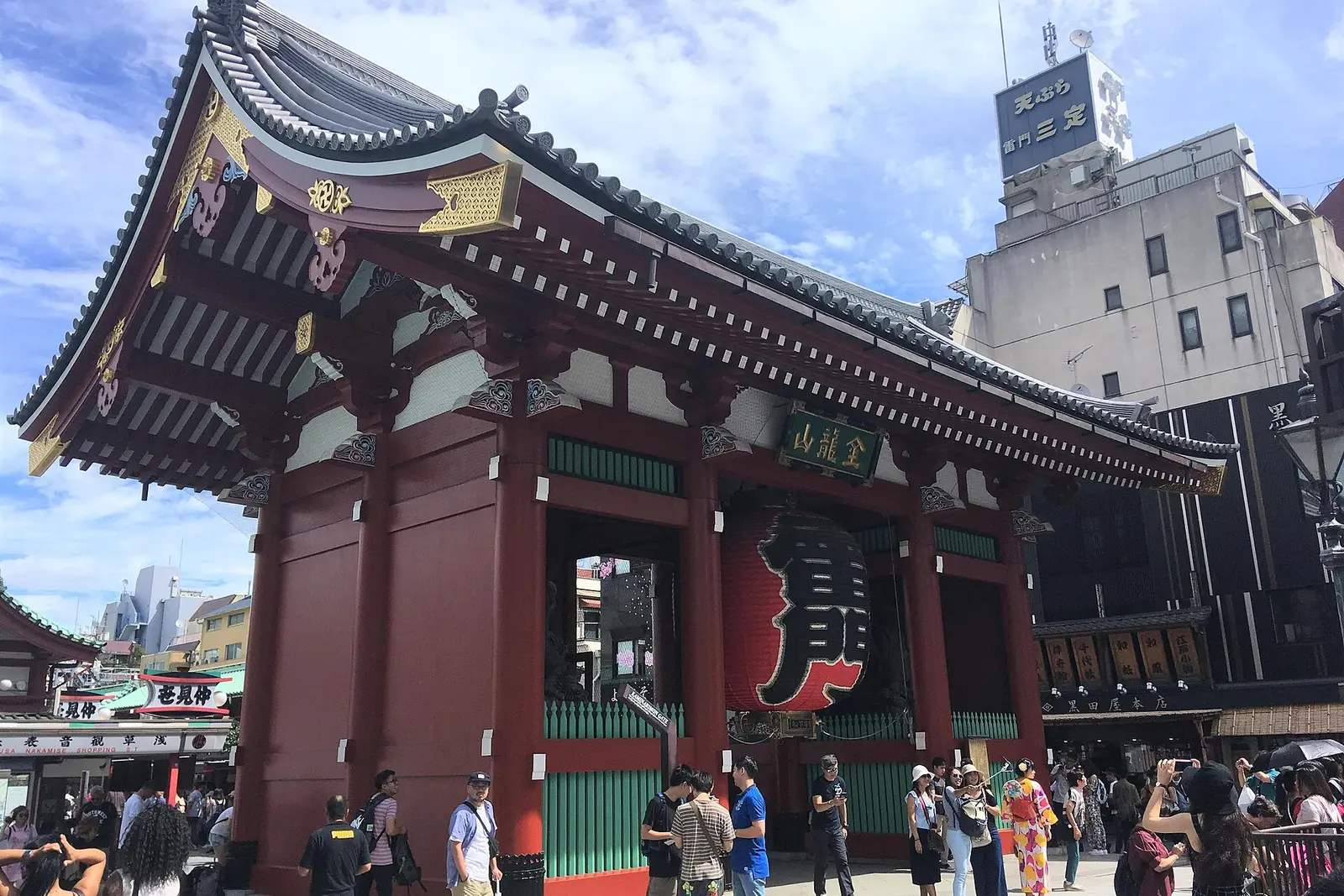
Kaminarimon: The Thunder Gate of Asakusa
The red gate and giant lantern at the start of the road to Senso-ji, and the 95 years it was gone.
 ASAKUSA3 min read
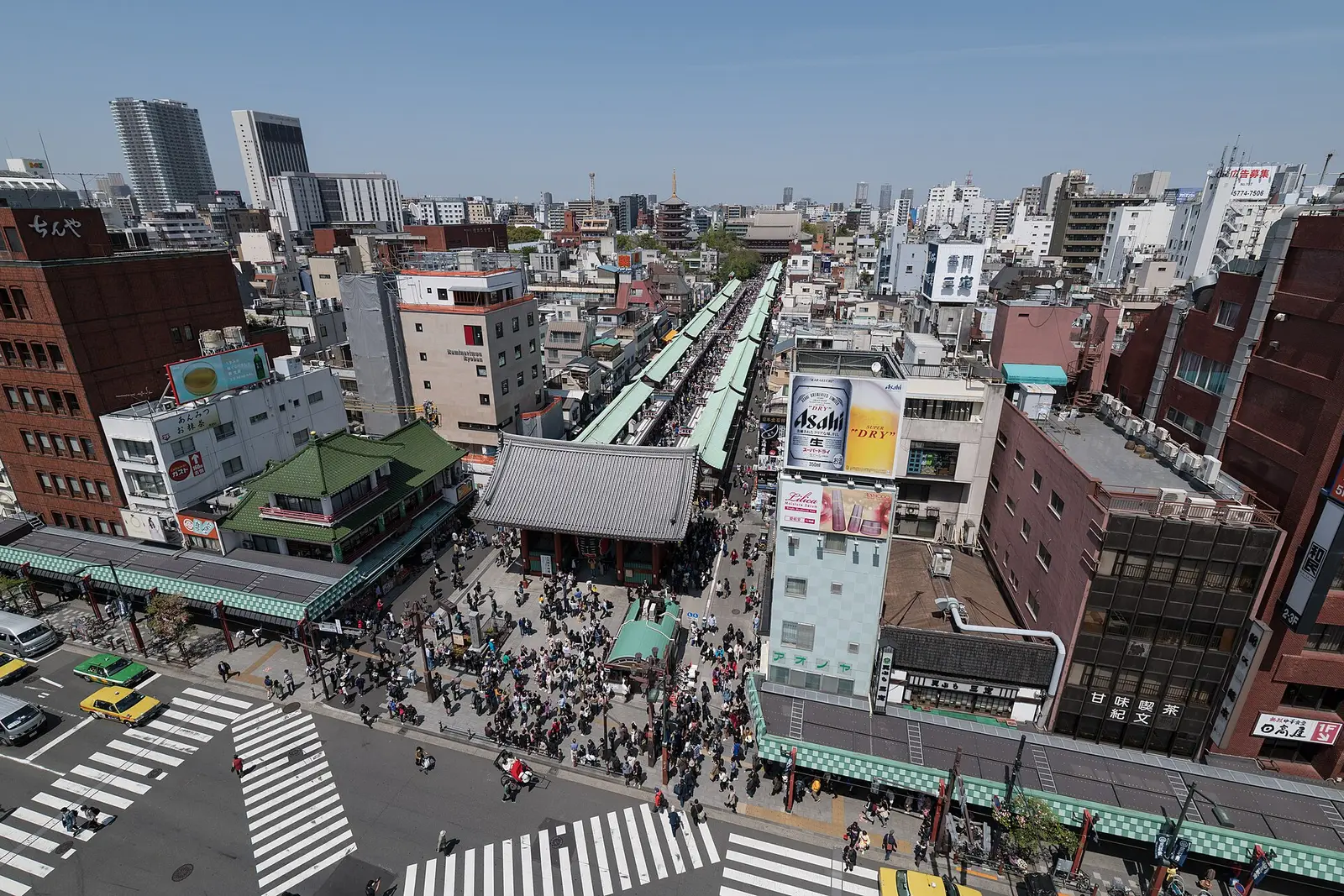
Nakamise-dori: The Shopping Street to Senso-ji
A 250-meter shopping street with a history that goes back to 1685, and painted shutters you only see after closing time.