Destinations › Tokyo › Asakusa
Hoppy Street: Asakusa's Lane of Stew and Cheap Drinks
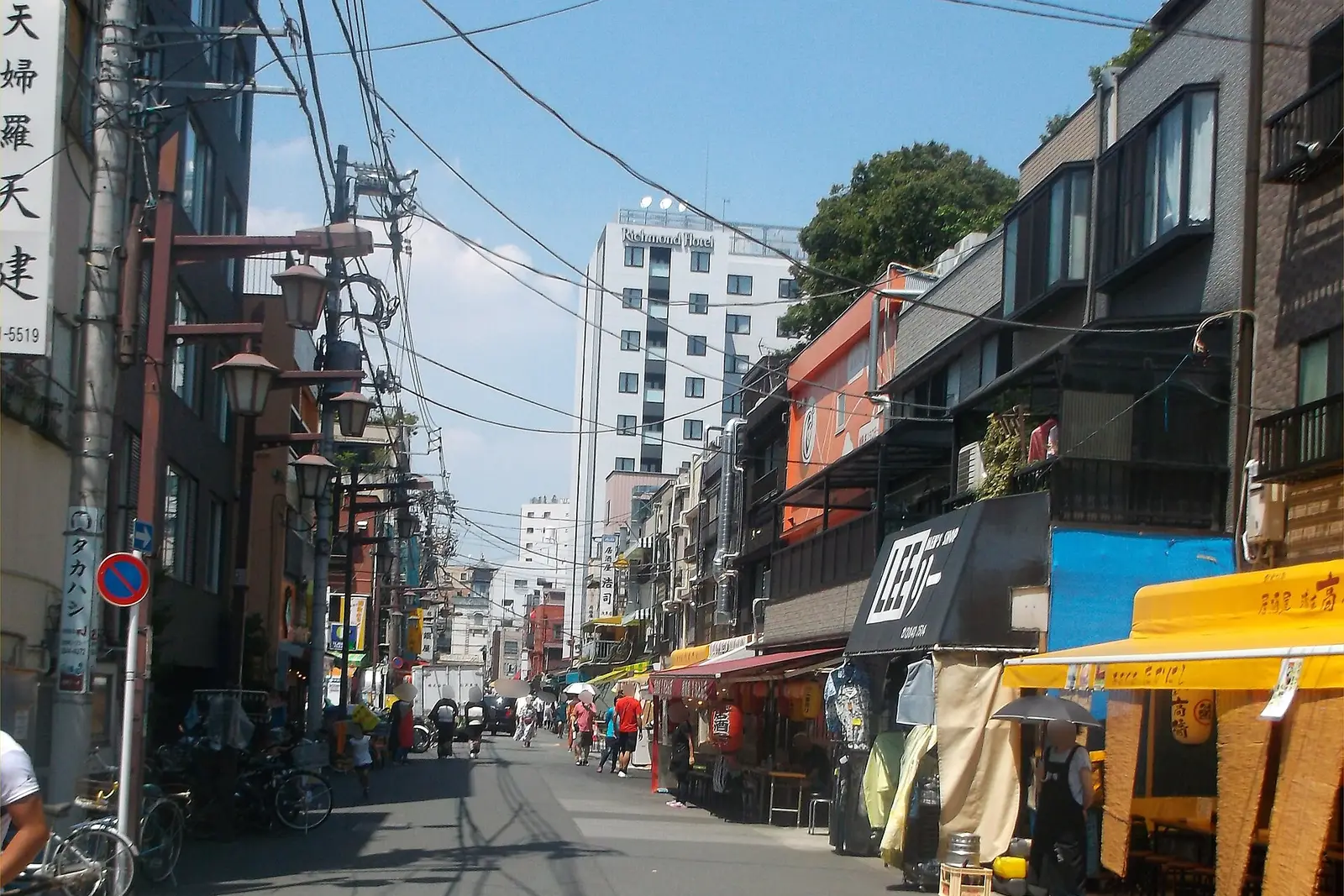
A few minutes from the temple crowds, there is a short lane of small taverns with tables out on the street. This is Hoppy Street, named after a drink that tastes like beer but is not quite beer.
What Hoppy is
Hoppy is a drink made by a Tokyo company, first sold in July 1948. The company's own description of it is a "beer-taste soft drink," made with real hops. On its own it has an alcohol content of about 0.8 percent, which is very low. It was launched in the years after the war, when goods were scarce, as a "non-beer" alternative to the real thing. Because it was cheap, it was popular with people who could not afford beer.
Today, people usually mix it with shochu, a clear Japanese spirit. The company recommends chilling the Hoppy, the shochu and the mug, and not adding ice. With 25 percent shochu, a mug filled to the first star mark on the glass comes to about 5 percent alcohol, and to about 7 percent at the second star.
The maker says Hoppy is brewed with Canadian two-row barley and German hops, with water from the Chichibu mountains. The company also sells a darker version called Black Hoppy, and a half-and-half mix of the two is one of the recipes on its own site. Both are sold in bottles.
The street
Hoppy Street, in Japanese Hoppy-dori, is a narrow lane about 80 meters long. It runs along the west edge of the Senso-ji complex, behind the Dempoin garden. Most of the places along it are izakaya, which are casual Japanese pubs, and they are open to the street, with seating outside. The drinking starts early here, and the lane is busy from the afternoon on. The crowd has changed over the years. Older regulars still sit here, but young locals, travelers and even families now come as well.
The street is also called Nikomi-dori, or "Stew Street." Nikomi is a stew, usually of beef tendon, cooked slowly until it is soft. Each tavern makes its own, so some are sweeter, some are spicier, and some come topped with tofu.
What to order
The local drink is Hoppy mixed with shochu, and the dish to order is nikomi. Many places also serve yakitori, grilled fish and other small dishes. A few of the shops have been here for a long time. The old stew shop Shochan has been open since 1951, and Tanuki has been serving for more than 40 years.
Try a bowl at two or three different places and compare. Several taverns here have English menus, which helps if you are unsure what to order.
Hours and manners
Opening hours are different at every tavern. Some open at 9 am on weekends, and others not until 3 pm on weekdays. Many also close one or two days a week, and the closing day is different at each. Check before you walk over, especially on Mondays, Tuesdays and Wednesdays. Last orders come before closing time, so do not arrive at the last minute.
Prices vary by shop, so look at the menu before you sit down. The street is short, so if one place is full, the next one is only a few steps away.
Getting there
The closest station is Asakusa on the Tsukuba Express, about two minutes' walk from Exit A1. It is about five minutes from the main Asakusa Station, and about eight minutes from Tawaramachi Station on the Ginza Line. The lane runs along the west edge of the temple area.
Nearby
Hoppy Street is a short walk from Senso-ji and Asakusa Shrine, so it is an easy place to end a day of sightseeing. Kappabashi Dogu Street is to the west if you want to see a very different Asakusa the next morning.
See it with a local guide: Asakusa history and lunch
See the planMore on Asakusa
 ASAKUSA3 min read
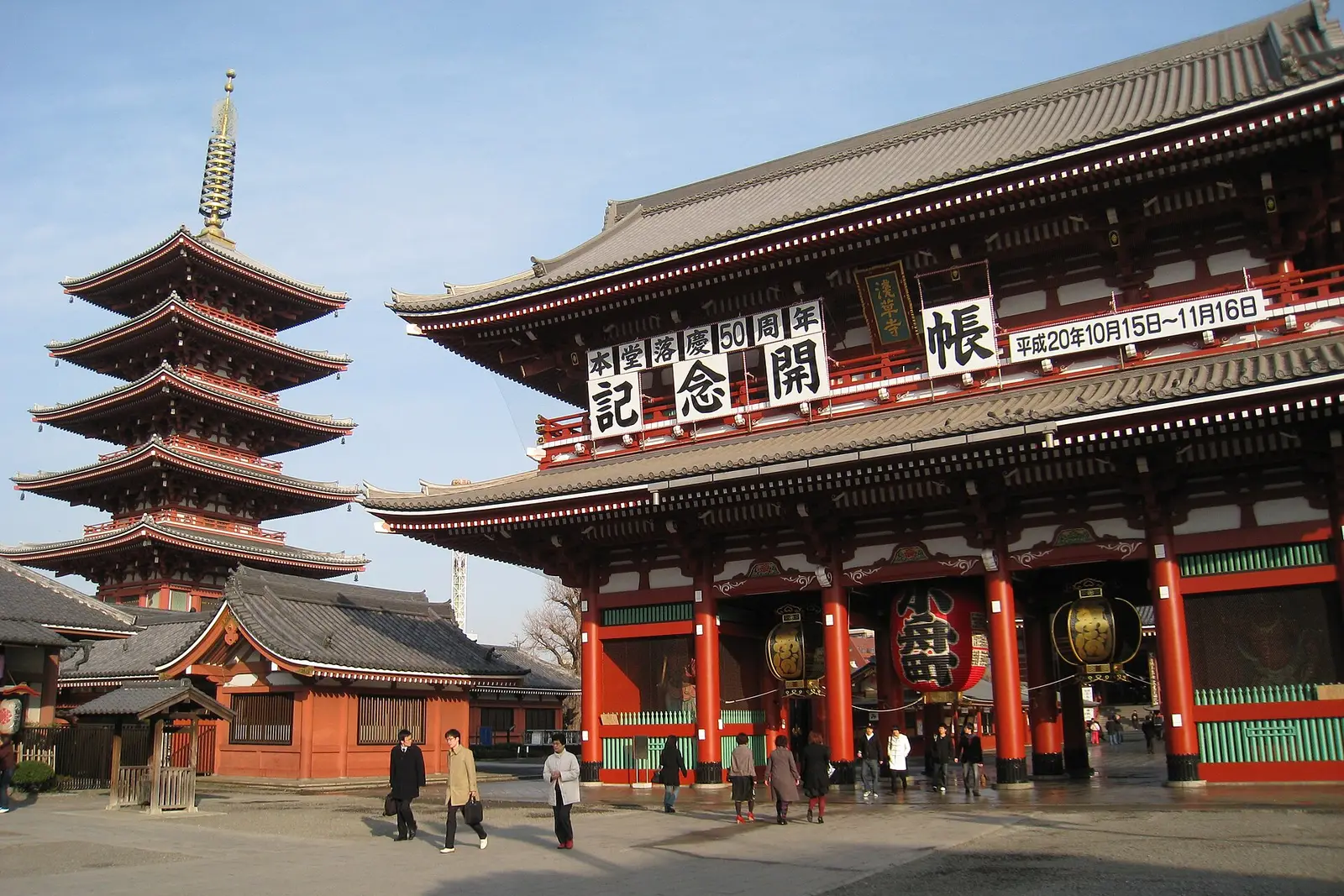
Senso-ji: The Temple at the Heart of Asakusa
The temple behind Asakusa, with a legend from the year 628, a rebuilt main hall and a gate with giant sandals.
 ASAKUSA3 min read
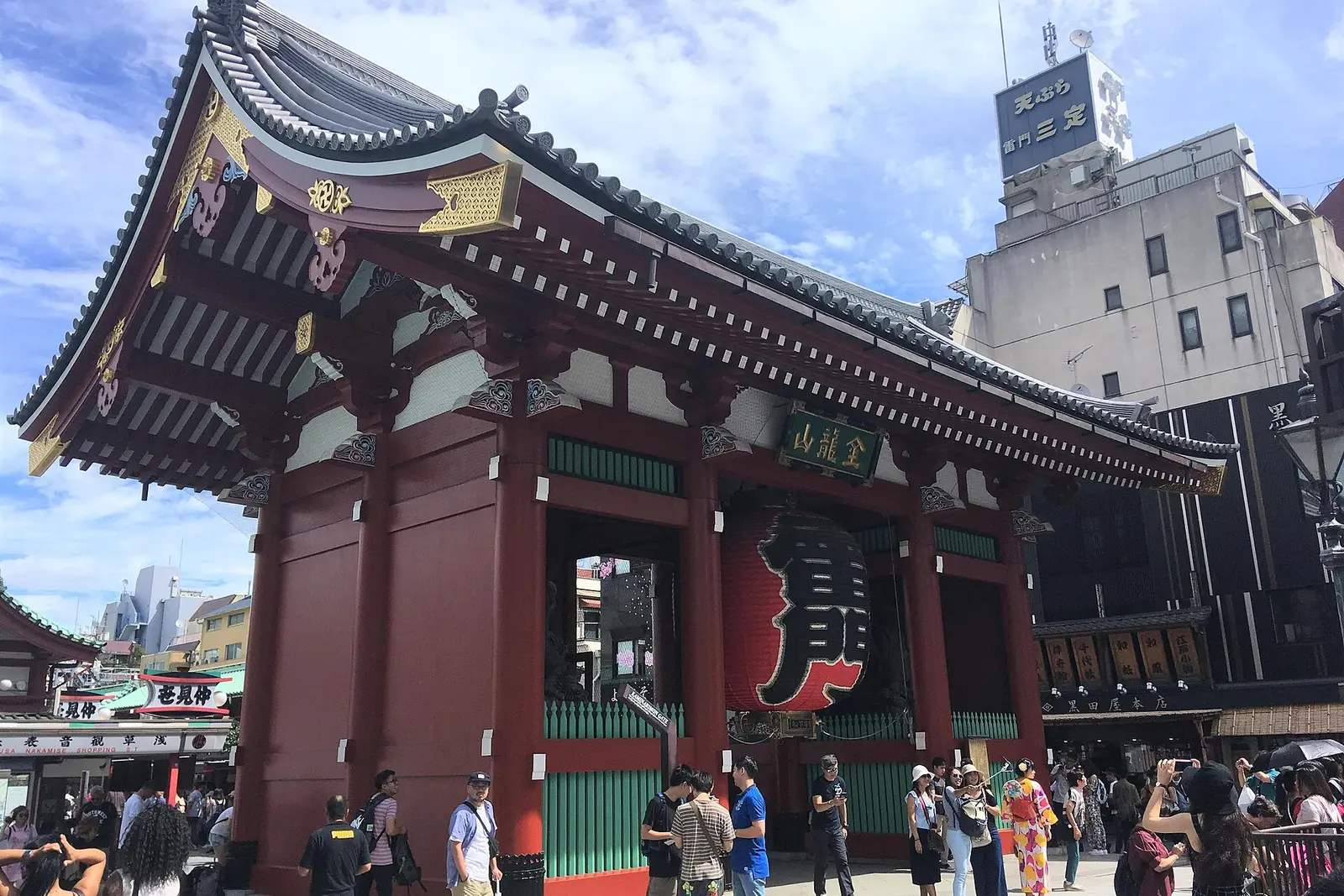
Kaminarimon: The Thunder Gate of Asakusa
The red gate and giant lantern at the start of the road to Senso-ji, and the 95 years it was gone.
 ASAKUSA3 min read
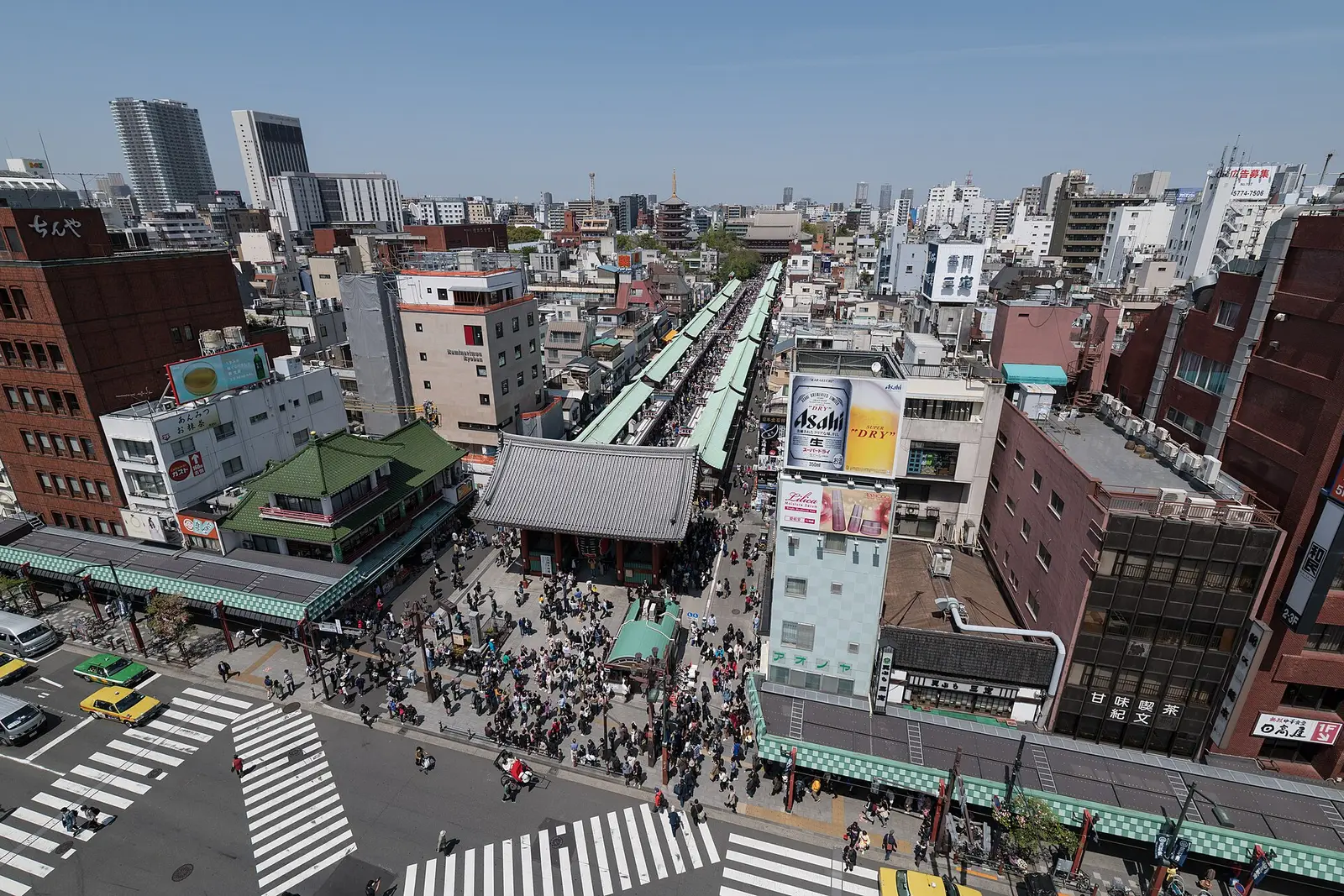
Nakamise-dori: The Shopping Street to Senso-ji
A 250-meter shopping street with a history that goes back to 1685, and painted shutters you only see after closing time.