Destinations › Tokyo › Ginza
Chuo-dori: Ginza's Weekend Pedestrian Street
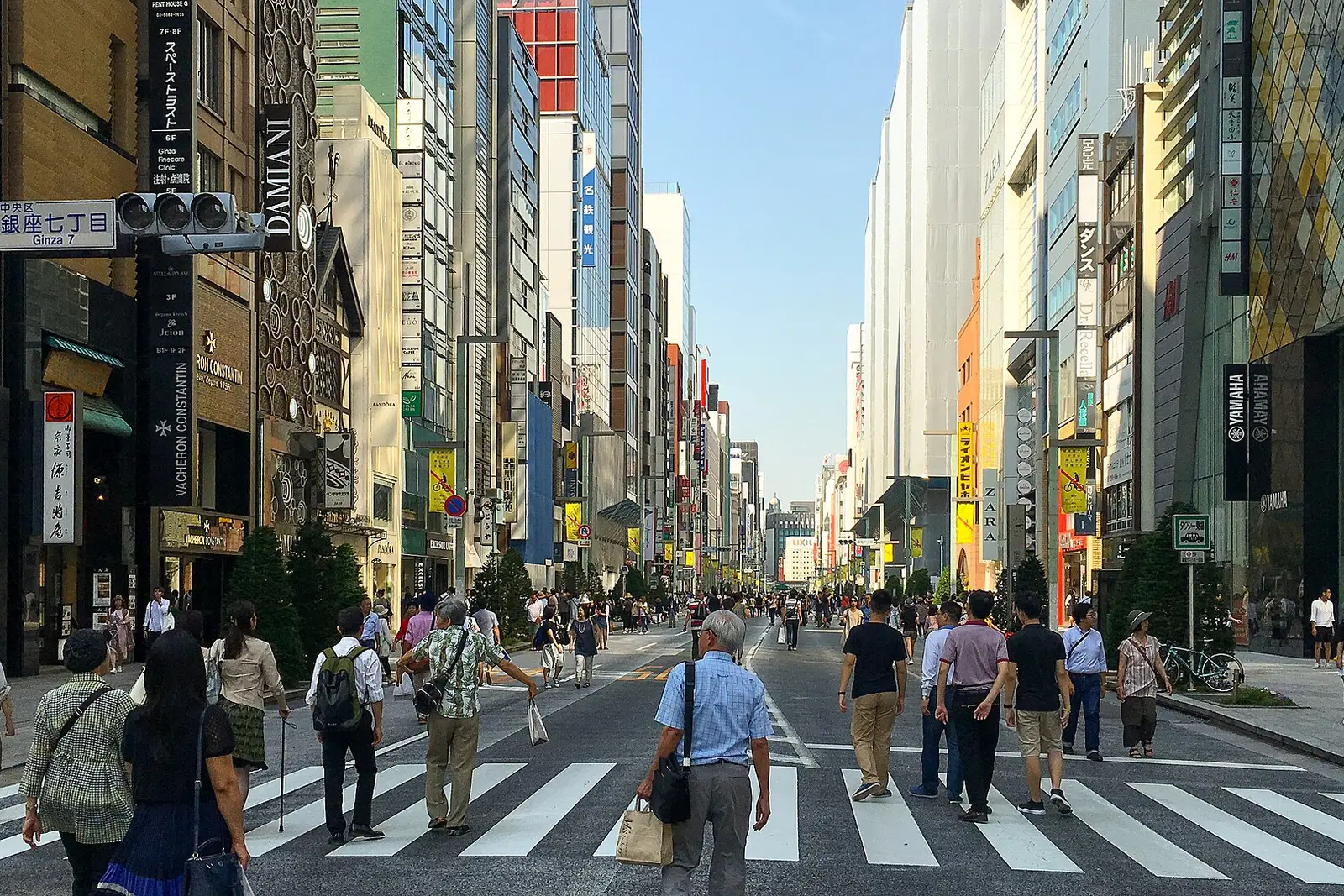
On most days, Chuo-dori is a busy road full of taxis. On weekend afternoons, the cars disappear and Ginza's main street belongs to people on foot. It has been that way for more than 50 years.
A main street that closes to cars
Ginza is Tokyo's best-known shopping district, and Chuo-dori is its main street. On a normal weekday, it is a road with taxis, delivery trucks and wide sidewalks. On weekends and public holidays, it changes. Cars are kept out of the road from 1-chome to 8-chome, and people walk down the middle. The Japanese name is hokosha tengoku, which means "pedestrian paradise."
The hours depend on the season. From April to September, the road is closed from noon to 6 pm. From October to March, it is closed from noon to 5 pm. The police decide whether it goes ahead, so bad weather and the New Year break can cancel it.
The first Pedestrian Paradise in Ginza was held on Sunday, August 2, 1970. According to the city of Chuo, about 230,000 people showed up on the first day. The idea was simple: take the cars away and let people use the road. More than 50 years later, the city says, the street is still full of people on those days.
A short history of Ginza
The name Ginza means "silver mint." A mint that made silver coins stood here until 1800, and the name stayed after it left.
The modern district began in 1872. After a big fire, the government rebuilt the area as a Western-style town of brick buildings, with a wider main street and gas lamps. In the same year, Japan's first railway opened between Yokohama and nearby Shimbashi, and Ginza became the place to buy Western goods. Around 1915, a new word appeared: Gin-bura, which means "to stroll around Ginza." That is exactly what you will be doing.
What to see on the way
Start anywhere. The center of the street is the Ginza 4-chome crossing, where the clock tower of the Wako department store stands. Near it you will find Mitsukoshi, a department store that opened its Ginza branch in 1930 and has twelve floors. Further along is Ginza Six, a large shopping complex that opened in 2017, with a rooftop garden and a Noh theater in the basement. Uniqlo's Ginza store is also one of the biggest in the world, and Itoya is a tall, narrow stationery shop that is considered one of the best in Japan.
You do not need to buy anything. Many people come only to walk, look at the window displays and stop for coffee or a cake.
Rules and tips
The street has a few rules. Events, selling and gatherings of people are not allowed in the pedestrian zone. Bicycles are not allowed either, so if you are pushing one, please walk it. The road is shared by a lot of people, so step to the side before you stop to take a photo or check your map.
Most shops are open every day, so you do not have to come on a weekend. But Pedestrian Paradise makes the afternoons much more pleasant. The big department stores usually open at 10 or 11 am and close at around 8 pm, so you have time to walk the street first and then go inside to shop. If you like watches, the Seiko Museum Ginza is free, but you need to reserve in advance.
The easiest way to arrive is by subway to Ginza Station, which is served by the Ginza, Marunouchi and Hibiya lines. Yurakucho Station, on the JR lines, is also close by.
Nearby
The Wako clock tower is right on the main crossing, and the Kabukiza theater stands beside Higashi-Ginza Station. The Tsukiji Outer Market is a short walk beyond the theater, and the garden of Hama-rikyu is a little further, on the edge of Tokyo Bay.
More on Ginza
 GINZA3 min read
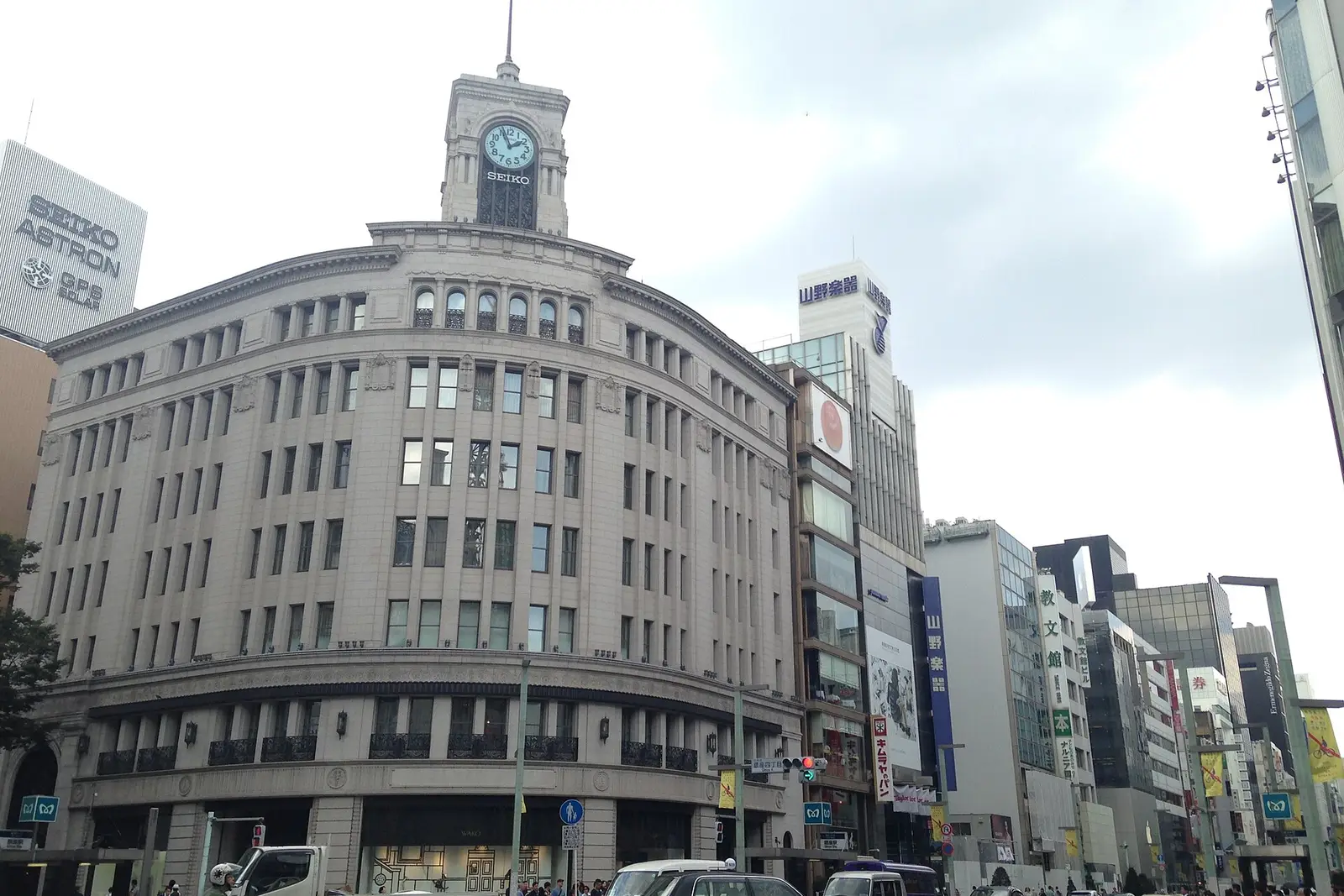
Ginza 4-chome and the Wako Clock Tower
The crossing at the center of Ginza and the 1932 clock tower above it. History, chimes and hours.
 GINZA3 min read
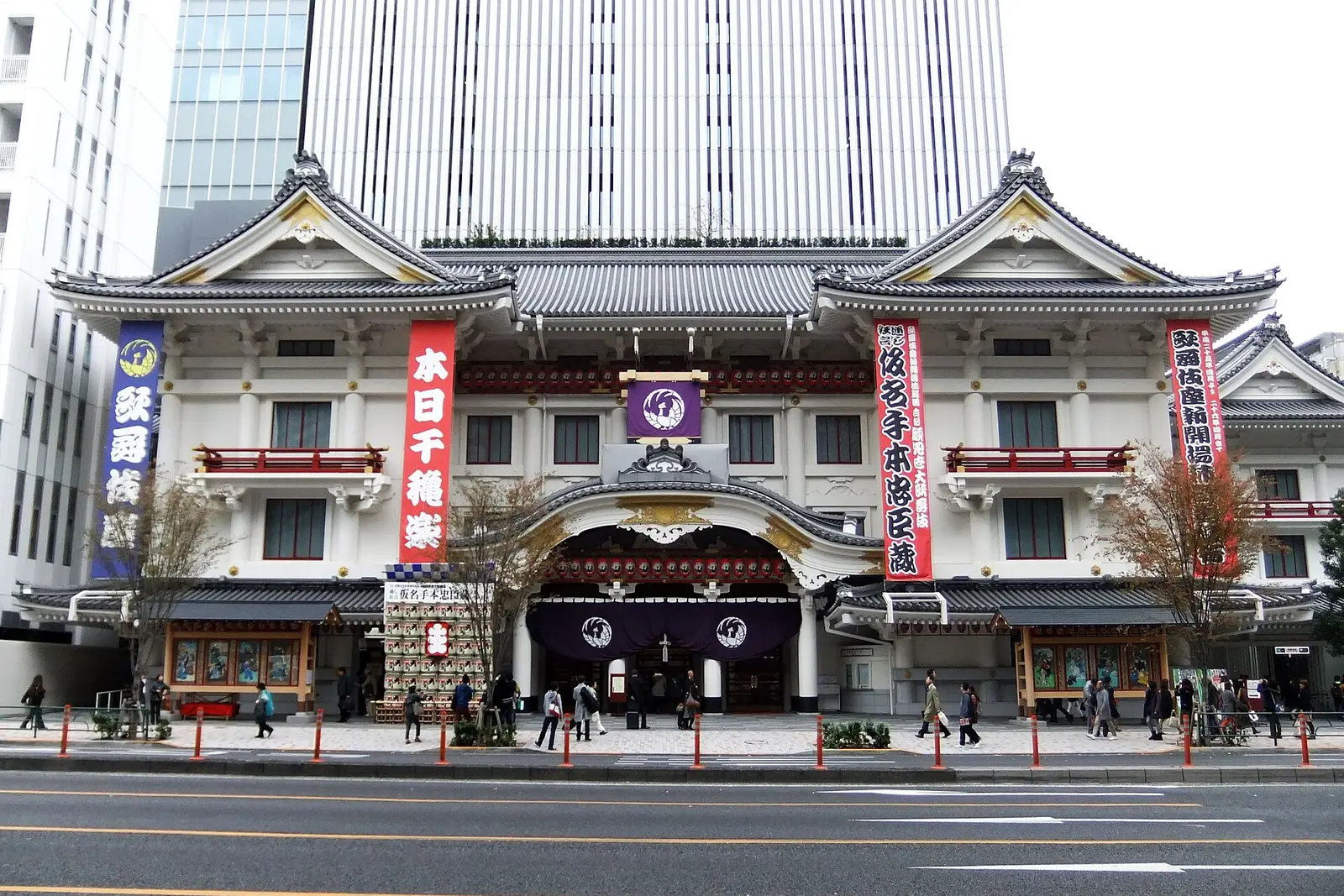
Kabukiza: Tokyo's Home of Kabuki
The theater where kabuki is performed almost daily. How single-act tickets let you see just one scene.
 GINZA3 min read
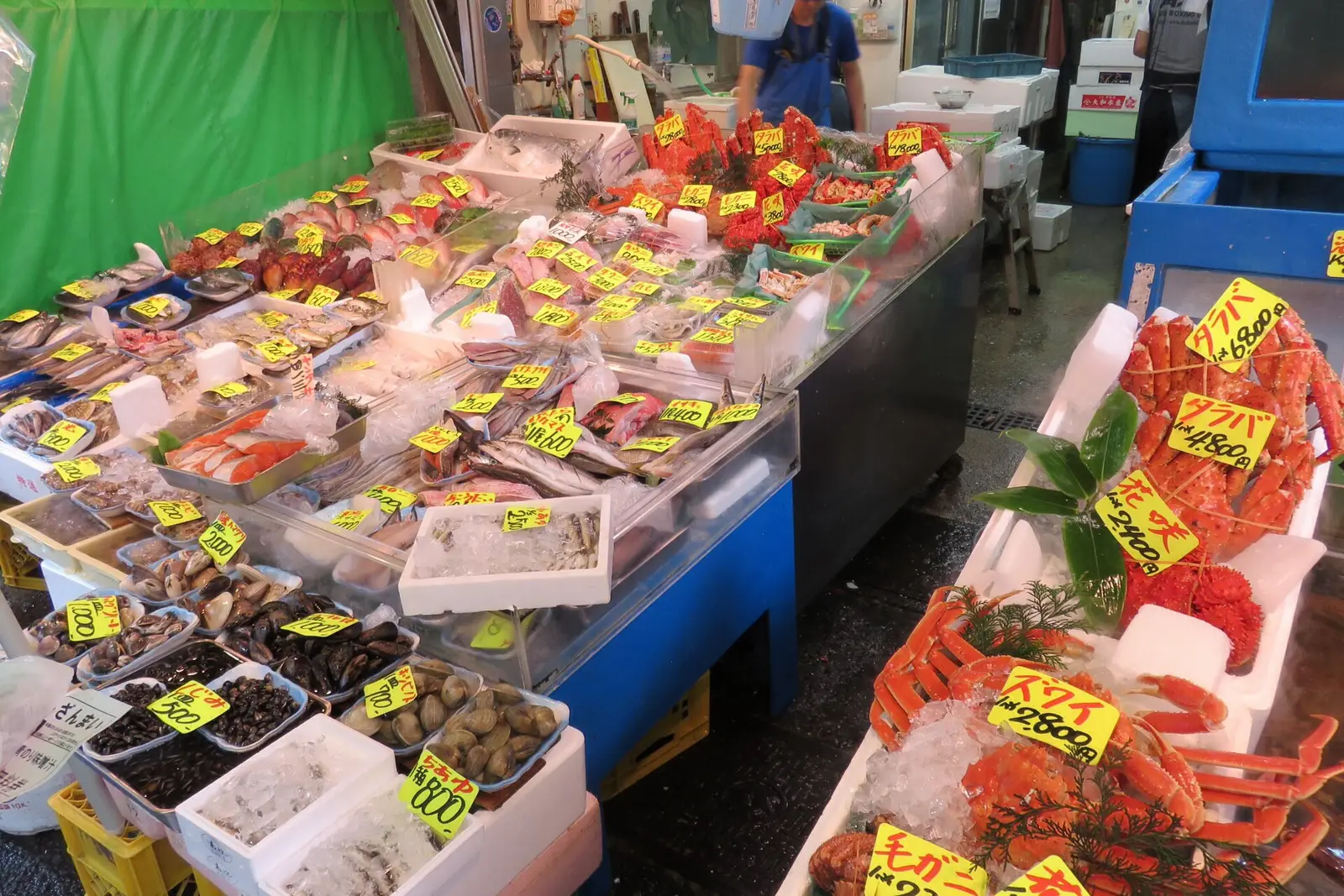
Tsukiji Outer Market: Tokyo's Food Street by the Old Fish Market
Seafood stalls, sushi counters and kitchen shops where the old fish market used to be. Hours and manners.