Destinations › Tokyo › Ginza
Kabukiza: Tokyo's Home of Kabuki
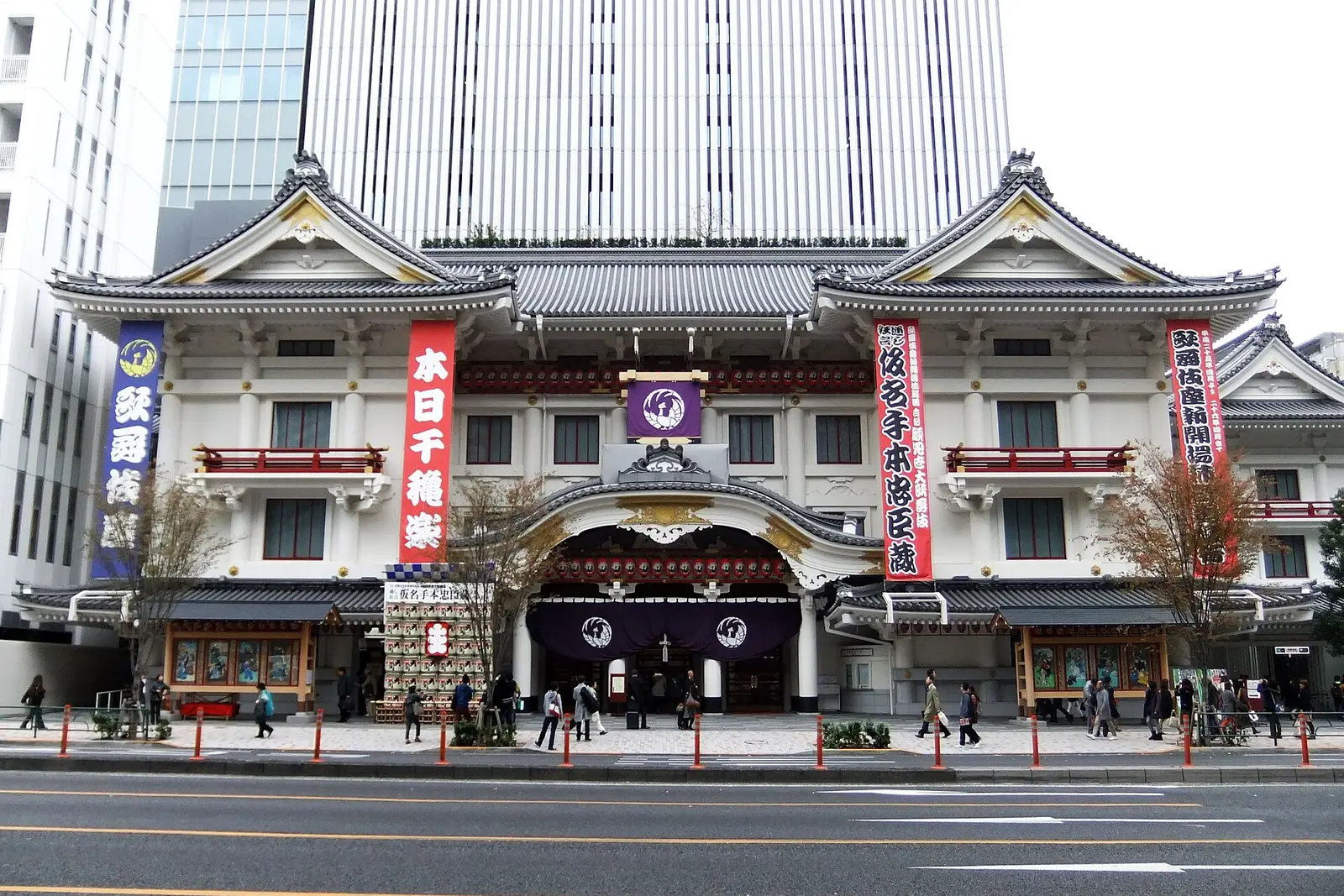
Kabuki is a Japanese stage art with a history of over 400 years, and the Kabukiza is where Tokyo goes to see it. A full program can fill most of a day. The good news is that you can also watch for an hour.
Over 130 years of kabuki in Ginza
The Kabukiza first opened on November 21, 1889. The building you see now is the fifth one on the site. The second burned down in 1921 after an electrical fault, and the third was destroyed in an air raid in May 1945. The fourth opened in 1950 and closed in April 2010. The current theater opened in 2013. It was designed jointly by Mitsubishi Jisho Sekkei and the office of the architect Kengo Kuma, and it has 1,808 seats, plus 96 standing-room seats for single acts.
What a day at the Kabukiza is like
Kabuki is an all-male theater art. The word comes from kabuku, a verb for acting in a wild or unusual way. A normal program at a theater like this has three acts, and each act can run from two to four hours, with intermissions of 20 to 30 minutes between acts. The theater usually runs a matinee and an evening show, and some months are split into three parts. In November 2026, the shows start at 11 am and 4:30 pm. The theater closes on a couple of days each month, so check the calendar before you go.
You are allowed to eat a bento during intermissions, and outside food is welcome. Eating or drinking during the performance is not. Photos are allowed only before the show starts, and video and audio recording are not allowed.
Single-act tickets: the easy way in
If four or five hours sounds like a lot, buy a single-act ticket. These seats are on the fourth level, and they let you watch just one act, usually from about 30 minutes to two hours long. Prices vary by month and are much lower than a full ticket. The theater posts them on the official Kabuki Web site.
There are two ways to buy. As of 2024, you can reserve a seat online from noon the day before and pay by card. The single-act box office, on level 1 to the left of the main entrance, sells same-day seats with no reservation. In 2024, sales ran from 10 am until shortly after the last act began, one ticket per person, in cash. The system can change, so check the month's page.
English help, food and manners
You can rent an English captioning device for a fee. The theater's English page lists ¥1,500 for a full program and ¥1,000 for a single act, in cash. A free English flyer is also available, and the theater sells programs with English synopses. Read the plot of the play before you go. Traditional kabuki dialogue is difficult even for Japanese people, and a short dance piece is often an easier first step.
The theater has restaurants and sells bento boxes. Restaurant seats should be reserved at least two days before the show, and single-act ticket holders cannot use them. The building also has a gallery corridor and a rooftop garden. Their opening hours can change, so ask at the theater.
Arrive on time. The doors open 30 minutes before the show, and you should be in your seat at least five minutes before it starts. Do not enter or leave during the performance, turn off your phone, and stay quiet. There is no dress code, but kimono and yukata are welcome.
Getting there
Take the Hibiya or Toei Asakusa Line to Higashi-Ginza Station. Exit 3 goes straight into the theater. From Ginza Station, exit A6 is a five-minute walk.
Nearby
Chuo-dori and the Wako clock tower are the center of Ginza, and the theater is a five-minute walk from Ginza Station. The Tsukiji Outer Market is only a 3-minute walk from Higashi-Ginza Station, so the two fit well into one day.
More on Ginza
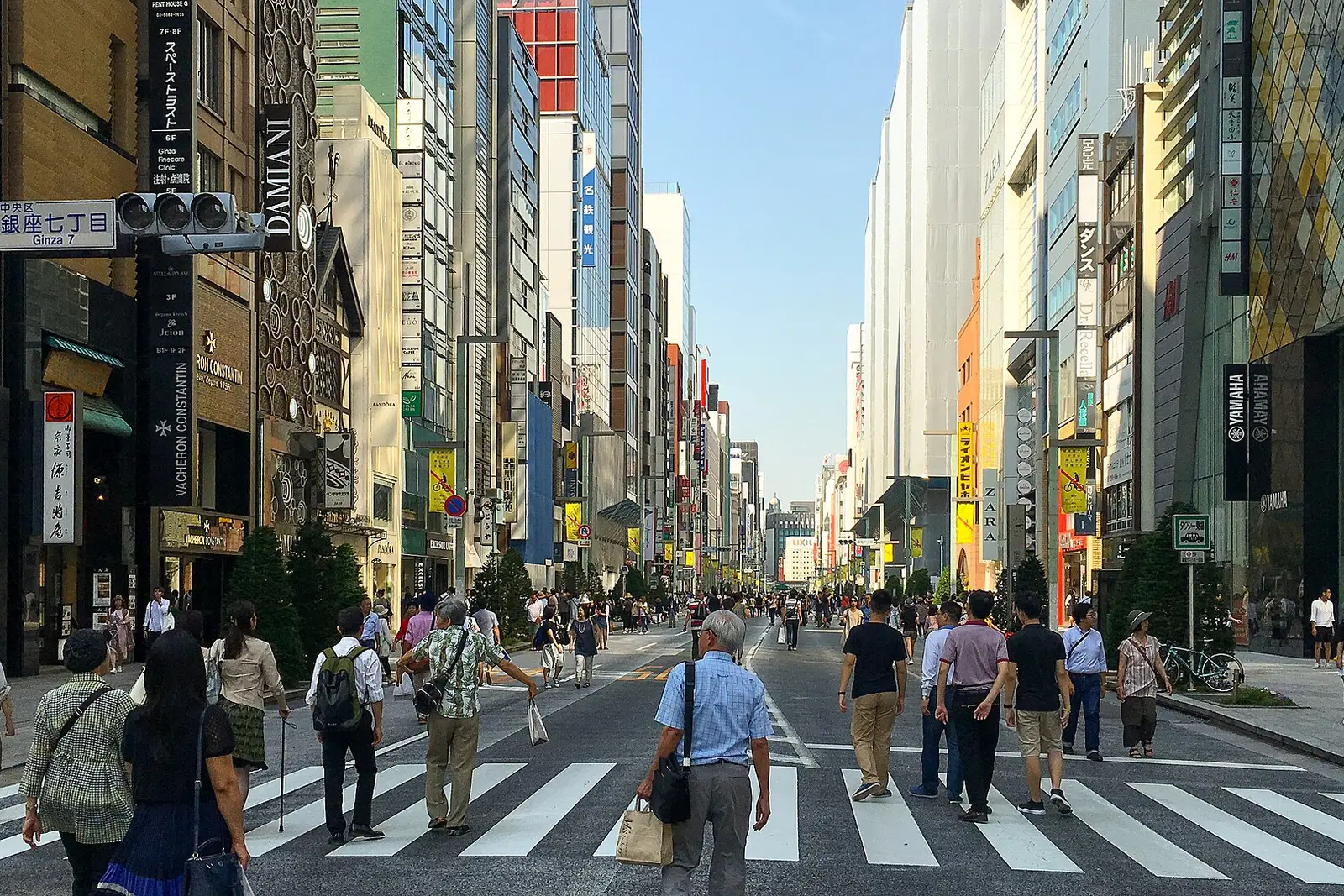 GINZA3 min read
Chuo-dori: Ginza's Weekend Pedestrian Street
Ginza's main street turns into a street for walking on weekends. Hours, rules and what to see.
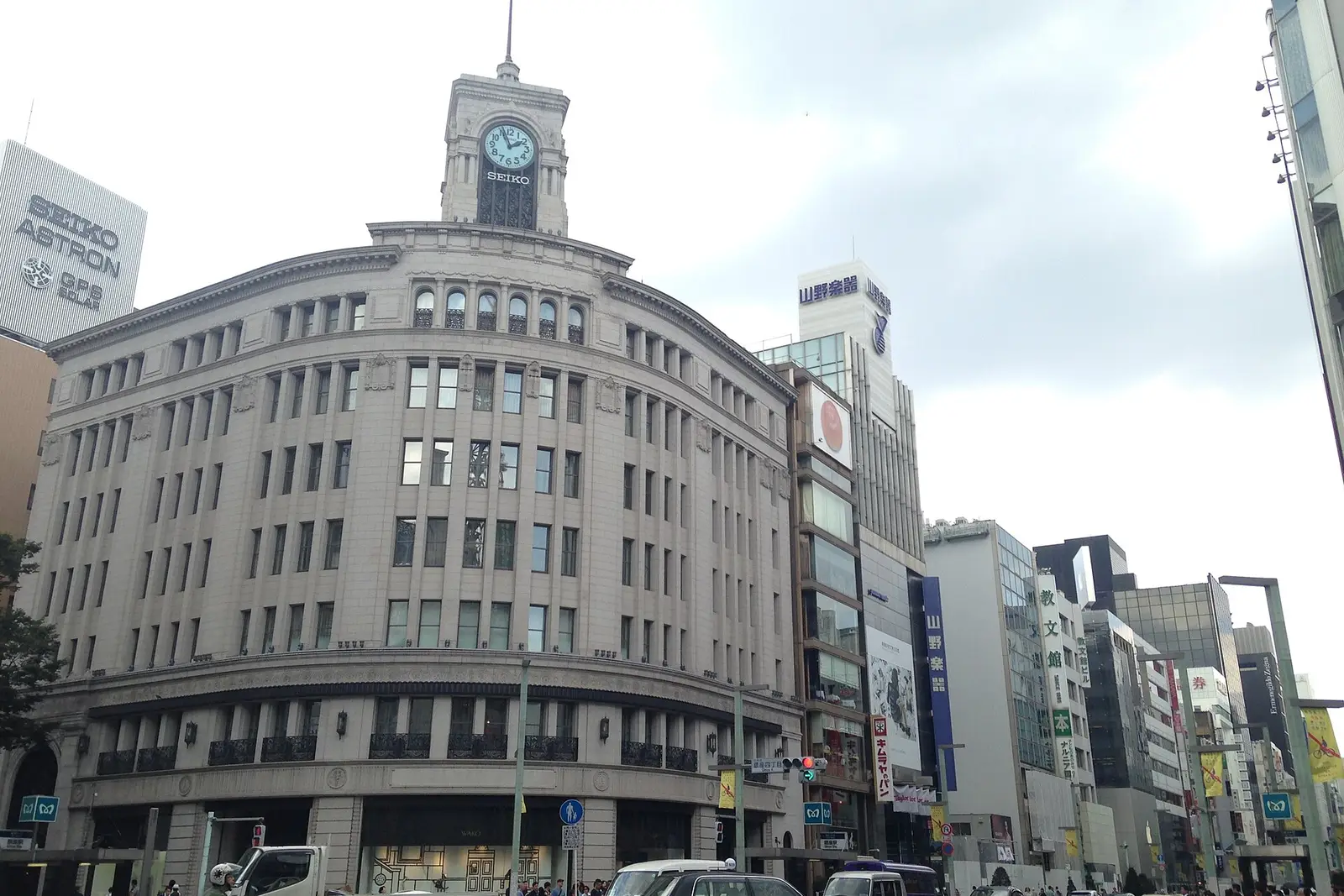 GINZA3 min read
Ginza 4-chome and the Wako Clock Tower
The crossing at the center of Ginza and the 1932 clock tower above it. History, chimes and hours.
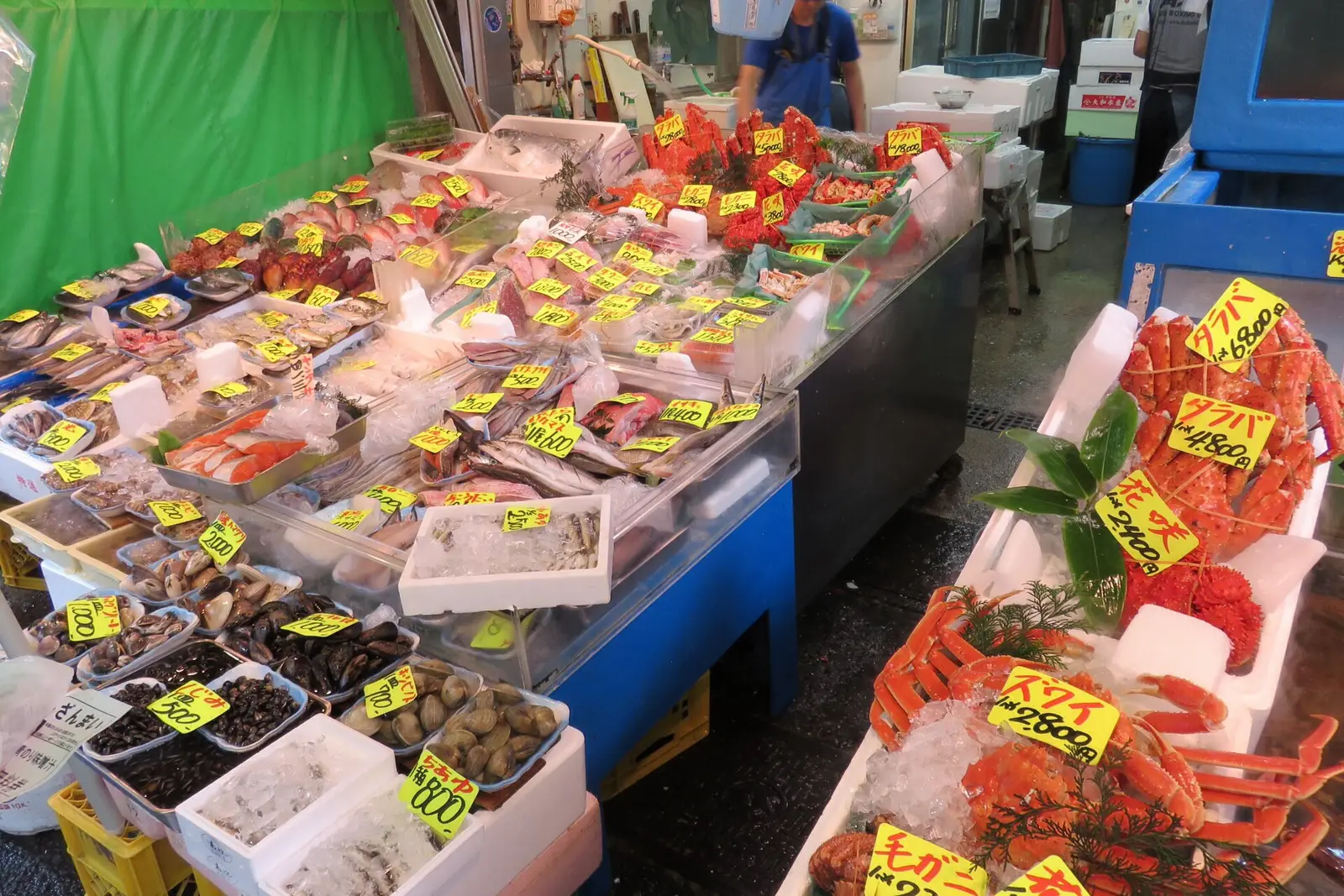 GINZA3 min read
Tsukiji Outer Market: Tokyo's Food Street by the Old Fish Market
Seafood stalls, sushi counters and kitchen shops where the old fish market used to be. Hours and manners.