Destinations › Hiroshima & Miyajima
Okonomimura: Hiroshima's Okonomiyaki Building
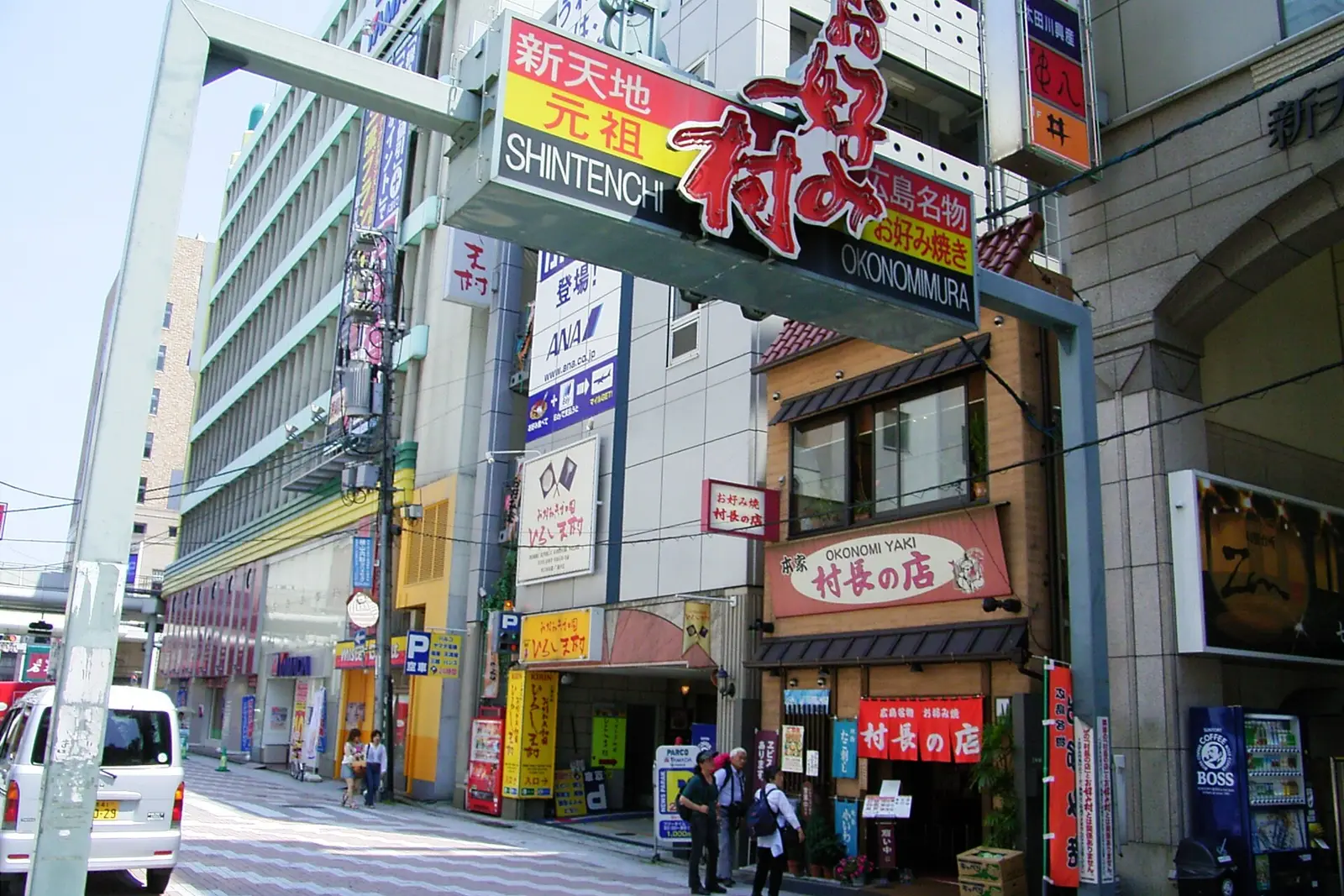
Hiroshima is known for its history, but it is also known for one dish. Okonomiyaki here is made in layers, with a lot of cabbage and a pile of noodles, and one building in the city center has more than 25 small restaurants that cook only that. It is called Okonomimura, or "Okonomiyaki Village."
What okonomiyaki is
Okonomiyaki is a savory pancake cooked on a hot iron plate. The name roughly means "cooked the way you like it." In Japan there are two main styles. In the Kansai region, around Osaka, the cook mixes cabbage, meat and other ingredients into a batter, then flips it. In Hiroshima, the cook builds it in layers instead.
The Hiroshima way
The layers go on in order. First comes a base of batter, then a tall pile of cabbage, then pork, and then a layer of noodles, either yakisoba or udon. The noodles can be layered in or served on top, and many people add a fried egg. Some add seafood, cheese or bean sprouts. Hiroshima style uses roughly three to four times as much cabbage as the Osaka style. The cabbage starts piled very high and gets pressed down as it cooks.
The finish is a thick, sweet and savory sauce, with seaweed flakes, bonito flakes, mayonnaise and pickled ginger sometimes added. Oysters are a popular add-on, and a version with them has its own name, kaki-oko. Other towns in the prefecture have their own twists too. Fuchu-yaki, for example, uses ground meat instead of pork.
A food with a history
Before the Second World War, people in Hiroshima ate a thin pancake called issen yoshoku, topped with green onions and dried fish flakes or shrimp. After the atomic bombing in 1945, it was a cheap meal that helped residents get by. The shops of the Shintenchi area built on that idea, cooking it with whatever people wanted and could get. That is how okonomiyaki got its name.
Okonomimura opened in December 1965, and it is now a stop on many visitors' trips. Because each shop is small and cooks to order, food takes a little while to arrive, and that is part of the fun. It makes the story of the food easy to see, and it keeps that history close to the table.
Inside the building
The restaurants are stacked across four floors. Each one is small, with a counter in front of an iron plate, and each has a slightly different style and different ingredients. The shops use a special okonomiyaki sauce made for the building by a company called Sun Foods.
Walk the floors and look at the doorways first. Choose a place that looks inviting and sit at the counter, where you can watch the cook work.
Order a basic version first, with pork, egg and noodles. Then, if you like it, try one with oysters or cheese. Hours and prices differ from shop to shop, so look at the sign or menu at the entrance, and check whether the shop takes cards.
If you want to cook it yourself
At Hiroshima Station, inside the ekie shopping area, a hands-on workshop run by the sauce company Otafuku Sauce lets you cook your own okonomiyaki. Visitors use the same sauce, iron plate and tools as local restaurants, and choose from five toppings, such as squid tempura, green onions or tomato and cheese. There is also a section that sells sauces. Plan about 90 minutes. Check booking details with the company before you go.
Getting there
Okonomimura is at 5-13 Shintenchi, close to the east end of the Hondori shopping street. Take the Hiroden tram to Hatchobori Station (3 to 5 minutes on foot) or Hondori Station (6 to 8 minutes on foot).
Nearby
The Hondori shopping street is close by. Peace Memorial Park and the Atomic Bomb Dome can also be reached by Hiroden tram, so lunch here fits easily into a day of sightseeing in the city.
More on Hiroshima & Miyajima
 HIROSHIMA & MIYAJIMA3 min read
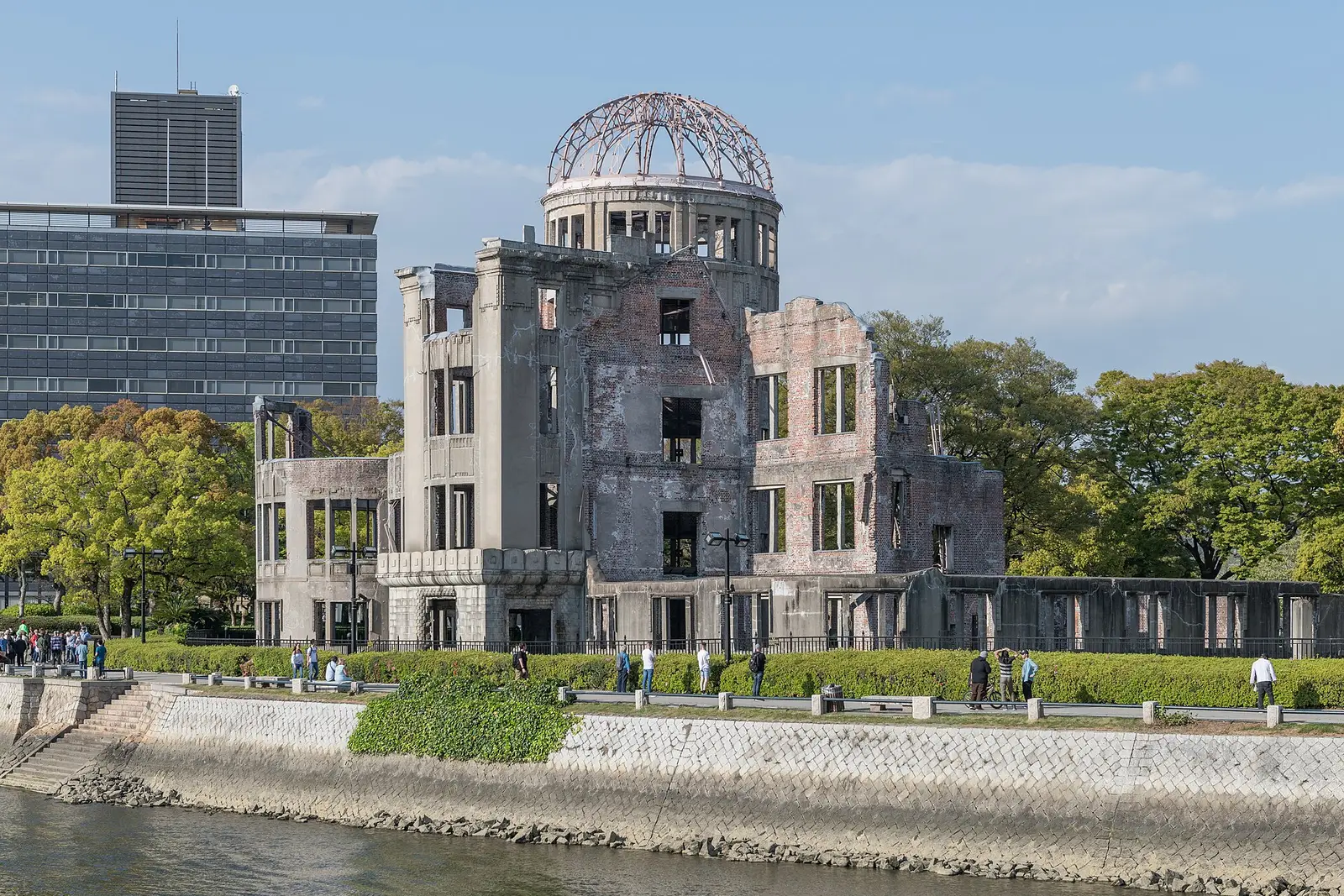
Atomic Bomb Dome: The Ruin Hiroshima Chose to Keep
A ruined exhibition hall that stood almost beneath the 1945 explosion, kept as it was so people remember.
 HIROSHIMA & MIYAJIMA3 min read
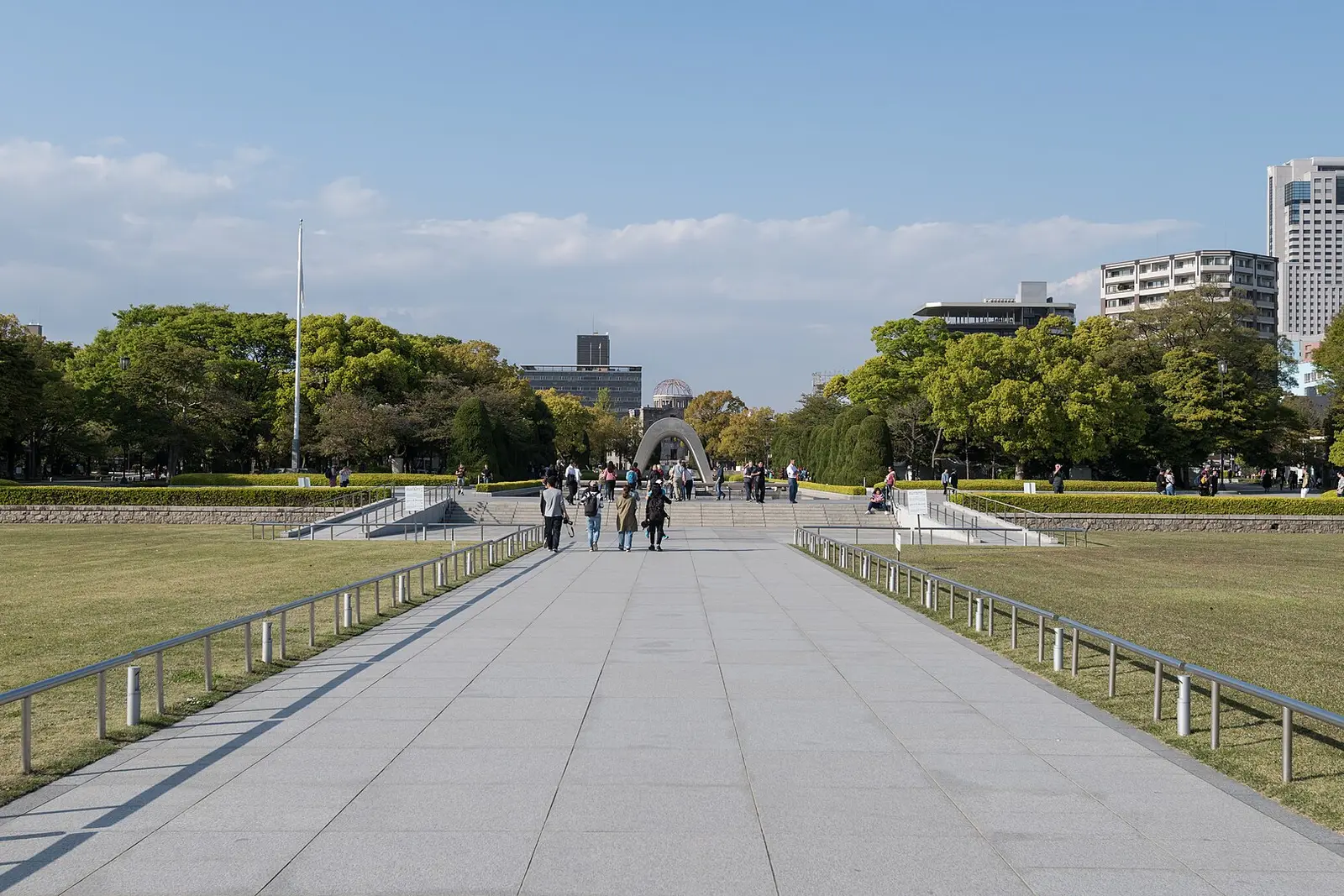
Peace Memorial Park and Museum: Where to Begin in Hiroshima
A quiet park built where a busy neighborhood stood, and the museum that tells the story of August 6, 1945.
 HIROSHIMA & MIYAJIMA3 min read
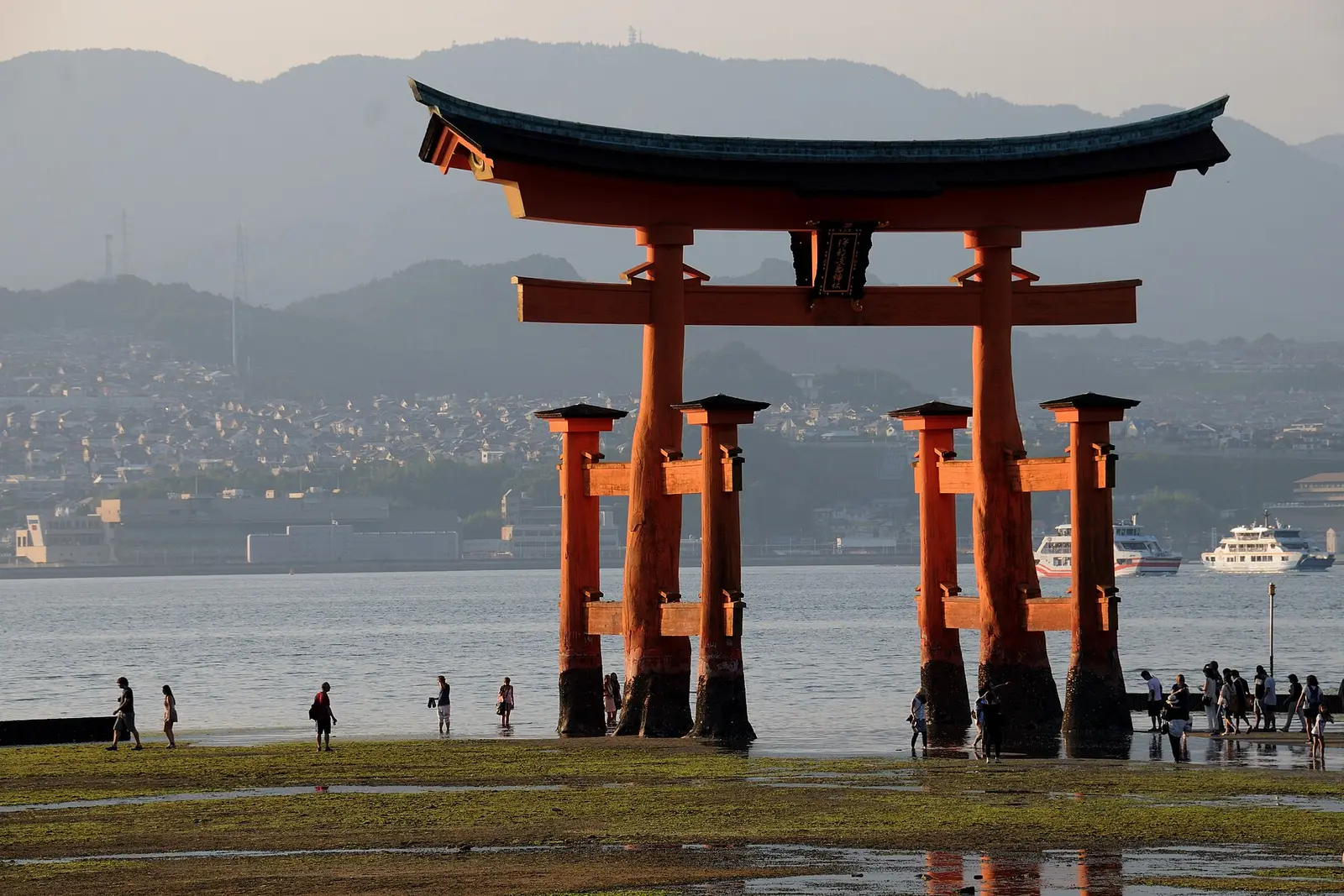
Itsukushima Shrine: The Shrine on the Sea at Miyajima
A vermilion shrine built over the water on Miyajima island, with a great red gate standing in the sea.