Destinations › Akita › Kakunodate
Nyuto Onsen: Seven Hidden Hot Springs in the Beech Forest
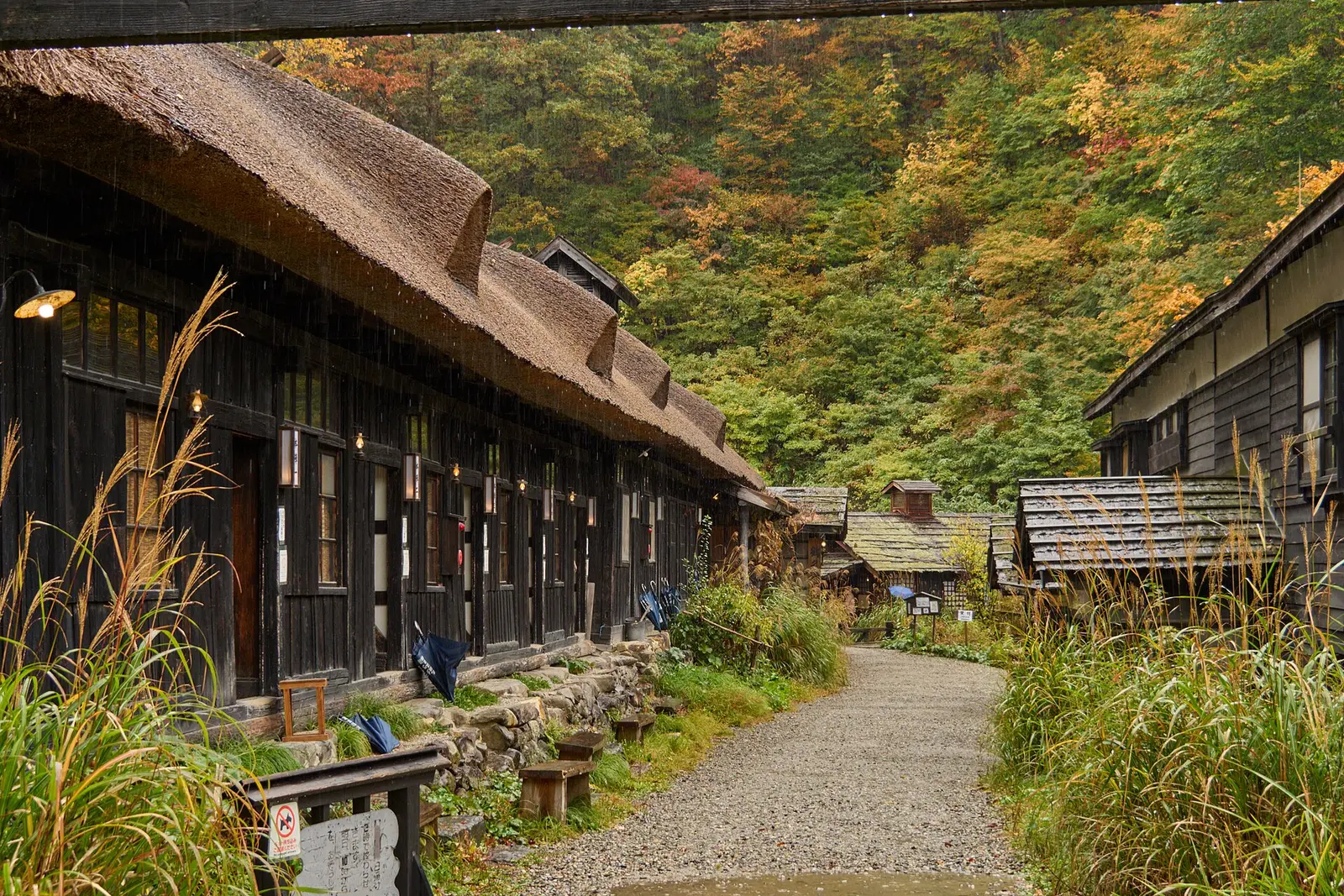
Deep in the beech forests at the foot of Mount Nyuto, seven hot spring inns stand apart from one another along mountain streams. Some have thatched roofs and milky-white water, and the oldest was once the bathing place of the lords of Akita. Nyuto Onsen is often called the most famous hidden hot spring in Japan.
Seven inns, seven springs
Nyuto Onsen is a group of seven hot spring inns scattered at the foot of Mount Nyuto, a 1,478-meter peak on the border of Akita and Iwate in Towada-Hachimantai National Park. The inns are Tsurunoyu, Taenoyu, Ganiba, Ogama, Magoroku, Kuroyu and Kyukamura.
Each inn has its own hot spring source, and there are more than ten sources in all. The water differs from inn to inn: milky white at some, dark at others, and a few sources are strongly acidic. The local tourism association calls it the most famous hidden hot spring in Japan.
Tsurunoyu, the oldest inn
Tsurunoyu is the oldest inn at Nyuto Onsen. In 1638 Satake Yoshitaka, the second lord of the Akita domain, is said to have come here to bathe for his health. Records of the inn taking ordinary guests go back to the Genroku era (1688 to 1704).
The name means "crane's hot water." A local hunter named Kansuke is said to have seen a wounded crane healing itself in the spring.
The long thatched building at the entrance is the honjin, where the lord's guards stayed. Its thatch is renewed every few decades by local craftsmen. Within 50 meters of the inn, four sources rise, each with different water: the White Bath, the Black Bath, the Middle Bath and the Waterfall Bath.
Day visitors can bathe from 10:00 to 15:00 for ¥700 (children ¥300). Day bathing is closed on Mondays for cleaning, or on the nearest weekday when Monday is a holiday. You may not take towels into the baths, and the inn accepts only Visa and Mastercard.
The other inns
Kuroyu stands furthest up the valley, where two streams meet, with thatched bath houses and the largest flow of milky-white water at Nyuto. It closes in winter, from mid-November to mid-April.
Magoroku keeps its baths separate from its lodgings and is the only inn here with a barrel sauna. Ganiba, named after the crabs in a nearby stream, has an open-air bath in the forest. Taenoyu has open-air baths right beside the Sendatsu River.
The bath-hopping pass
If you stay the night at one of the inns, you can buy the Yumeguri-cho, a pass for bathing at all seven inns. It costs ¥2,500 (¥1,000 for children), is sold only to overnight guests at each inn's front desk, and must be paid in cash.
Getting there
Take the Akita Shinkansen to JR Tazawako Station. From the bus stop in front of the station, Ugo Kotsu buses on the Nyuto Line reach the Nyuto Onsen stop in about 45 minutes, for ¥800. Buses run about once an hour, and the nearest stop depends on the inn.
For Tsurunoyu, guests ride to the Arupa Komakusa stop, where the inn's car picks them up. Call the inn on the day to tell them which bus you are on. Day visitors to Kuroyu get off at Kyukamura-mae and walk about 25 minutes.
From Akita Airport, a shared taxi called the Akita Airport Liner runs to the inns. It must be booked in advance, and the ride takes about two hours.
Tips
- Opening days and hours change by season, and some inns close in winter or for repairs. Check each inn's website before you go.
- Buses are infrequent, so plan your return before you start hopping between baths.
Nearby
Lake Tazawa is on the way, on the same bus line. Kakunodate and its samurai district are a short ride south of Tazawako Station on the Akita Shinkansen.
More on Kakunodate
 KAKUNODATE3 min read
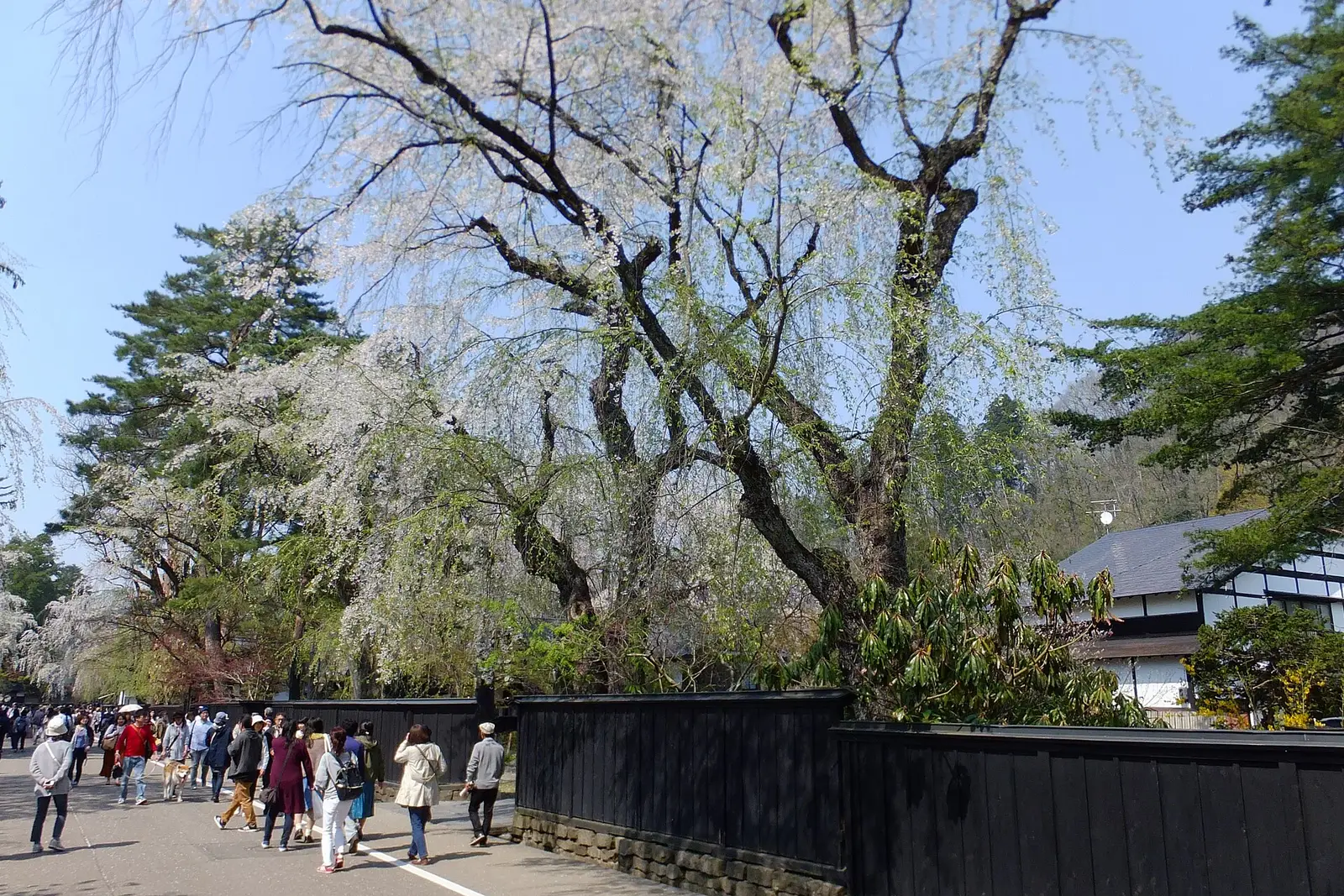
Kakunodate Samurai District: Old Houses Under Weeping Cherries
A 400-year-old street of samurai houses and weeping cherry trees. The houses you can enter, prices, hours and seasons.
 KAKUNODATE3 min read
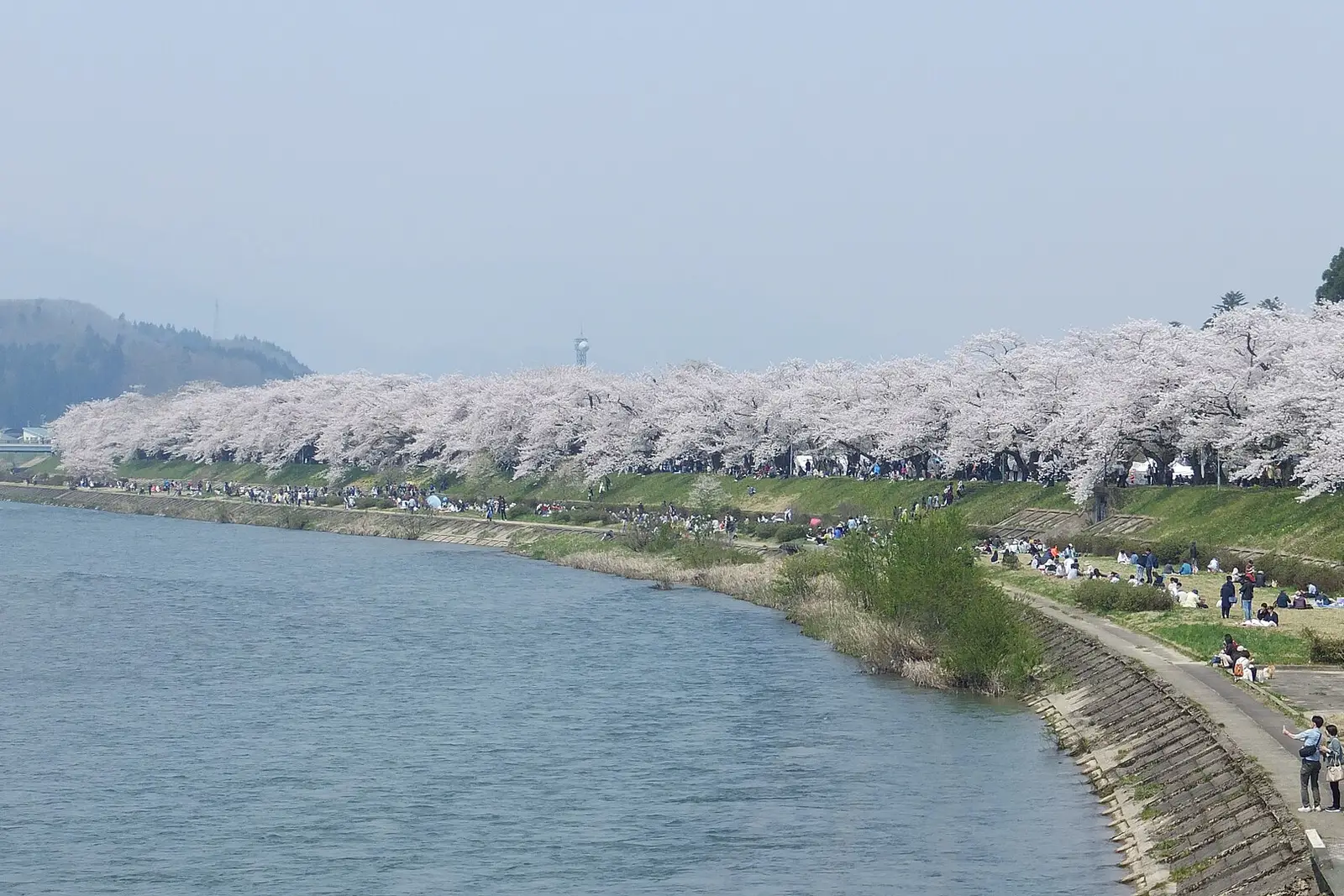
Hinokinai River: Kakunodate's Two-Kilometer Cherry Tunnel
About two kilometers of cherry trees along a river in Kakunodate. Their story, when they bloom and how to get there.
 KAKUNODATE3 min read
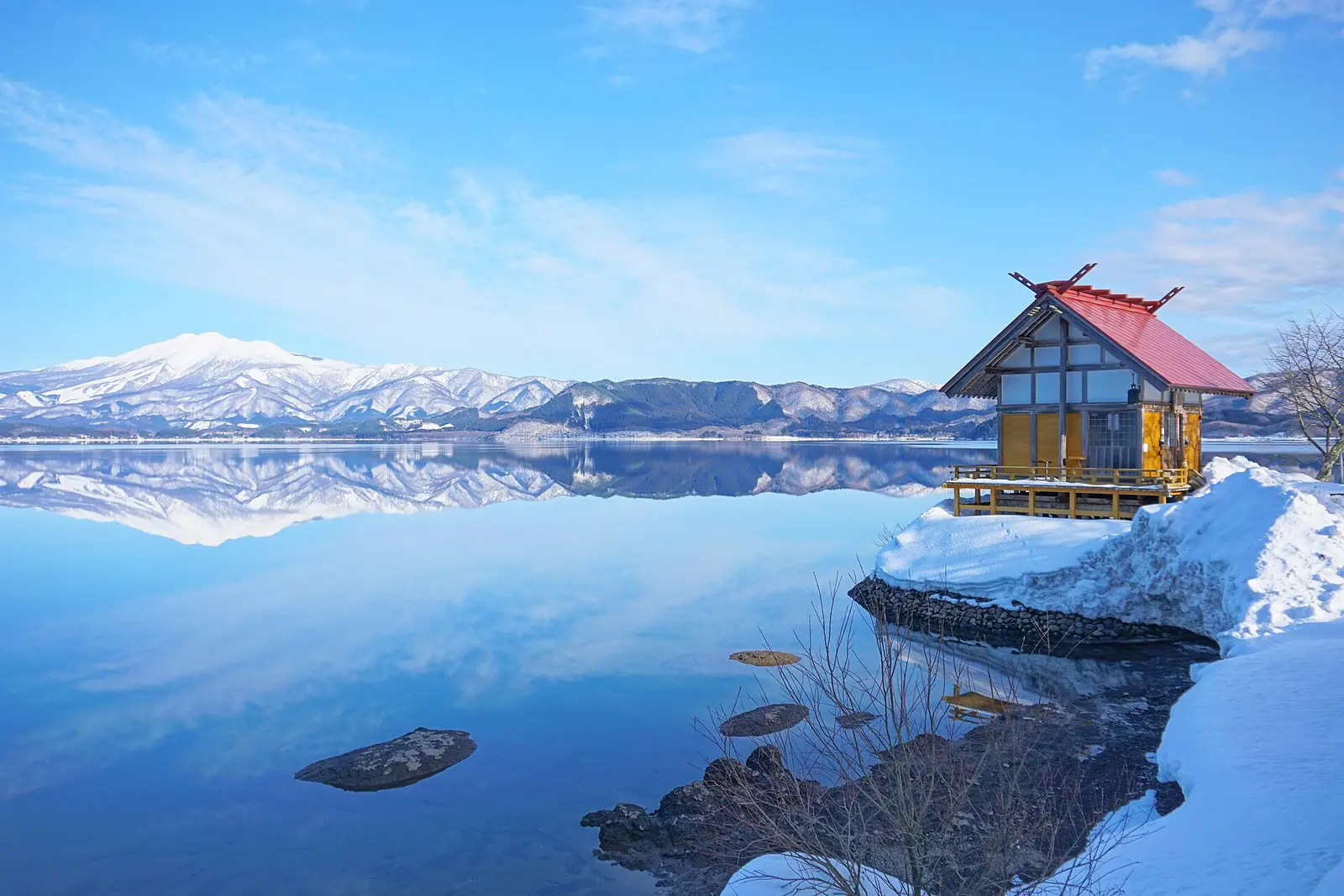
Lake Tazawa: Japan's Deepest Lake
The deepest lake in Japan, with a golden statue, a lakeside shrine, boat rides and a 20-kilometer cycling loop.