Destinations › Kanagawa › Kamakura
Enoshima: A Small Island with Shrines, Caves and Views
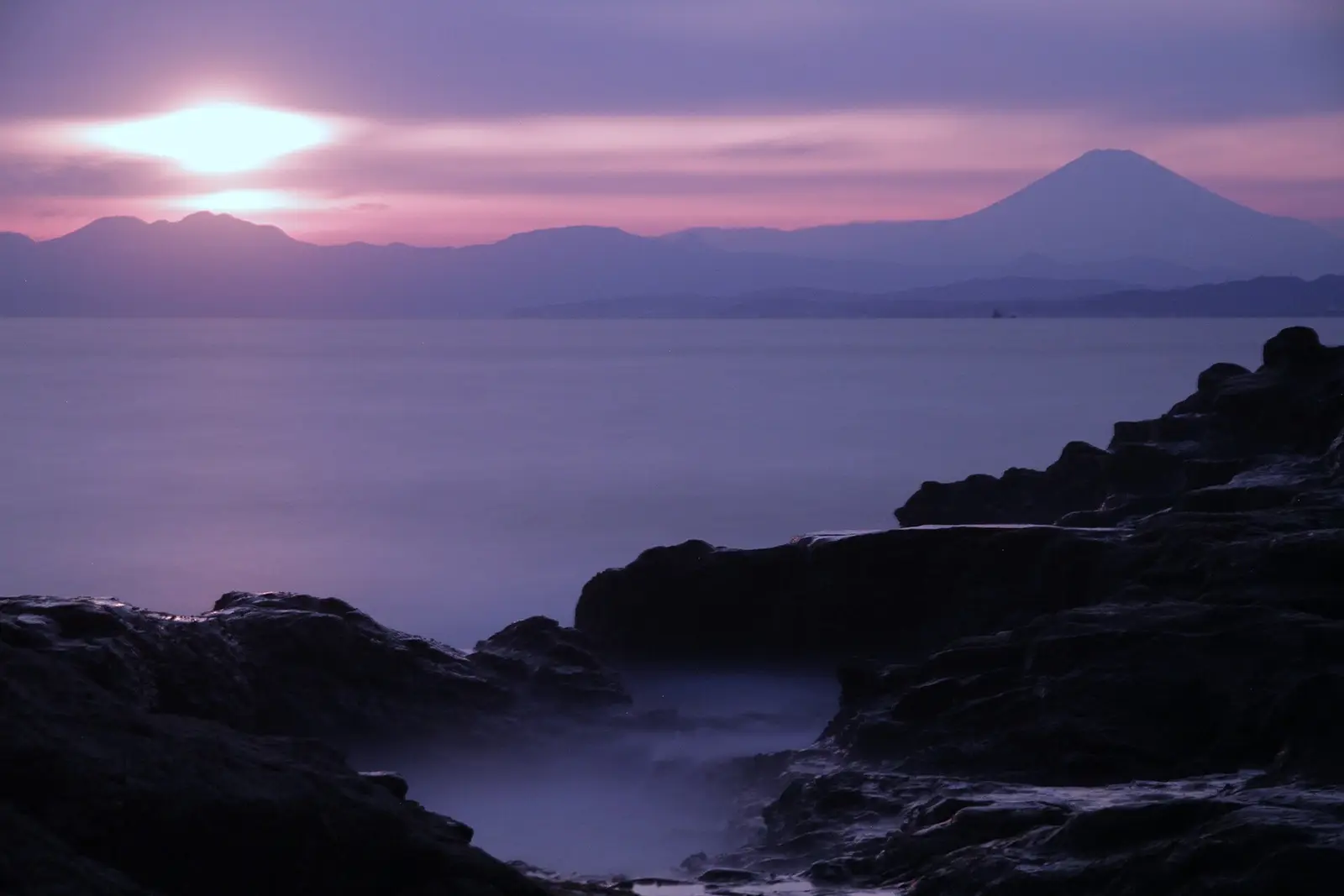
Enoshima is a small island just off the coast near Kamakura, joined to the mainland by a bridge. You can walk across it, climb up through a row of shrines, see a sea cave, and be back on the mainland in half a day.
Crossing to the island
You reach Enoshima by walking across the Enoshima Ohashi Bridge. Once you are over, you are on Nakamise Street, a lane of shops and food stands that leads up toward the shrines. Look out for shirasu, tiny young white fish, which are a local favorite. One popular snack is a black croquette made with shirasu, sold to take away.
The island is hilly, so wear shoes that you can walk in.
Enoshima Shrine
The island is known for Enoshima Shrine, which is actually three shrines. Hetsumiya is the closest to the gateway. Nakatsumiya is about halfway up. Okutsumiya is near Iwaya Caves, and is dedicated to Takirihime-no-mikoto, a deity who protects those who travel by sea.
The shrines are dedicated to three sisters, known as Benzai-Tennyo. People come to pray for money, work and love. A small shrine near the main hall, called Zeniarai Hakuryuoh, is said to bring luck with money. The shrine is said to have a history of over 1,500 years. During the Edo period, it drew many pilgrims from Tokyo, which was then called Edo.
Entry to the shrine grounds is free. It costs 200 yen to see the statue of Benten.
The escalators and the Sea Candle
Climbing the hill on foot takes some effort, as the island is steep in places. The Enoshima Escar helps. It opened in 1959 as Japan's first outdoor escalator. It is 106 meters long, made of four linked escalators, and takes about five minutes. It runs from about 8:50 am to 7:05 pm. A ticket for all sections is 500 yen for adults and only goes up.
At the top is the Samuel Cocking Garden and the Sea Candle, an observation tower about 60 meters tall. On a clear day, you can see Mt. Fuji and the ocean. The tower costs 800 yen. The garden is free until 5 pm, and after that it costs 500 yen. Both open at 9 am and stay open until 8 pm, with last entry at 7:30 pm.
Iwaya Caves
On the far side of the island, wave action carved two caves into the rock over thousands of years. The route through the caves is 152 meters long. A legend says the cave connects all the way to an ice cave near Mt. Fuji. It stays cool even in summer.
Entry is 500 yen for adults. You get a candle for Cave 1 free of charge. The caves are usually open from 9 am to 5 pm, but the hours change with the season, and they close in very bad weather.
Getting there and saving money
From Shinjuku, the Odakyu line takes 65 to 75 minutes and costs 650 yen. From Kamakura, the Enoden takes 25 minutes and costs 260 yen, with trains about every 10 minutes.
The Enopass is a different ticket. It costs 1,640 yen for one day and includes a round trip between Shinjuku and Fujisawa, plus unlimited rides on the Enoden and on the Odakyu line to Enoshima. It is worth it only if you also visit Kamakura.
If you plan to see most of the island's sights, ask at a tourist information desk about the Enoshima 1-Day combination ticket. It costs around 1,100 yen, and covers the main attractions and the escalators. Added together, the single tickets cost much more.
Nearby
Enoshima pairs well with a morning in Kamakura, since the Enoden connects them. The Great Buddha at Kotoku-in and Hase-dera are on the same line, in the Hase district. In the center of Kamakura, Tsurugaoka Hachimangu shrine and Hokokuji's bamboo garden are good ways to fill another day.
More on Kamakura
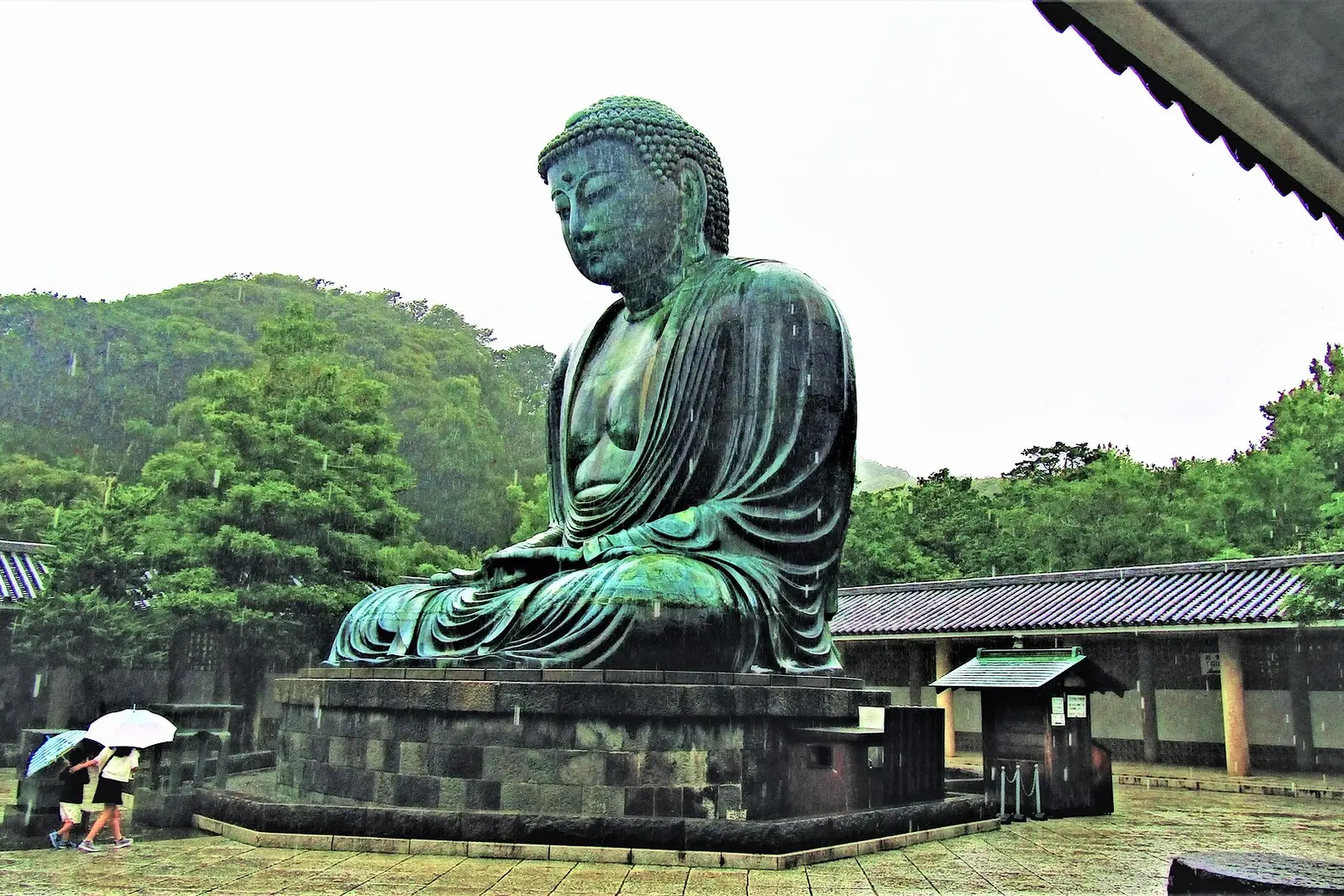 KAMAKURA3 min read
Great Buddha of Kamakura: A Giant Bronze Out in the Open
A bronze Buddha as tall as a house that has sat in the open air for centuries. What to know before you go.
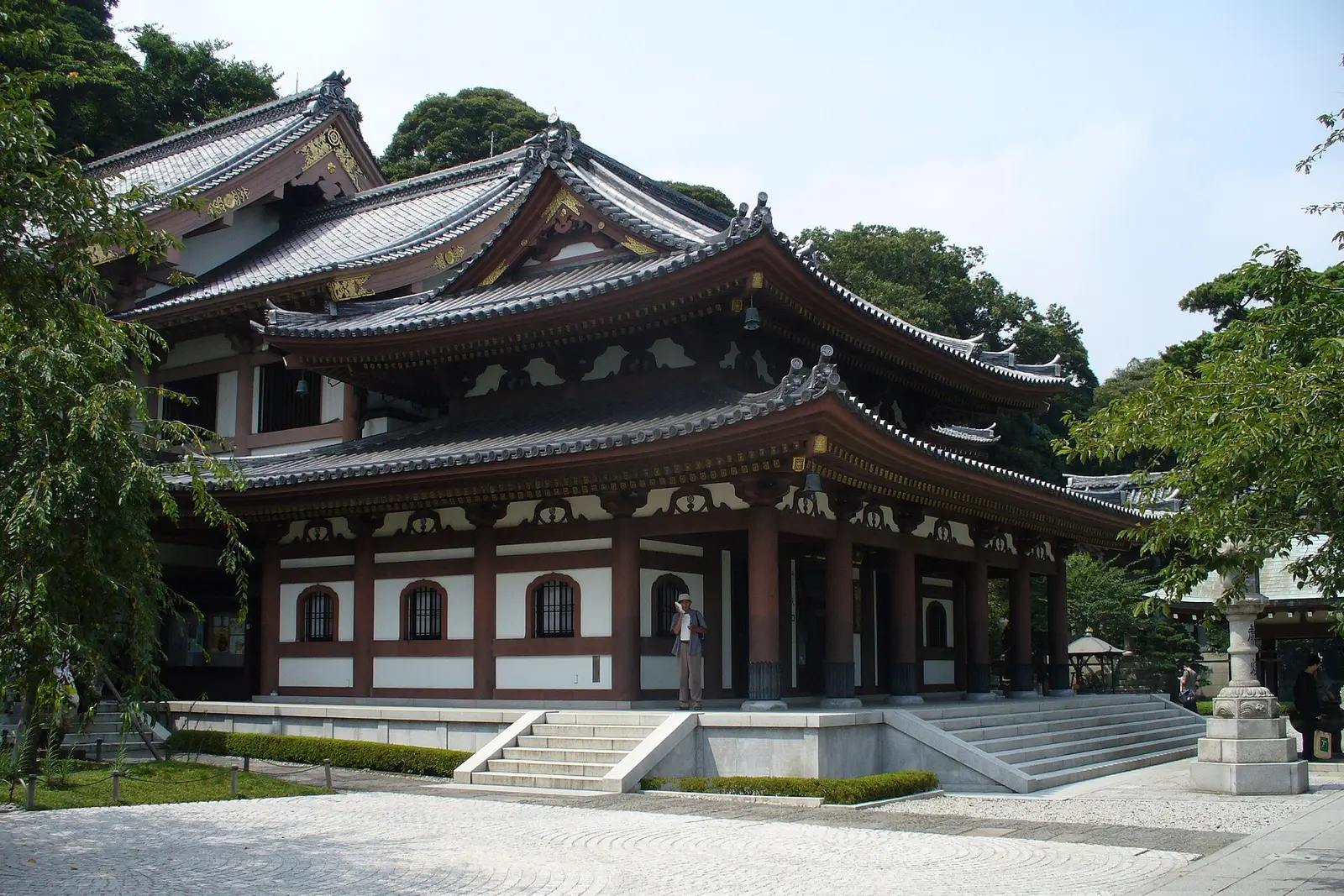 KAMAKURA3 min read
Hase-dera: Kannon, Jizo Statues and an Ocean View
A hillside temple with a tall Kannon, rows of small Jizo statues, a cave to explore and a view of the bay.
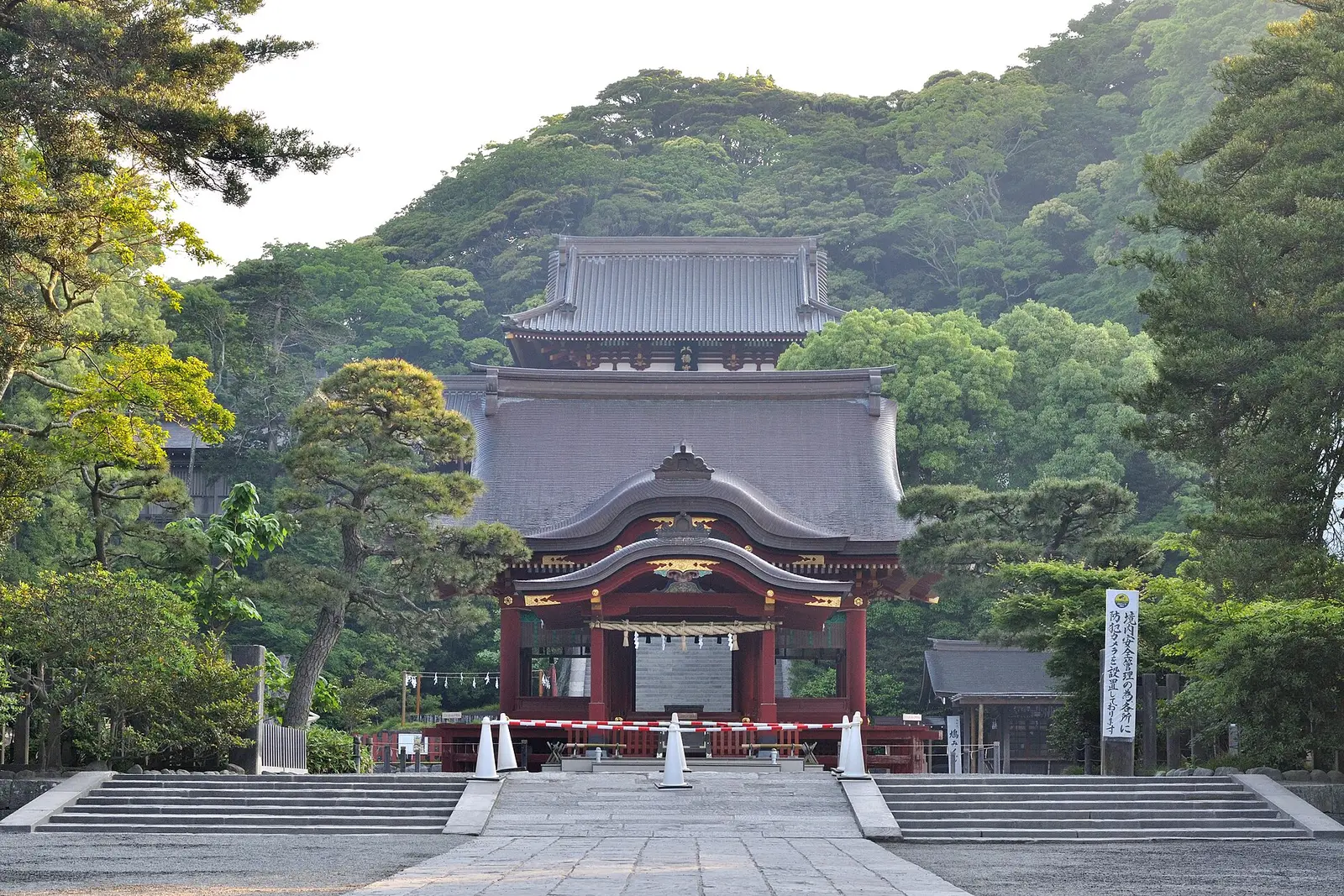 KAMAKURA3 min read
Tsurugaoka Hachimangu: Kamakura's Samurai Shrine
The shrine at the end of Kamakura's long, tree-lined approach, tied to the first shogun and the samurai.