Destinations › Kanagawa › Kamakura
Hase-dera: Kannon, Jizo Statues and an Ocean View
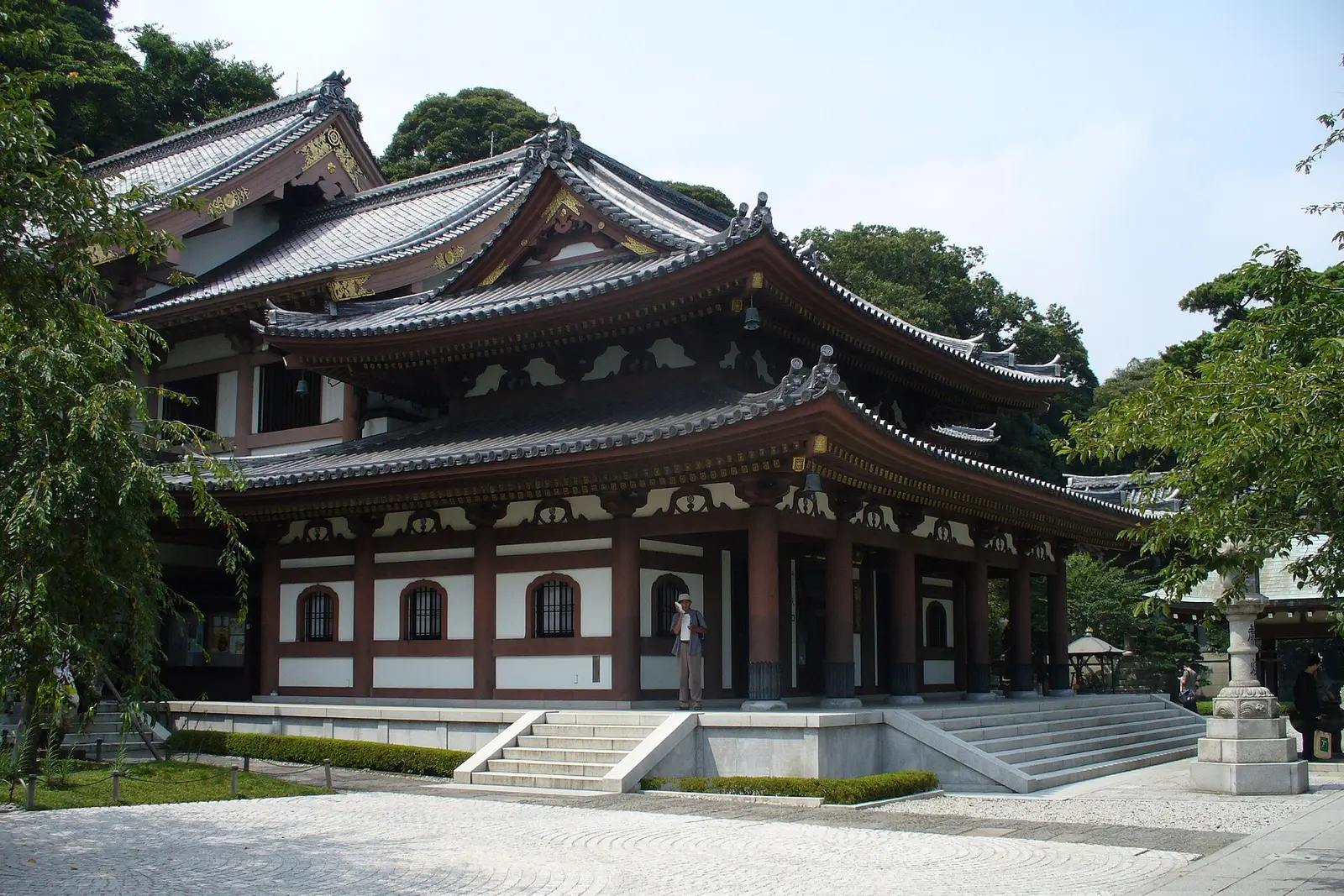
Hase-dera climbs a green hillside above Kamakura, and every few steps there is something new to look at. A statue of the goddess of mercy, rows of small Jizo statues, a cave with carvings, and at the top, the sea.
A statue that floated ashore
Hase-dera is a Buddhist temple in the Hase district of Kamakura. It was founded in 736. Its main treasure is a statue of Kannon, the figure of mercy who is loved all over Japan. The statue is a gilded wooden figure and one of Japan's largest wooden sculptures.
The temple has a legend about it. In 721, two Kannon statues were carved from one sacred tree in Hatsuse, in what is now Nara Prefecture. One stayed there. The other was set adrift in the sea with a prayer that it would help people somewhere else. After about fifteen years, it washed ashore on the coast of today's Kanagawa Prefecture, and it was brought to Kamakura.
The statue is 9.18 meters tall and has eleven heads, which is why it is called Jyu-ichi-men Kannon, or the eleven-faced Kannon.
The Jizo garden
Jizo is a gentle figure believed to protect children. Around the Jizo hall, you will see a huge number of small Jizo statues. They are known as the Sentai Jizo, or the Thousand Jizo. It is a quiet and moving sight, so please be respectful and do not touch them.
There are a few more Jizo to find. At the Mizukake Jizo, you gently pour water over the statue to calm the mind. The Nagomi Jizo, placed here in 2010, is a popular photo spot. And look for the three small Ryo-en Jizo, each in a different place on the grounds.
The cave of Benzaiten
Benten-kutsu is a cave on the grounds that is believed to be where the Buddhist saint Kobo Daishi once practiced alone. Inside, the walls are carved with images of the goddess Benzaiten and her followers, the Sixteen Children.
In the last chamber, you can write a wish and your name on a small statue of Benzaiten and leave it as an offering.
The view
Climb the stairs to the observation platform. From here, you look over the roofs of Kamakura and out to the ocean. The temple says it is one of the best viewpoints in the city. On a clear day, it is worth the climb by itself.
Visiting Hase-dera
The temple is built on a hillside, so wear comfortable shoes. Entry is 400 yen for adults and 200 yen for children aged 6 to 11. The temple has no closing days, and hours depend on the season. From July to March, it is open from 8 am to 5 pm, and from April to June, from 8 am to 5:30 pm. The last entry is 30 minutes before closing.
The Kannon Museum on the grounds holds more temple treasures, including a temple bell and a picture scroll. It costs an extra 300 yen and is open from 9 am to 4:30 pm. The signs there are in Japanese, but an English pamphlet is available. The Amida-do Hall holds a golden Amida Buddha of almost three meters. A small restaurant serves Japanese sweets, meals and drinks.
If you come by car, the parking lot costs 350 yen per 30 minutes for a regular car. Reservations are not accepted, so a train is easier.
Hase-dera is in the Hase district of Kamakura, on the Enoden line. From Kamakura Station, the Enoden takes about 7 minutes to Hase Station, which is the third stop. The temple is about a five-minute walk from the station.
Nearby
The Great Buddha of Kamakura at Kotoku-in is in the same district, so it is easy to see both in one morning. After that, the Enoden carries on to Enoshima, or you can head back to Kamakura Station for Tsurugaoka Hachimangu shrine.
More on Kamakura
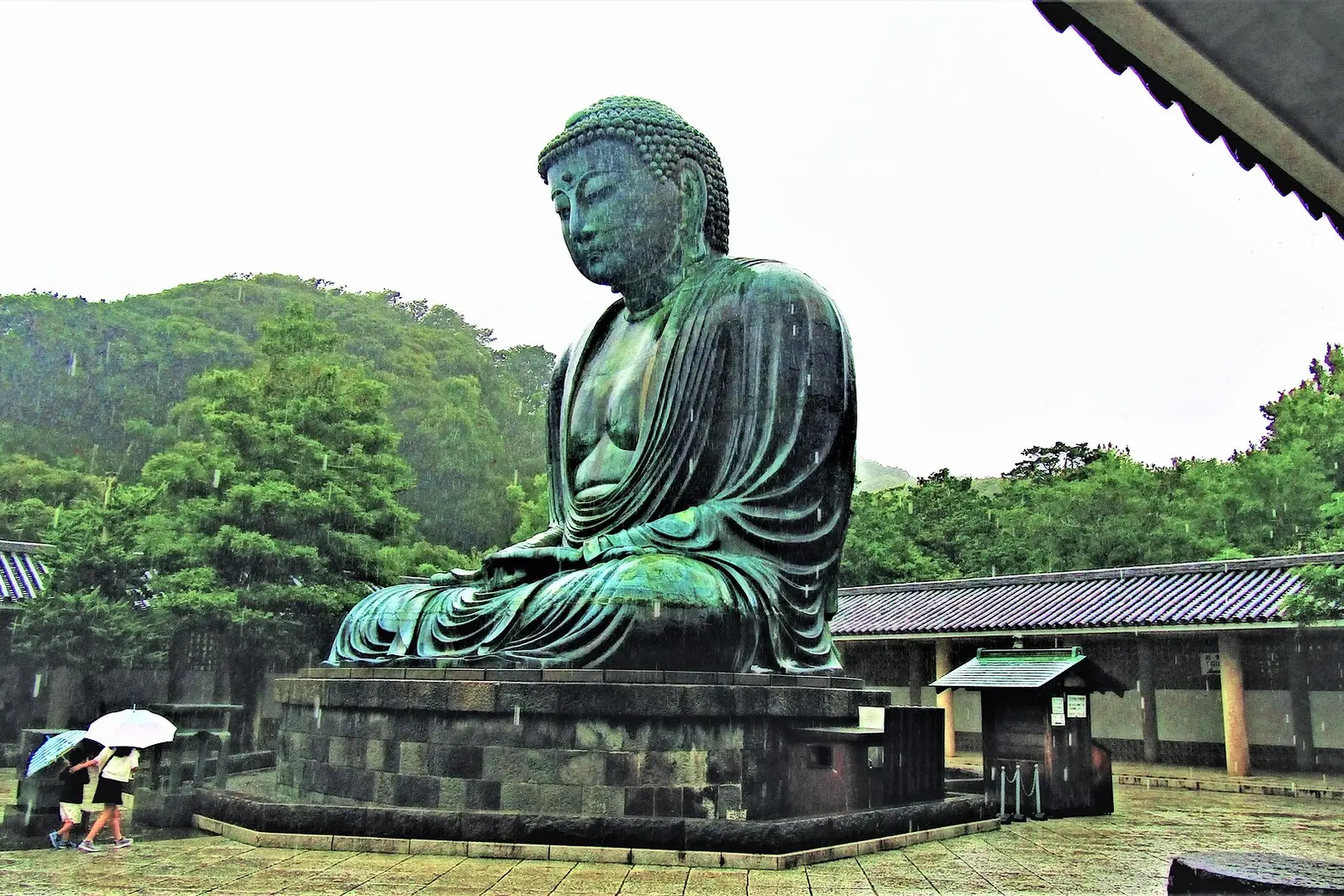 KAMAKURA3 min read
Great Buddha of Kamakura: A Giant Bronze Out in the Open
A bronze Buddha as tall as a house that has sat in the open air for centuries. What to know before you go.
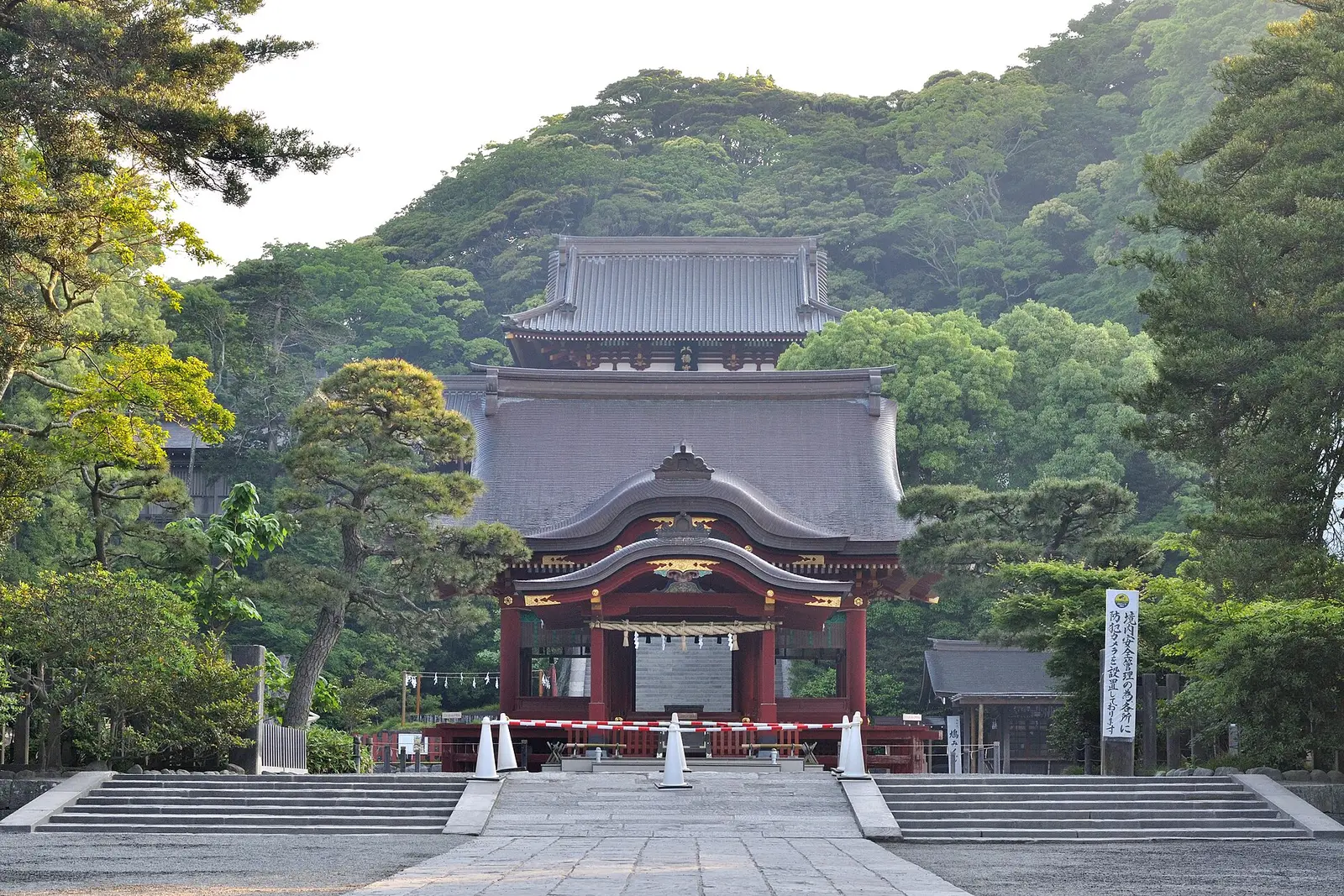 KAMAKURA3 min read
Tsurugaoka Hachimangu: Kamakura's Samurai Shrine
The shrine at the end of Kamakura's long, tree-lined approach, tied to the first shogun and the samurai.
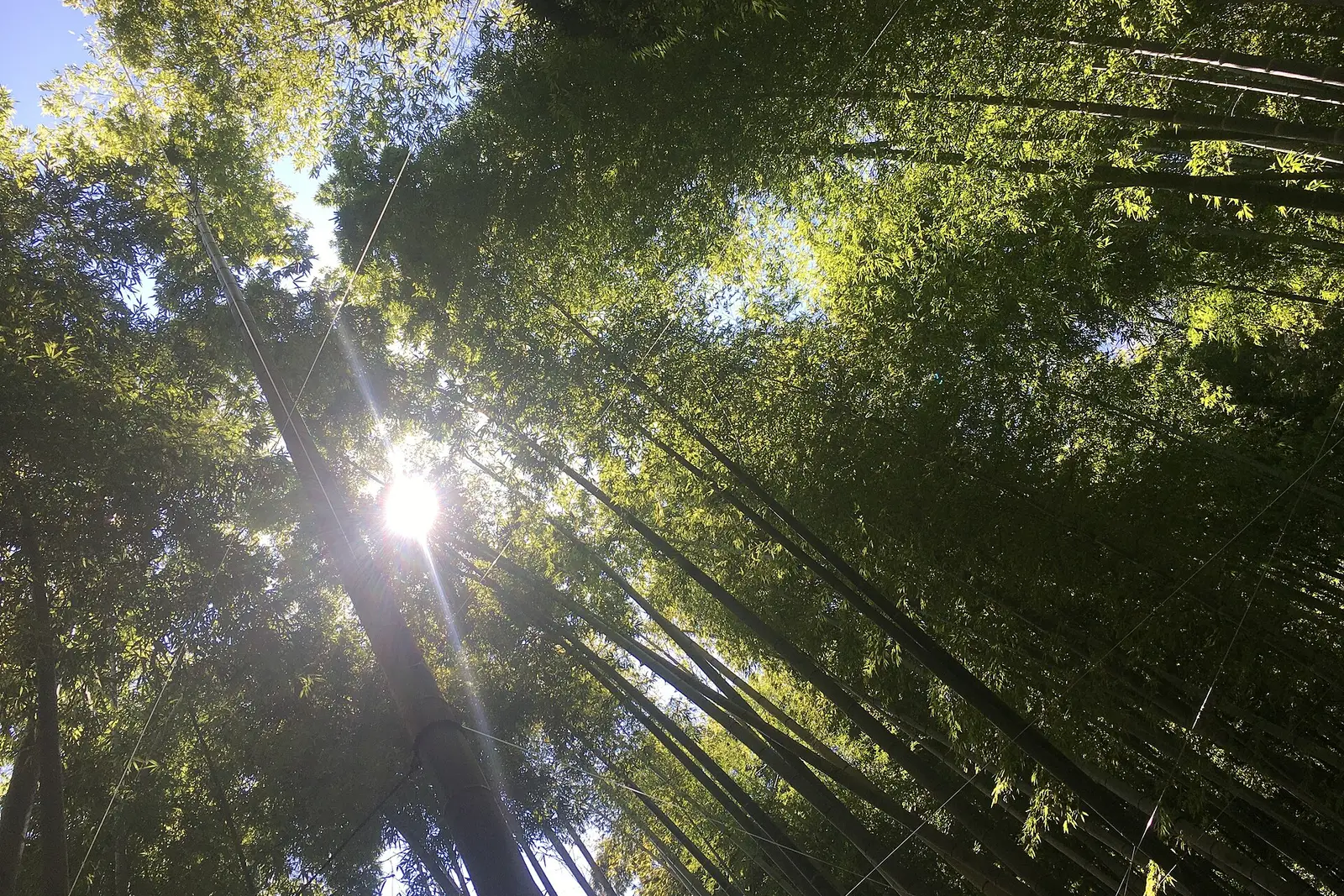 KAMAKURA3 min read
Hokokuji: Kamakura's Bamboo Temple
A small Zen temple with a quiet bamboo grove, where you can drink matcha among the stalks.