Destinations › Kanagawa › Kamakura
Tsurugaoka Hachimangu: Kamakura's Samurai Shrine
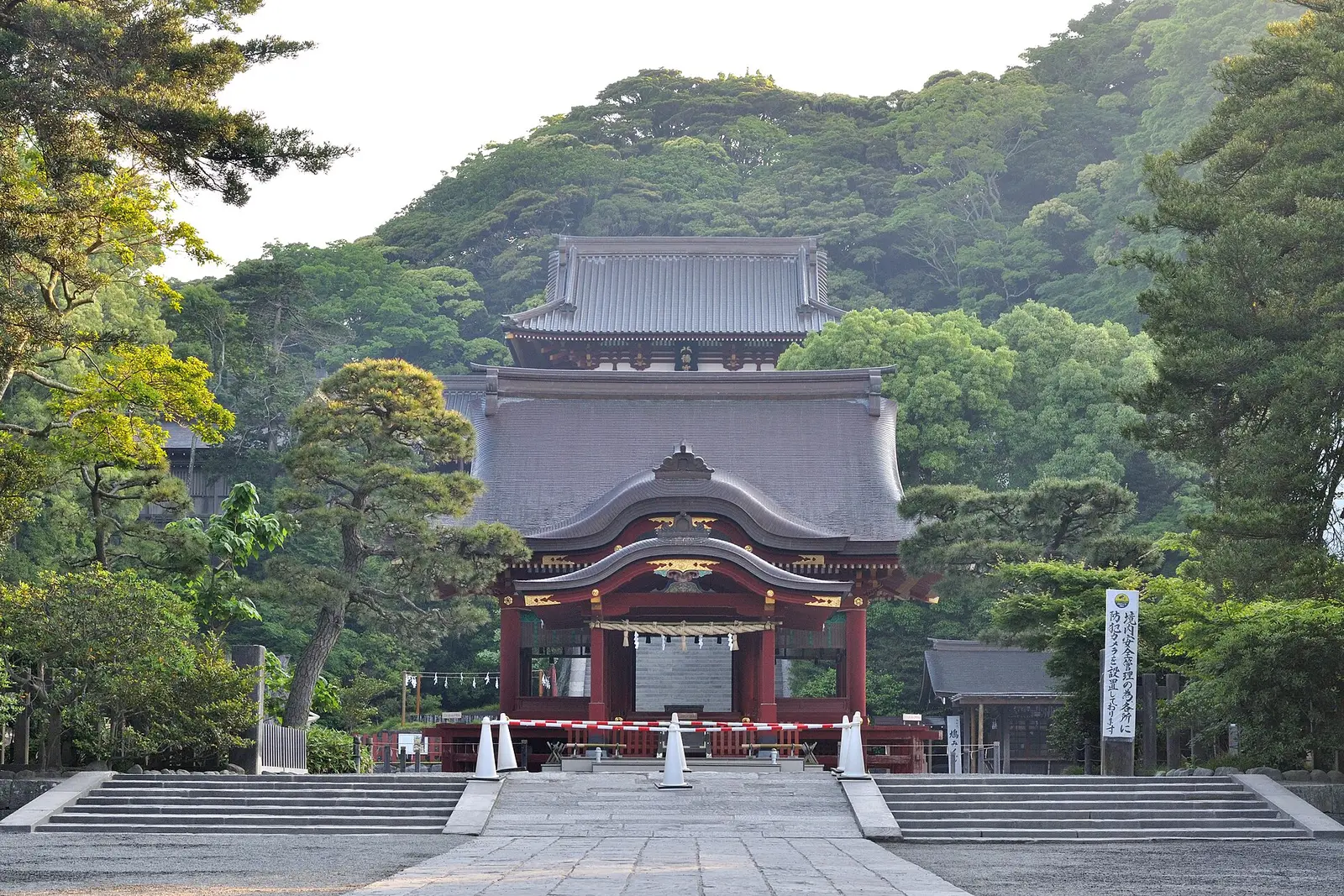
Most visitors reach Tsurugaoka Hachimangu by walking straight up from the sea. A long, wide road runs from the waterfront through the middle of Kamakura, passes under torii gates, and ends at a flight of steps leading to the main hall. The shrine is free, and it is open from early morning.
The shrine of the shogun
Tsurugaoka Hachimangu is dedicated to Hachiman, the patron god of the Minamoto family and of the samurai in general. A man named Minamoto Yoriyoshi founded the shrine in 1063.
The story really begins in 1180. Minamoto Yoritomo, who founded the Kamakura government and became its first shogun, enlarged the shrine and moved it to the place where it stands today. This is why the shrine matters so much. Kamakura was the seat of the samurai government during the Kamakura period, which ran from 1192 to 1333, and the shrine was part of that story from its start. The shrine also honors Emperor Ojin, who is identified with Hachiman, together with Hime-gami and Empress Jingu.
Walking the approach
The best way to arrive is on foot along Wakamiya Oji, the main street that runs from the sea toward the shrine. Several torii gates mark the way. In the middle of the street runs a raised, pedestrian path called Dankazura, lined with several hundred cherry trees. It is a pleasant way to arrive, especially when the trees are in bloom.
Kamakura Station is on the JR Yokosuka Line, about 60 minutes from Tokyo Station. From the station, the walk to the shrine takes 10 to 15 minutes. You can go along the Dankazura or take Komachi-dori, a busy shopping street. Both lead to the same place.
The ponds
Two ponds flank the main approach, just before the stairs. The Minamoto pond has three islands. The ponds are named for the Minamoto and Taira families. The Taira pond has four islands, and four is said to be unlucky in Japanese, because the word can sound like the word for death.
A garden known for its peonies surrounds the Minamoto pond. It opens only for part of the year, in winter and in spring, and costs 500 yen. Dates change from year to year, so check before you plan around it. If you are visiting at another time, you can skip it.
The stairs and the main hall
At the bottom of the stairs, you will see the Maiden, a stage where dance and music are performed. The main hall stands on a terrace at the top of a wide stairway. To the right of the stairway is Wakamiya, a smaller shrine.
For many years, a huge ginkgo tree stood to the left of the stairs. It was older than the shrine itself, and it turned bright gold each autumn. It did not survive a winter storm in March 2010, and it fell.
The main hall is also called the Hongu or the Jogu, and you may see either name on signs and maps.
Visiting
The shrine grounds are open every day from 6 am to 8 pm, and entry is free. The treasure hall, next to the main hall, is open from 9 am to 4 pm every day and costs 200 yen. It shows swords, masks and documents that belong to the shrine.
Plan for around an hour. The grounds open at 6 am, so you can come early if you prefer fewer people.
The shrine is very popular at New Year, when over two million people come to make their first prayers of the year. In mid-April and mid-September, there are horseback archery displays along the approach. These two events draw large crowds, so expect it to be busy.
Nearby
Hokokuji, the bamboo temple, is about 12 minutes from Kamakura Station by bus. The Great Buddha at Kotoku-in and Hase-dera are on the Enoden line, in the Hase district. For a seaside break afterward, Enoshima is a 25-minute ride on the Enoden from Kamakura Station.
More on Kamakura
 KAMAKURA3 min read
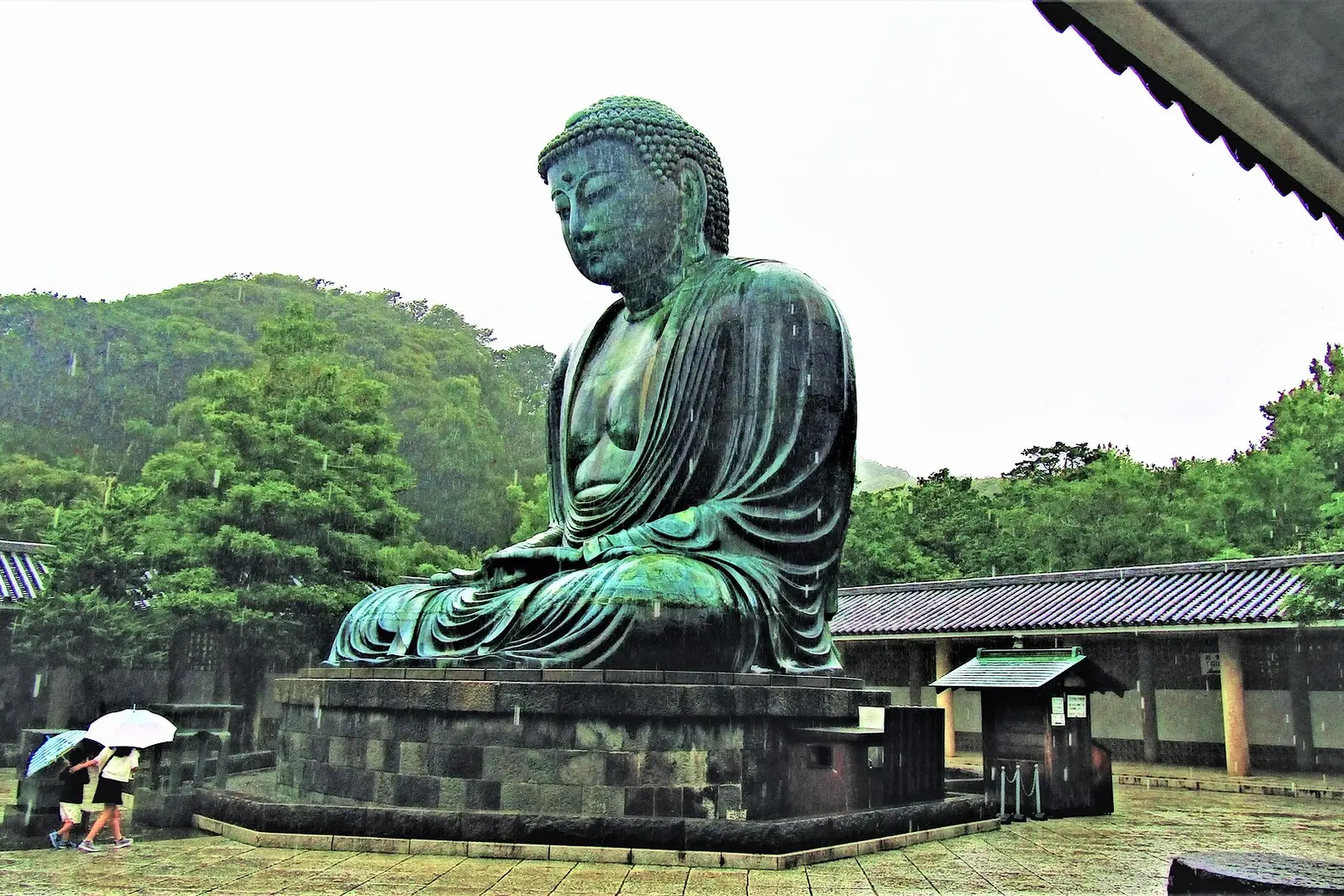
Great Buddha of Kamakura: A Giant Bronze Out in the Open
A bronze Buddha as tall as a house that has sat in the open air for centuries. What to know before you go.
 KAMAKURA3 min read
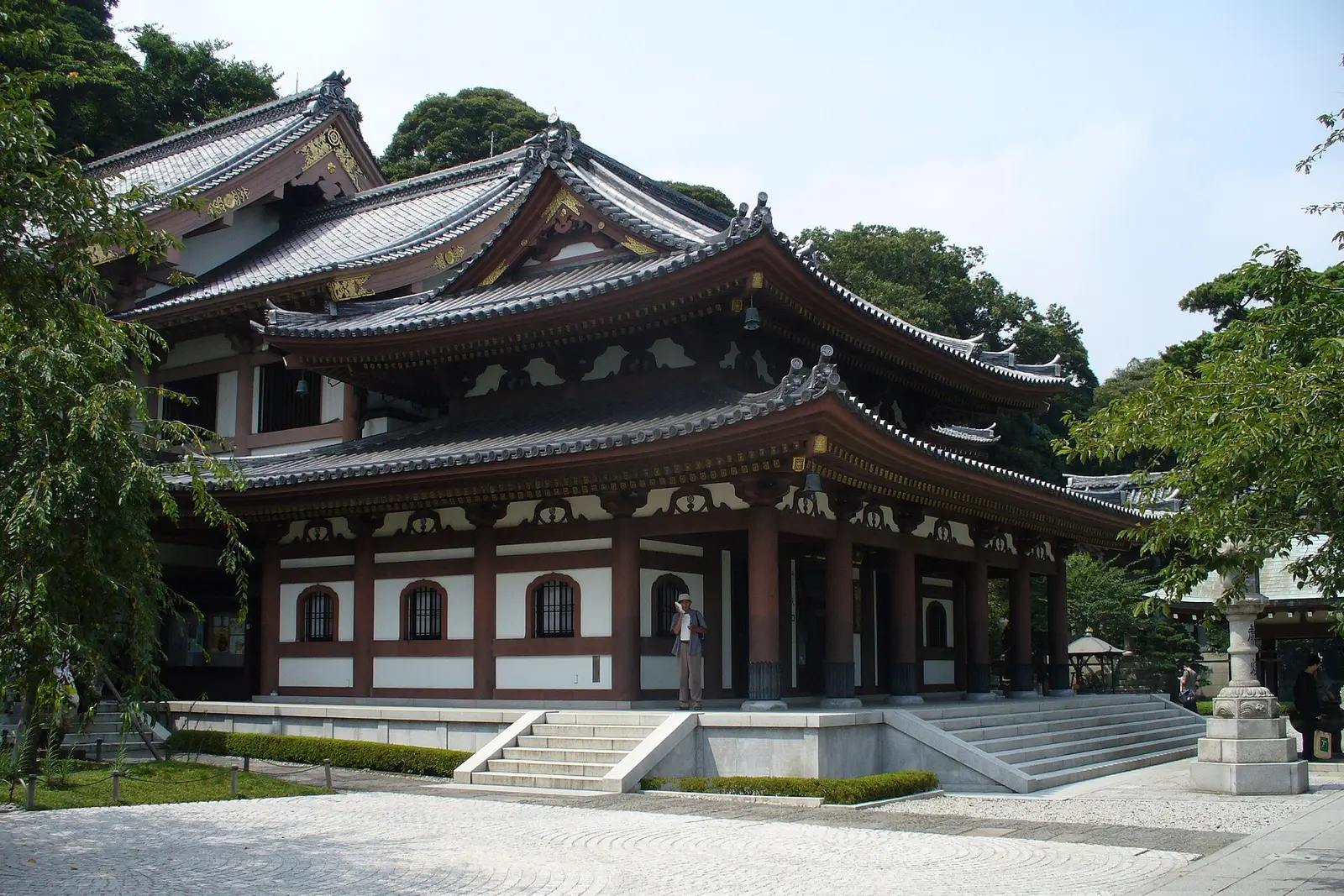
Hase-dera: Kannon, Jizo Statues and an Ocean View
A hillside temple with a tall Kannon, rows of small Jizo statues, a cave to explore and a view of the bay.
 KAMAKURA3 min read
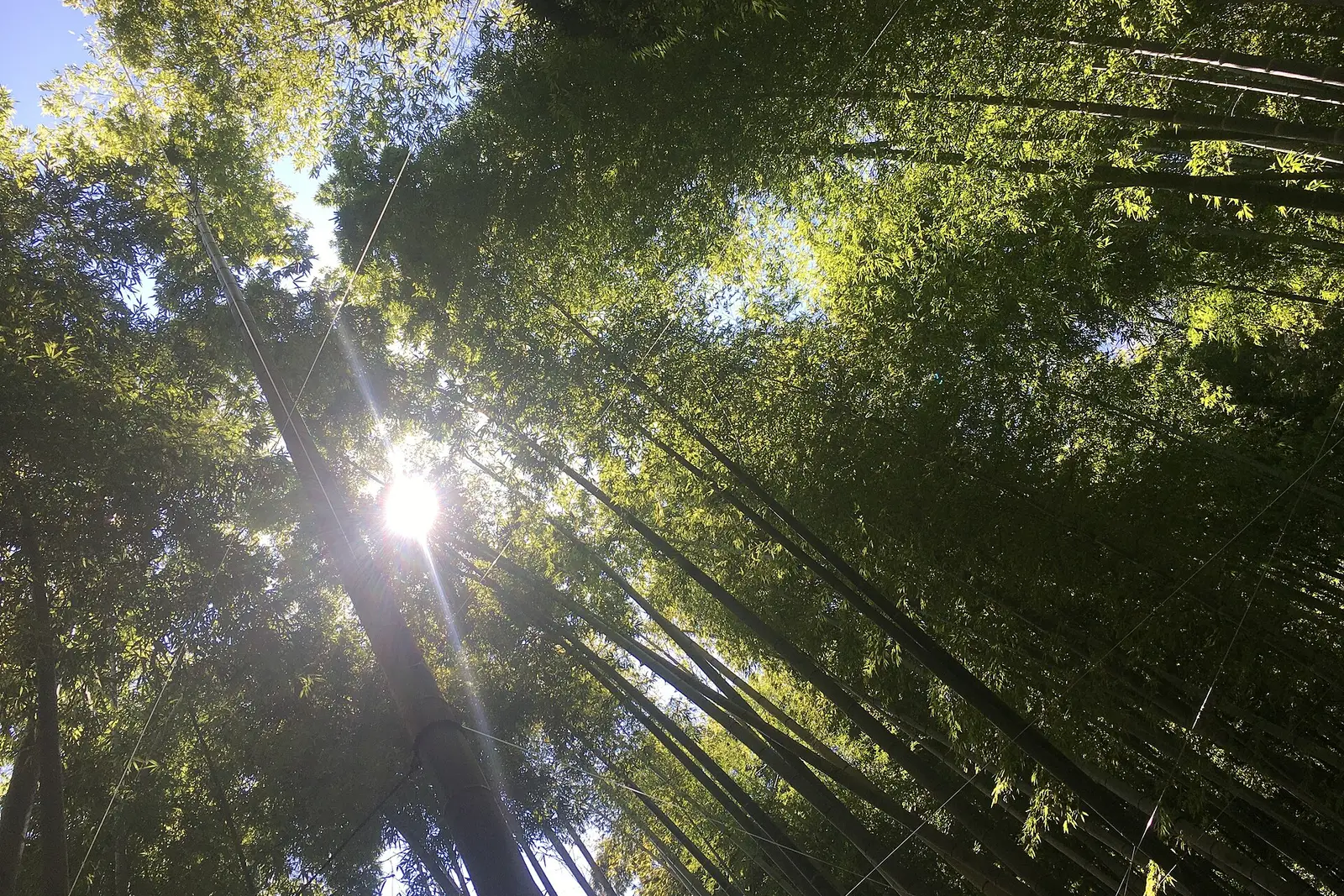
Hokokuji: Kamakura's Bamboo Temple
A small Zen temple with a quiet bamboo grove, where you can drink matcha among the stalks.