Destinations › Kanagawa › Kamakura
Hokokuji: Kamakura's Bamboo Temple
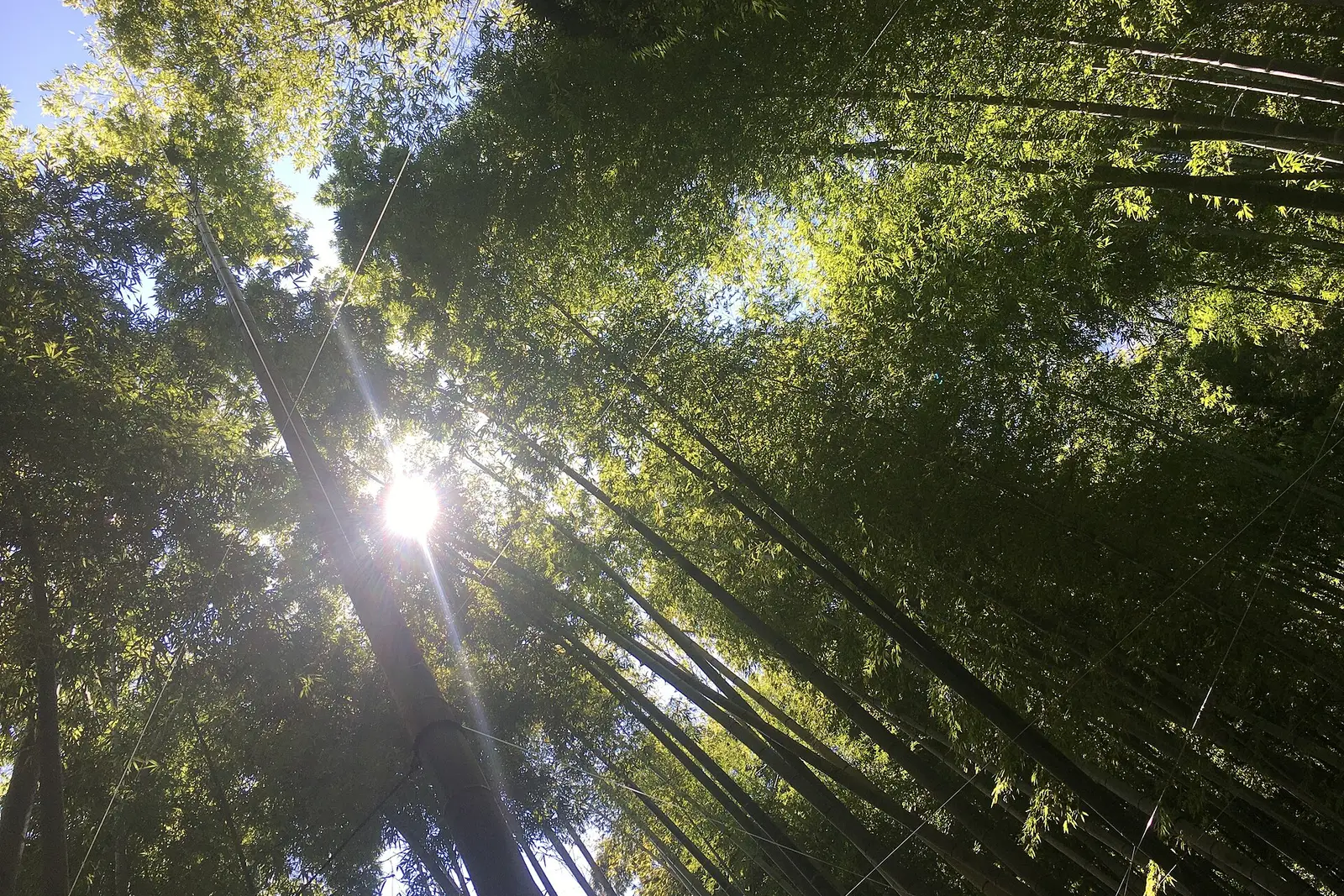
Behind the main hall of a small Zen temple on a hillside in eastern Kamakura, a path leads into a grove of tall green bamboo. It is quiet, cool and shady, and you can sit and drink a bowl of matcha right in the middle of it. This is Hokokuji.
A temple for a shogun's family
Hokokuji is a Zen Buddhist temple of the Rinzai sect, and it belongs to the Kenchoji branch. A priest named Tengan Eko founded it in 1334 in memory of Ashikaga Ietoki. Ietoki was the grandfather of Ashikaga Takauji, who became the first shogun of the Ashikaga family. So the temple has long ties to one of Japan's great samurai families.
The temple is small, and you can walk around it in a few minutes. The main hall holds a seated statue of Shaka, the historical Buddha. According to the temple, it was made by the sculptor Takuma Hogen. Another building, the Kasho-do, holds a statue of the founder, which dates to 1347. Many of the temple's older treasures are kept in the Kamakura Kokuhokan Museum, including a manuscript of Chinese poems by the founder and his wooden seal.
The main hall in front of you is not the original. It was rebuilt in the 1920s, after the Great Kanto Earthquake destroyed the earlier one. A bell tower with a thatched straw roof stands to the left.
The bamboo garden
Most people come for the bamboo. The garden lies behind the main hall, on the site of Tengan Eko's own retreat. The bamboo is a type called Moso, and there are said to be more than 2,000 stalks. Narrow paths wind between them, and the light that comes through the leaves is soft and green.
Walk slowly and look up. The garden takes only a short time to see, but the quiet is the reason to come.
Matcha in the grove
At the back of the garden, a tea house serves matcha with a small Japanese sweet. It costs 600 yen on top of the entry fee, and the last order is at 3:30 pm. You sit and look out at the bamboo while you drink. It is the one thing that makes a visit here different from a walk in a park, so leave time for it.
Near the back of the temple, you may also see shallow caves cut into the hillside. They are believed to hold the ashes of later Ashikaga lords.
Practical information
The garden is open from 9 am to 4 pm. Admission is 400 yen. A walk around the grounds and a bowl of tea fit easily into one hour, so it is a good short stop between bigger sights. The temple is closed from December 29 to January 3, and it also closes in bad weather, so check the sky before you set out. The grounds are small and the paths are narrow, so come early if you want the garden with fewer people in it.
How to get there
Hokokuji is in the Jomyoji district, east of the center of Kamakura. From Kamakura Station, take a Keikyu bus to the Joumyoji bus stop. The ride takes about 12 minutes, and the temple is a 3-minute walk from there. A taxi from the station takes about 7 minutes. By car, it is about 10 minutes from the Asahina Interchange, and there is a small car park, with paid parking nearby if it is full.
Kamakura Station is on the JR Yokosuka Line, about 60 minutes from Tokyo Station, or about 50 minutes from Shinagawa. If you want to walk from the station, plan on 30 to 40 minutes.
Nearby
Hokokuji is on the eastern side of town, so it pairs well with a trip back toward the station. There, Tsurugaoka Hachimangu shrine is a 10 to 15 minute walk from the station. The Great Buddha at Kotoku-in and Hase-dera are on the Enoden line, in the Hase district.
More on Kamakura
 KAMAKURA3 min read
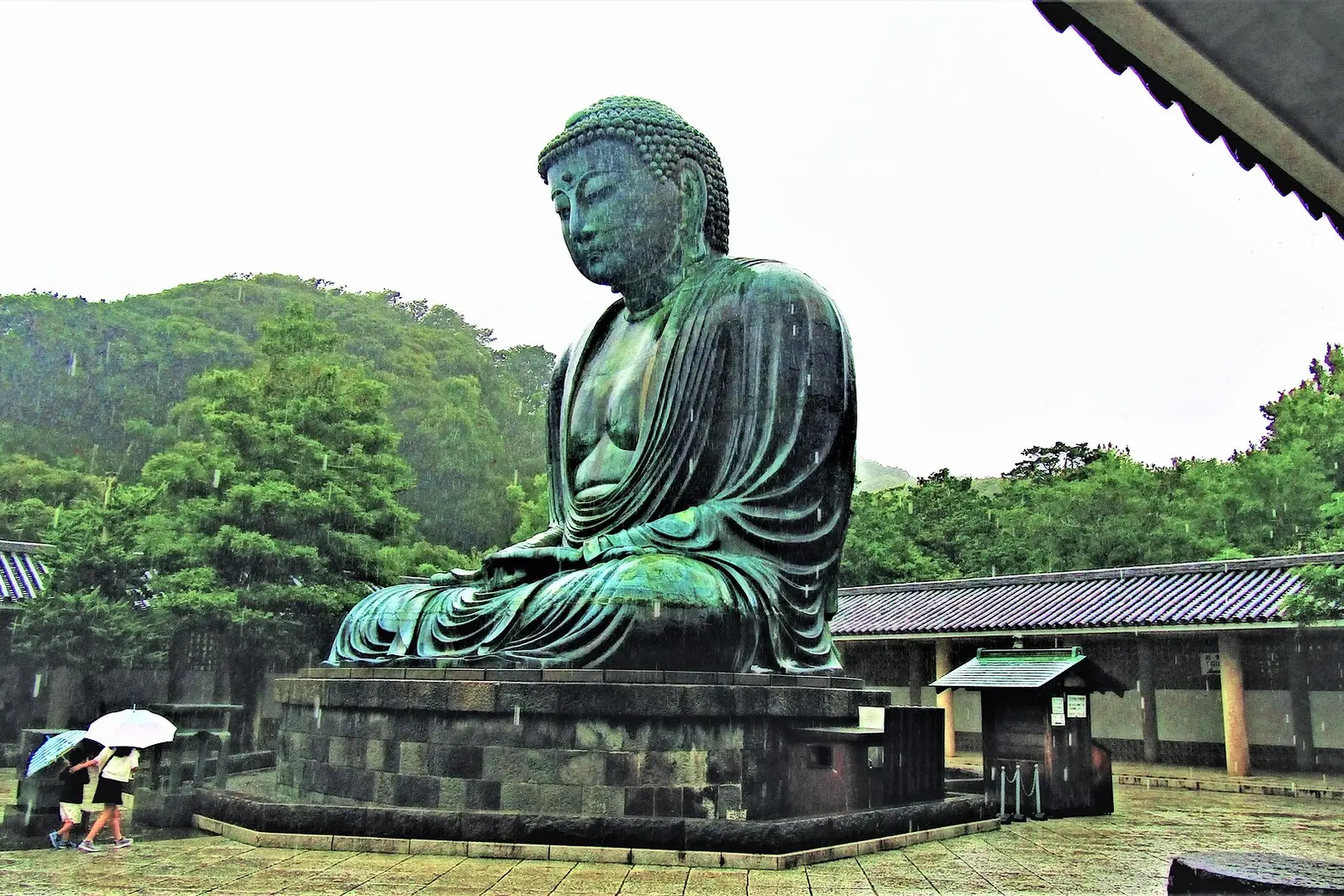
Great Buddha of Kamakura: A Giant Bronze Out in the Open
A bronze Buddha as tall as a house that has sat in the open air for centuries. What to know before you go.
 KAMAKURA3 min read
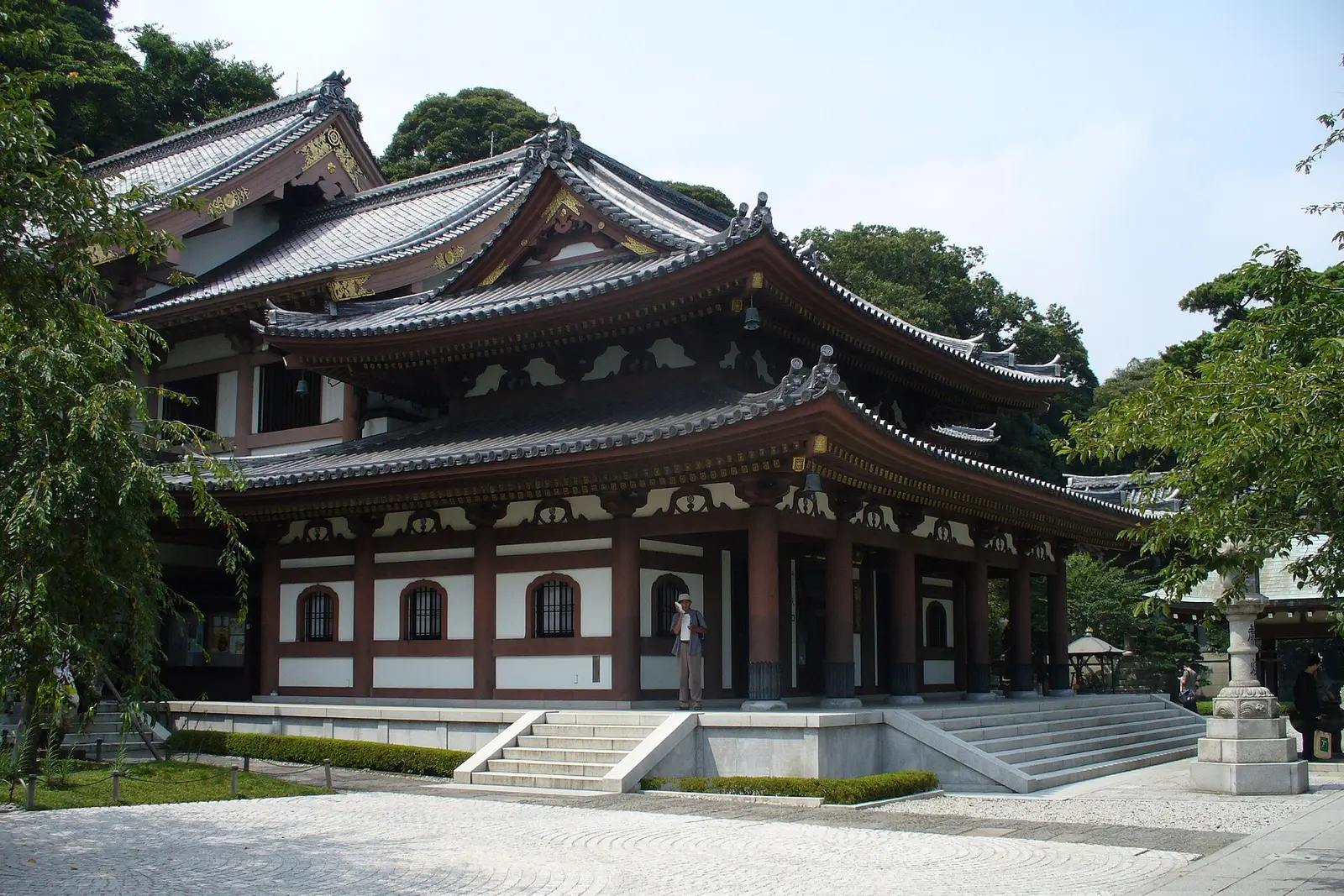
Hase-dera: Kannon, Jizo Statues and an Ocean View
A hillside temple with a tall Kannon, rows of small Jizo statues, a cave to explore and a view of the bay.
 KAMAKURA3 min read
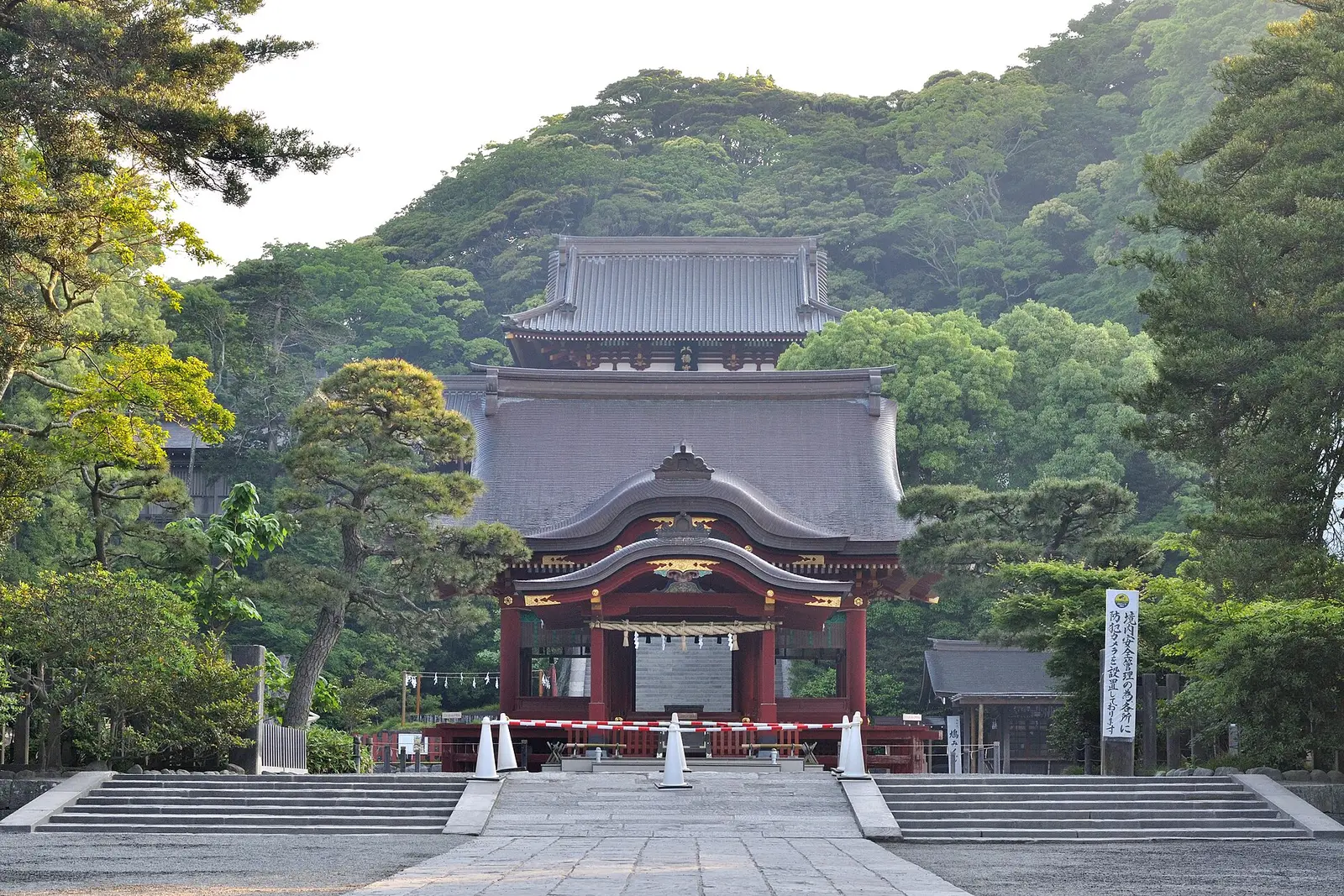
Tsurugaoka Hachimangu: Kamakura's Samurai Shrine
The shrine at the end of Kamakura's long, tree-lined approach, tied to the first shogun and the samurai.