Destinations › Ishikawa › Kanazawa
Higashi Chaya: Kanazawa's Old Geisha District
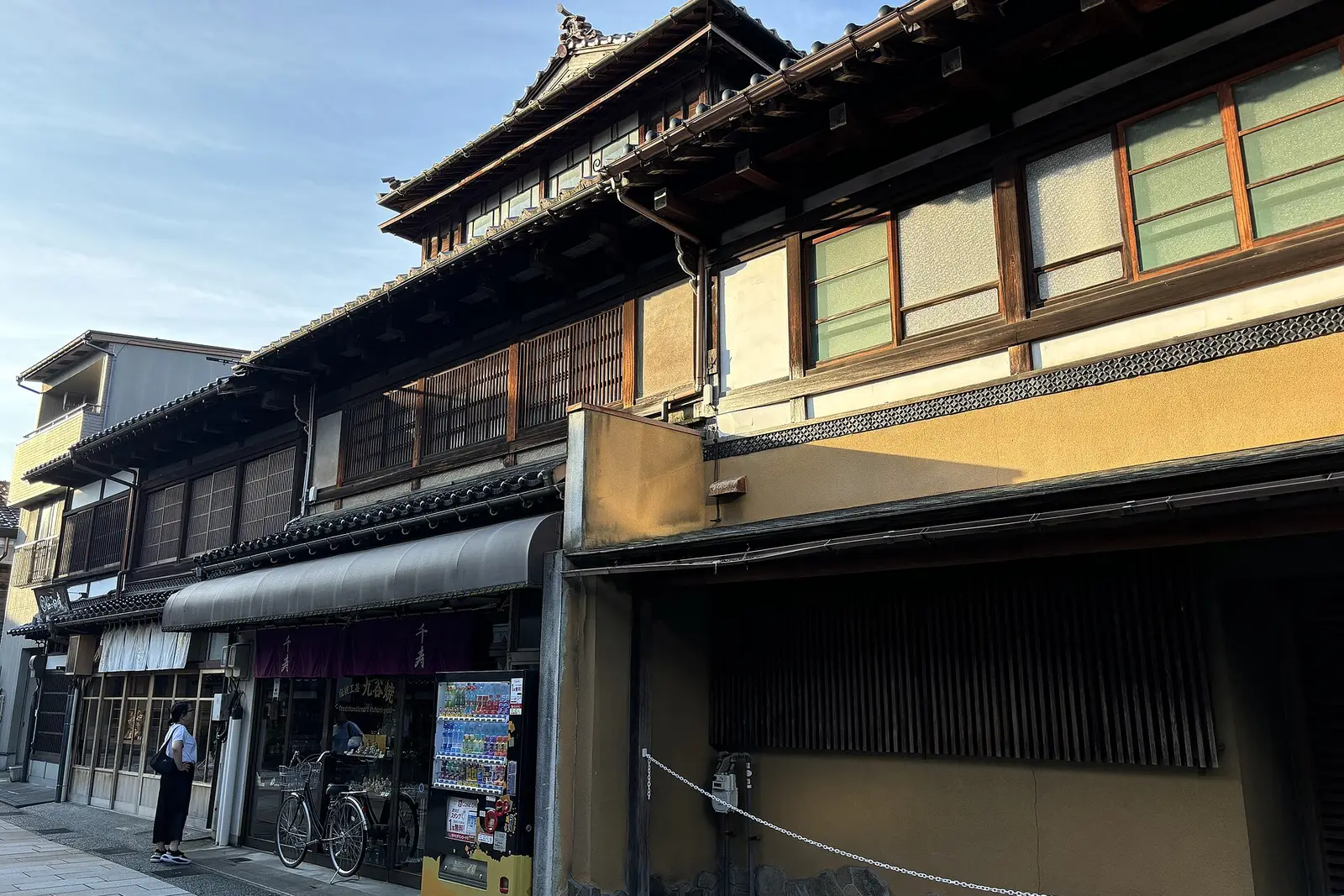
Wooden houses with fine lattice fronts line a stone street, and a few of them still host geisha in the evening. Higashi Chaya is the largest of Kanazawa's three old geisha districts. It is also one of the easiest places in the city to enjoy on foot.
What a chaya district is
A chaya is a teahouse, but not the kind where you just buy tea. In Kanazawa an ochaya is a place where geisha entertain guests with music, dance and conversation. In the early 1800s, teahouses were scattered through the city. In 1820 they were moved to three districts outside the center, and Higashi Chaya became the largest and best known.
Under the Edo-period rules, only teahouses of this kind could build two floors, so the buildings stand out from the older streets. Look at the first floor, where there is a wooden lattice called kimusuko. The guest rooms are upstairs. Many of these buildings now hold cafés, shops and restaurants. The district is protected as an Important Preservation District for Groups of Traditional Buildings.
Shima: a teahouse you can enter
Shima was built in 1820, the same year the district was created. It is a National Important Cultural Asset, and today it is open to visitors. Inside you can see the second-floor guest rooms, a waiting room, a small courtyard and the rooms where guests were once entertained. Green tea with Japanese sweets is served in the courtyard, and it costs extra.
Entry is ¥500 for adults and ¥300 for children aged 16 and under. It is open every day, from 9:30 to 17:30 from March to November and from 9:30 to 17:00 from December to February. Most visitors spend about 15 minutes inside.
Kaikaro, the largest teahouse in the district, still hosts geisha at night. During the day it welcomes visitors for tea, coffee and dessert.
Tea, sweets and kimono
Many of the old townhouses are now cafés. Sit down in one for matcha and Japanese sweets, and you get to see the inside of a traditional building at a small cost. Some visitors rent a kimono for the day and walk the street in it, which suits the setting well.
Gold leaf
Kanazawa makes almost all of Japan's gold leaf. The tourism office says the city has a 99% share of the market. In Higashi Chaya, you can buy a popular soft-serve ice cream covered with a sheet of real gold. You can also try a gold leaf workshop and make an accessory yourself.
Can I meet a geisha?
Not on the street. The ochaya in Higashi Chaya are private. Five of them operate today, with more than a dozen geisha, and they do not admit first-time visitors without an introduction from someone they know. To learn about the culture, visit the Kanazawa Asanokawa Enyukai Hall. The tourism association also holds geisha performances in the three districts on certain Saturdays.
If you want an evening out, some bars and izakayas in old teahouses welcome walk-in guests.
How to visit
There is no entry fee and no closing time for the street. Most shops open at about 10:00 and close at about 17:00, so the daytime is busy and the nights are very quiet. A walk down the street takes about an hour. With shopping and a stop for tea, plan on about two hours.
Please do not eat while you walk. It is prohibited in Higashi Chaya, except in some designated zones. Buy your sweets or ice cream and eat them at the shop. Be gentle with photos too. Many of these buildings are homes and workplaces, not museum displays.
Getting there
From Kanazawa Station, it is about 2 kilometers, or 30 minutes on foot. You can also take a bus for about seven minutes to the Hashiba-cho stop, and then walk about five minutes. The streets are narrow and parking is limited, so a car is not a good idea, especially on weekends.
Nearby
The Asano River is a short walk away, and across the bridge is Kazue-machi, another old teahouse district. Kenrokuen and Omicho Market are both served by the Kanazawa Loop Bus, the same bus line that stops at Hashiba-cho.
More on Kanazawa
 KANAZAWA3 min read
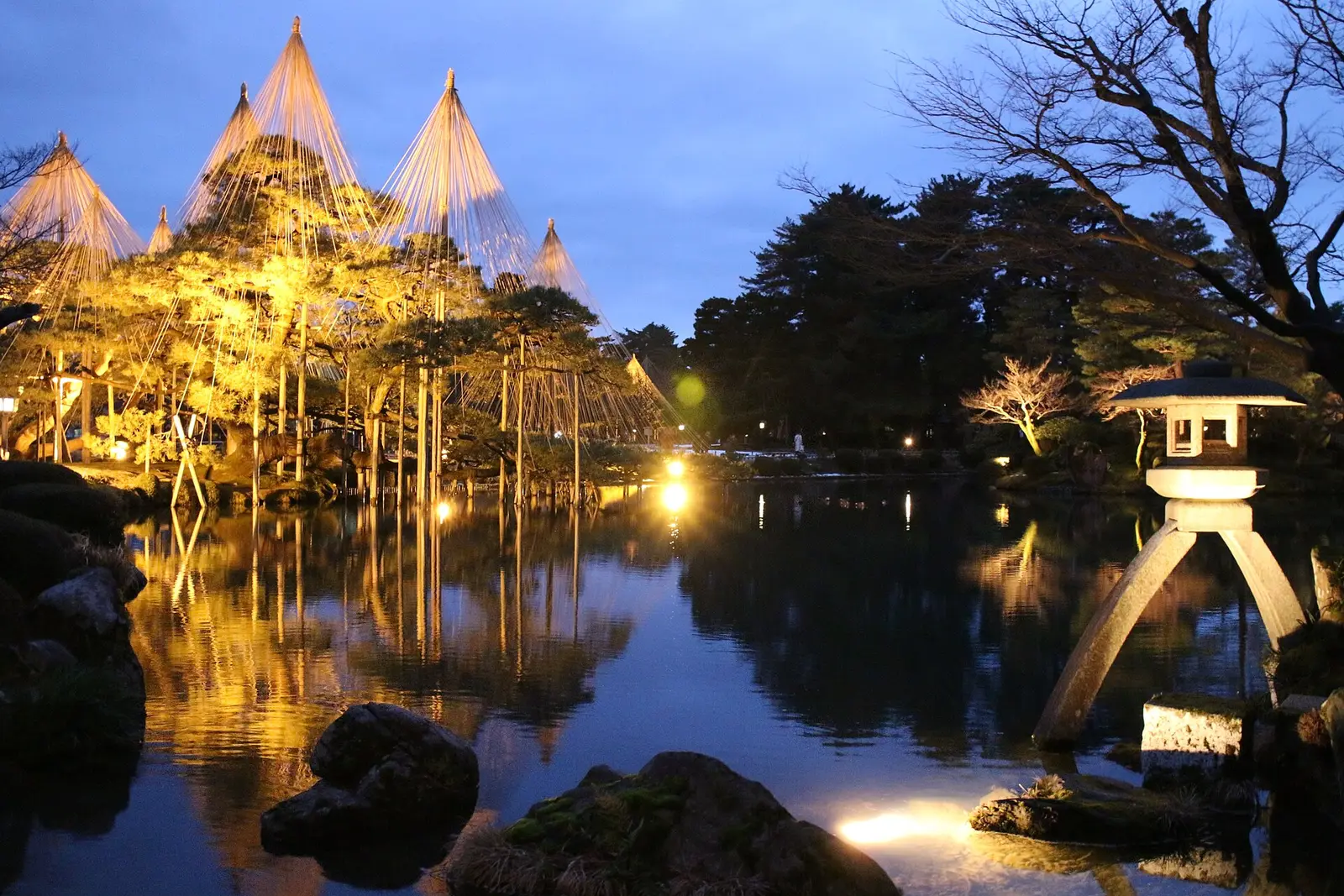
Kenrokuen: Kanazawa's Garden of Six Qualities
One of Japan's three great gardens, with a pond, old pines and snow ropes in winter. Hours, prices and tips.
 KANAZAWA3 min read
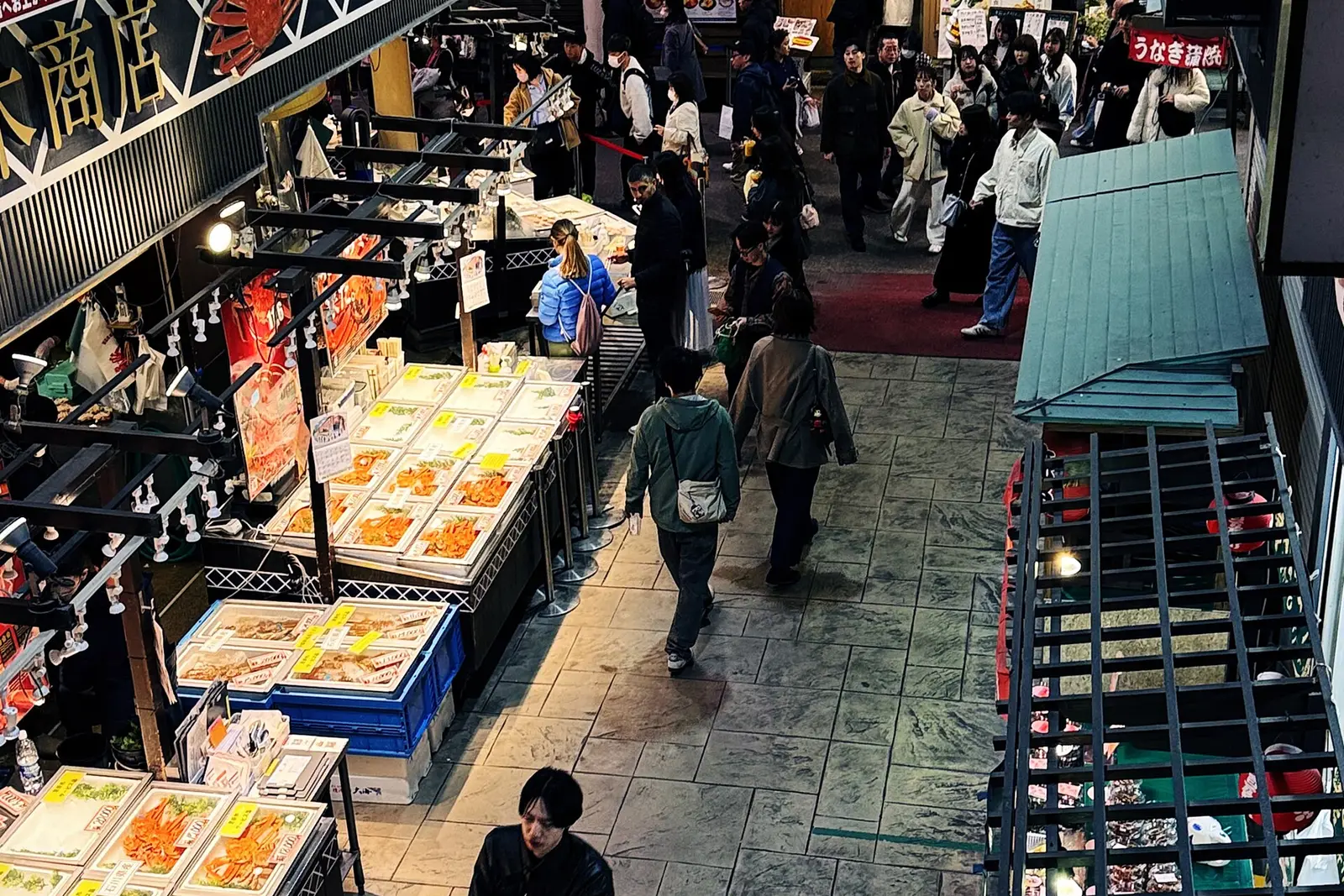
Omicho Market: Kanazawa's Seafood Kitchen
A covered market of about 170 shops with fresh Sea of Japan seafood. What to eat and when to go.
 KANAZAWA3 min read
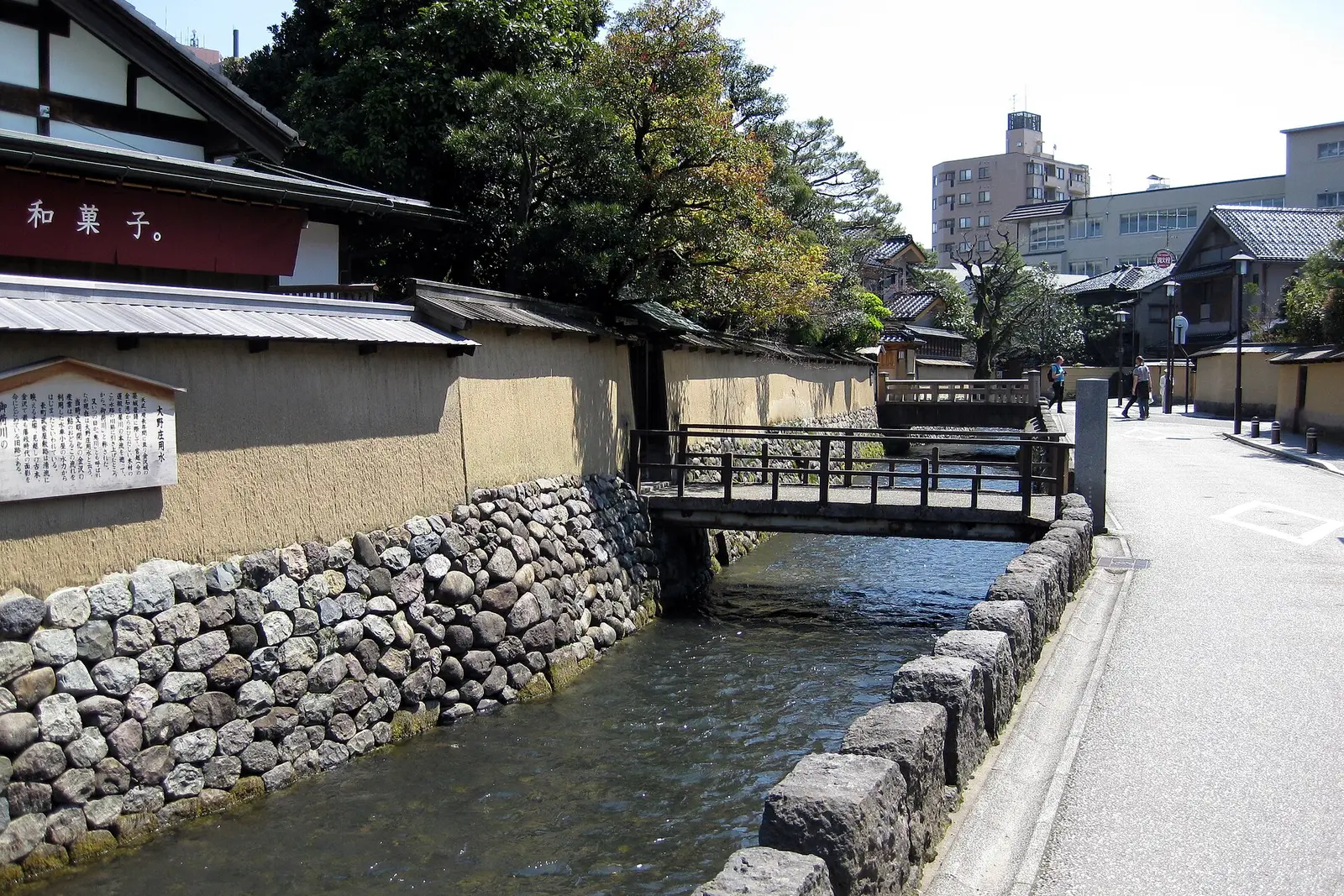
Nagamachi: Kanazawa's Samurai Quarter
Earthen walls, narrow lanes and a samurai house with a garden. A quiet walk back into the Edo period.