Destinations › Ishikawa › Kanazawa
Omicho Market: Kanazawa's Seafood Kitchen
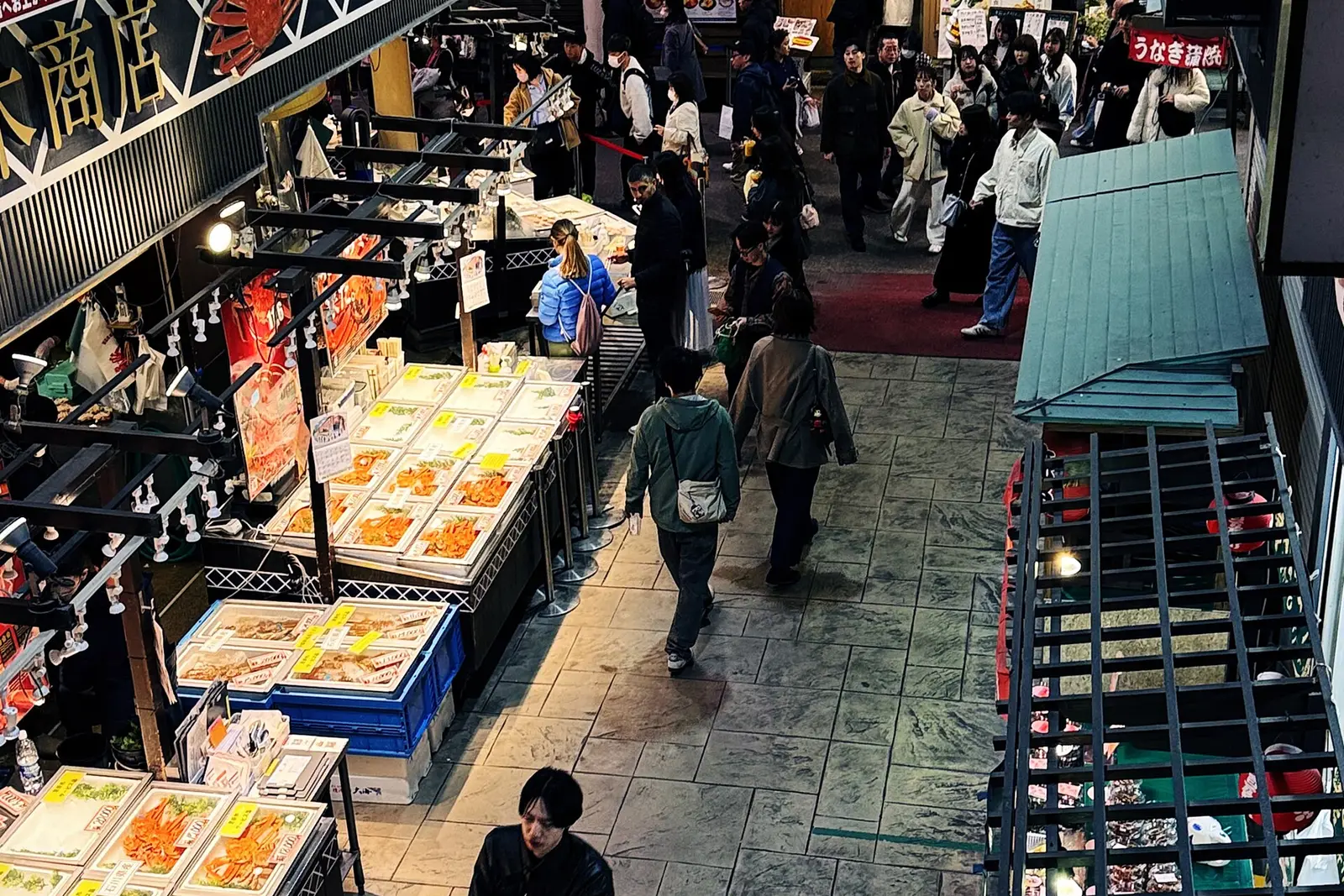
Kanazawa sits close to the Sea of Japan, and a lot of what comes out of that sea ends up here. Omicho Market is a covered market of fish stalls, vegetable shops and small restaurants. People in Kanazawa have shopped here for generations, and locals call it "Omicho."
A market that is more than 300 years old
Omicho Market started in the Edo period, and it has been part of Kanazawa's food life for more than 300 years. Today it has more than 170 shops along narrow lanes under a roof. Many of them are fishmongers selling seafood from the Sea of Japan. The rest are greengrocers, butchers, sweet shops, flower and clothing stalls, and restaurants.
The market is not a museum. It is a place where people still shop for their food, and that is what makes it fun to walk through.
What to eat
The most popular order is kaisendon, a bowl of hot rice topped with raw seafood. It is the local favorite, and many restaurants in and around the market serve it. You can also have sushi, grilled seafood and other local dishes.
What you see on the stalls depends on the season. The Sea of Japan is known for crab, yellowtail and shrimp. The market is usually the most crowded around November. Snow crab season runs from early November to mid-March, so late autumn and winter are a good time to come if you like crab.
Prices vary by shop and by what is in season. Look at the menu before you sit down, and compare two or three places if you are not in a hurry.
More than seafood
Seafood is the star, but the market also sells vegetables, fruit, meat, sweets, souvenirs, flowers and clothes. If you are staying in an apartment or want a snack for the train, this is a good place to pick up local food.
Walking through the market
The lanes are narrow and the shops stand close together, so it can feel busy, especially around lunch. Take your time, look at what is on the stalls, and step aside when you stop to take a photo so that shoppers can pass. Ask the staff before you photograph a shop or the people working in it.
A refurbished building called Omicho Ichibakan holds a group of popular restaurants and stores. It is a good place to start if you want a meal and are not sure where to go.
When to go
The official opening hours are 9:00 to 16:00, but each shop sets its own hours. Some restaurants and eateries, including sushi and seafood places, open as early as 7:00 in the morning. The market is closed only for the New Year holidays, but individual shops and restaurants take their own days off, often one weekday such as Wednesday. If you have one favorite place in mind, check its day off first. As one example, a popular seafood bowl restaurant in the market is listed as closed on Wednesdays and serving lunch from around 11:00.
Lunchtime is the busiest time of day, and the best seafood bowl restaurants can have a line. Come in the morning if you can. A seafood breakfast or an early lunch means shorter lines.
Getting there
From Kanazawa Station it is about a 15-minute walk. You can also take a bus from the east exit. The nearest stop is Musashigatsuji, and the market is about a minute's walk from there. The Kanazawa Loop Bus, the Hokutetsu bus and the West JR bus all stop there. The market also has parking, including space for large buses.
Nearby
Omicho pairs well with Nagamachi, the old samurai district, and the official tourism site suggests the two as a three-hour half day. Kenrokuen and Higashi Chaya are both served by the same Kanazawa Loop Bus that stops at Musashigatsuji, so a morning at the market and an afternoon at the garden is an easy plan.
More on Kanazawa
 KANAZAWA3 min read
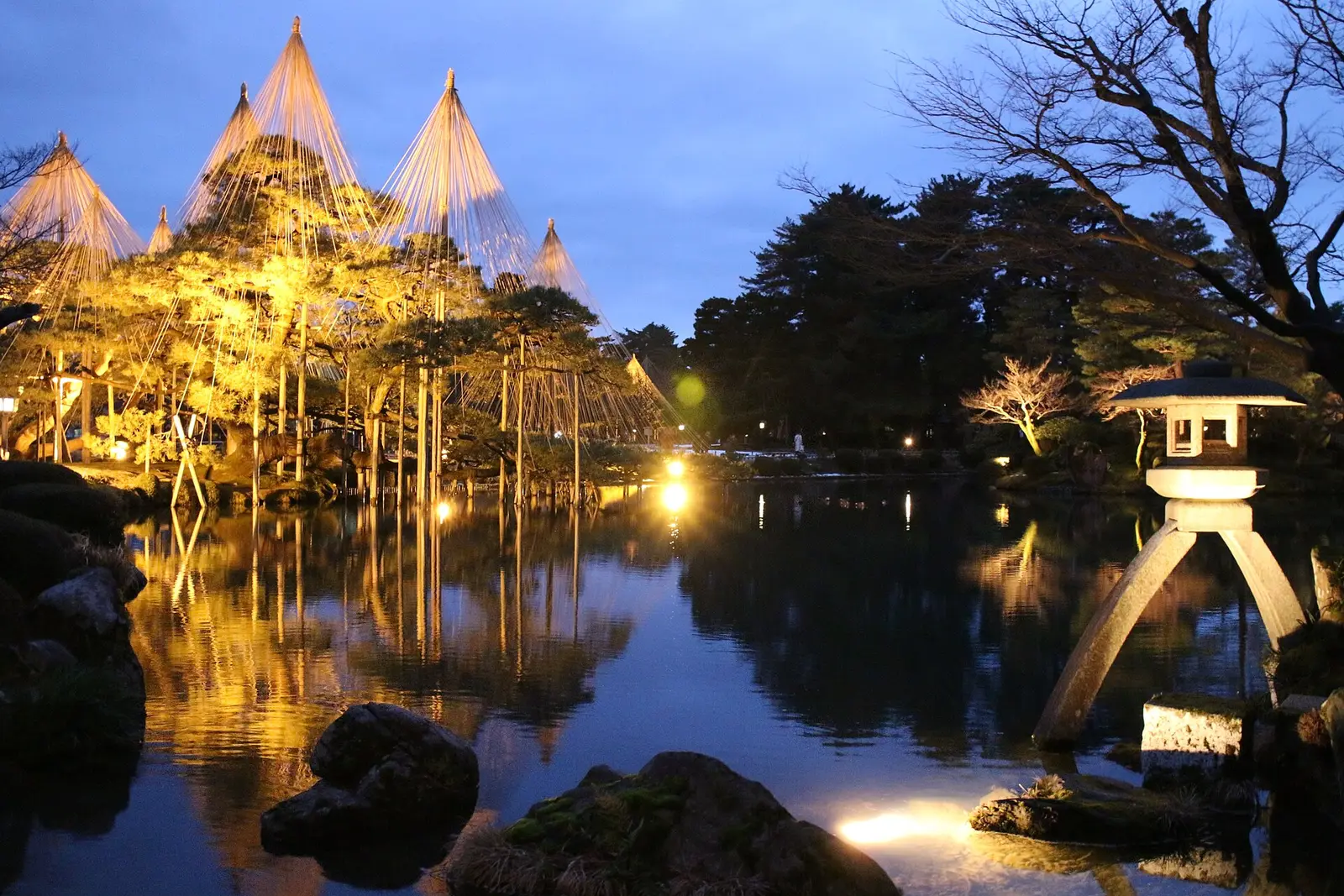
Kenrokuen: Kanazawa's Garden of Six Qualities
One of Japan's three great gardens, with a pond, old pines and snow ropes in winter. Hours, prices and tips.
 KANAZAWA3 min read
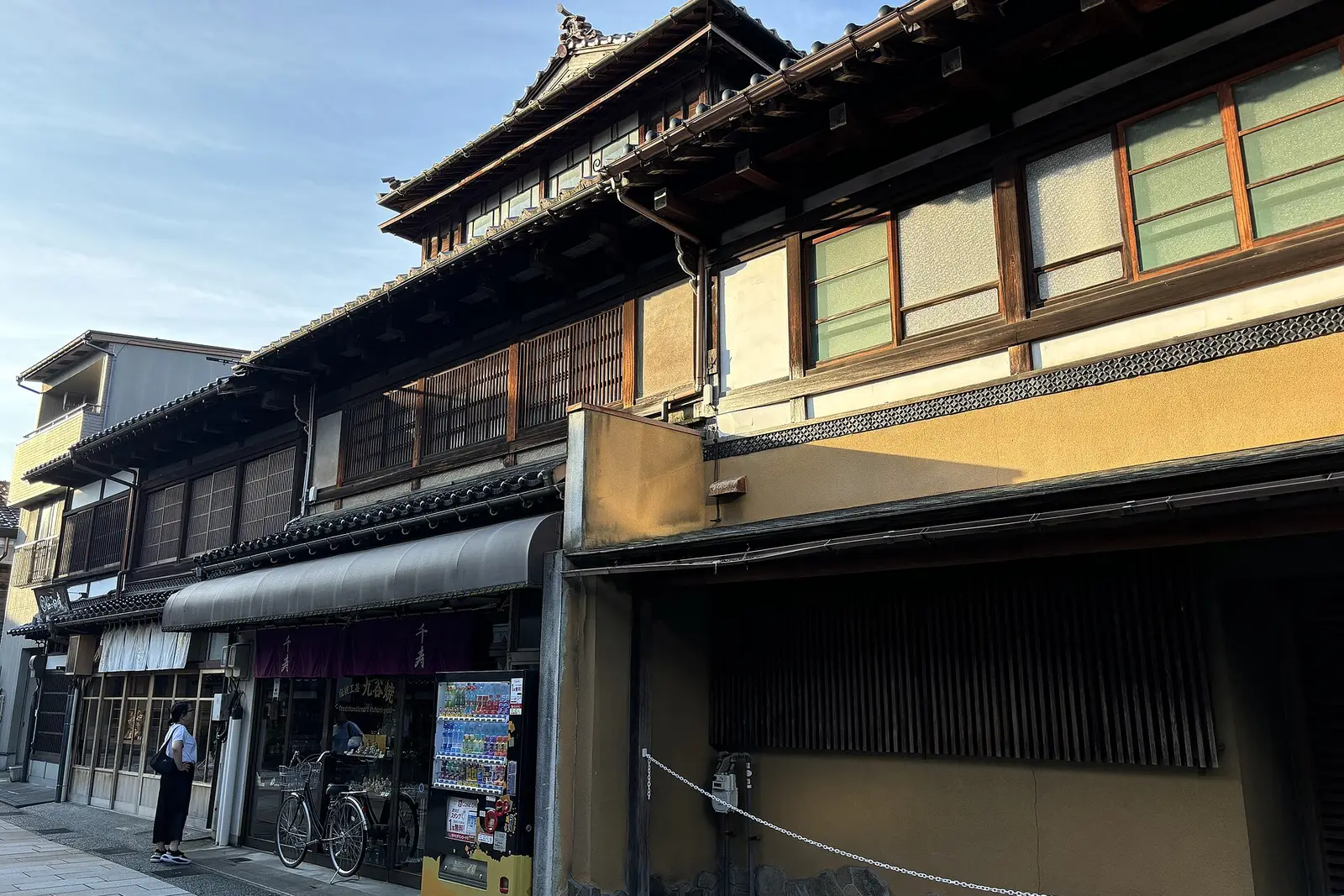
Higashi Chaya: Kanazawa's Old Geisha District
Wooden teahouses, gold leaf sweets and a former geisha house you can walk through. How to see it well.
 KANAZAWA3 min read
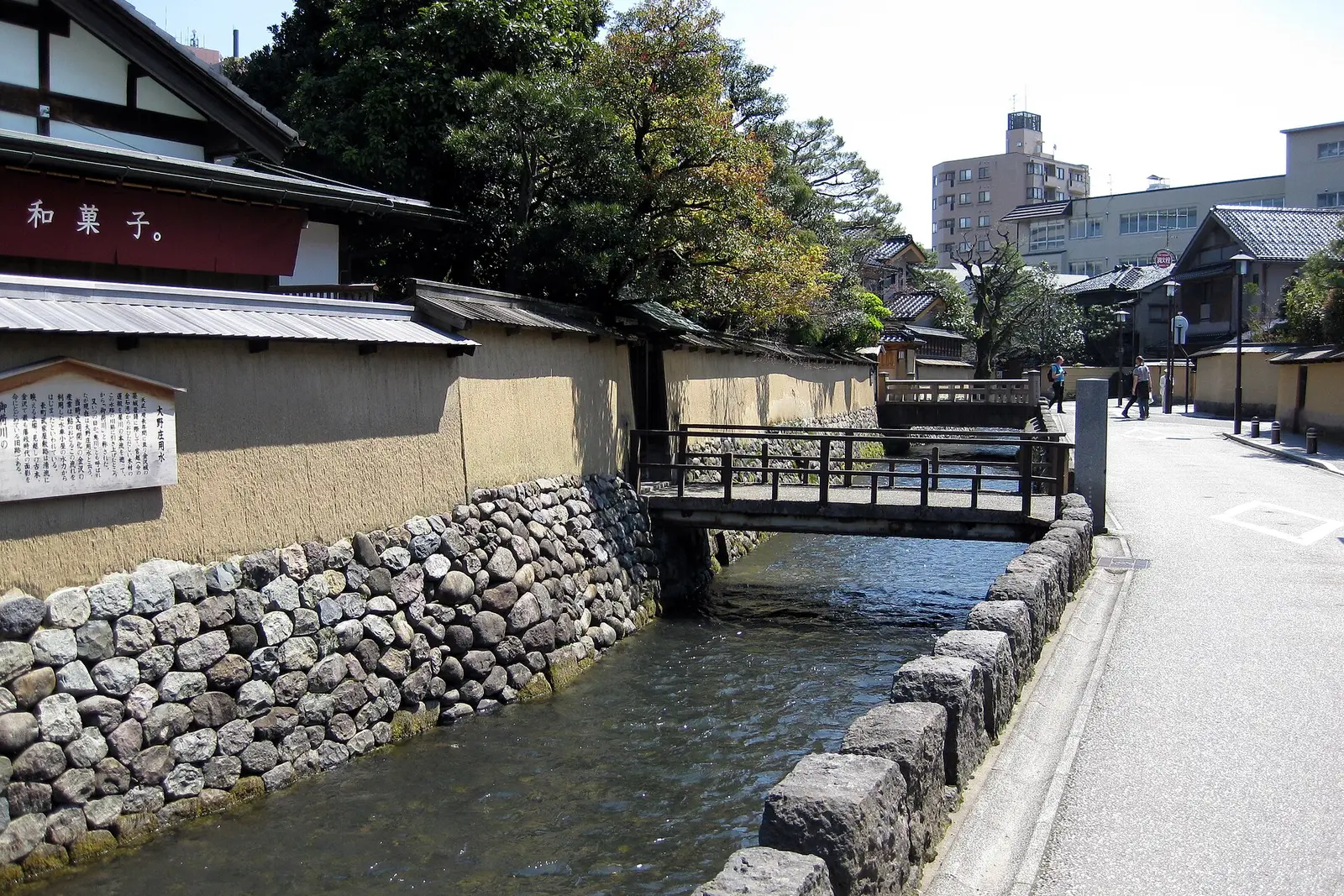
Nagamachi: Kanazawa's Samurai Quarter
Earthen walls, narrow lanes and a samurai house with a garden. A quiet walk back into the Edo period.