Destinations › Ishikawa › Kanazawa
Nagamachi: Kanazawa's Samurai Quarter
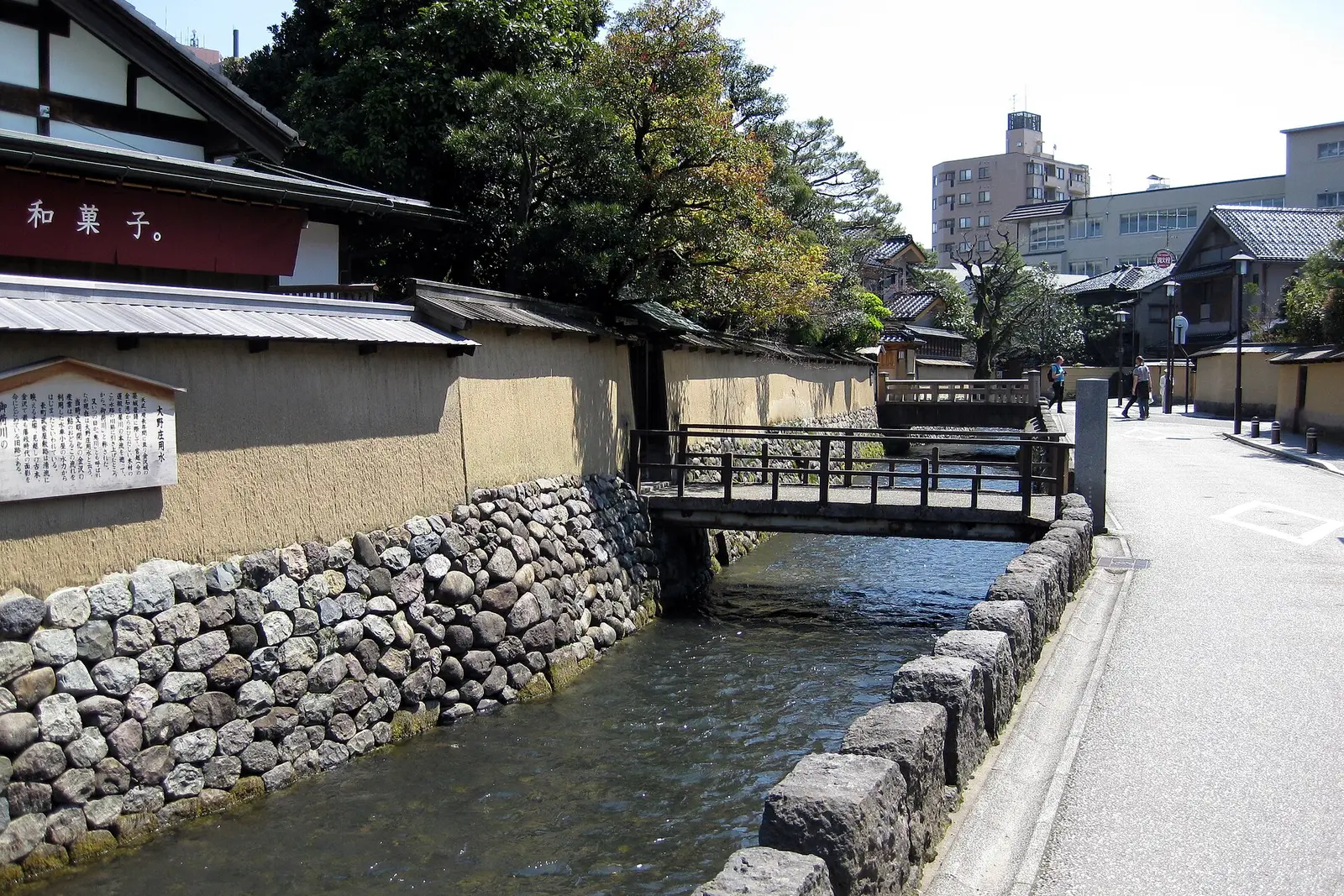
A few minutes from Kanazawa's busy shopping streets, the road turns into a quiet lane between tall earthen walls. This is Nagamachi, where the samurai who served the Maeda lords once lived. People still live here, and that is part of what makes it feel real.
The castle town of Kanazawa
During the Edo period, Kanazawa was the center of the Kaga domain, and it grew to more than 100,000 people. That made it one of the largest castle towns in feudal Japan. Nagamachi, near the middle of the town, was where middle and high-ranking samurai lived. The name means "Long Town."
Many Japanese cities lost their old districts to fires and war. Nagamachi did not suffer large fires, including the firebombing of the Second World War, so it kept many features from the Edo period. Its layout still matches old maps of the town.
What you will see
The first thing you notice is the earthen walls, called tsuchi-kabe. They line the narrow, stone-paved lanes, and the gates of old row houses open onto them. In some places the original walls still stand. Look over the top for trees, which turn red and yellow in autumn.
In winter, straw mats are put up along the walls. The mats protect the earth from snow and frost so the walls do not crack. They are a well-loved sight, and they draw visitors to the district in the cold months. The district also has a water system with small canals that is still in use. The Onosho Canal is described by the city's tourism site as the oldest canal in Kanazawa.
Nomura Samurai Residence
If you want to go inside a samurai home, this is the one to visit. The Nomura family held senior posts under the Maeda lords for generations. The house shows how a samurai family lived. It has a ceiling made entirely of Japanese cypress, sliding doors painted by the Maeda family's own painter, and a garden with a stream and old rocks. A bayberry tree there is more than 400 years old.
Entry is ¥550 for adults, ¥400 for high school students and ¥250 for junior high and elementary students. It is open from 8:30 to 17:30, and until 16:30 from October to March. The last entry is 30 minutes before closing. The house is closed on December 26 and 27 and January 1 and 2.
Tea, sweets and a slow walk
Nagamachi has a few small cafés in old buildings. One café sells sweets with a view of the Nomura garden, and another sells handmade sweets and matcha that often sell out by late afternoon, so go early. Shops here close on different days, so check before you plan a route. Some are closed on Mondays, Thursdays or Fridays.
For a meal, one restaurant serves Kanazawa-style oden lunch sets on Kutani ware, the local painted pottery. There are also hands-on lessons if you have time, such as a cooking class for the local dish jibuni and pottery sessions in a studio. Both need a reservation, so book ahead.
The Kaburaki Kutani Museum, which shows local pottery, is free to enter. So is the Holy Spirit Monastery Cathedral nearby.
How to visit
A relaxed loop of the district takes about an hour. Start at the Korinbo area, about a ten-minute bus ride from Kanazawa Station, and walk in. The Nomura house is about a five-minute walk from the Korinbo bus stop and about a minute from the Nagamachi Buke Yashiki Ato stop. There is no parking in the district itself.
Remember that people live here. Keep your voice low, do not step into gates or private entrances, and be careful with photos of homes.
Nearby
Nagamachi is close to Kanazawa Castle Park and Kenrokuen, and the three go well together as a half day. Omicho Market is also close, and the tourism site suggests the market and Nagamachi as a three-hour trip. For the old geisha district, Higashi Chaya, take a bus.
More on Kanazawa
 KANAZAWA3 min read
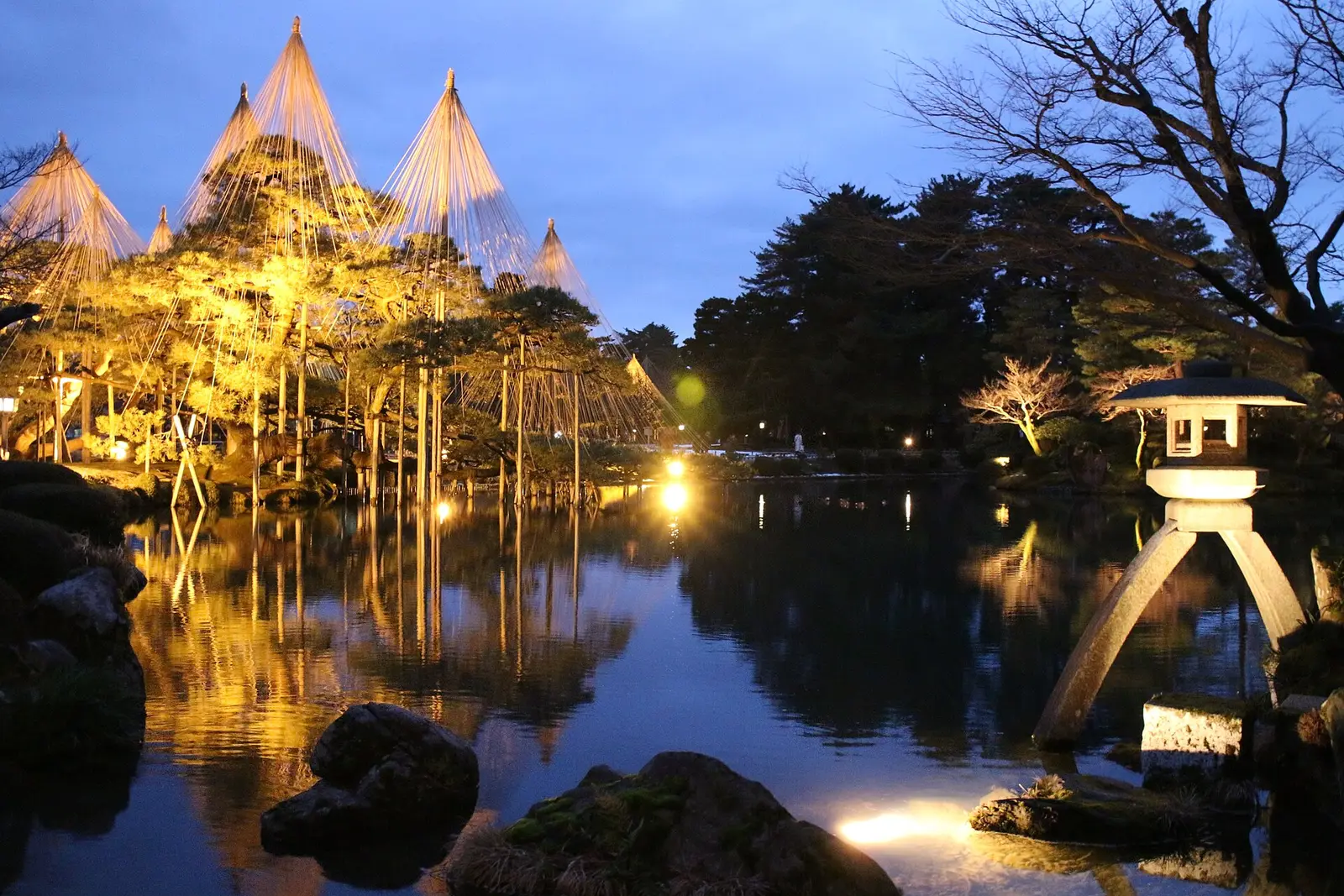
Kenrokuen: Kanazawa's Garden of Six Qualities
One of Japan's three great gardens, with a pond, old pines and snow ropes in winter. Hours, prices and tips.
 KANAZAWA3 min read
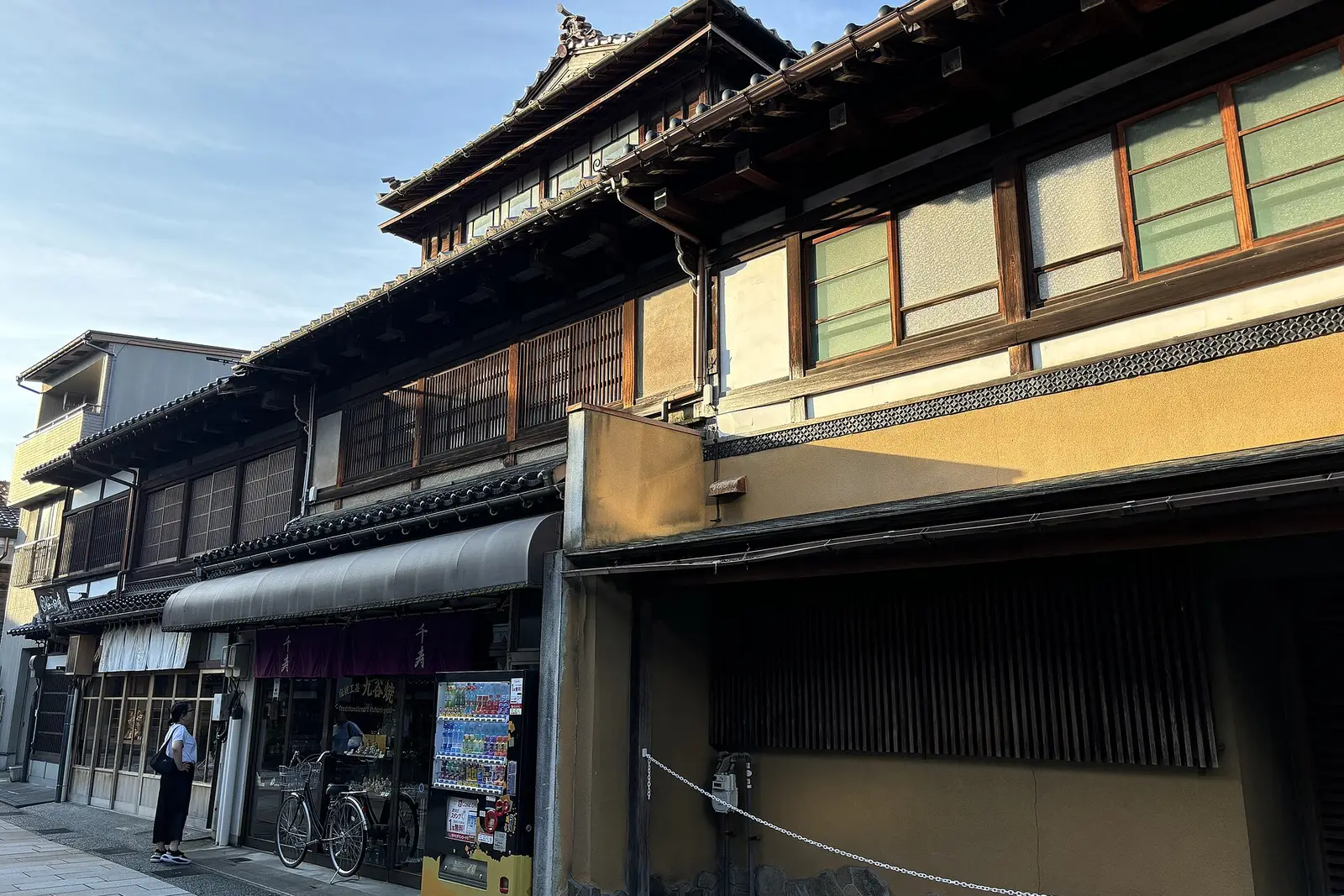
Higashi Chaya: Kanazawa's Old Geisha District
Wooden teahouses, gold leaf sweets and a former geisha house you can walk through. How to see it well.
 KANAZAWA3 min read
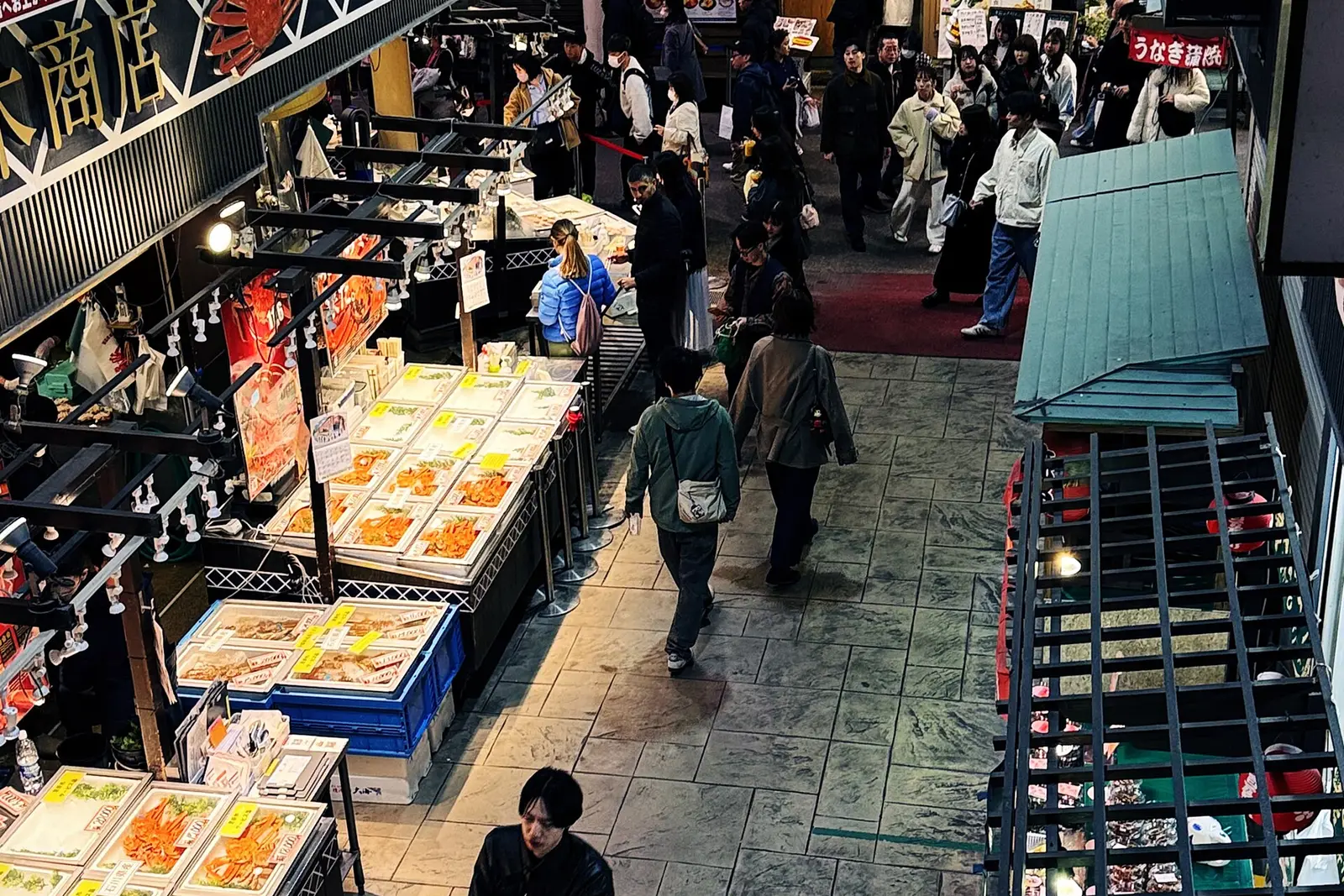
Omicho Market: Kanazawa's Seafood Kitchen
A covered market of about 170 shops with fresh Sea of Japan seafood. What to eat and when to go.