Nishiki Market: Kyoto's Kitchen
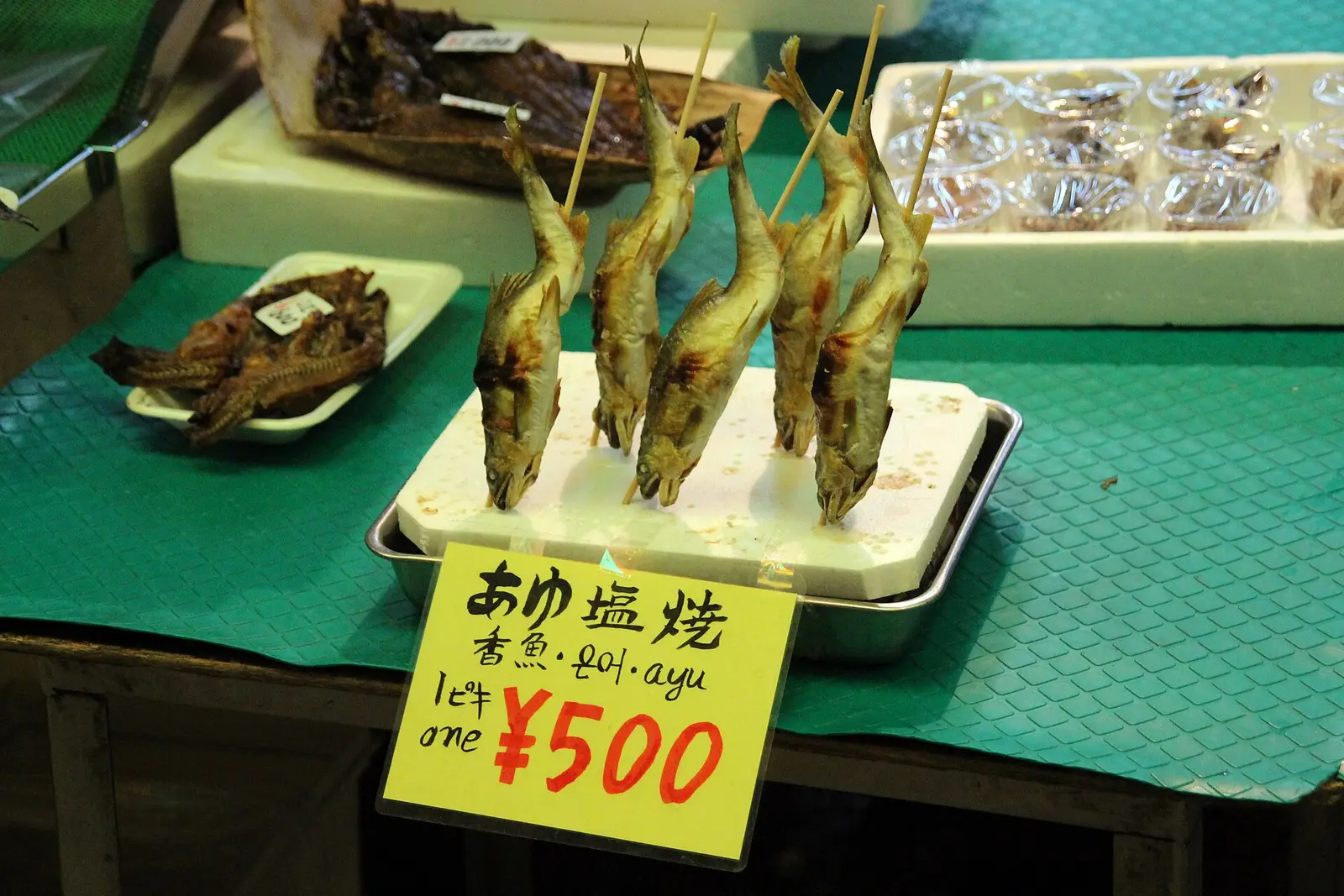
Just north of Shijo Street, a narrow covered lane is packed with stalls selling fish, pickles, sweets and knives. Locals have shopped here for centuries. It is called Nishiki Market, and people often call it "Kyoto's Kitchen."
An old market in the middle of the city
Nishiki Market is a street about 390 meters long, with more than 100 shops and restaurants along it. Many sell food. The market's own website says that walking through it means walking through 400 years of history.
The street began as a fish wholesale district, and the first shop is said to have opened around the year 1310. Over time it moved from wholesale to retail. Many of the stores are still run by the same families, passed down through generations.
What you will find
Fresh seafood and vegetables are the heart of the market. You will also see pickles, dried seafood, Japanese sweets, sushi, and shops that sell knives and cooking tools. Many of the foods are seasonal, and a lot of them are Kyoto specialties.
Take your time at the pickle shops, because pickles are one of the market's classic foods. If you want a meal, look for the sushi counters and the small restaurants along the lane. The cookware and knife shops are worth a look too. A Japanese kitchen knife is a gift that lasts for years, though you should check airline rules before you pack one.
How to plan your visit
The market is an arcade, so it is a good choice on a rainy day. Walk the whole street once without buying anything, from Takakura-dori at one end to Gokomachi-dori at the other. This gives you a feel for what each shop sells and which ones are busy. Then walk back and stop at the places that looked best.
It also helps to come hungry and share. Small portions from three or four stalls will give you a better picture of Kyoto food than one big meal. Go with one or two friends, so you can pass dishes around.
How to eat here politely
One rule matters more than the rest. Local shoppers consider eating while walking to be bad manners, and it can bother other people in the narrow lane. The market asks visitors to eat in front of the shop where they bought the food, or inside the shop.
Many stalls have a few stools or a counter for this. Buy your snack, step to the side, finish it, and then walk on. Keep the sticks and wrappers with you until you find a bin, and ask the shop if you are not sure where to put them.
Many shops are very small, so ask before you take photos of the food or the people at the stalls, and do not block the entrance of a shop while you decide what to buy.
Hours and what to know
Opening hours differ from shop to shop, but most are open from about 10:00 am to 6:00 pm. Closing days also differ by shop, and many are closed on Wednesday or Sunday. Not every stall will be open on the day you visit.
Walking the whole market takes only a few minutes, but plan 1 to 2 hours if you want to eat. Entering is free.
Getting there
The market is an arcade on the north side of Shijo-Karasuma, between Takakura-dori and Gokomachi-dori. From Shijo Station on the Karasuma Subway Line, it is about 3 minutes on foot. From Karasuma Station on the Hankyu Kyoto Line, it is also about 3 minutes, and from Kyoto Kawaramachi Station on the same line, about 4 minutes. From Shijo Station on the Keihan Main Line, it takes about 10 minutes.
Nearby
The market is in the center of the city, so it is easy to pair with a trip east to Kiyomizu-dera or south to Fushimi Inari. Kinkaku-ji and the Arashiyama Bamboo Grove are farther out, to the north and west, so plan those separately.
More on Kyoto
 KYOTO3 min read
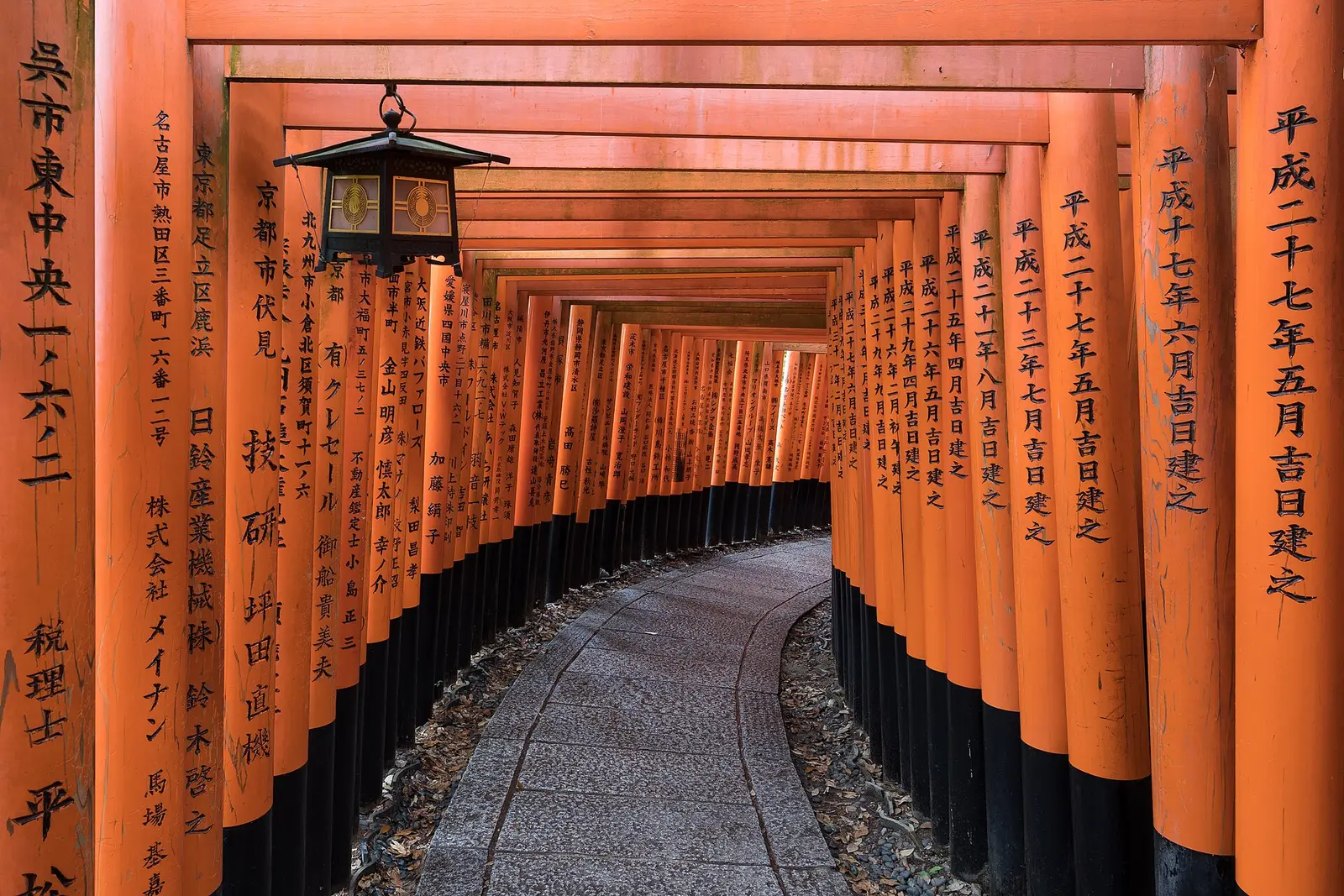
Fushimi Inari: The Shrine of Ten Thousand Gates
Paths of red gates climbing a wooded hill. What they mean, how far to walk, and where to turn back.
 KYOTO3 min read
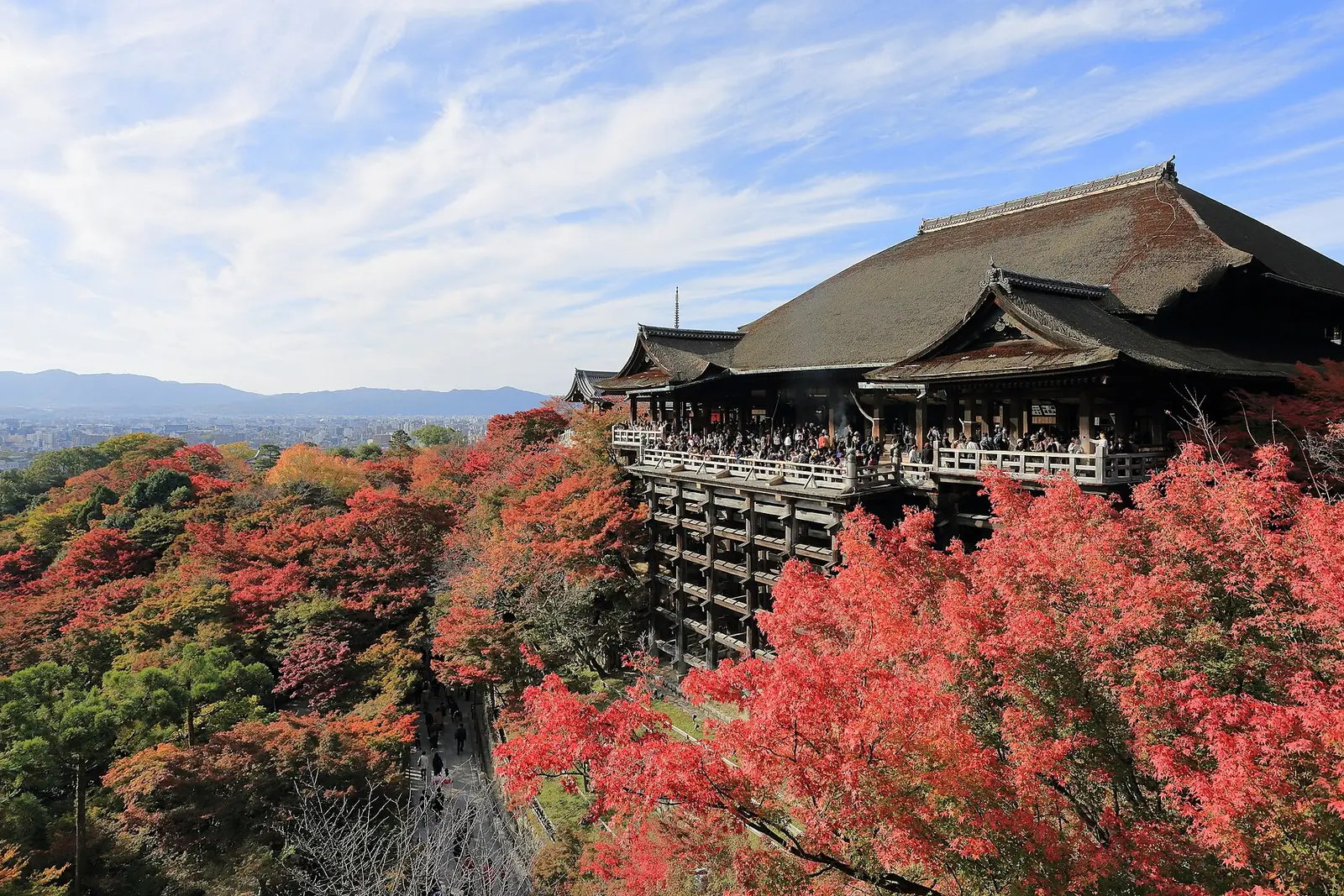
Kiyomizu-dera: The Temple on a Wooden Stage
A hillside temple with a huge wooden stage and a spring of clear water. Hours, price and the best way up.
 KYOTO3 min read
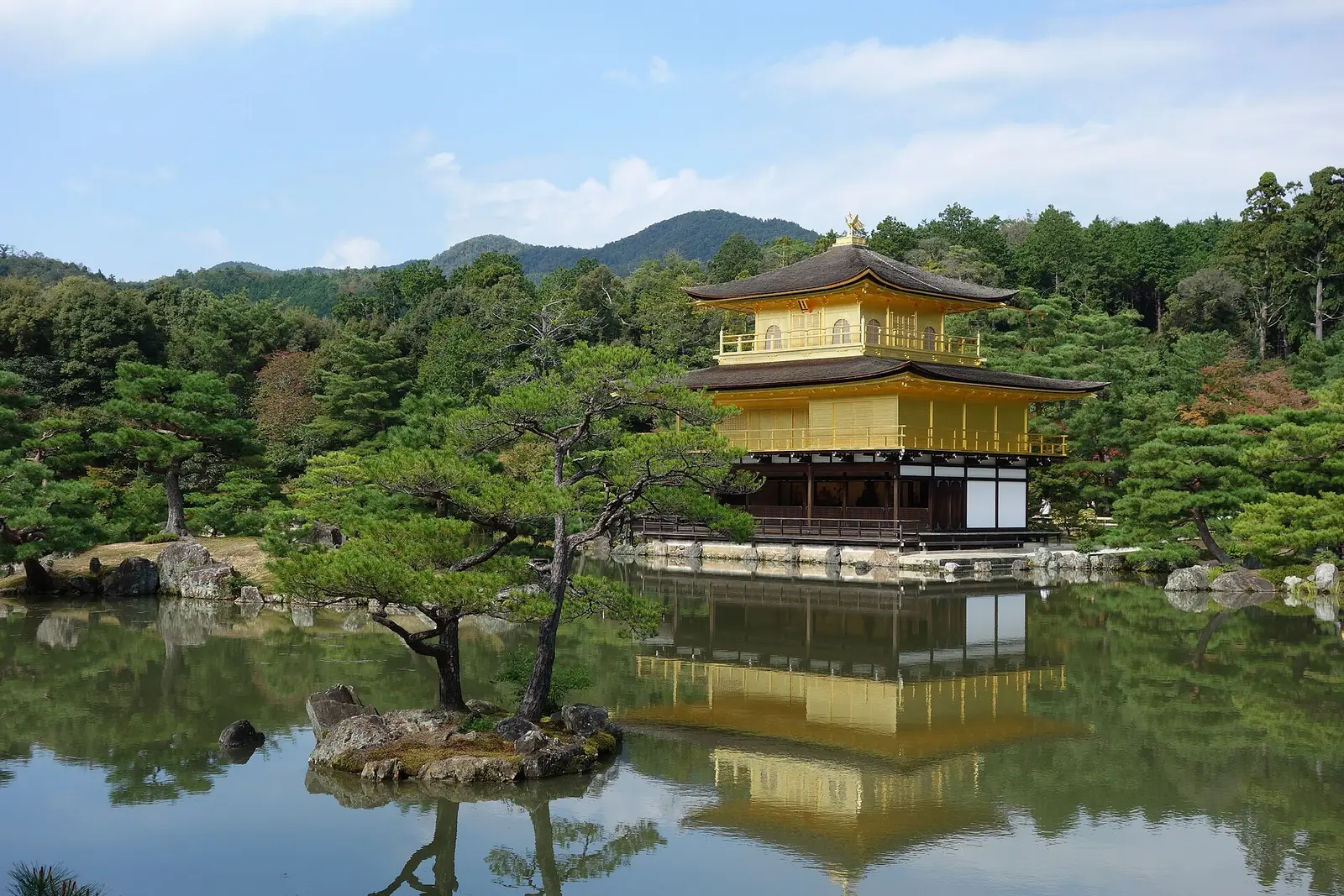
Kinkaku-ji: The Golden Pavilion
A three-story pavilion covered in gold, reflected in a still pond. Its story, ticket price and the bus there.