Destinations › Tokyo Station & Imperial Palace
Nihonbashi Bridge: A Stone Bridge Under a Highway
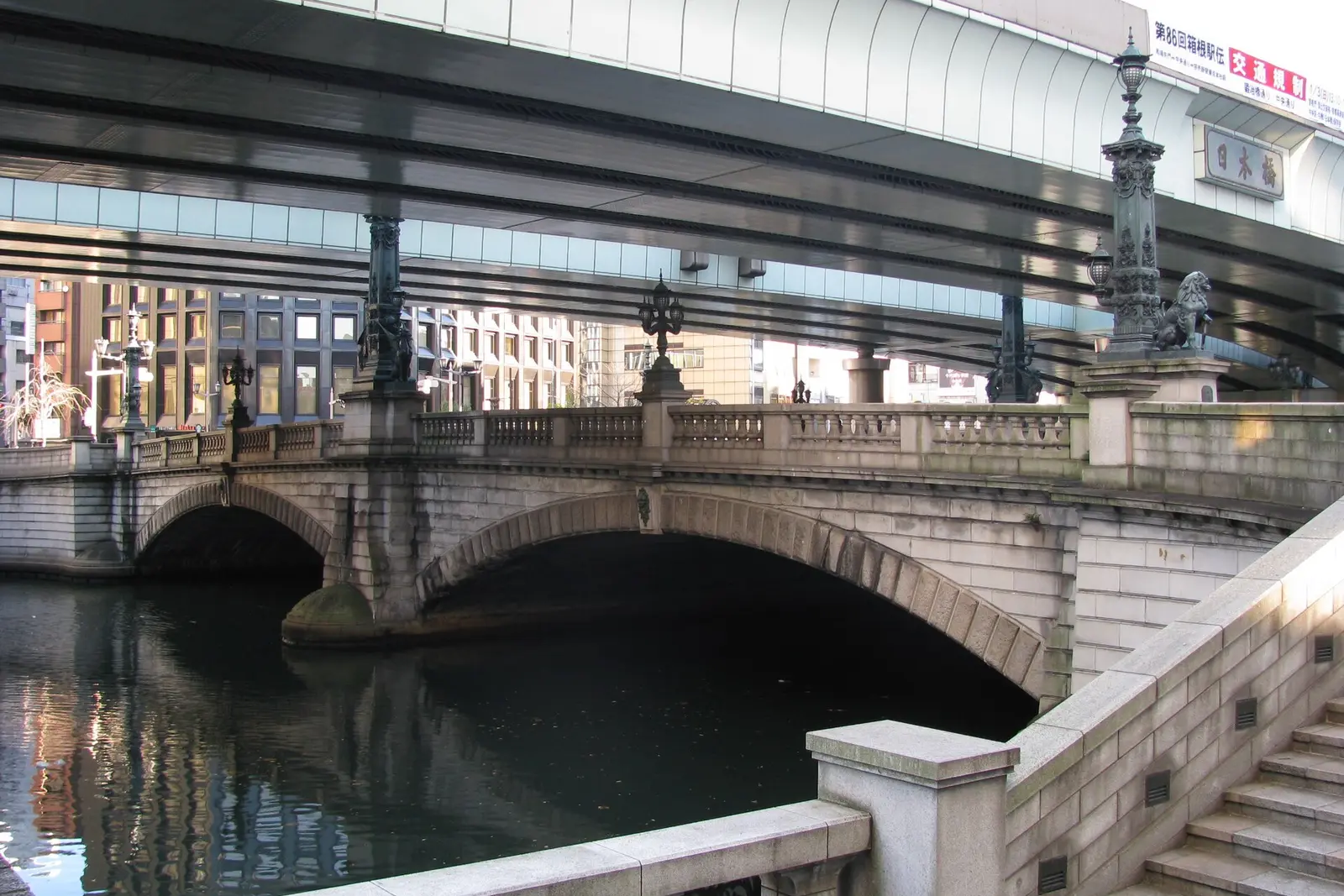
Nihonbashi means "Japan Bridge," and it is still the point that distances to Tokyo are measured from. Today it is a stone bridge in the middle of office towers, with a highway overhead. It is worth a short stop, especially if you are already near Tokyo Station.
The bridge that started the roads
The first Nihonbashi Bridge was a wooden arched bridge built in 1603, the year the Tokugawa shogunate began. The area grew into a trading center in the Edo period, and it kept that role as Tokyo became a modern city.
The bridge itself still matters. Many road signs across Japan that say "XX km to Tokyo" are really measuring the distance to Nihonbashi.
The stone bridge today
The bridge you see now is made of stone, with two arches, and it was finished in 1911. It is counted as the 20th bridge on this spot, and it was rebuilt in the same place as the first. It is an Important Cultural Property, a status it received on May 13, 1999.
Look closely at the details. The bridge has decorated lamp posts and 32 lion statues. Then look up. A highway runs right above the bridge, so the old stone arches stand under a roof of traffic. It is a strange sight, and it says a lot about Tokyo: very old and very new in the same spot.
See it from the river
One way to see the bridge from a different angle is from the water. A boarding dock for the Nihonbashi River cruise is at the foot of the bridge, and it was added to mark the bridge's 100th anniversary. The route passes under Edobashi Bridge, and, depending on the tide, you can almost touch the underside. The official site lists Edoventure Cruise, which carries up to 10 people, among the cruise companies.
The official tourism site does not give the length or price of the cruise, so ask the operator or the Nihonbashi Information Center for current details before you go.
Around the bridge
The area around the bridge is still a place for shopping. The Mitsui group, one of Japan's best-known business groups, started here in 1673 as a kimono shop called Echigo-ya. Today the Nihonbashi Mitsukoshi and Takashimaya department stores, and the Coredo Muromachi complex, are within walking distance.
If you like museums, there are several. The Mitsui Memorial Museum is in the Mitsui Main Building, which is an Important Cultural Property. The Bank of Japan's Currency Museum opened in 1982. On the fifth floor of one building, the Tokyo Kite Museum shows nearly 300 kites, some from the Edo period. For a longer walk, there is a route past seven small shrines around Suitengu Shrine that takes about 1.5 hours on foot, and the Nihonbashi Information Center has a concierge who can help with plans.
Two small temples nearby keep monthly dates. Yagenbori Fudo Temple holds a storytelling offering on the 28th of each month, and Ogannonji Temple shows its 170 cm Kannon head only on the 17th.
Fukutoku Shrine has stood in Nihonbashi since before the mid-9th century. Famous people have visited it, among them Tokugawa Ieyasu and his son Hidetada. It is also called "Mebuki," or the Sprouting Shrine, from a story that buds appeared on its main gate, which is made of sawtooth oak.
Getting there and tips
Take the subway to Mitsukoshimae Station and use Exit B6, or to Nihombashi Station and use Exit B12. The bridge is one to two minutes from either. If you are coming from Tokyo Station, a short subway ride or walk will bring you here, so check a map app for the route that suits you.
Nearby
Tokyo Station and its red-brick Marunouchi Building are a short trip away, as are the Imperial Palace East Gardens and the plaza at Nijubashi. Tokyo Ramen Street, under the Yaesu side of the station, is a good place for lunch before or after.
More on Tokyo Station & Imperial Palace
 TOKYO STATION & IMPERIAL PALACE3 min read
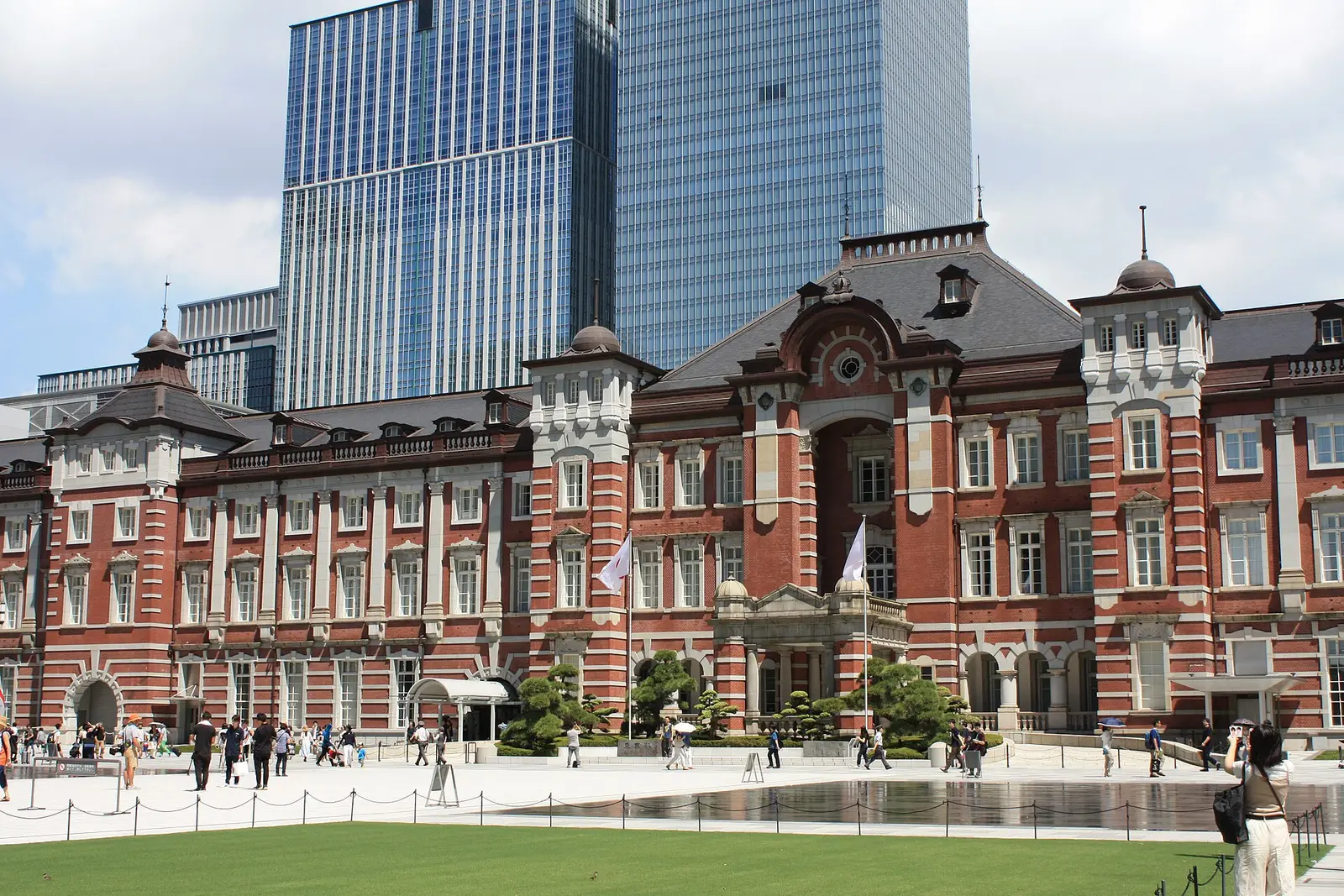
Tokyo Station Marunouchi Building: The Red Brick Landmark
A red-brick station from 1914, rebuilt after the war, and the easiest place to start a walk to the palace.
 TOKYO STATION & IMPERIAL PALACE3 min read
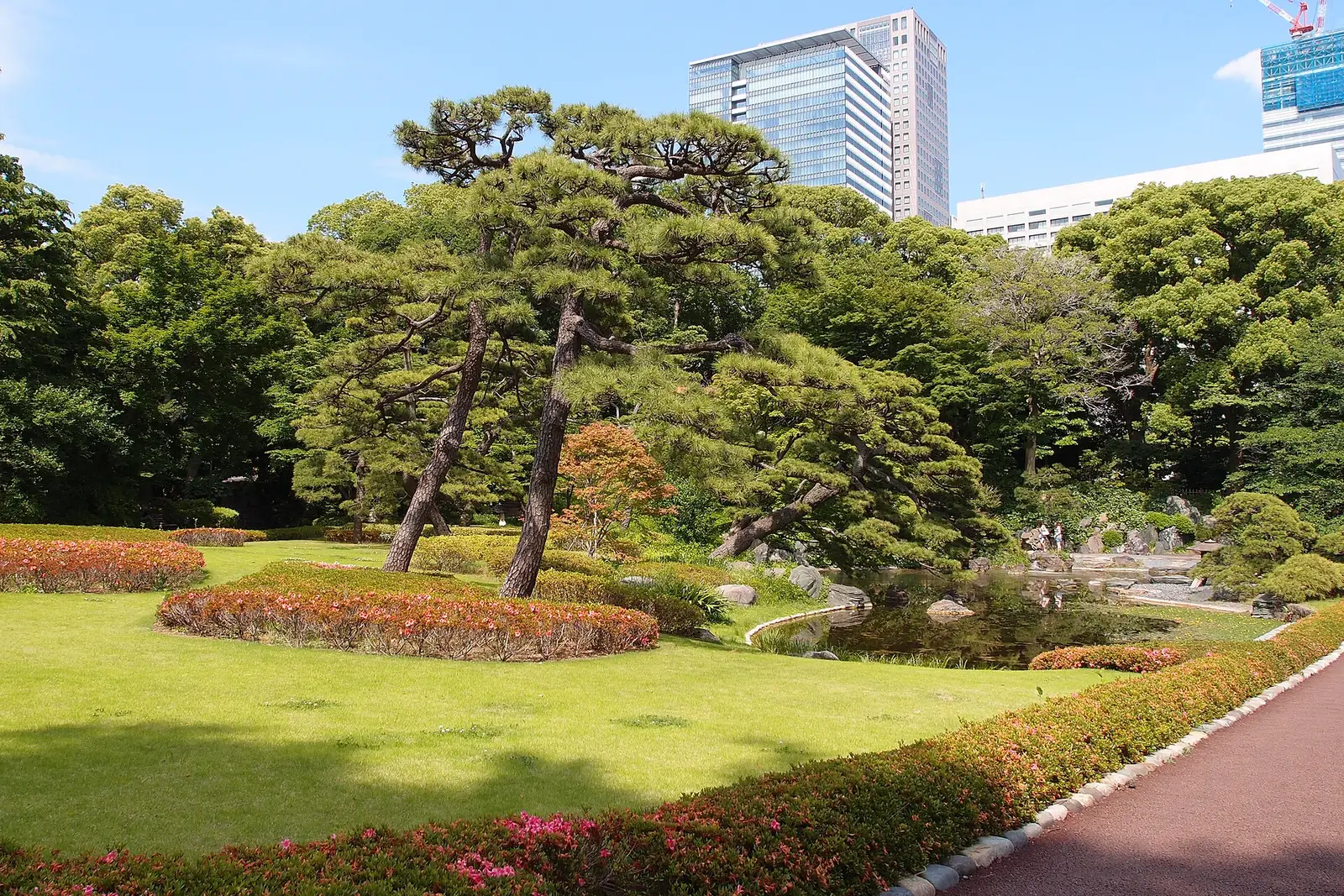
Imperial Palace East Gardens: What Is Left of Edo Castle
A free garden on the site of Edo Castle, with stone walls, a lawn where the keep once stood and a quiet Japanese garden.
 TOKYO STATION & IMPERIAL PALACE3 min read
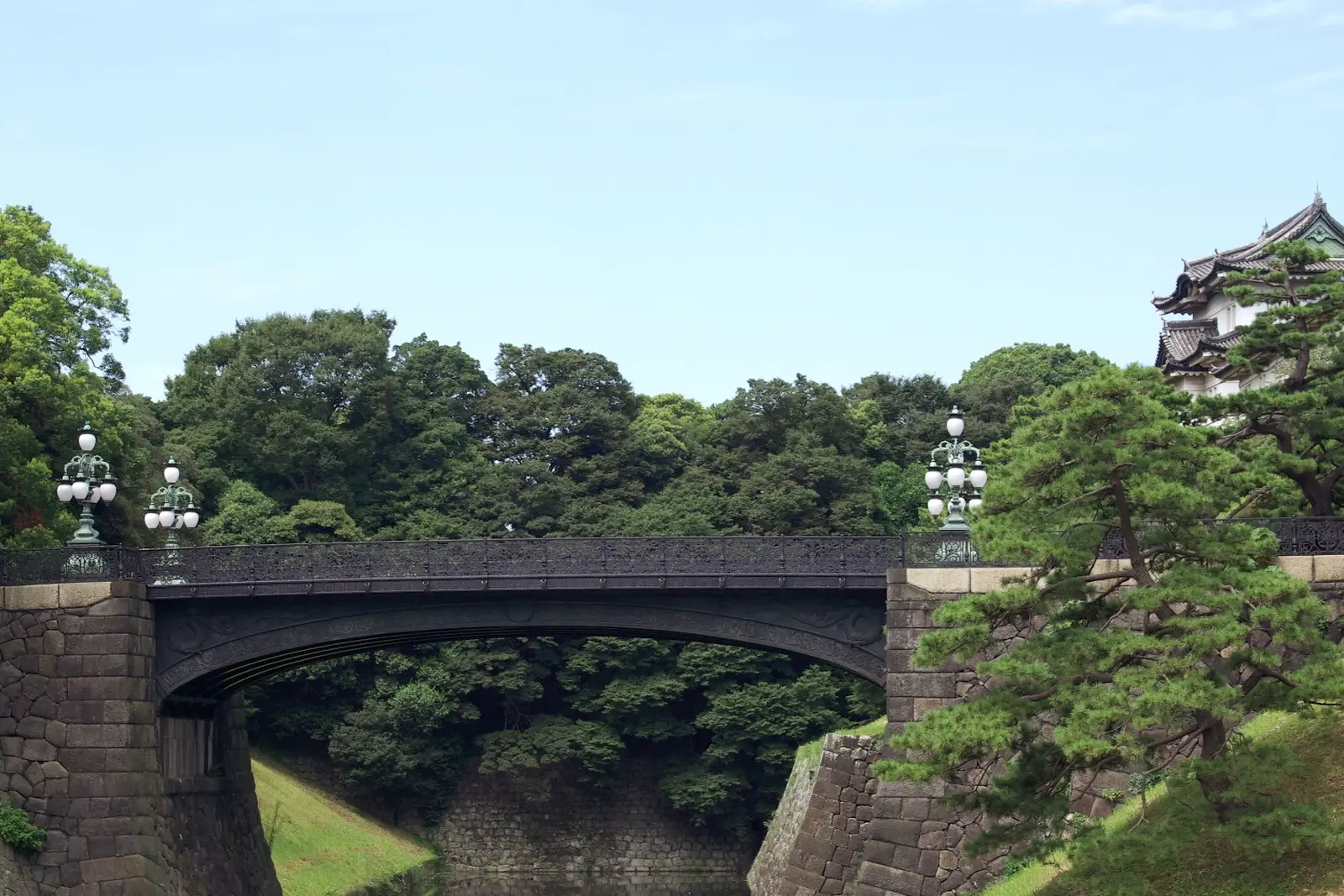
Nijubashi and the Imperial Palace Plaza
The open plaza in front of the Imperial Palace, the famous double bridge, and how to see more on the guided tour.