Destinations › Mt Fuji (Yamanashi) › Mt Fuji & Kawaguchiko
Oishi Park: Flowers and Mt Fuji on Lake Kawaguchi
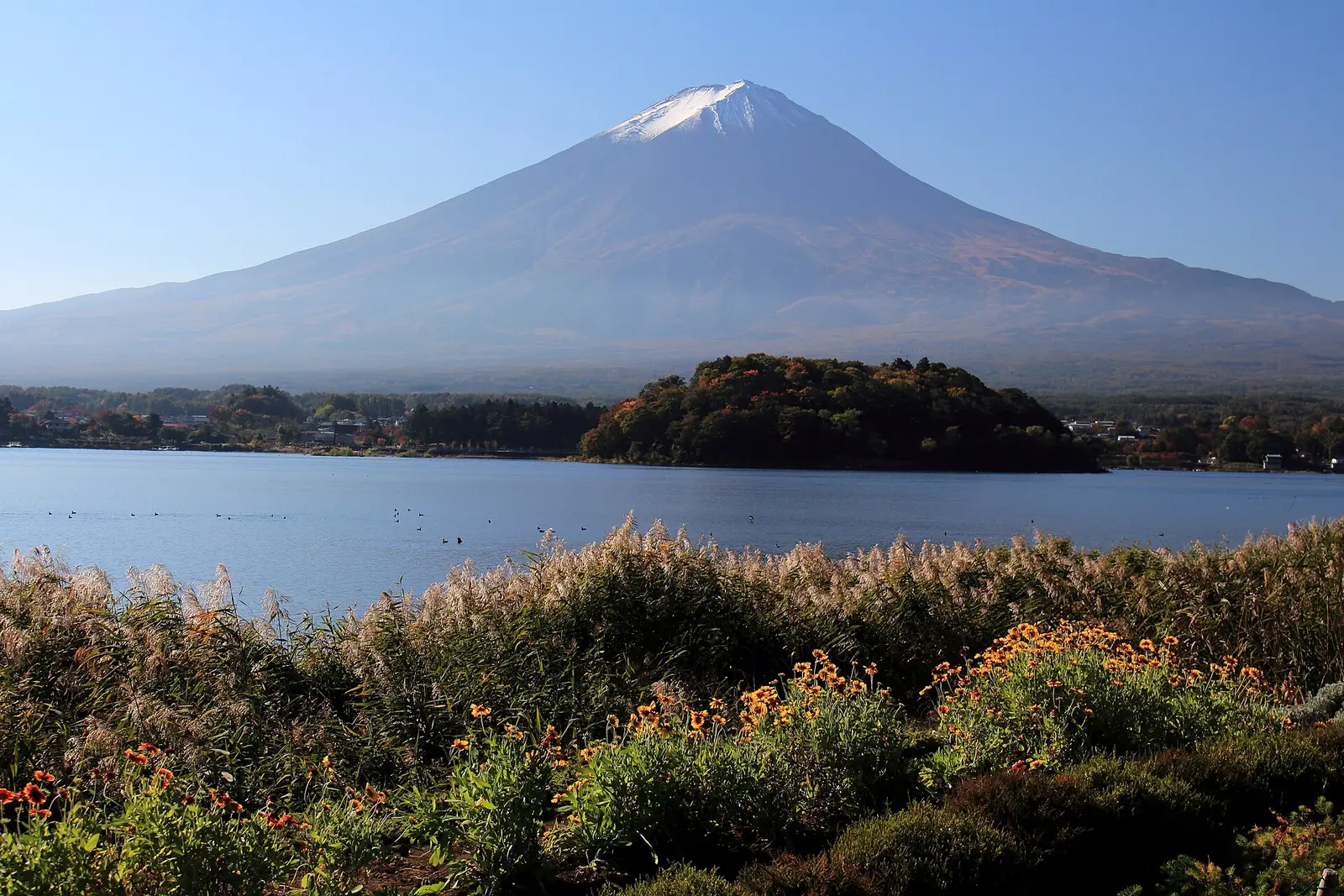
Lake Kawaguchi is the easiest of the Fuji Five Lakes to reach, and the north shore is where the lake and the mountain fit together best. Oishi Park is a free park there, with flower beds in the foreground and Mt Fuji across the water.
Why the north shore
Lake Kawaguchi is the second-largest of the five lakes around Mt Fuji, and it has the longest shoreline of the five. It is also the lowest of the five, at about 830 meters above sea level, so the mountain rises a long way above it. Oishi Park lies on the north shore, away from the busiest streets of Kawaguchiko town.
From here, Mt Fuji stands on the far side of the water. The artist Hokusai drew Mt Fuji reflected in this very lake in his famous series of Fuji views, and the park lets you see the same scene for free.
The Flower Street
The main walk is the Flower Street, a promenade through flower beds that runs along the lake. What blooms depends on the month:
- Late April: tulips and canola flowers
- Late June to mid-July: lavender, when the park hosts the Kawaguchiko Herb Festival
- Late summer to autumn: kochia, sage and celosia
A large building called the Kawaguchiko Natural Living Center stands in the park. It has a cafe and a restaurant that look toward Mt Fuji, souvenir shops, a local vegetable shop, and a place where you can make jam from local blueberries. The toilets are on the east side of the building, and there is free Wi-Fi inside. The second floor has a wide view of the mountain.
A simple plan
Start with a walk along the Flower Street while the light is soft. Then go inside the Natural Living Center for a drink or lunch with a view of the mountain, and look at the local vegetables and jam in the shops. Families with small children can let them run in the playground and the open square. In autumn, finish the day at the Maple Corridor, and stay for the lights if it is the festival season.
The Maple Corridor
In autumn, many visitors pair the park with the Maple Corridor, a row of maple trees along the Nashi River where it meets the lake. The leaves usually peak from late October to mid-November. During the autumn leaves festival, the trees are lit up at night. Entry is free, and you can walk there at any time. To get there by bus, take the Red Line about 20 minutes from Kawaguchiko Station, get off at the Kubota Itchiku Museum stop, and walk for about 5 minutes.
Crowds and traffic
Oishi Park is a popular stop for tour groups, and it is often crowded. In October 2026 the town of Fujikawaguchiko asked drivers to allow extra time, because the park and the roads around it were badly congested. Large buses are asked to use a designated temporary car park, and parking on the roadside or in the lots of nearby shops is not allowed. The playground area is quieter. If you can, come on a weekday or early in the day.
There are no coin lockers at the park, so travel light. The signs are in Japanese, English, Chinese and Korean.
Getting there
From Kawaguchiko Station, the lake sightseeing bus takes about 30 minutes to the Kawaguchiko Natural Living Center stop, which is next to the park. You can also come by car, but in busy seasons the bus is the safer choice because of the traffic.
Nearby
For another angle on the same view, ride the Mt Fuji Panoramic Ropeway up to the viewing deck above the lake. For the classic photo of Mt Fuji with a pagoda in front, go to the Chureito Pagoda in Fujiyoshida. Oshino Hakkai is about 40 minutes away by bus from Kawaguchiko Station.
More on Mt Fuji & Kawaguchiko
 MT FUJI & KAWAGUCHIKO3 min read
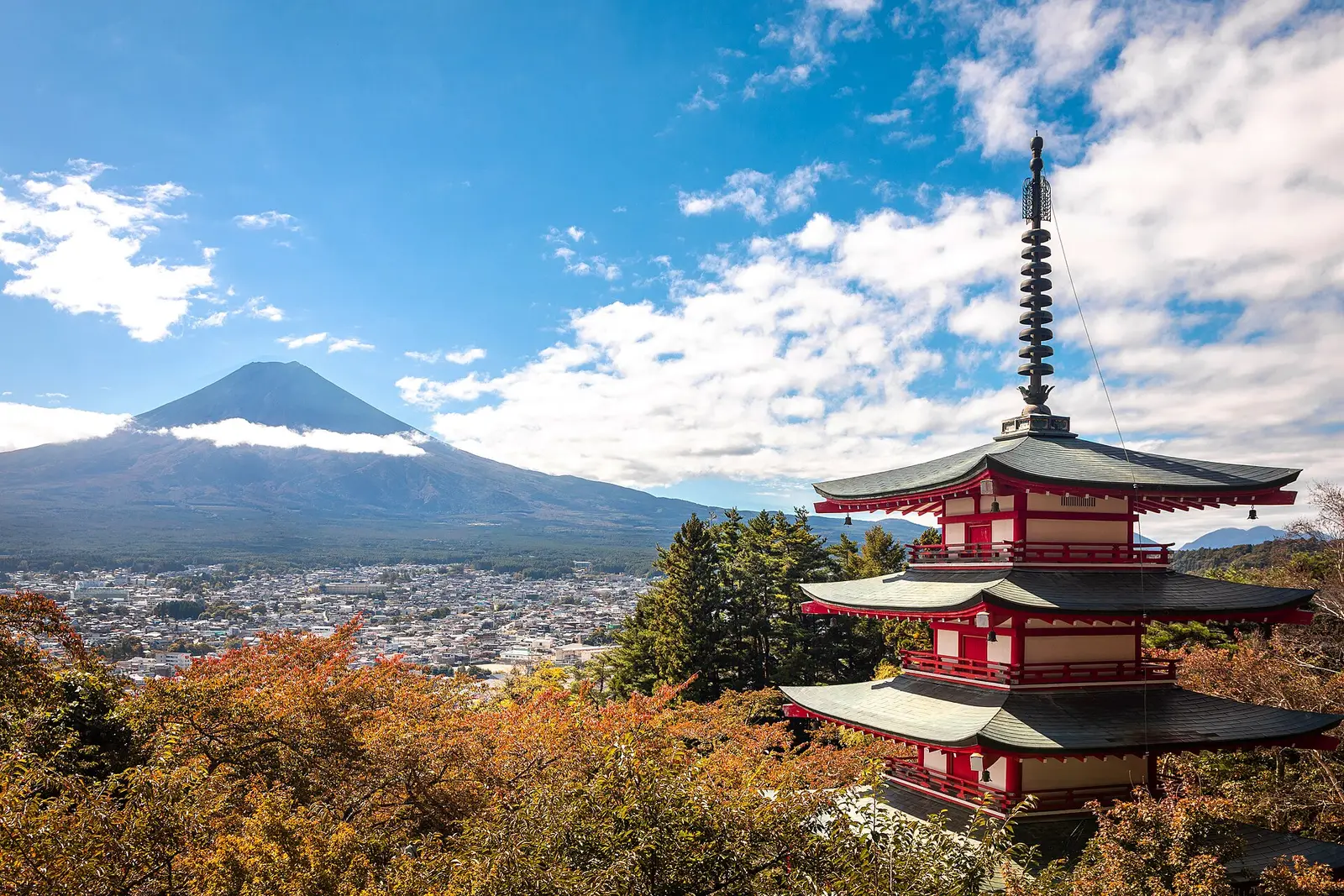
Chureito Pagoda: The Classic View of Mt Fuji
A red five-story pagoda with Mt Fuji behind it, reached by 398 stone steps. When to go and how to get there.
 MT FUJI & KAWAGUCHIKO3 min read
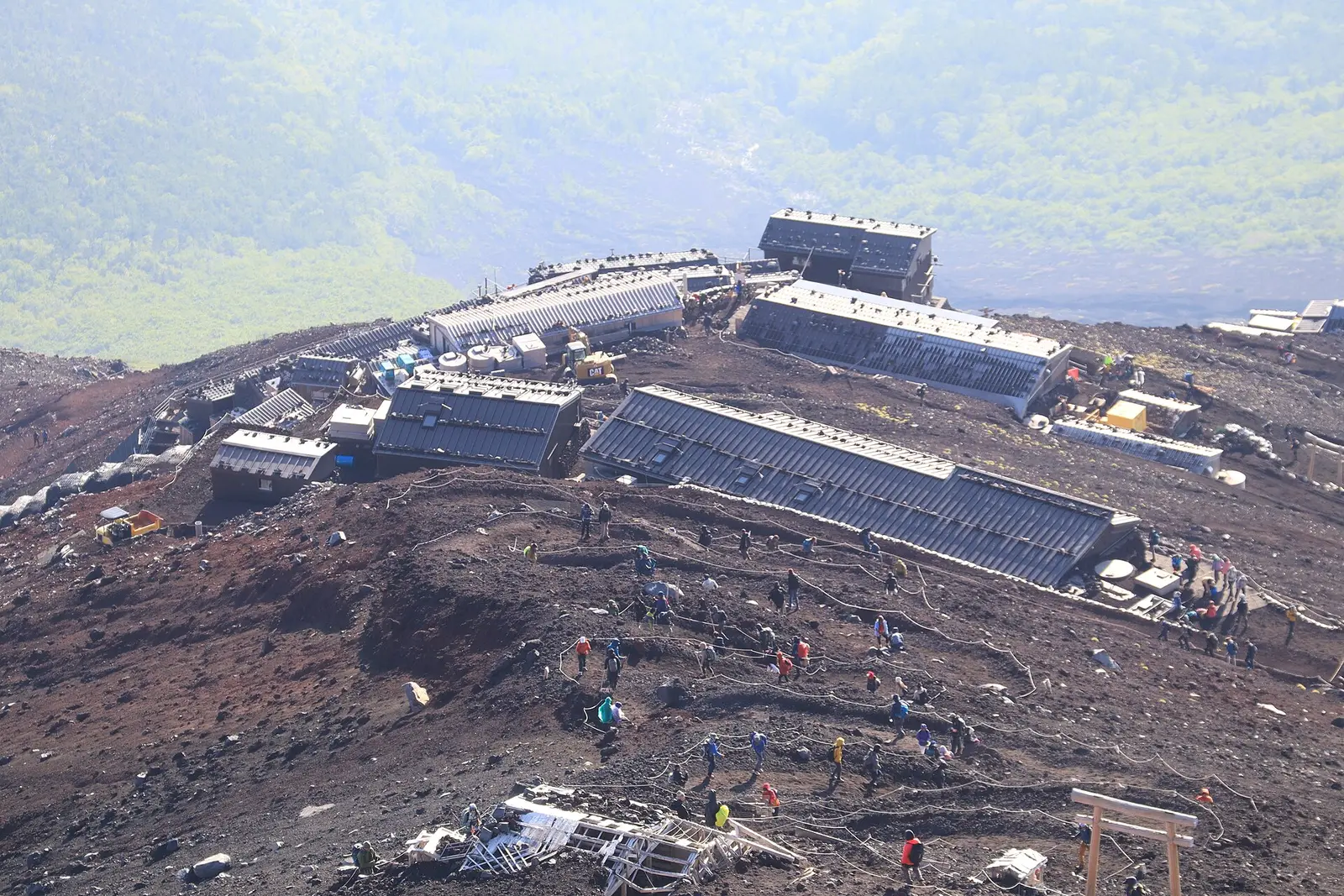
Climbing Mt Fuji: The Yoshida Trail
Japan's highest mountain, climbed from the Yamanashi side. Season, fee, gate rules and what to pack.
 MT FUJI & KAWAGUCHIKO3 min read
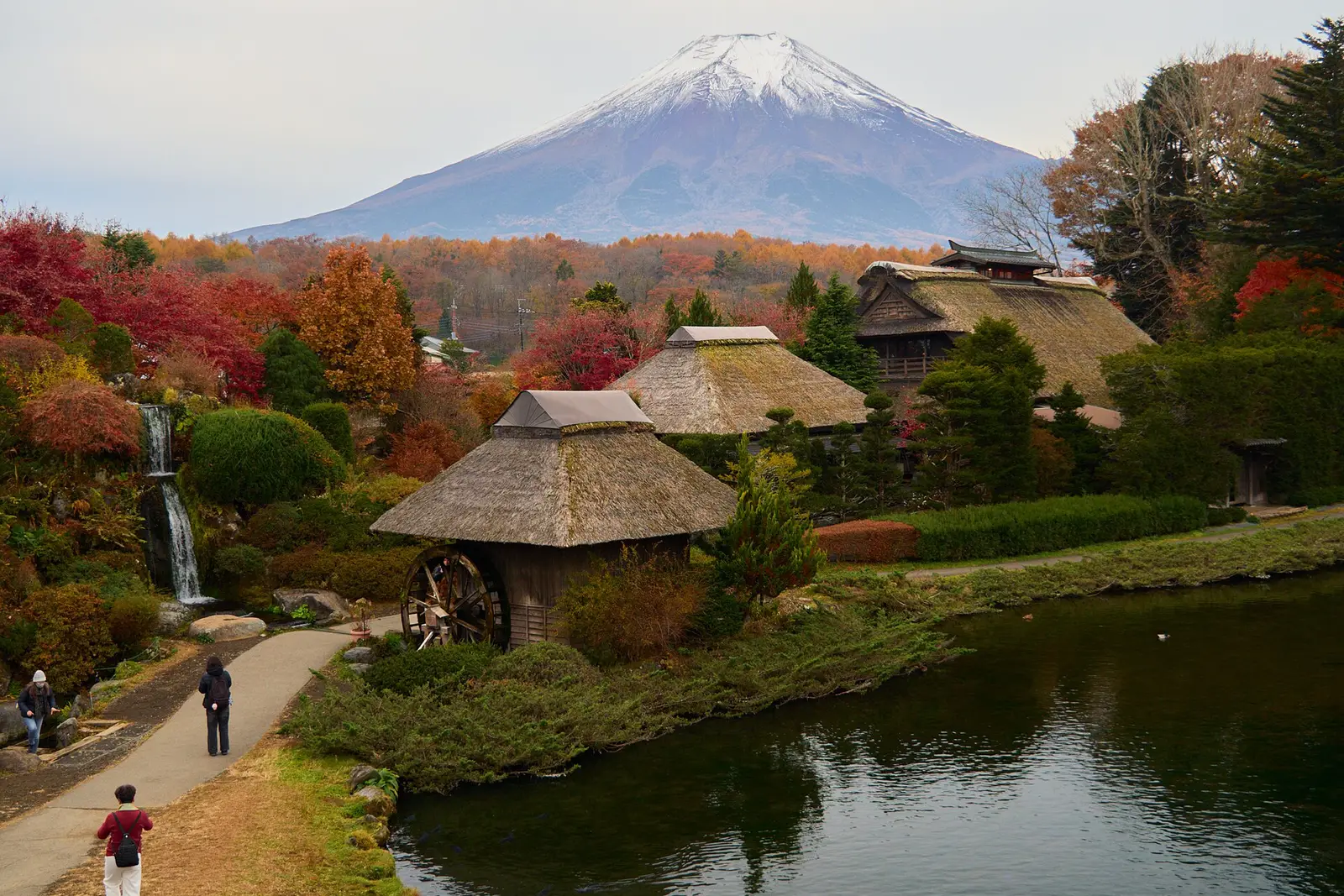
Oshino Hakkai: Eight Spring Ponds Below Mt Fuji
Eight crystal-clear ponds fed by Mt Fuji's snowmelt, in a small village with soba, snacks and mountain views.