Kasuga Taisha: Nara's Shrine of 3,000 Lanterns
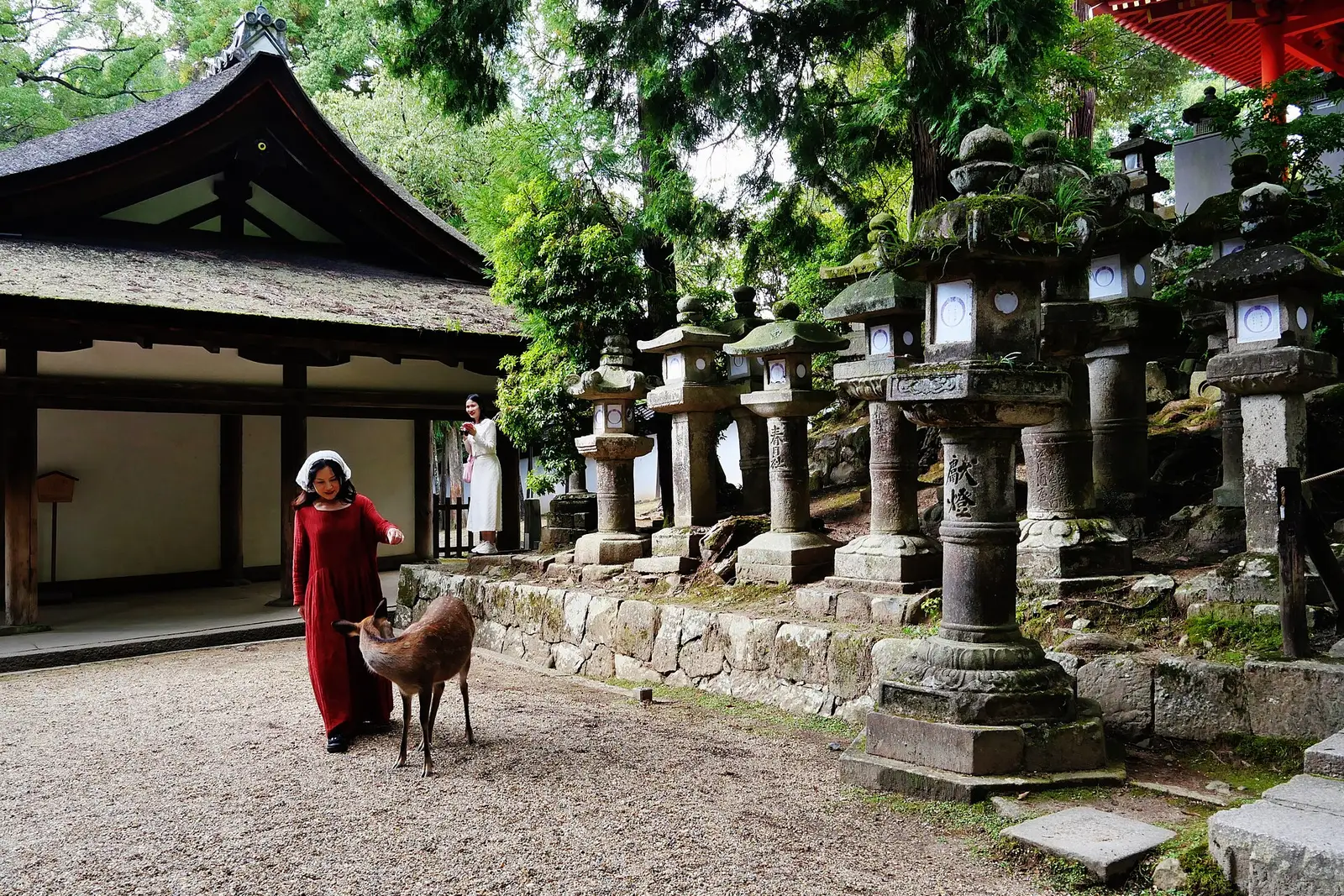
A quiet path of old stone lanterns leads from Nara Park into the trees. At the end is Kasuga Taisha, a bright vermilion shrine with hundreds of hanging lanterns. It is the shrine the Nara deer belong to, and it has been standing here for more than 1,200 years.
The shrine of the Fujiwara
When the capital moved to Nara in 710, the powerful Fujiwara family held a ritual for their guardian gods. That is considered the start of Kasuga Taisha. The main sanctuary was built here in 768, at the foot of the sacred mountain Mikasayama, under an order from Empress Shotoku.
The Fujiwara stayed powerful for centuries, even after the capital moved to Kyoto, and the shrine grew with them. Its four enshrined gods come from different parts of Japan, and the shrine says its god of thunder, Takemikazuchi, came to Nara on a white deer. That is why the deer in Nara Park are treated as sacred.
The lanterns
The shrine has about 3,000 lanterns, in stone and in bronze. The stone ones line the paths, and the bronze ones hang from the buildings. Many are more than 300 years old, and they were given as offerings, first by nobles from the Heian period, and later by ordinary people. The shrine says the custom of lining the approach to a shrine or temple with lanterns began here.
In daylight, they look old and quiet, and deer often rest among them. They are at their best when they are lit. The hanging lanterns are lit only twice a year: on February 3, at the Setsubun Mantoro, and on August 14 and 15, at the Chugen Mantoro. The summer festival runs from 7:00 to 9:30 pm. If these dates fit your trip, plan your evening around them. The grounds are very busy on those nights, so go early.
Inside the shrine
You can walk the grounds for free. To go closer to the main sanctuary, you need a special worship ticket for ¥700. It is available from 9:00 to 16:00 on most days, and it is closed on some dates for ceremonies. The hanging lanterns line the corridors around the main hall, so this is where you see them up close. Another small shrine, Meoto Daikokusha, is open from 9:00 to 16:30.
Next to the shrine, the Manyo Botanical Garden is a separate paid garden. It is open from 9:00 to 16:30, with the last entry at 16:00. The ticket is ¥700 for adults. It is closed on Tuesdays from June to March, except on public holidays, and it is open every day in April and May.
The shrine also has a museum for its treasures. Opening and exhibitions change, so check the shrine's website before you plan around it.
Festivals and the deer
The biggest festival of the year is the Kasuga Festival on March 13, which has been held for over 1,200 years. In mid-October, the deer antler cutting is held at Rokuen, the shrine's deer grounds. It started about 340 years ago to prevent injuries in the mating season.
Getting there
On foot, it takes about 25 minutes from Kintetsu Nara Station. From JR Nara or Kintetsu Nara Station, you can also take a bus bound for Kasuga Taisha Honden. The ride takes about 11 to 15 minutes, and you walk a short way at the end. Or take the city loop bus to the Kasugataisha Omotesando stop and walk about 10 minutes from there. The address is 160 Kasugano-cho, Nara. Once you are inside, the main sanctuary is a good place to slow down and look at the lanterns above you.
If you come by car, the shrine has about 100 parking spaces. Cars pay ¥1,000. Most visitors arrive on foot, though, and the walk through the park is part of the trip.
Nearby
Todai-ji and Nara Park's deer are on the way, so many people combine all three in one half-day. Kofuku-ji and Naramachi are on the walk back toward the station.
More on Nara
 NARA3 min read
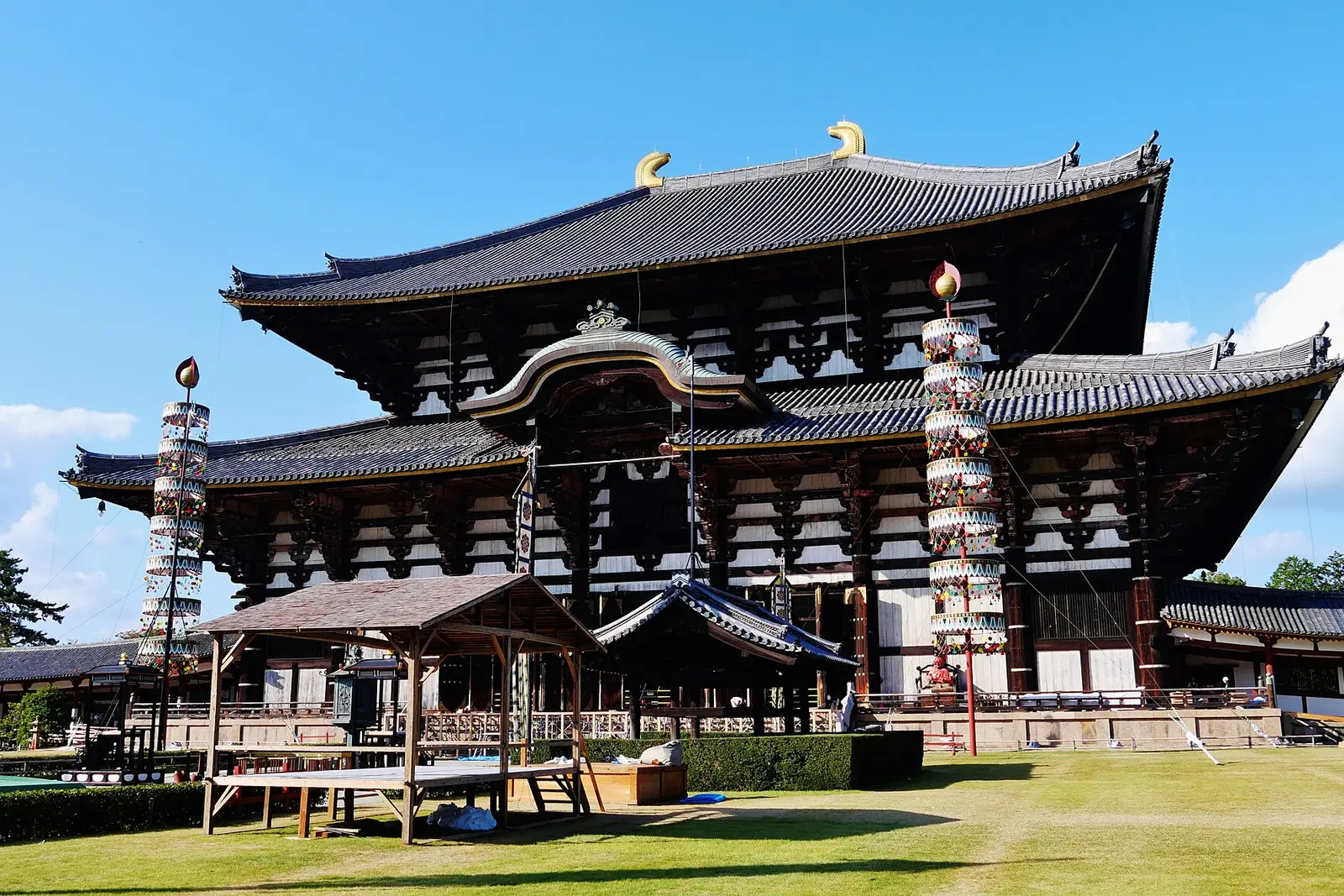
Todai-ji: Nara's Great Buddha
A huge bronze Buddha inside a huge wooden hall. The history, the ticket price and how to get there.
 NARA3 min read
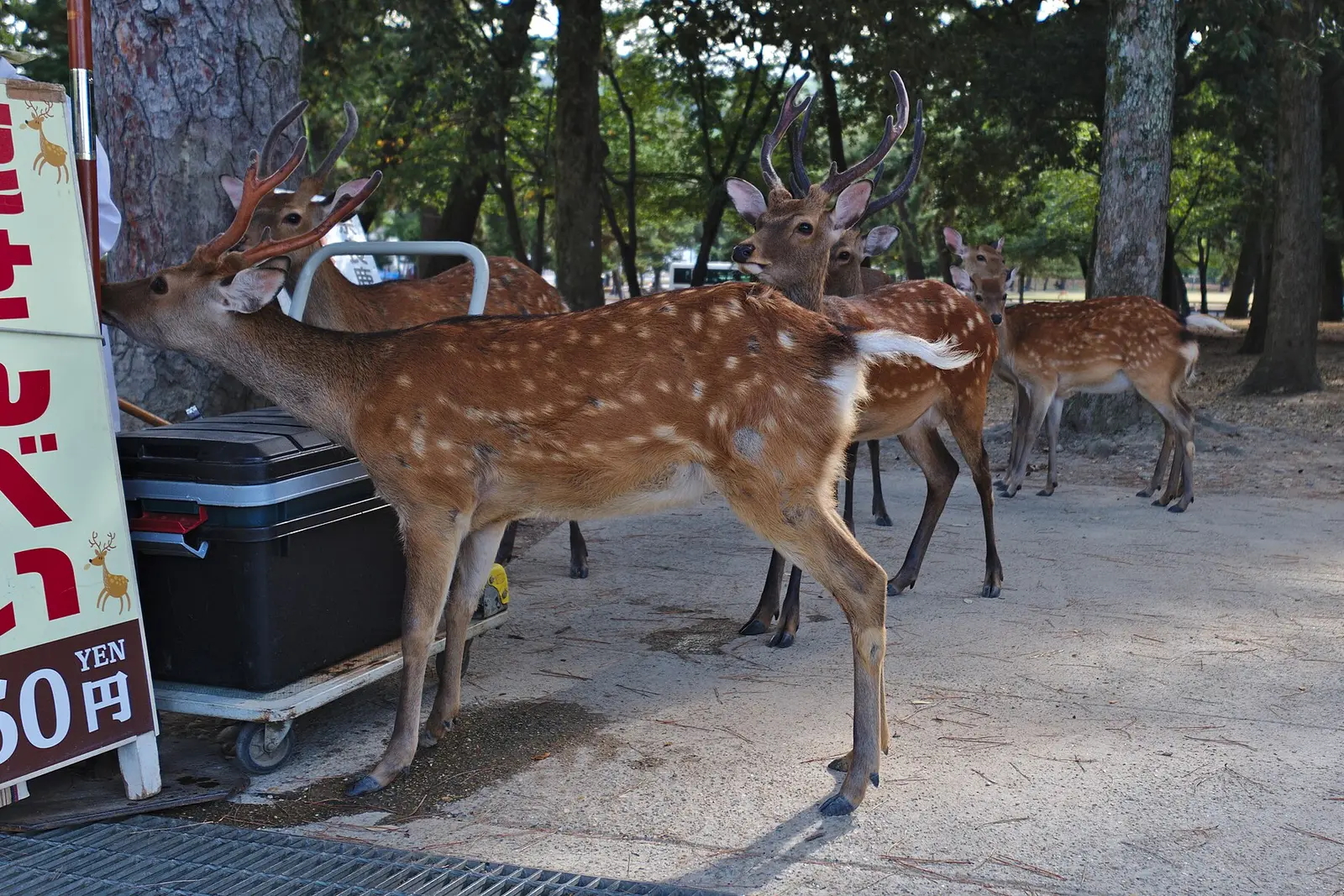
Nara Park Deer: Meeting Japan's Sacred Deer
About 1,300 wild deer roam the park and bow for crackers. How to feed them safely and what to expect.
 NARA3 min read
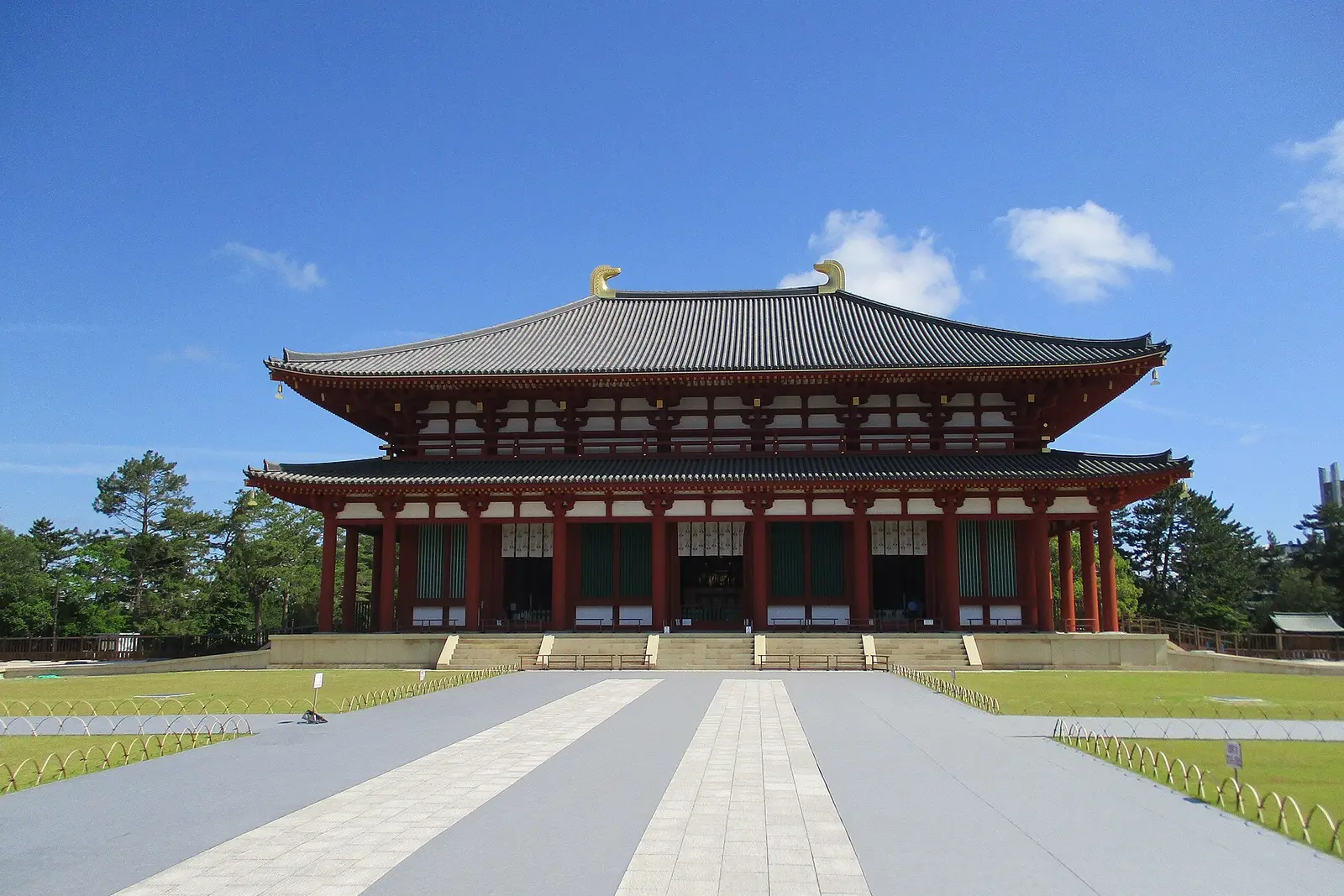
Kofuku-ji: Nara's Temple of the Fujiwara
The temple of Nara's most powerful family, with the famous Asura statue. Hours, tickets and the pagoda news.