Todai-ji: Nara's Great Buddha
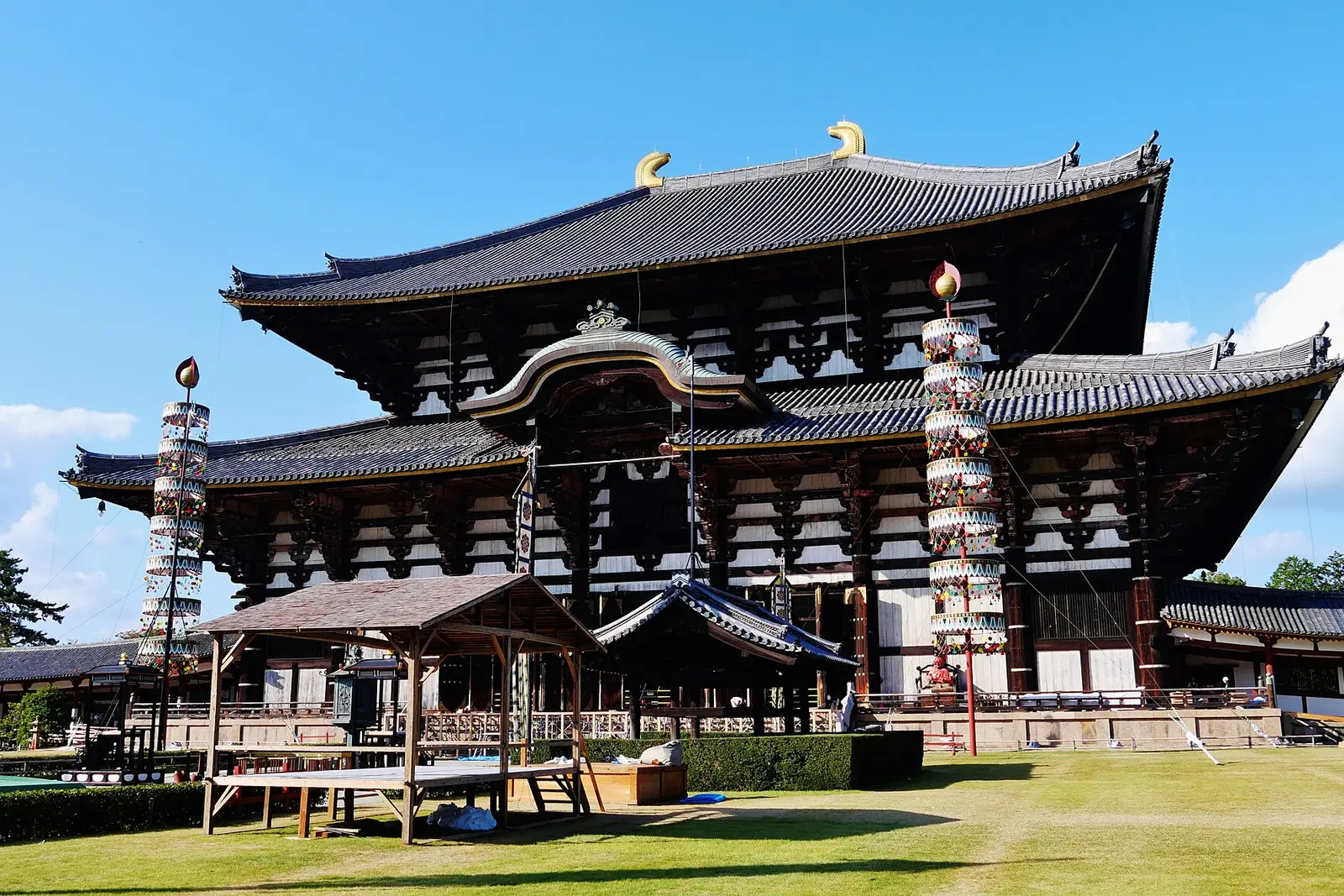
Walk through the big gate at Todai-ji and the first thing you see is a hall so large it looks out of place among the park's pine trees. Inside sits a bronze Buddha almost 15 meters tall. It has been there, one way or another, for over 1,200 years.
Why a Buddha this big?
In the 8th century, Nara was the capital of Japan. Emperor Shomu wanted a monumental image of the Buddha Vairocana, the Buddha of light, to stand at the center of the country's faith. In 743 he issued the order to build it.
The statue was cast in bronze in eight stages over three years and finished in 749. The hall around it was completed in 751, and a grand ceremony was held in the spring of 752. This is the Daibutsu, the "Great Buddha," and the temple around it is Todai-ji.
The statue today
The Buddha is 14.98 meters tall and sits on a lotus-flower base. His face alone is more than five meters long. Each ear is about two and a half meters. Standing in front of him, you feel very small, and that is probably the point.
The statue you see is not entirely the original. An earthquake knocked its head off in 855, and a fire in 1180 destroyed much of the temple. Another fire in 1567 damaged the Buddha again. The current head was recast in the Edo period and finished in 1692.
The hall
The Daibutsuden, or Great Buddha Hall, burned down twice, in 1180 and 1567. The present building dates from the Edo period. It is about 57 meters wide, 50 meters deep and 48.7 meters high. It was once even wider: the first hall was eleven bays across, and today's is seven. Even at seven bays, it feels enormous from the inside.
Look at the wooden columns and the heavy roof, and then look at the people on the steps. They help you see how large the room really is.
Visiting
The way in leads through the Nandaimon, the Great South Gate. Deer often wait in front of it, hoping for a snack, and you can buy deer crackers nearby for about ¥200. Keep them in your bag until you have walked past the gate and the deer, or you will be followed.
Entry is ¥800 for adults and ¥400 for children aged 6 to 12. The same ticket is also used at Hokke-do and the Kaidan-do hall, and at the Todai-ji Museum. A joint ticket for the hall and the museum costs ¥1,200 for adults. An audio guide is ¥500.
The Great Buddha Hall is open from 7:30 to 17:30 from April to October, and from 8:00 to 17:00 from November to March. Hokke-do and the Senju-do hall at the Kaidan-in are open from 8:30 to 16:00. The museum opens at 9:30.
The temple does not have a parking lot, so plan to arrive on foot or by bus. From Kintetsu Nara Station it is about a 20-minute walk east along Noborioji. Or take the city loop bus to the Todai-ji Daibutsuden stop and walk about five minutes. Bicycles can be left in the lot southwest of the Great South Gate, but you cannot push them into the temple grounds.
More to see on the grounds
The temple grounds cover much of the northern part of Nara Park. Behind the main hall you will find Nigatsu-do, Hokke-do and Kaidan-do, and the Shosoin storehouse is about a five-minute walk behind the Great Buddha Hall. The Todai-ji Museum is also on the grounds. If you only have time for one thing, make it the Great Buddha Hall. If you have more time, follow the path uphill and look at the smaller halls, where it is much quieter.
Nearby
Todai-ji sits inside Nara Park, so the deer will find you before you reach the gate. Kasuga Taisha lies farther east, at the edge of the forested hills, and Kofuku-ji and Naramachi are on the way back toward the station.
More on Nara
 NARA3 min read
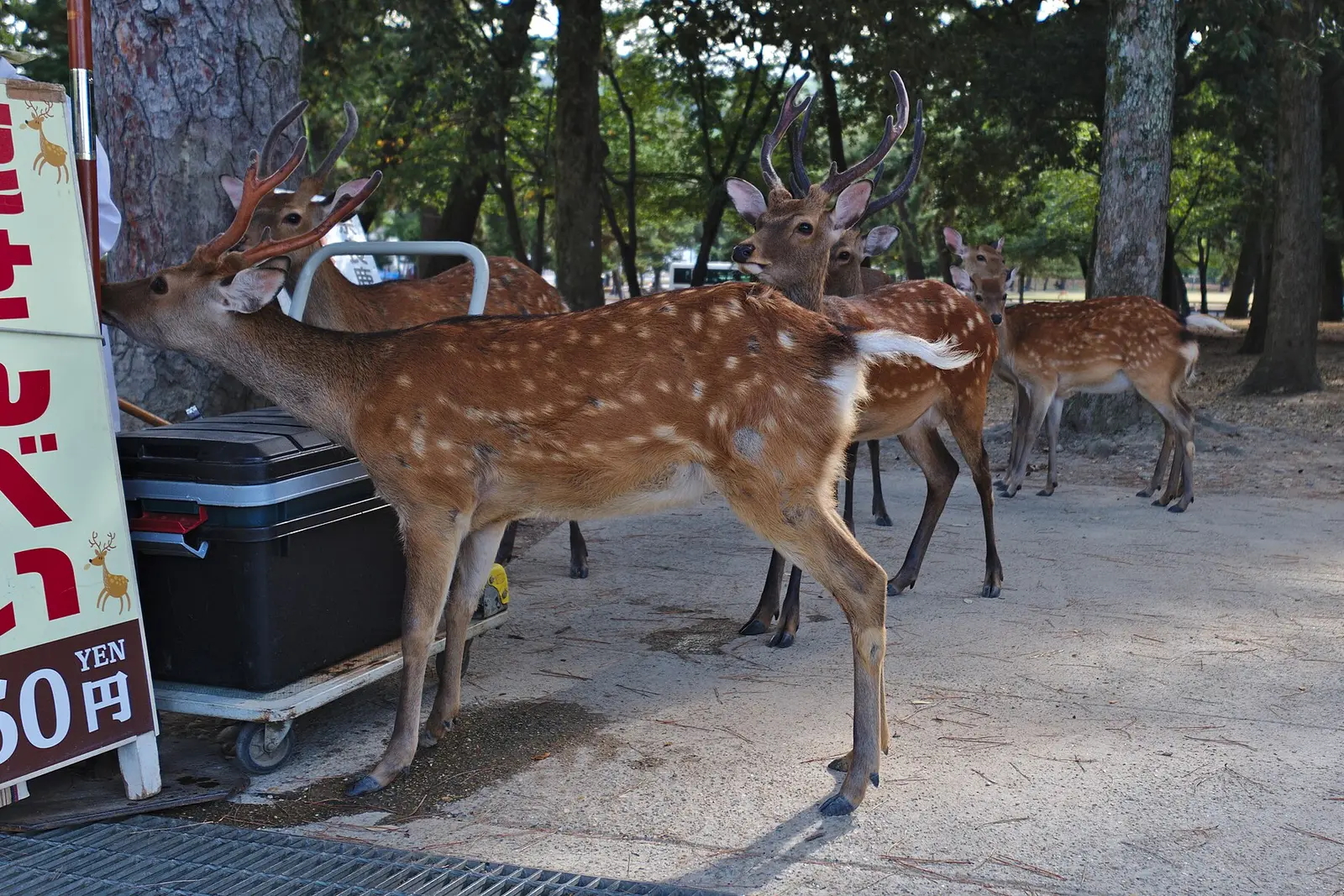
Nara Park Deer: Meeting Japan's Sacred Deer
About 1,300 wild deer roam the park and bow for crackers. How to feed them safely and what to expect.
 NARA3 min read
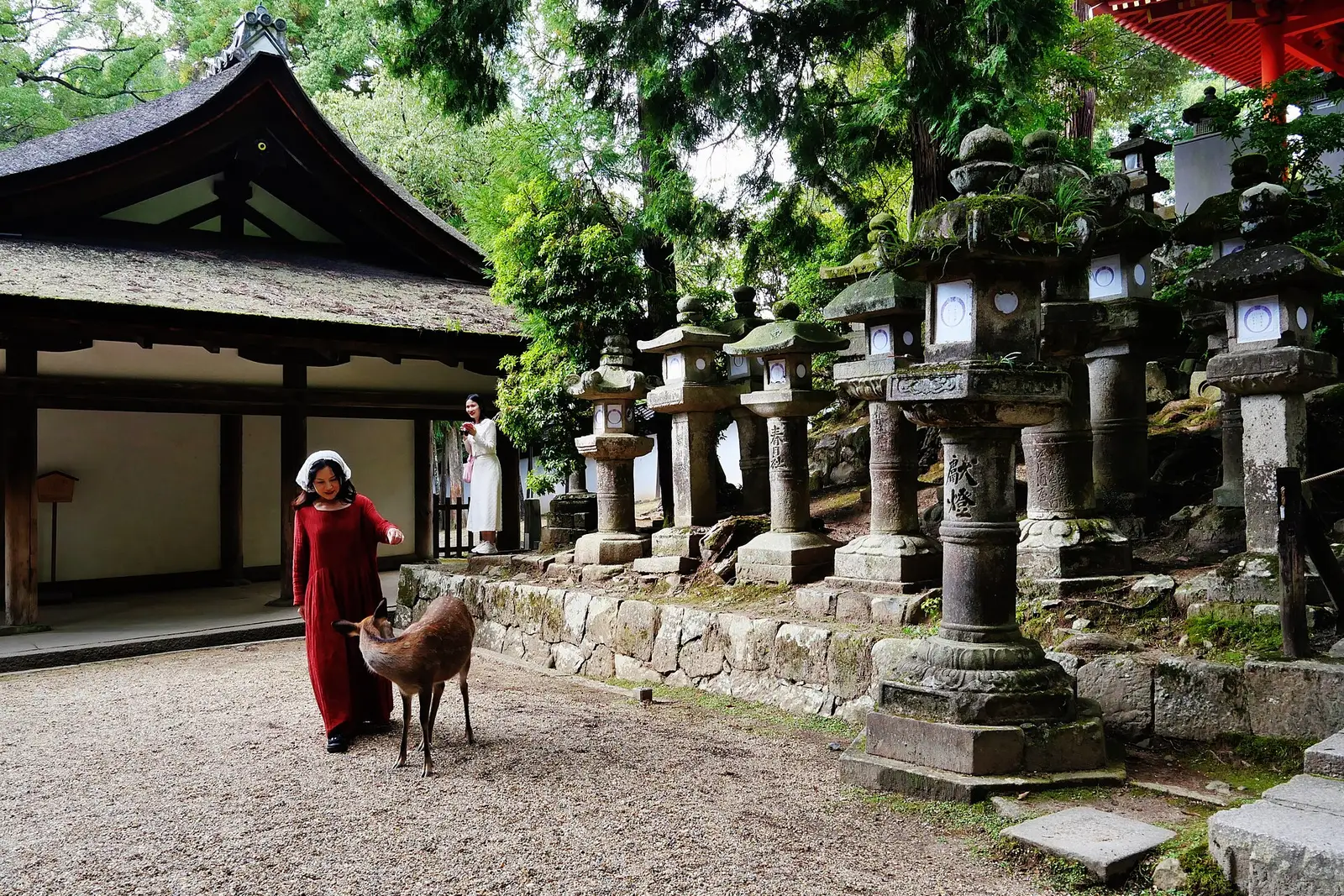
Kasuga Taisha: Nara's Shrine of 3,000 Lanterns
A red shrine in the forest with about 3,000 lanterns. Hours, fees and the two nights they are all lit.
 NARA3 min read
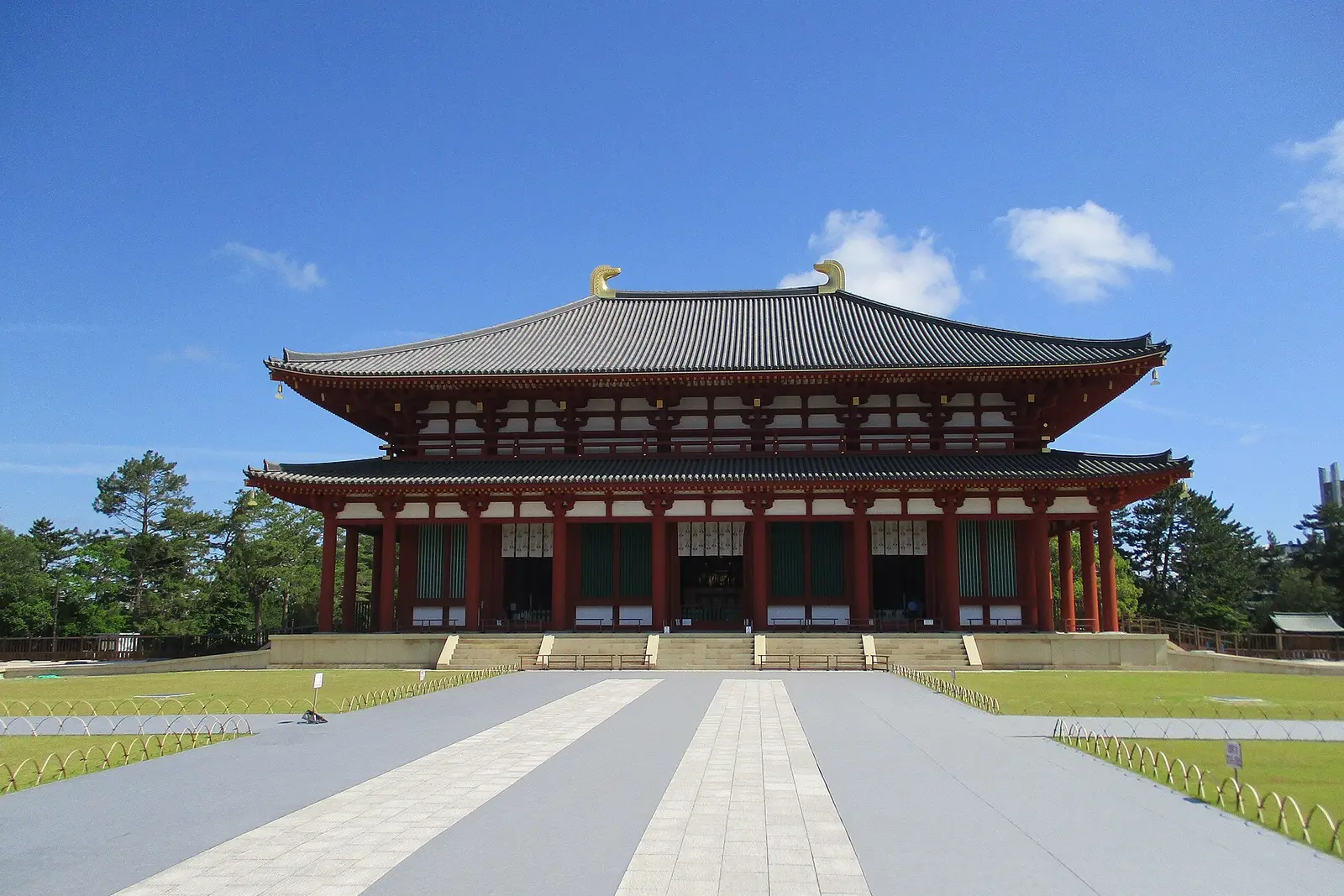
Kofuku-ji: Nara's Temple of the Fujiwara
The temple of Nara's most powerful family, with the famous Asura statue. Hours, tickets and the pagoda news.