Kuromon Market: Osaka's Kitchen
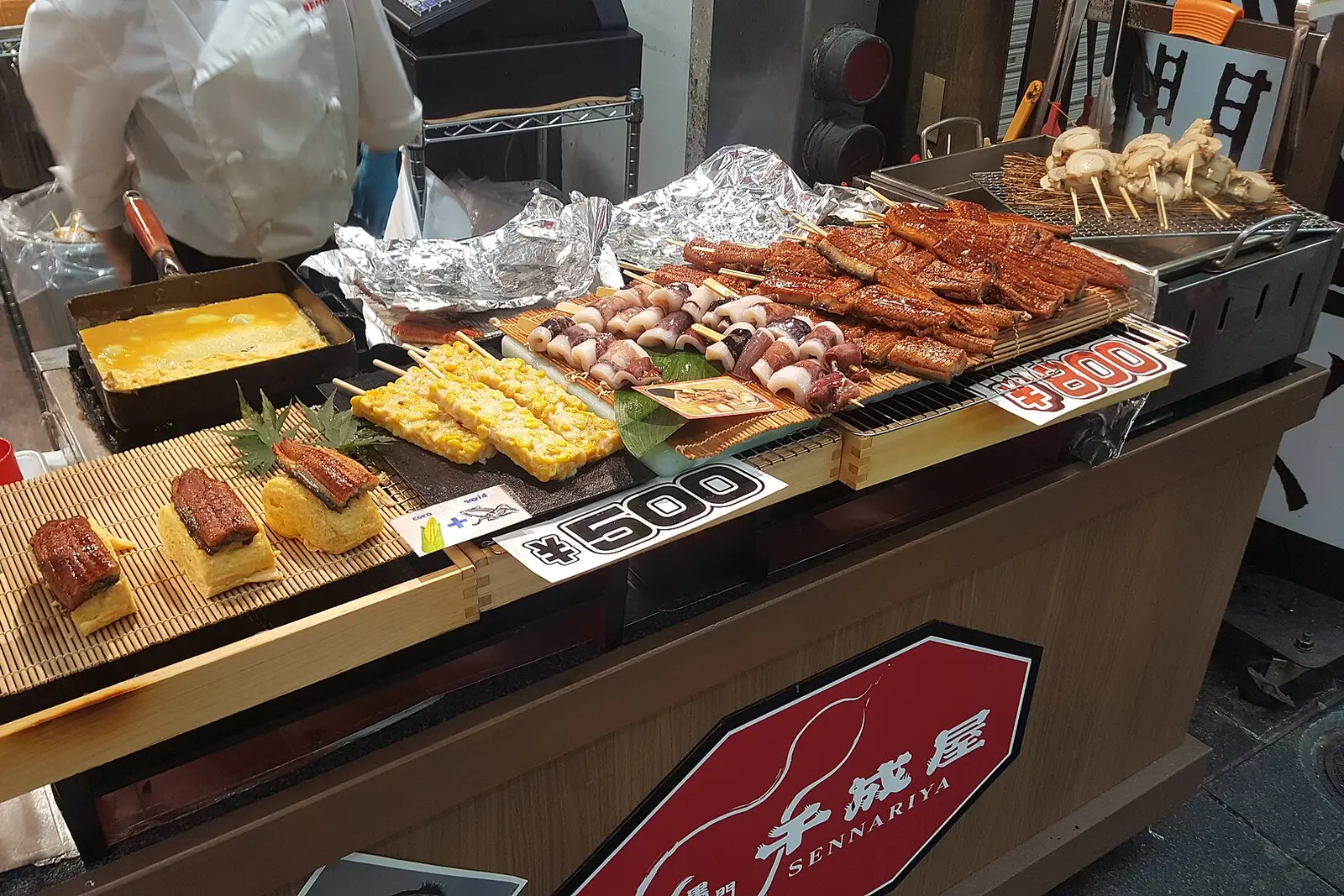
For more than a century, Kuromon Market has been where Osaka's cooks go to buy fish. Today you will still see them here, but you will also see visitors eating grilled crab legs and sea urchin from paper trays.
Osaka's kitchen
Kuromon Market is a roofed arcade about 580 meters long, with around 150 shops on both sides. Many sell fresh fish, but you will also find meat, vegetables, fruit and processed foods. Osakans call it "Osaka's kitchen" and sometimes "Osaka's stomach."
The market began in the late Edo period, when merchants started bringing fish to sell near a temple called Enmyoji. The name Kuromon means "black gate," after the temple's gate. The temple and its gate burned down in the Meiji period, but the market kept the name. It was recognized as an official market in 1902.
Who it is for
In the Showa period, the market worked on a daily schedule. Chefs came to shop in the early morning, ordinary shoppers filled the arcade until about 3 pm, and restaurant professionals came again after that. It is still a working market, which is part of its charm.
In recent years, it has also become very popular with visitors from abroad, and many shops now sell small portions to eat right away. That is why the market feels half like a shop and half like a food court.
What to eat
Most of the street food is made to be eaten on the spot. Look for these:
- Grilled seafood, such as crab legs and oysters
- Sea urchin and fresh sushi
- Grilled eel and yakitori, which is grilled chicken on a skewer
- Takoyaki, the Osaka octopus balls
- Seasonal fruit, fruit juice and matcha soft serve
If you want to sit down, there is an eat-in corner serving sushi, seafood bowls and tempura bowls. Around New Year, locals come here to buy ingredients for the holiday meals, including whole fugu for hotpot, so the market gets very busy at the end of the year.
How to do it well
Go in the late morning, once the shops are open and the food is ready, but before the arcade gets too crowded. Walk the whole arcade once before you buy anything, because you will see the same things at several shops and the prices can differ. Most stalls show their prices on signs, so you can compare as you go and point at what you want if you do not speak Japanese.
Please finish your food next to the shop where you bought it, instead of walking with it. The arcade is narrow, and a skewer in a crowded space can easily stain someone's clothes. Do not block the way while you decide what to order, and put your garbage in the right place or take it with you. Some local people have said that tourists' manners here can be a problem, so a little care goes a long way.
Hours and closing days
Shop hours vary. Most shops open at around 9 am and close at about 6 pm, though a few open much earlier. Some close on Sundays and public holidays, and a few close on other days of the week. Because of that, a weekday morning is the safest time to come. Not every shop will be open when you arrive, so do not plan your whole lunch around one place.
Getting there
The market is a few steps from Nipponbashi Station, on the Sennichimae and Sakaisuji subway lines. It is also about a 10-minute walk from Namba Station.
Nearby
Dotonbori is in the same Minami area, so you can eat at Kuromon in the morning and walk over to the canal and its neon signs in the evening. Shinsekai and its tower are on the same Sakaisuji subway line, at Ebisucho Station, if you want to see more of Osaka in one day.
More on Osaka
 OSAKA3 min read
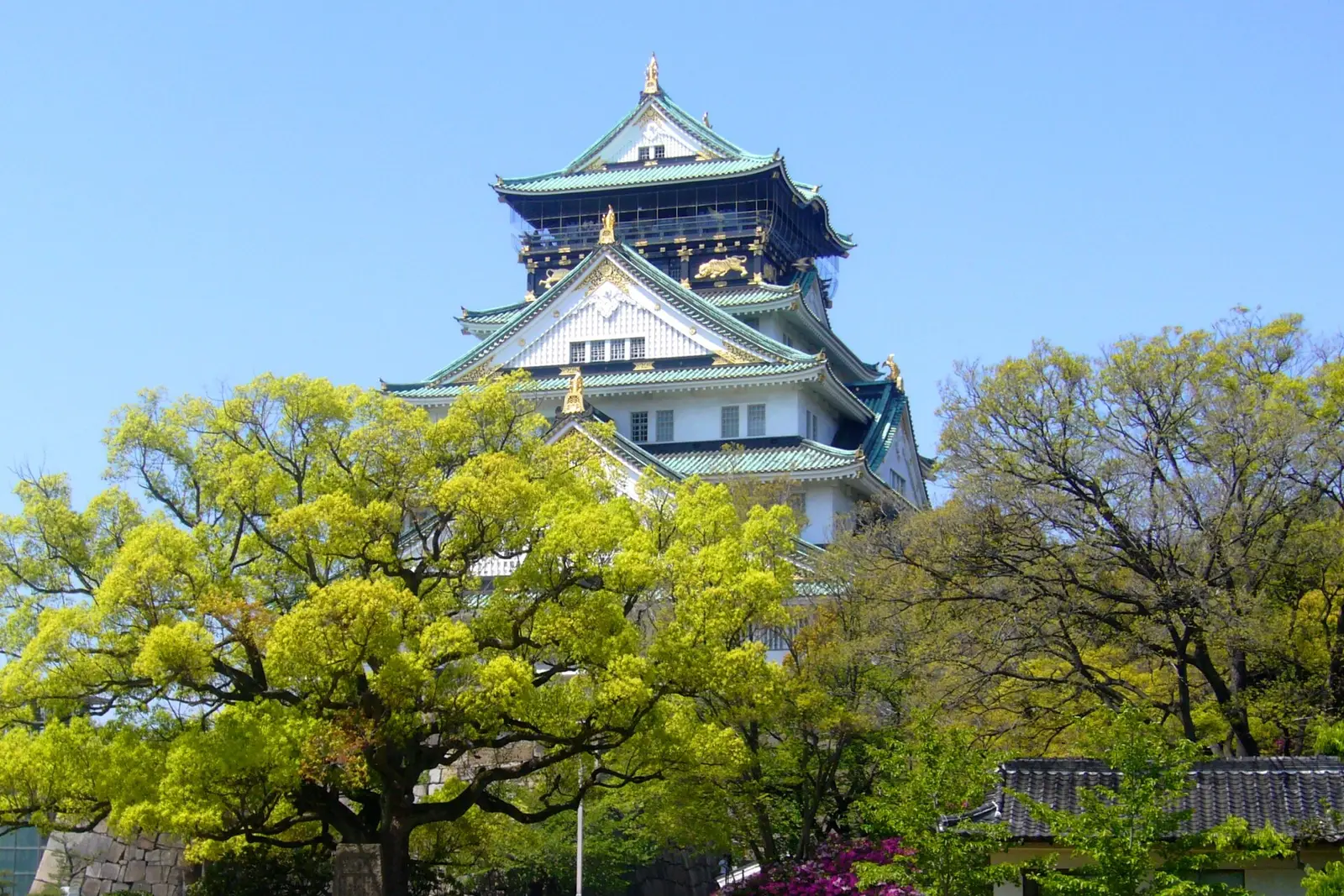
Osaka Castle: Three Towers and a Lot of Stone
A castle built to rule all of Japan, lost twice, and rebuilt. Hours, tickets and where to look.
 OSAKA3 min read
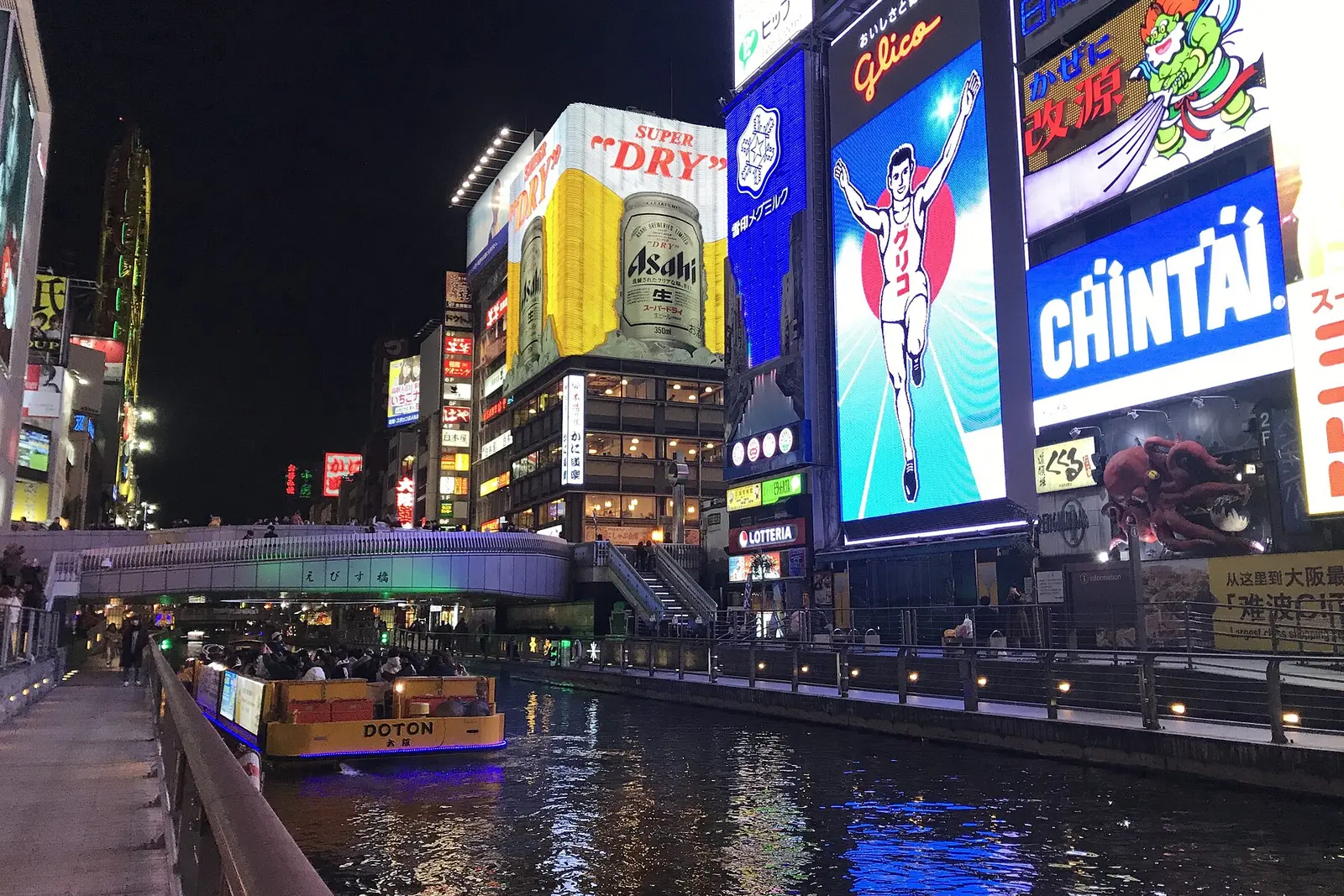
Dotonbori: Osaka's Canal of Neon and Street Food
A canal lined with giant signs and food stalls. Where the name comes from and when to go.
 OSAKA3 min read
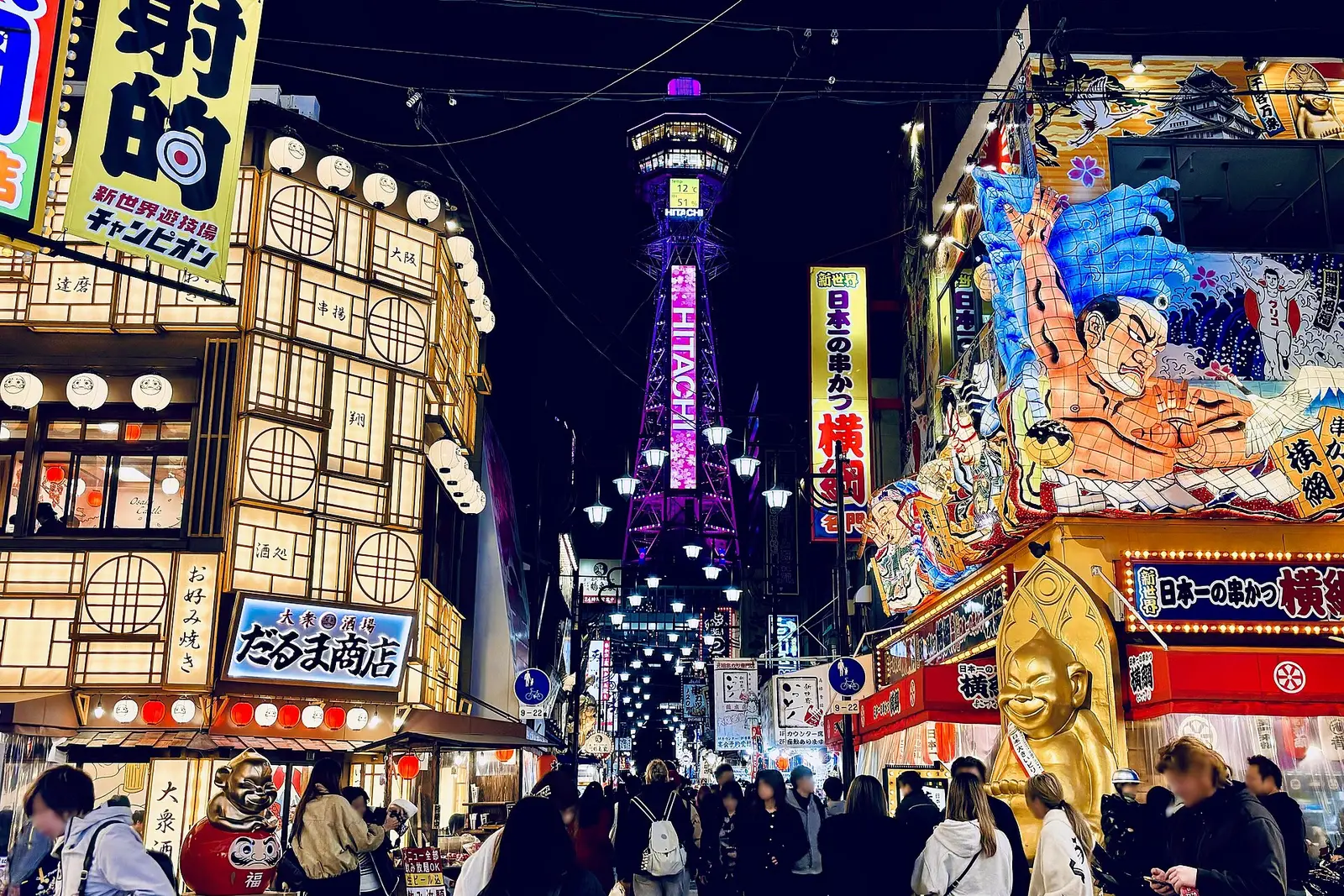
Shinsekai and Tsutenkaku: Osaka's Retro "New World"
A retro district in the shadow of a tower modeled on the Eiffel Tower, and the home of fried skewers.