Destinations › Miyagi › Sendai
Akiu Onsen: Sendai's Ancient Hot Spring Town
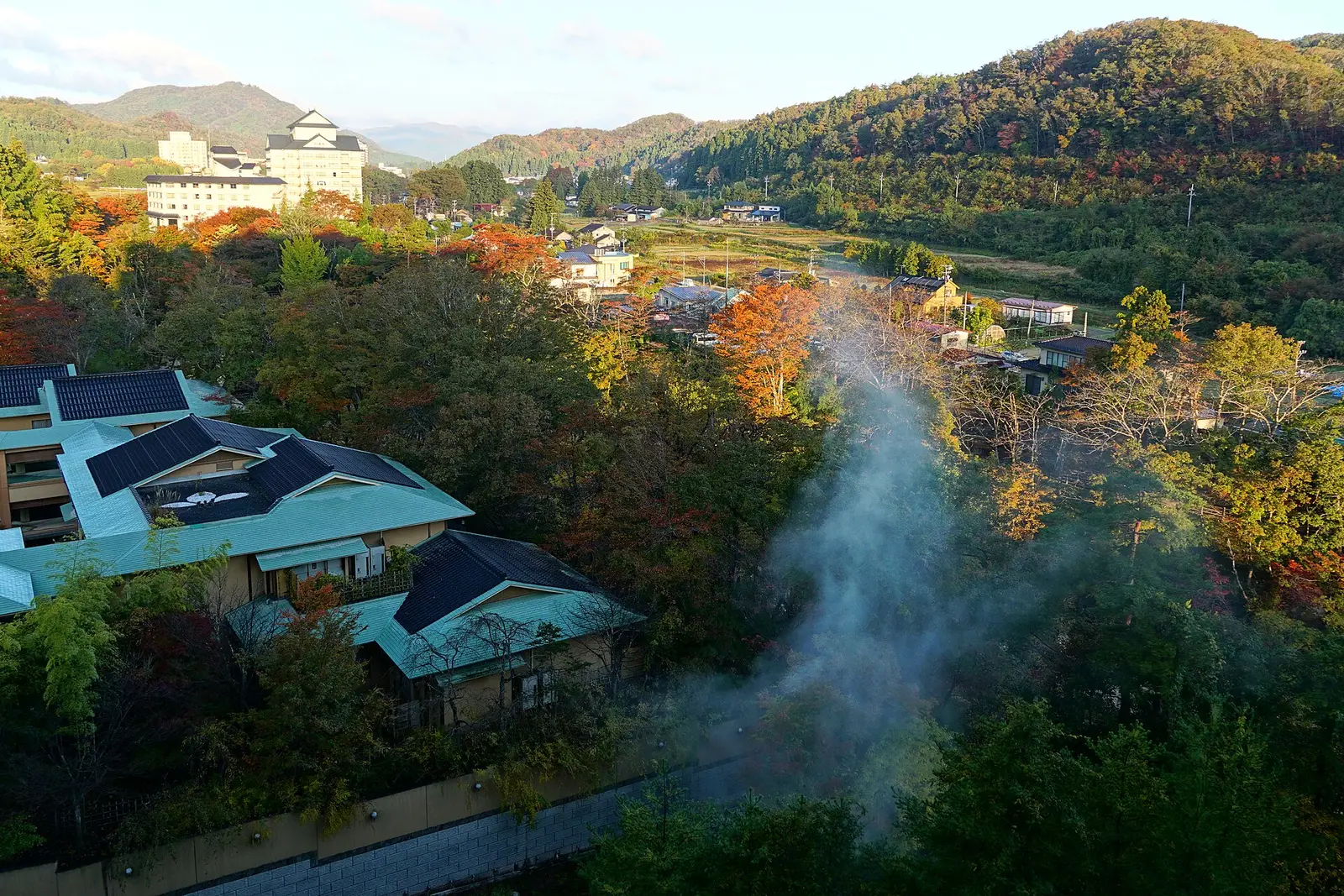
Steam drifts up from the valley of the Natori River, where hot spring inns stand among the trees. Akiu Onsen has been famous for its water since ancient times, and the lords of Sendai came here to bathe. It is close enough to Sendai for a day out, and quiet enough for a night away from the city.
One of Japan's three imperial hot springs
Akiu Onsen has a very long history. According to the local inn association, in the 6th century, between 531 and 570, Emperor Kinmei was cured of a skin illness in the water here. The spring was given the title "Natori no Miyu," the hot spring of Natori, and it came to be counted as one of Japan's three imperial hot springs, together with Bessho Onsen and Nozawa Onsen.
The spring also appears in old poems and tales. Centuries later, Date Masamune enjoyed the water as well, and the Date family kept Akiu as its own bathing place for generations.
The inn association describes the water as a mildly salty chloride spring with a temperature of about 45°C, and the supply is plentiful. Akiu itself was a separate town until 1988, when it became part of Sendai.
Staying at an inn
More than a dozen ryokan and hotels make up the hot spring town today. They range from large hotels to small, homely inns. Most have large shared baths, and many also have open-air baths. Each inn sets its own prices, bathing hours and rules, so check with the inn before you go. Some inns run a free shuttle bus from Sendai Station for their guests.
Rairaikyo Gorge
Right in the hot spring town, the Natori River runs through a narrow gorge called Rairaikyo. A walking path follows the river past strangely shaped rocks, and you can hear the water below as you walk. Look for the "Heart Rock," a rock with a heart-shaped mark that has become popular with couples.
Akiu Otaki Falls
Further up the valley, the whole flow of the Natori River drops over a cliff of tuff, a soft volcanic rock. Akiu Otaki is about 55 meters high and about 6 meters wide. It was named a national Place of Scenic Beauty in 1942, and it is often called one of the three great waterfalls of Japan.
From the viewing platform you can see the water crash down. If you are fit, take the nature trail down to the basin, where you can feel the spray. Next to the falls is Akiu Otaki Fudoson, a temple hall in the woods, with a large ginkgo tree that turns gold in autumn.
The falls are free to visit. Miyagi Kotsu buses run from platform 8 at the West Exit bus pool of Sendai Station to the Akiu Otaki stop, right by the falls. Check the bus timetable before you go.
Crafts and more
At Akiu Kogei no Sato, the Akiu Traditional Craft Village, artisans work in their own studios. You can try painting a kokeshi doll or lacquering chopsticks or a wooden bowl. The village is open from 9:00 to 17:00, and each studio sets its own days off.
Akiu Shrine is known as a shrine to the god of victory. It became popular after the figure skater Yuzuru Hanyu visited, and it now draws fans and people who play sports. The valley also has a winery and a craft brewery that make drinks with Akiu water.
Getting there
Miyagi Kotsu buses and the Seibu Liner bus run from Sendai Station to the Akiu Onsen stop in about 40 minutes. You can also take the JR Senzan Line to Ayashi Station and change to a Sendai City Bus, which takes about 15 minutes to Akiu Onsen. By car, it is about 30 minutes from the Sendai-Miyagi interchange on Route 48.
The Akiu Sato Center, in the hot spring town, has a tourist information desk that opens from 9:30.
Tips
- If you have only one day, combine the gorge walk, lunch and a bath. The falls take a separate bus ride further up the valley.
- Bring good shoes for the trail to the waterfall basin.
Nearby
Akiu is the green, rural side of Sendai. Back in the city, Zuihoden, the Sendai Castle site and Osaki Hachimangu show the history of Date Masamune, the lord who loved these springs.
More on Sendai
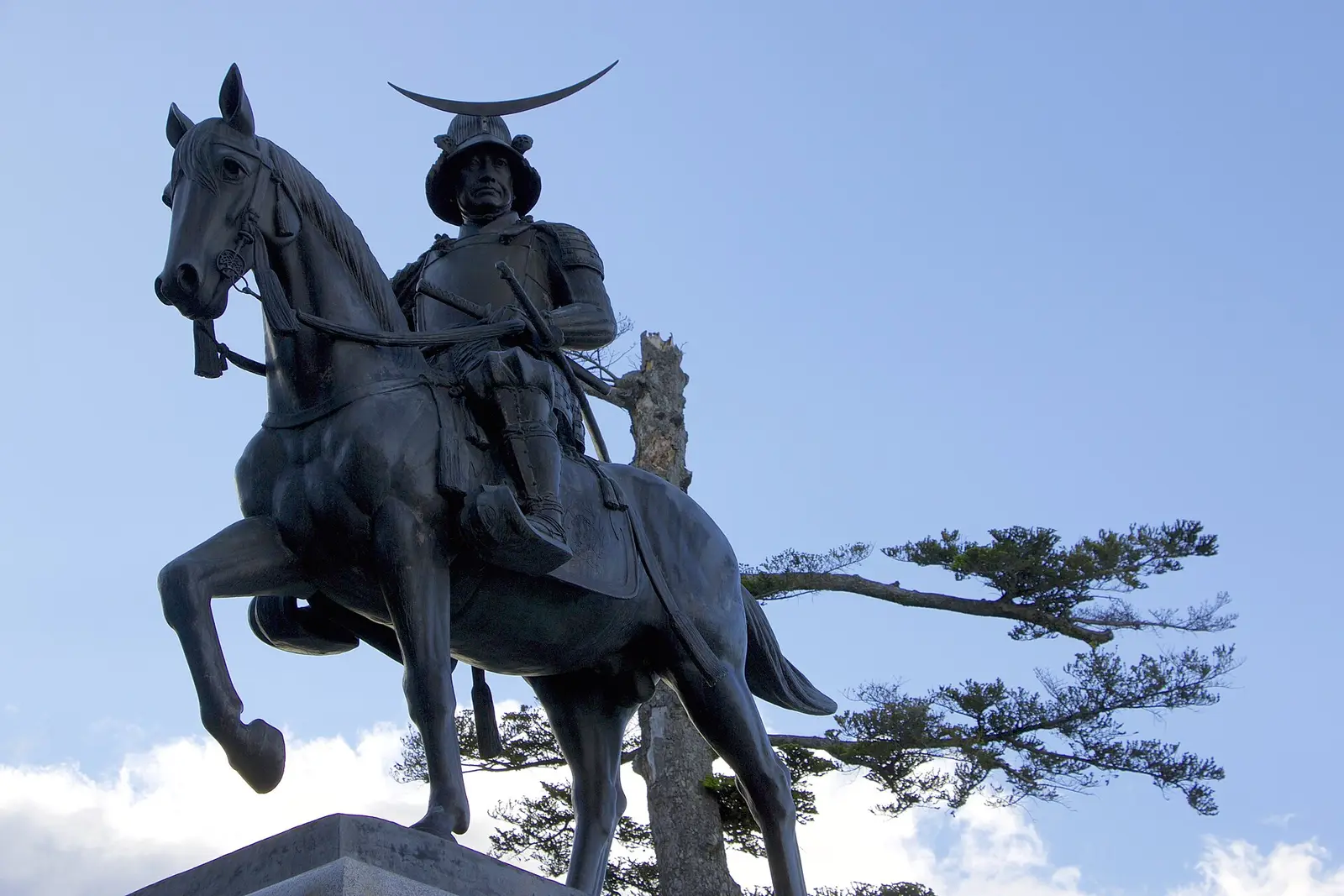 SENDAI3 min read
Sendai Castle Site: Date Masamune's Hilltop Castle
Stone walls, a famous statue of Date Masamune and the best view over Sendai. What to see and how to get up the hill.
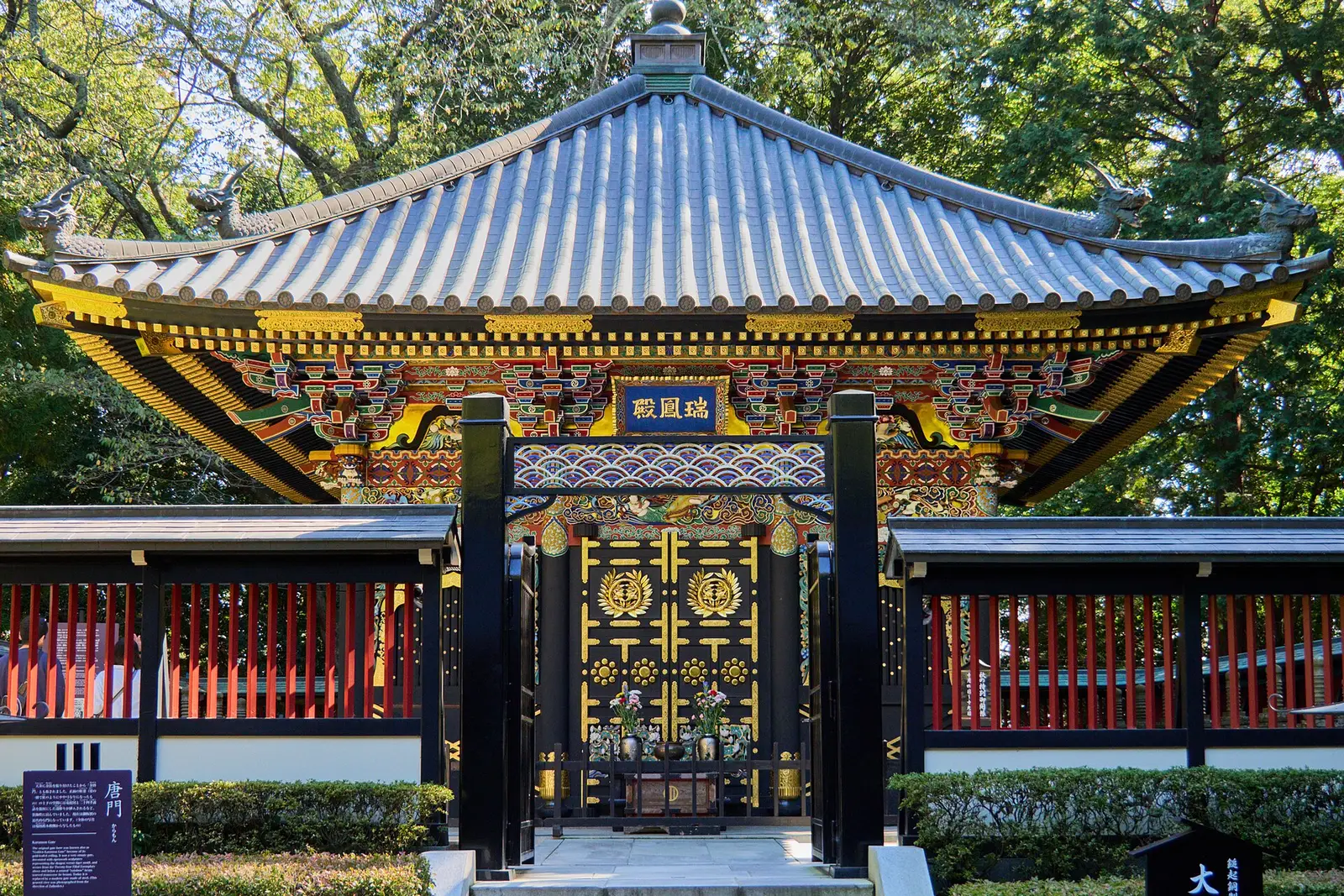 SENDAI3 min read
Zuihoden: The Mausoleum of Date Masamune
A black-and-gold mausoleum in a cedar forest, where Sendai's founder is buried. What to see, hours and prices.
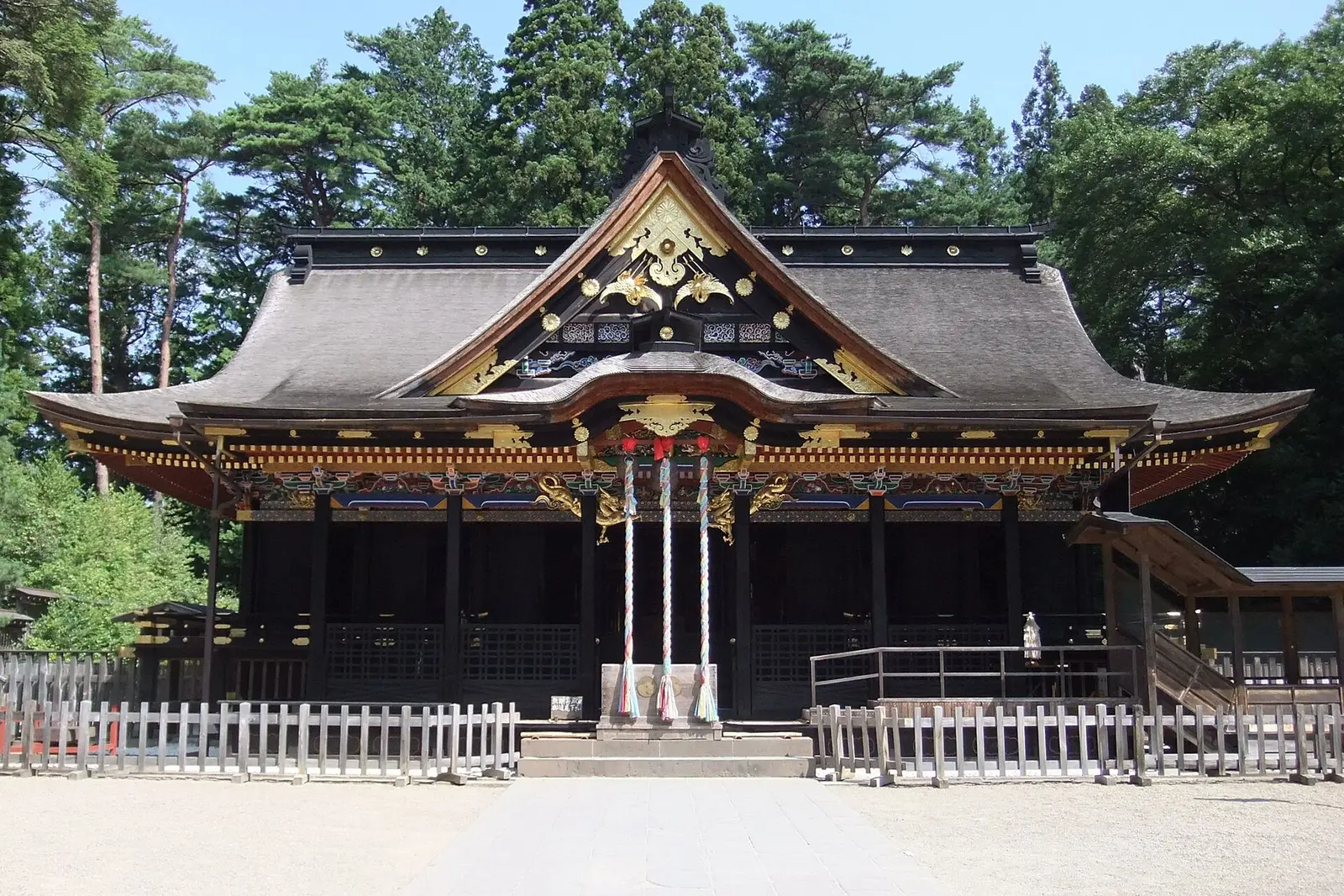 SENDAI3 min read
Osaki Hachimangu: Sendai's National Treasure Shrine
A black-lacquered, gold-trimmed shrine hall built by Date Masamune, and Sendai's biggest New Year fire festival.