Destinations › Miyagi › Sendai
Sendai Castle Site: Date Masamune's Hilltop Castle
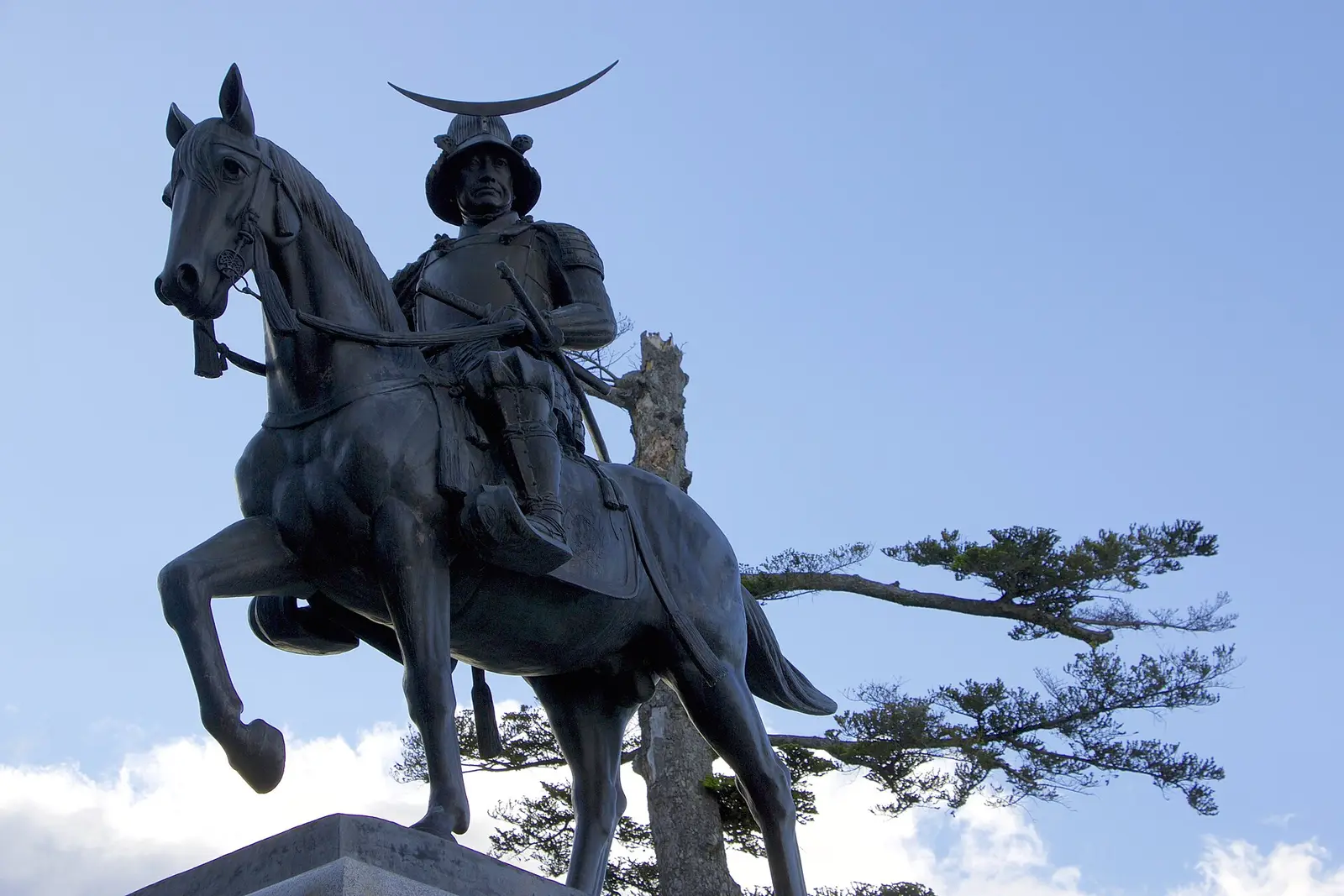
Sendai began on this hill. Date Masamune, the first lord of the Sendai domain, built his castle here at the start of the 1600s, and the city grew below it. The buildings are gone, but the stone walls, the statue of Masamune and the view over Sendai make it the place to start a visit.
The castle that started a city
After the Battle of Sekigahara in 1600, Date Masamune became lord of a large domain in northern Japan. In 1601 he began building the main part of his new castle on Aobayama, a hill west of today's city center. The main enclosure is said to have been finished in about two years. His son Tadamune, the second lord, began a second enclosure in 1638.
The castle is also called Aoba Castle. It stood in a strong natural position. To the east, cliffs of more than 60 meters drop to the Hirose River, and to the south a deep gorge cuts off the hill. There was no main keep tower. It is said that Masamune chose not to build one so that he would not make the shogun Tokugawa Ieyasu suspicious.
The Date family lived here through the whole Edo period. After the feudal domains were abolished, the army took over the site and the palace of the main enclosure was taken down. Fires and air raids later destroyed almost all of the remaining buildings. In 2003 the site was named a National Historic Site.
What you can see today
The stone walls are the main thing that survives. Repair work on the walls began in the late 1990s, and the excavations found that the walls had been rebuilt in three stages, partly after earthquakes in the 17th century. The digs also turned up gold-leaf roof tiles and glassware from Europe.
A rebuilt corner tower called the Wakiyagura gives an idea of how the castle buildings looked. On top, the Miyagi Gokoku Shrine now stands on the site of the main enclosure.
The statue of Masamune
The best-known sight here is the bronze statue of Date Masamune on horseback. It stands on the hilltop and looks out over the city, and it has become a symbol of Sendai.
Near the statue is a statue of the poet Doi Bansui, who had close ties to Sendai. Every 30 minutes from 9:00 to 18:00, it plays the song "Kojo no Tsuki" (The Moon over the Ruined Castle).
The view
From the main enclosure you can see across all of Sendai, and on a clear day out to the Pacific Ocean. The view is good at night too. From sunset until 23:00, the stone walls and the statue of Masamune are lit up, and the city lights spread out below.
Aoba Castle Museum
The Aoba Castle Museum is in the Honmaru Kaikan building on the hilltop. It covers the life of Masamune, the Date family and the castle, with real objects, panels and models. It also shows a computer-graphics film that rebuilds the castle as it once stood.
Entry is ¥770 for adults, ¥550 for junior high and high school students, and ¥330 for elementary school students. It is open from 9:00 to 17:00 from April to October, with last entry at 16:40, and from 9:00 to 16:00 from November to March, with last entry at 15:40. In winter the museum also closes on some Wednesdays, so check the building's notices before a winter visit.
The same building has a food court and a souvenir shop with local sweets, kokeshi dolls and goods sold only at the castle site.
Getting there
The easiest way is the Loople Sendai sightseeing bus. It leaves from stop 16 at the West Exit bus terminal of Sendai Station, and the "Site of Sendai Castle" stop is about 23 minutes away. A single ride costs ¥300 for adults, and a one-day pass costs ¥700. There are steps from the bus stop up to the main enclosure.
You can also take the Tozai subway line to Aobayama Station, then a city bus to the "Sendai Jo-ato Minami" stop. There is paid parking on the hilltop.
Tips
- The grounds never close, so you can come back in the evening for the night view.
- The Loople bus runs one way only, in a loop. Zuihoden, the mausoleum of Masamune, comes just before the castle site on the route, so many people visit the two together.
Nearby
Zuihoden is a short bus ride away on the Loople route. Osaki Hachimangu, the shrine Masamune built in the same years as his castle, is also on the Loople loop.
More on Sendai
 SENDAI3 min read
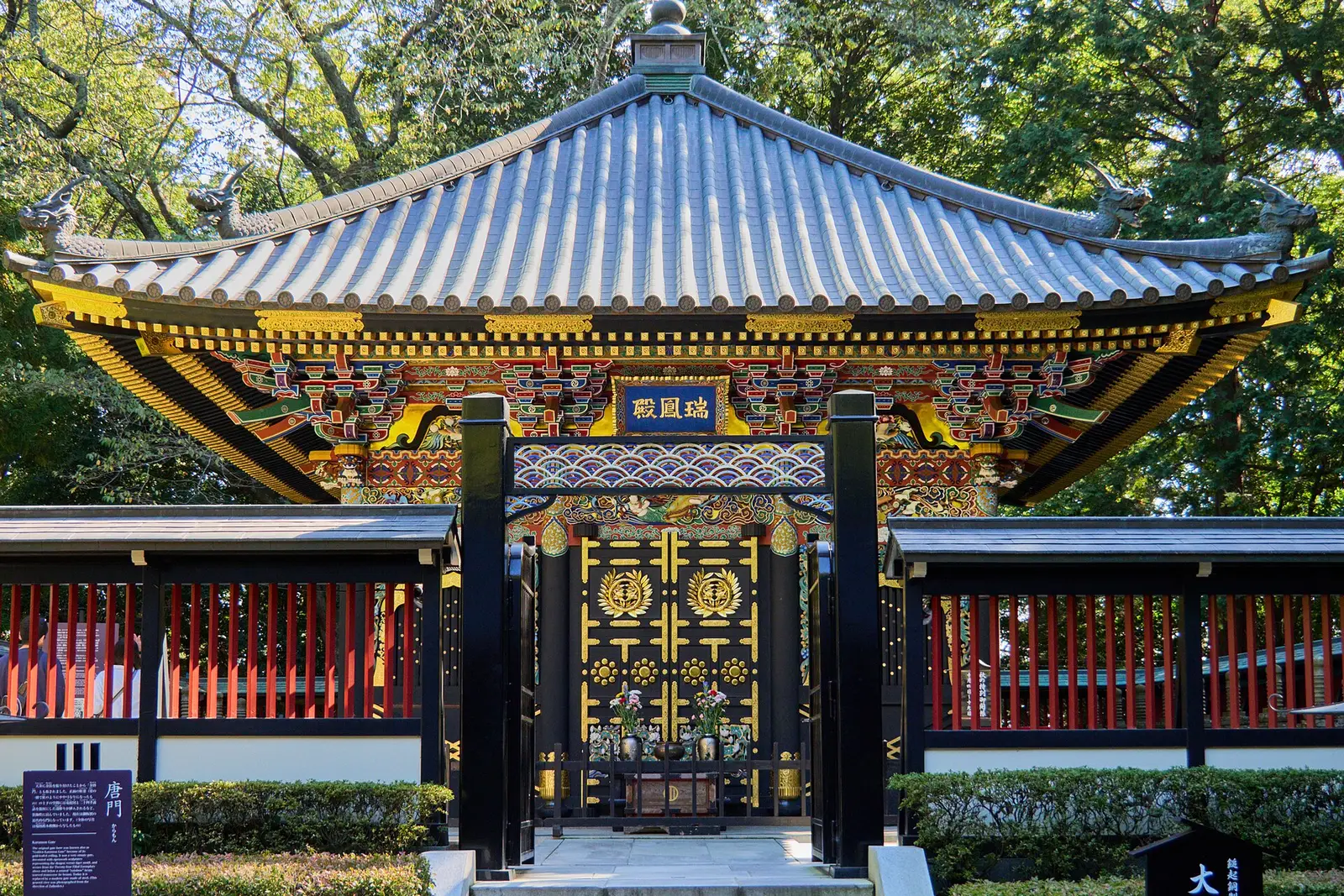
Zuihoden: The Mausoleum of Date Masamune
A black-and-gold mausoleum in a cedar forest, where Sendai's founder is buried. What to see, hours and prices.
 SENDAI3 min read
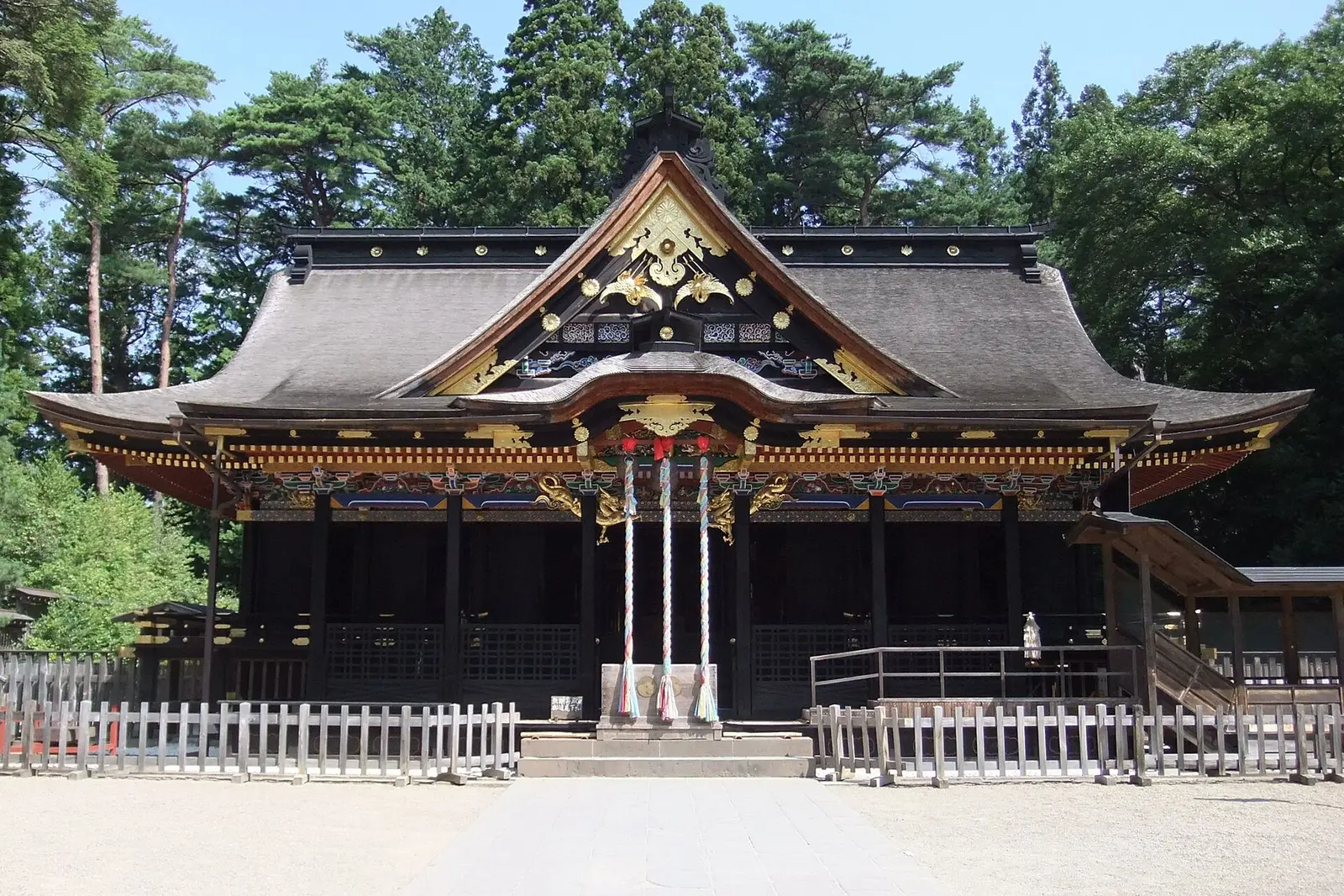
Osaki Hachimangu: Sendai's National Treasure Shrine
A black-lacquered, gold-trimmed shrine hall built by Date Masamune, and Sendai's biggest New Year fire festival.
 SENDAI3 min read
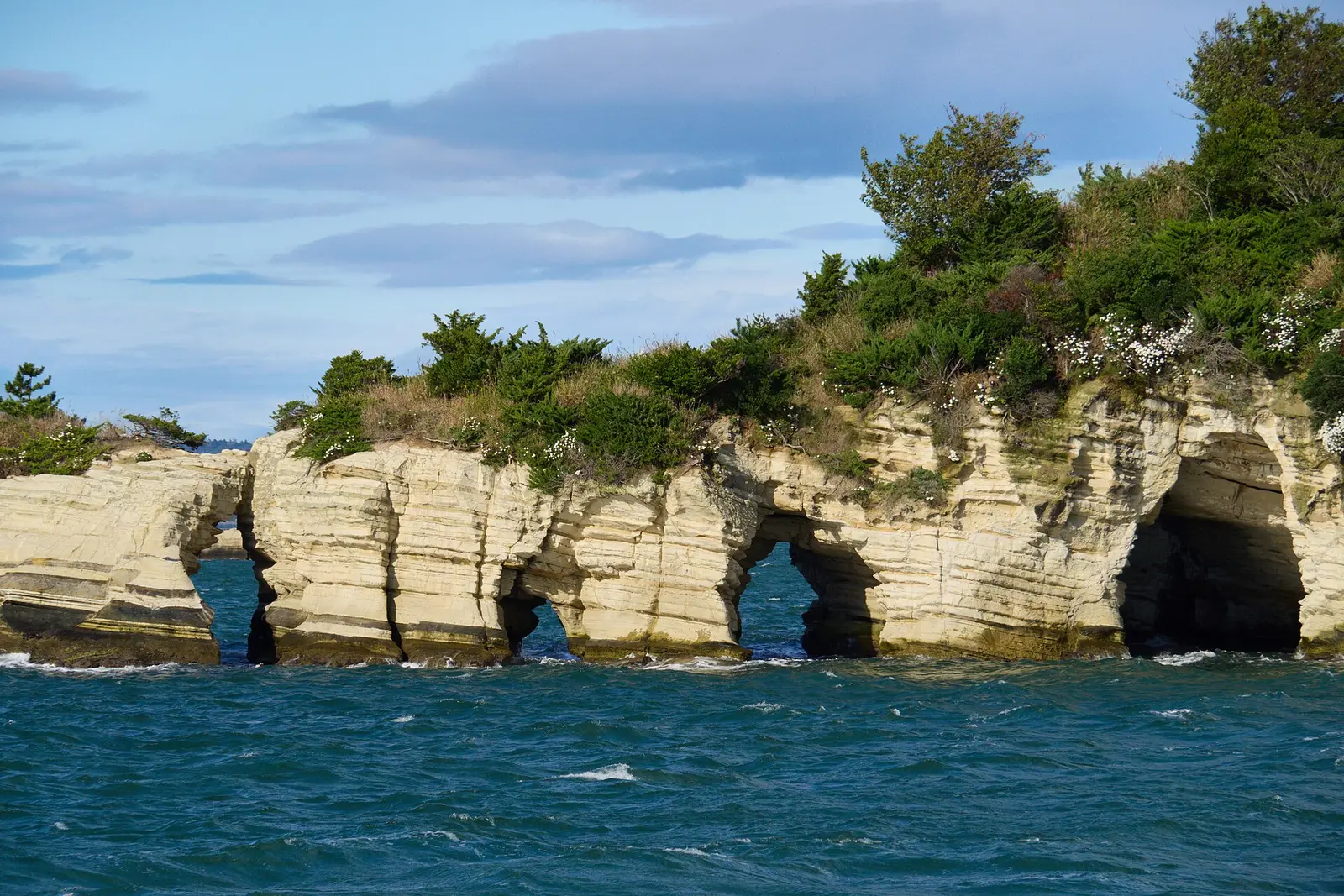
Matsushima: One of Japan's Three Great Views
A bay of more than 260 pine-covered islands, 40 minutes from Sendai. The boat cruise, the island temple hall and the red bridge.