Destinations › Miyagi › Sendai
Zuihoden: The Mausoleum of Date Masamune
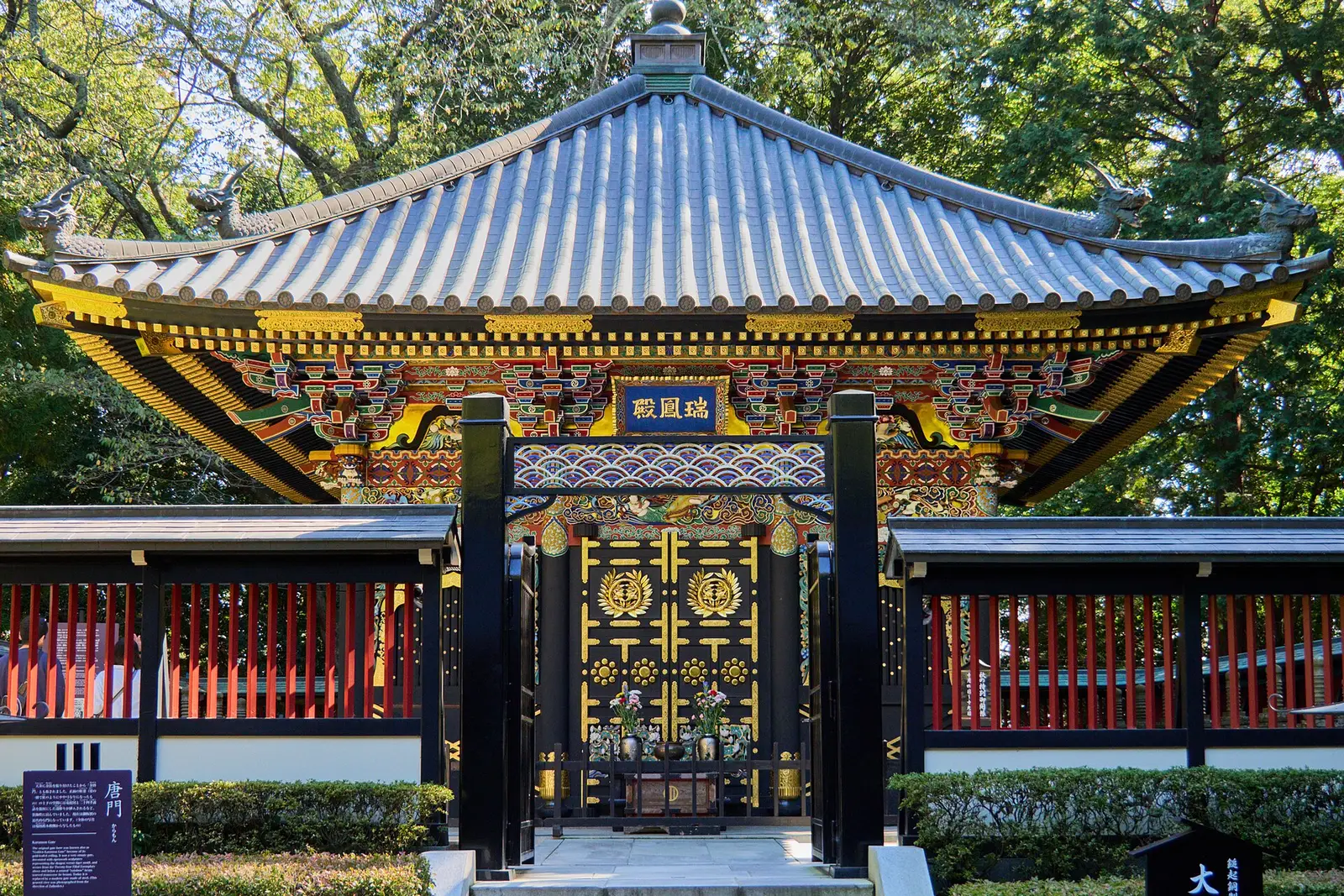
On a wooded hill in Sendai, a path climbs through tall cedars to a building covered in black lacquer, gold and bright carvings. This is Zuihoden, where Date Masamune, the founder of Sendai, was laid to rest. Two of his successors are buried close by.
Masamune's last wish
Date Masamune died in 1636 at the age of 70. Following his own wishes, Zuihoden was built the next year on a hill called Kyogamine.
The mausoleum was built in the rich style of the Momoyama period, and in 1931 it was named a National Treasure. In 1945 it burned down in the war. The building you see today was rebuilt in 1979, following the size and decoration of the original. In 2001, for the 400th anniversary of the city's founding, a major repair brought back details such as carved lion heads on the pillars and dragon-head roof tiles.
Walking up to the mausoleum
The visit starts with a climb up stone steps through old cedar trees.
At the top you reach Nehanmon, the "Nirvana Gate." The gate was rebuilt with hiba wood from Aomori, taken from trees several hundred years old. Look above the doors for a carving of a kirin, a mythical beast, and for peonies and lions on the sides.
Beyond the gate and a short flight of steps is the mausoleum itself. Its doors are gilded and carry the Date family crest of two sparrows inside a ring of bamboo. Under the roof, the brackets that hold it up are painted in bright colors.
A wooden statue of Masamune is kept inside. The doors are opened only on special days, including January 1 and 2, May 24 (the anniversary of his death), August 6 to 8, August 15 and a period in early to mid October.
The retainers who followed him
Near the mausoleum stand stone memorial towers for the men who killed themselves to follow Masamune in death. Fifteen of his direct retainers and five of their own men died this way. In the early Edo period this was seen as a virtue, a way to show loyalty to one's lord.
Kansenden, Zennoden and the museum
Further along the path are two more mausoleums. Kansenden is for Tadamune, the second lord, and was first built in 1664. Zennoden is for Tsunamune, the third lord, and was finished in 1716. Both burned in 1945 and were rebuilt in 1985. Tsunamune liked to paint phoenixes and peonies, so these were chosen to decorate his mausoleum.
When the mausoleums were rebuilt, archaeologists excavated the graves and found the remains of the three lords and many burial goods. The small museum shows an eight-minute film about the grounds, burial goods, and faces of the three lords modeled from their skulls. Photos and video are not allowed inside the museum.
Tickets and hours
Adults and university students pay ¥570, high school students ¥410, and elementary and junior high school students ¥210. If you have a Loople Sendai one-day pass, you get the group rate.
Zuihoden is open from 9:00 to 16:50 from February 1 to November 30, with last entry at 16:30, and from 9:00 to 16:20 from December 1 to January 31, with last entry at 16:00. The whole site closes on December 31. On January 1, only the main mausoleum is open.
Autumn leaves and evening events
The maples turn red, yellow and orange in late November. In 2026, Zuihoden holds an autumn light-up from November 16 to 30, with the lights on from 15:30, and on weekends and holidays it stays open until 19:00. On the nights of August 6 to 8, during the Sendai Tanabata festival, the grounds are lit up again.
Getting there
Take the Loople Sendai bus from the West Exit bus terminal of Sendai Station to the Zuihoden Mausoleum stop, about 13 minutes away. From the stop, walk up the approach to the entrance. There is a free parking lot to the left of the main entrance, and free coin lockers.
Tips
- There are many steps, so wear comfortable shoes. Wheelchair users will need more than one helper.
- In early spring, Japanese serows, a kind of wild goat-antelope, sometimes appear on the grounds. If you see one, watch from a distance.
Nearby
The Sendai Castle site is a few stops further on the Loople route. Masamune's own burial goods are not here but at the Sendai City Museum, which is also on the route.
More on Sendai
 SENDAI3 min read
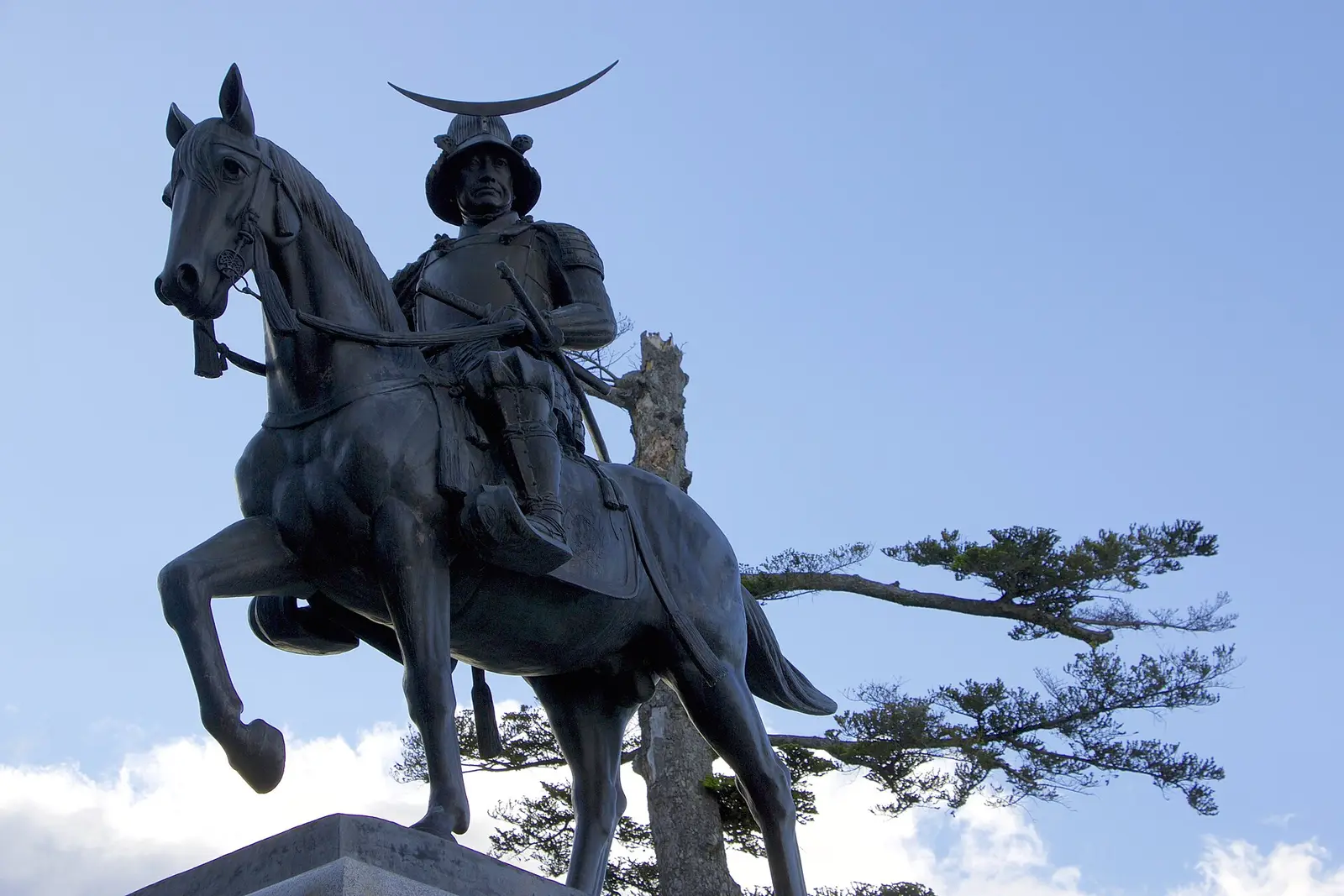
Sendai Castle Site: Date Masamune's Hilltop Castle
Stone walls, a famous statue of Date Masamune and the best view over Sendai. What to see and how to get up the hill.
 SENDAI3 min read
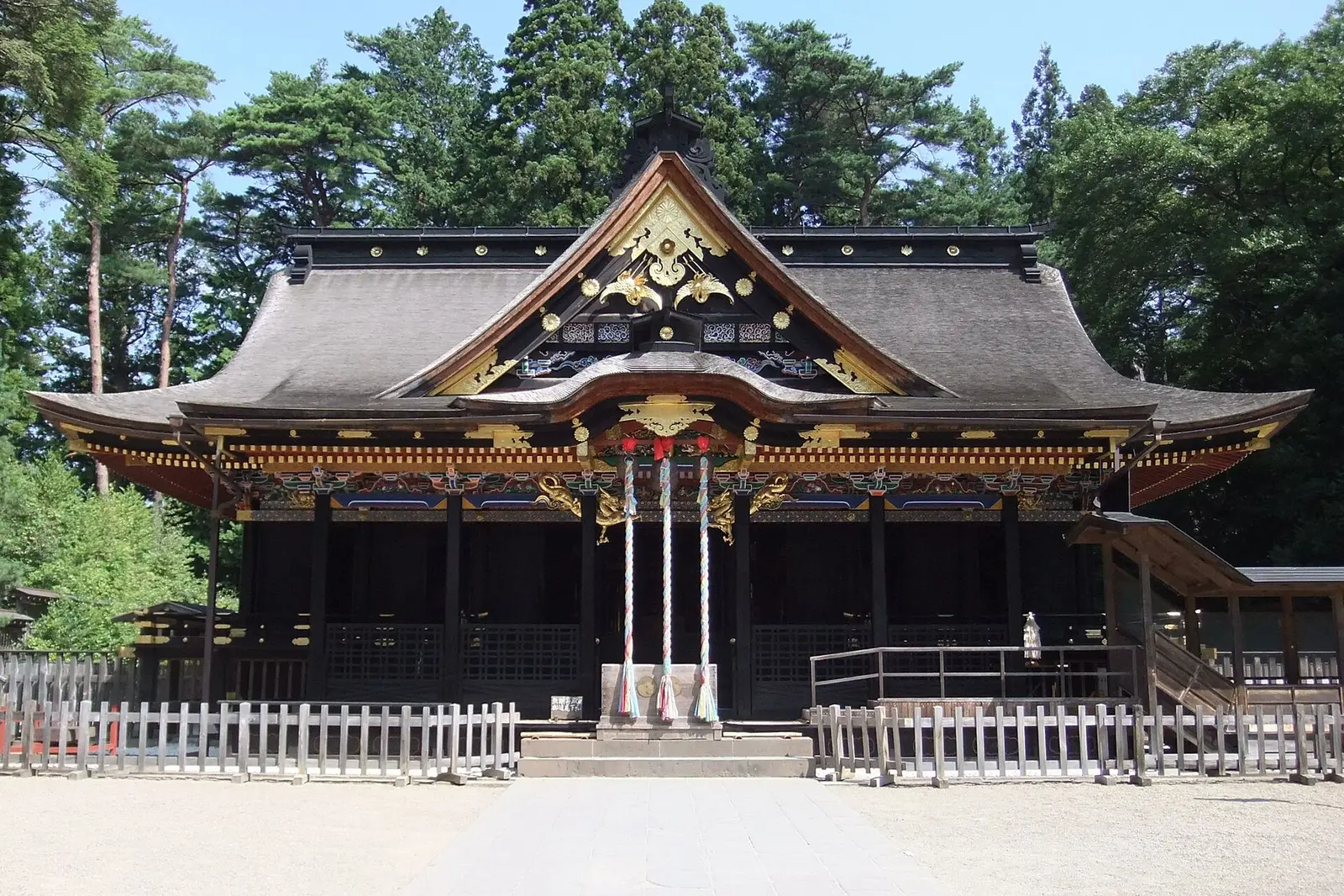
Osaki Hachimangu: Sendai's National Treasure Shrine
A black-lacquered, gold-trimmed shrine hall built by Date Masamune, and Sendai's biggest New Year fire festival.
 SENDAI3 min read
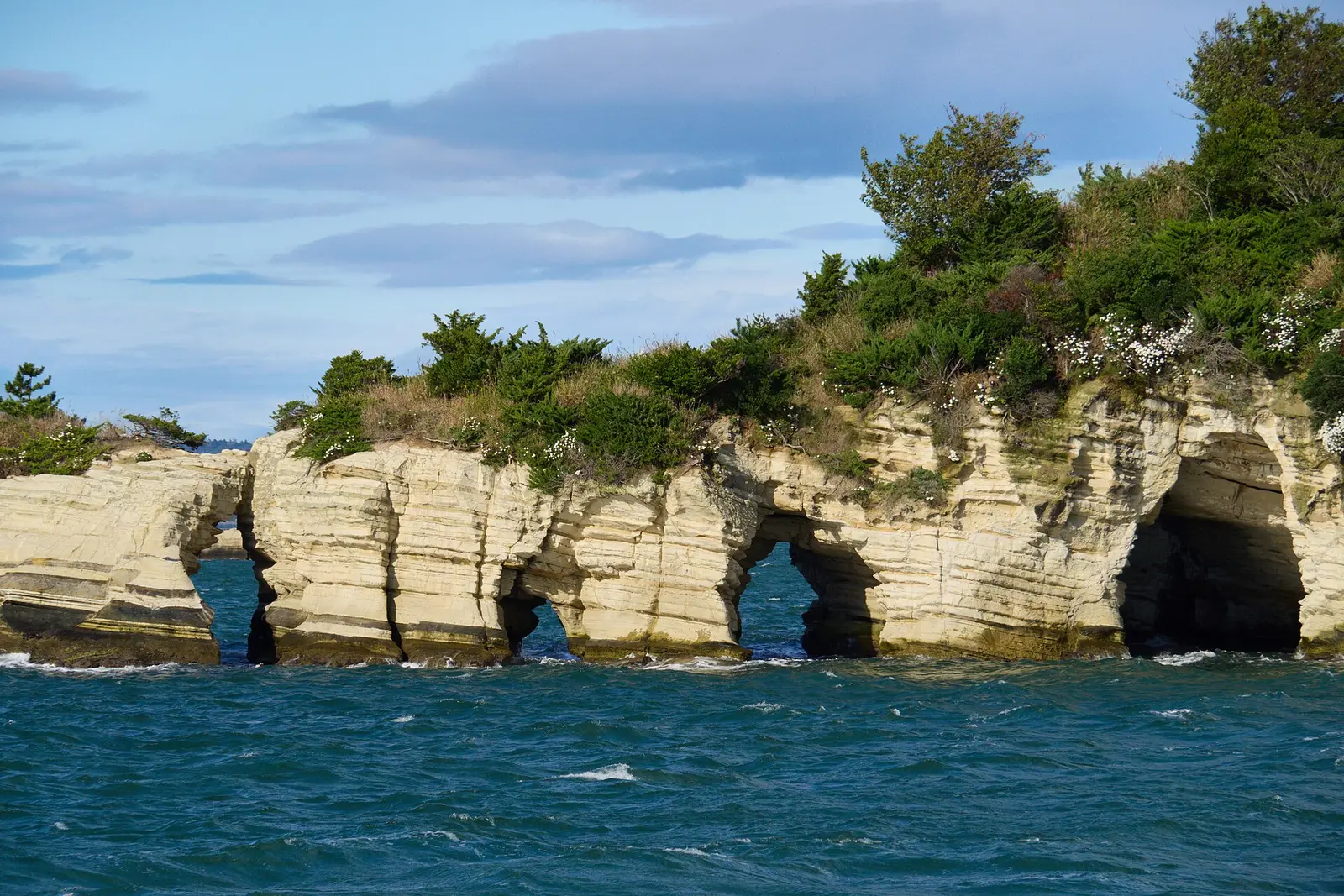
Matsushima: One of Japan's Three Great Views
A bay of more than 260 pine-covered islands, 40 minutes from Sendai. The boat cruise, the island temple hall and the red bridge.