Destinations › Miyagi › Sendai
Osaki Hachimangu: Sendai's National Treasure Shrine
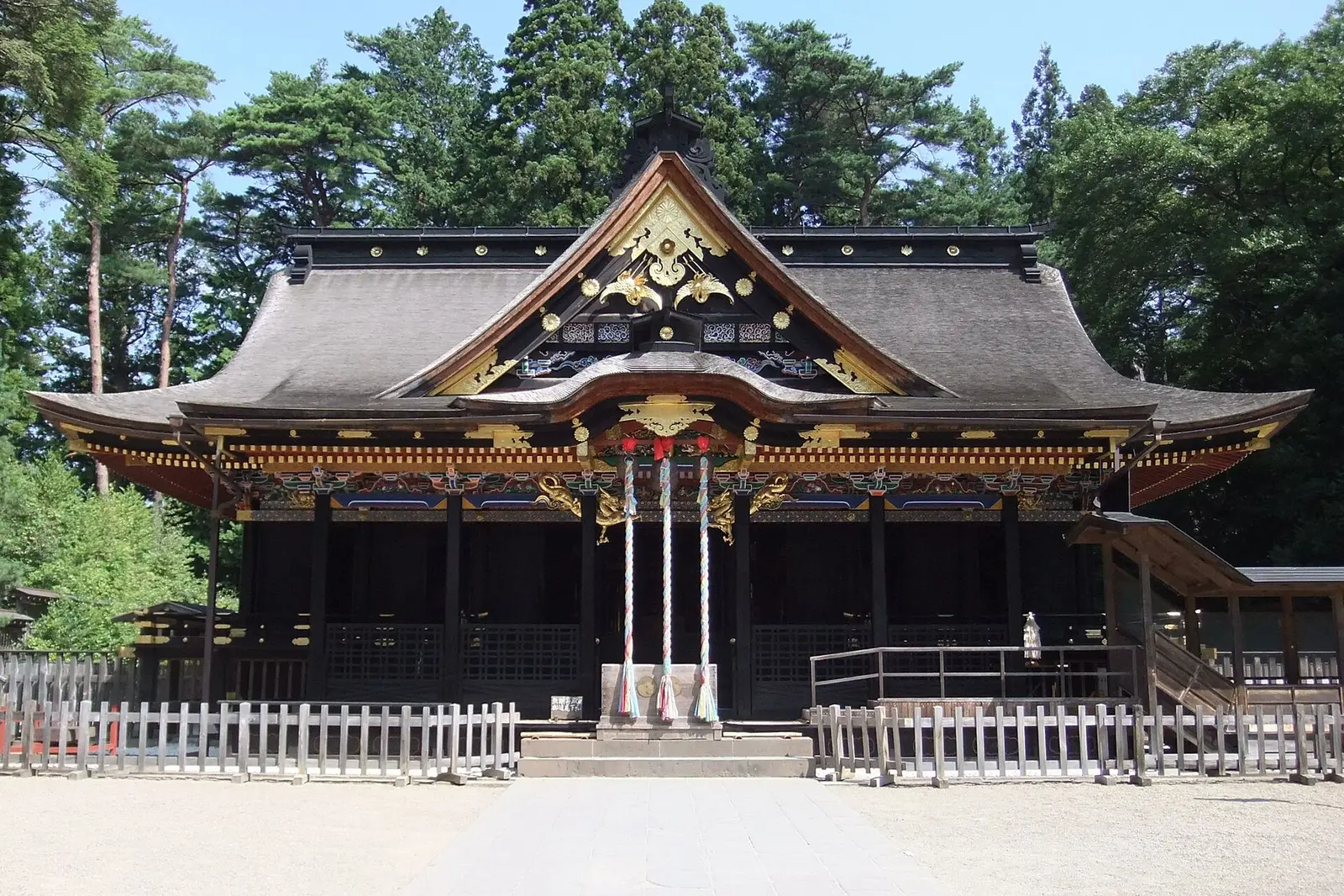
Climb a long flight of stone steps in the northwest of Sendai and you come to a shrine hall in black lacquer, trimmed with gold and painted carvings. Date Masamune built Osaki Hachimangu to protect his new city, and the hall has stood here for more than 400 years. It is a National Treasure.
A shrine that moved with the Date family
The story of Osaki Hachimangu begins long before Sendai. In the Heian period, the general Sakanoue no Tamuramaro brought the war god Hachiman to what is now Iwate Prefecture. In the Muromachi period, the Osaki clan moved the shrine onto their own land and worshiped it as their guardian, and that is how it got the name "Osaki Hachiman."
After the Osaki clan fell, Date Masamune took the sacred object to his castle at Iwadeyama. When he founded Sendai, he placed it on the present site, to the northwest of Sendai Castle. Hachiman was the guardian god of the Date family, and the shrine became the protector of the whole domain.
The spot also mattered for another reason. The shrine stands at the foot of the mountain pass that was the main western entrance to the castle town, so important visitors from Kyoto and Edo passed it on their way in.
The main hall
Masamune called in some of the finest craftsmen of the day, men who had worked for the Toyotomi family, and the hall was built from 1604 to 1607. The shrine says it is the only building of its kind left in Japan from the Azuchi-Momoyama period. It was named a National Treasure in 1952.
The hall joins a main sanctuary and a worship hall with a stone-floored room in between. This layout later became known as the gongen style. The lower walls are lacquered black, while the parts above are covered with brightly painted brackets and carvings. Look for a pair of gilded cranes, symbols of long life, framed by the front gable. Above the entrance, two gilded dragons seem to come down from the eaves.
In front of the hall stands the Nagatoko, a long building of plain, unpainted wood. It is thought to date from about the same time as the main hall, and it is an Important Cultural Property.
The approach
The way in starts with a steep flight of stone steps. At the top, a cobbled path leads between trees to the hall, and you pass through three torii gates. On the large wooden plaques of the red torii, the first character of "Hachiman," written with two short strokes, is shaped like a pair of doves. Doves are the messengers of Hachiman.
Dontosai: the January fire festival
On the night of January 14, the shrine holds its Matsutaki Festival, better known in Sendai as Dontosai. It has a history of about 300 years and is one of the largest New Year send-off festivals in Japan. People bring their New Year pine decorations and old charms, and these are burned in a great fire in a corner of the grounds. Standing near the sacred fire is said to keep you healthy and safe for the coming year.
The festival is also famous for its "naked pilgrimage." It is said to have started with sake brewers who came to pray for a good brewing season. Today several thousand people walk to the shrine from all over the city in white headbands and white cloth wraps, holding a bell in one hand and a lantern in the other, with a piece of paper in their mouths so that they do not talk. In 2005 the festival was named an Intangible Folk Cultural Property of Sendai.
Roads around the shrine are closed to traffic from 17:00, so take a shuttle bus or public transport. Only bring New Year decorations and charms to the fire. Plastic, dolls, papers and photos are not accepted.
Getting there
The Loople Sendai bus stops at Osaki Hachimangu Shrine, about 43 minutes from Sendai Station on the loop. A city bus is more direct: take it from stop 10 or 15 at the West Exit bus pool of Sendai Station and get off at Osaki Hachimangu-mae. From Kunimi Station or Tohoku Fukushi-daimae Station on the JR Senzan Line, it is about a 15-minute walk. By car or taxi, it takes about 15 minutes from Sendai Station.
Tips
- The shrine asks visitors to take photos without getting in the way of other worshipers.
Nearby
The Loople route continues from here back toward the city center and Jozenji-dori, Sendai's avenue of zelkova trees. Zuihoden and the Sendai Castle site are earlier stops on the same loop.
More on Sendai
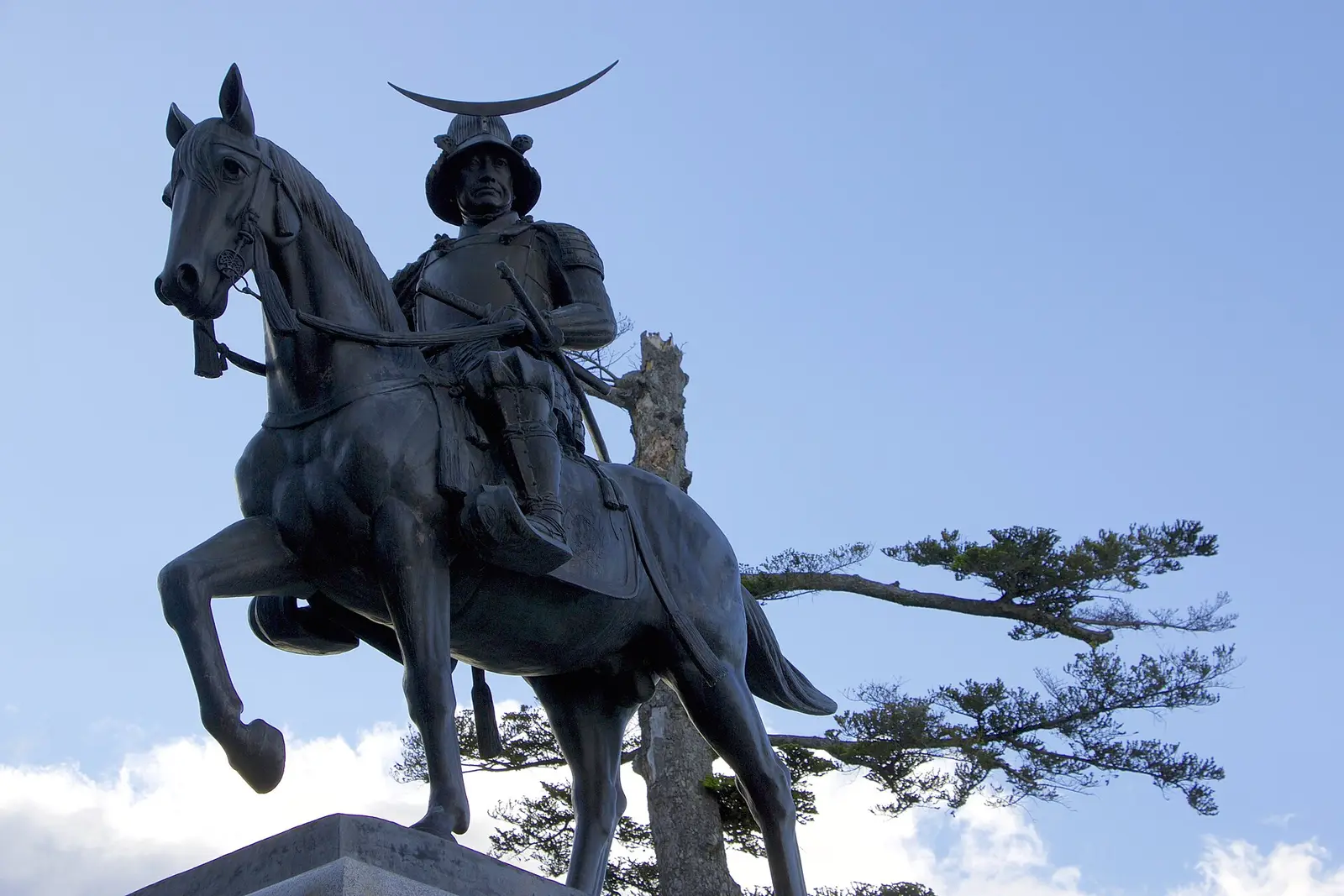 SENDAI3 min read
Sendai Castle Site: Date Masamune's Hilltop Castle
Stone walls, a famous statue of Date Masamune and the best view over Sendai. What to see and how to get up the hill.
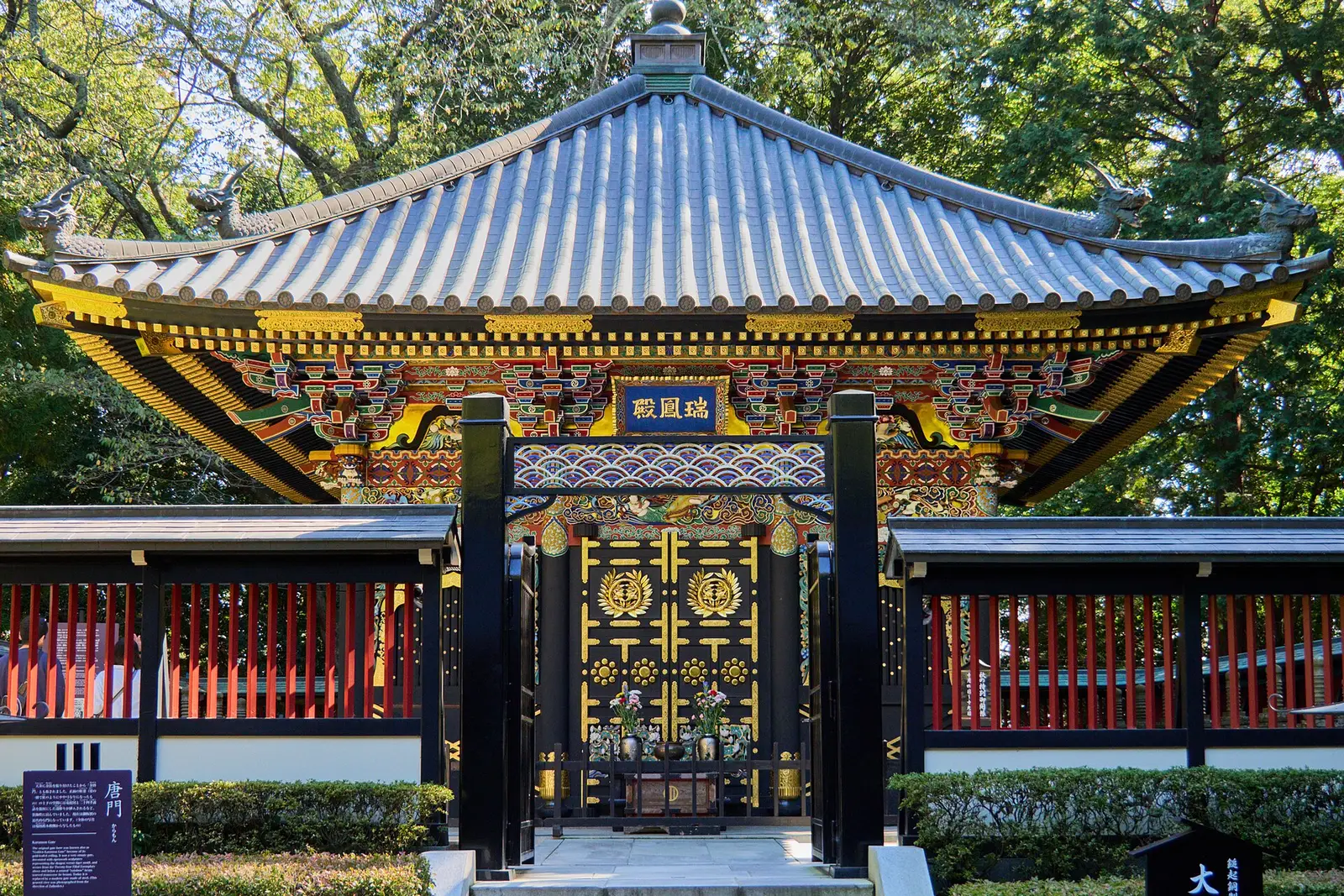 SENDAI3 min read
Zuihoden: The Mausoleum of Date Masamune
A black-and-gold mausoleum in a cedar forest, where Sendai's founder is buried. What to see, hours and prices.
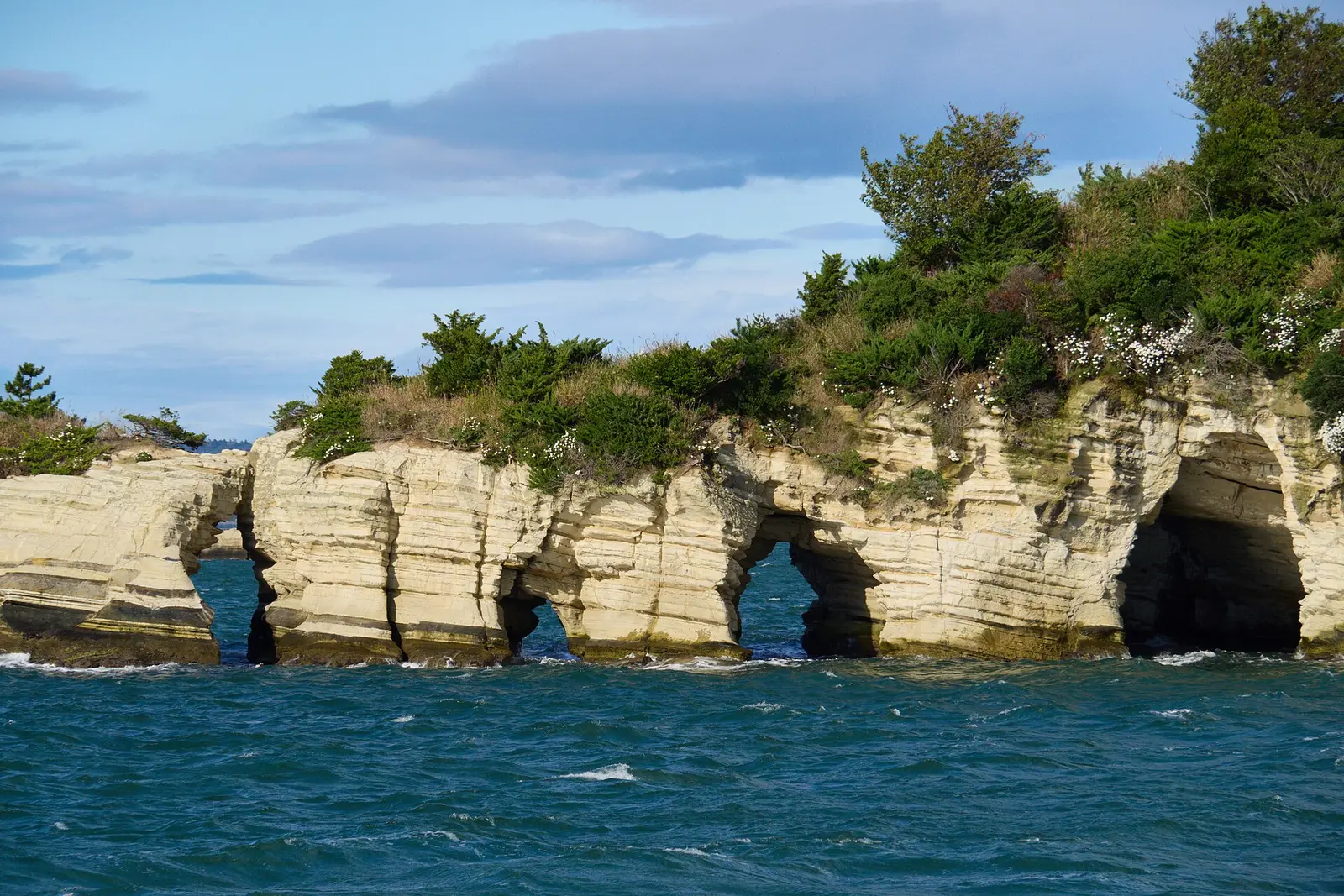 SENDAI3 min read
Matsushima: One of Japan's Three Great Views
A bay of more than 260 pine-covered islands, 40 minutes from Sendai. The boat cruise, the island temple hall and the red bridge.