Destinations › Miyagi › Sendai
Matsushima: One of Japan's Three Great Views
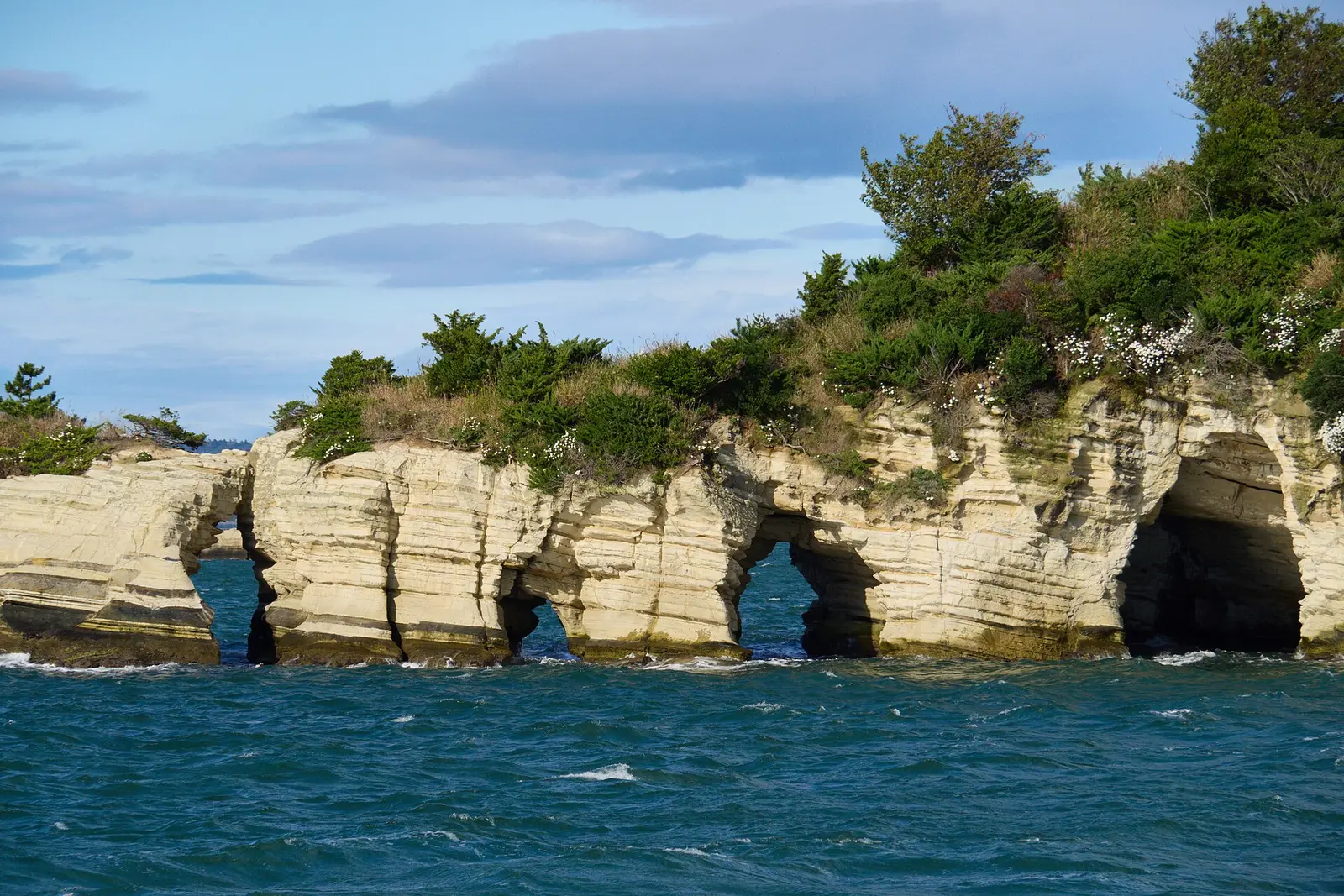
Small islands topped with pine trees rise out of a calm, pale blue bay. Matsushima has been praised in Japanese poetry since ancient times, and it is counted as one of the three most beautiful views in Japan. It is an easy train ride from Sendai, and you can see it from a boat, from a hilltop or on foot.
One of the Three Views of Japan
Matsushima Bay is dotted with more than 260 small islands covered in pine trees. In the early Edo period, the Confucian scholar Hayashi Shunsai named it one of the three finest views in Japan, together with Amanohashidate and Miyajima. The three are still called the Three Views of Japan, or Nihon Sankei.
The bay has long drawn poets. Seeing Matsushima was one of the goals of the haiku poet Matsuo Basho on his journey through northern Japan, and the local tourism association says the view left him at a loss for words.
Seeing the islands by boat
The best way to see the islands up close is from the water. The Matsushima Island Cruise boats leave from the pier in front of the Matsushima Rest House, a 10- to 15-minute walk from Matsushima-Kaigan Station.
The regular course goes out and back to Matsushima and takes about 50 minutes. Boats leave every hour from 9:00 to 16:00, but in winter the 16:00 boat does not run because the sun sets early. Adults (junior high school and older) pay ¥1,500 and elementary school children ¥750. The open upper deck costs ¥600 more for adults. You can book online, which gives a discount, or buy a ticket at the window on the day. Passengers board in the order they line up, so come early if you want a window seat. Announcements on the boats are in Japanese and English.
Godaido: the hall on the rocks
Godaido is the small temple hall beside the central pier, reached by short bridges, and it has become the symbol of Matsushima. A first hall stood here in the early 800s. The present building was put up by Date Masamune in 1604 and is the oldest surviving building in the Momoyama style in the Tohoku region. Under the eaves, carvings of the 12 animals of the Chinese zodiac face their own directions.
The statues inside are shown to the public only once every 33 years. The next showing is planned for 2039. Entry is free, but the gate closes in the evening. The bridges to the hall have gaps between the boards, so they cannot be crossed in a wheelchair.
Fukuurajima: an island on foot
For a walk, cross the 252-meter red Fukuura Bridge to Fukuurajima, a small island of about 6 hectares. It is a nature park with walking paths, pine and cedar trees, and hundreds of kinds of plants. The crossing costs ¥300 for adults and ¥100 for students. It is open from 8:30 to 17:00 from April to October and from 8:30 to 16:30 from November to March. The bridge is about 15 minutes on foot from Matsushima-Kaigan Station.
Views from the hills
Four hilltop viewpoints around the bay, called the Shidaikan, each show the islands from a different angle. Another favorite is Saigyo Modoshi no Matsu Park, which has more than 260 cherry trees and a view of the islands through the blossoms in spring.
Food
Matsushima is known for oysters in winter, conger eel in summer and good nori seaweed. In winter, oyster huts serve all-you-can-eat grilled oysters, and some cruises offer an oyster lunch. At shops along the waterfront you can grill your own sasakamaboko, a fish cake shaped like a bamboo leaf.
Getting there
From Sendai Station, take the JR Senseki Line from platform 10 to Matsushima-Kaigan Station. It takes about 40 minutes, and most sights are within walking distance of the station. Take a train bound for Ishinomaki or Takagimachi, because some trains stop short of Matsushima. You can also take the JR Tohoku Line to Matsushima Station in about 25 minutes, but it is a 15- to 20-minute walk from there to the waterfront. All stations accept IC cards such as Suica.
Tips
- In the 2011 tsunami, the islands shielded the bay, and the damage here was relatively small. The main sights operate as before.
- Matsushima holds an autumn illumination from late October to late November, and Godaido and the Fukuura Bridge are lit at night.
Nearby
Zuiganji, the great Zen temple that Masamune rebuilt as the family temple of the Date clan, is about 10 minutes on foot from Matsushima-Kaigan Station. Its main hall, finished in 1609, is a National Treasure. Admission is ¥1,000 for adults.
More on Sendai
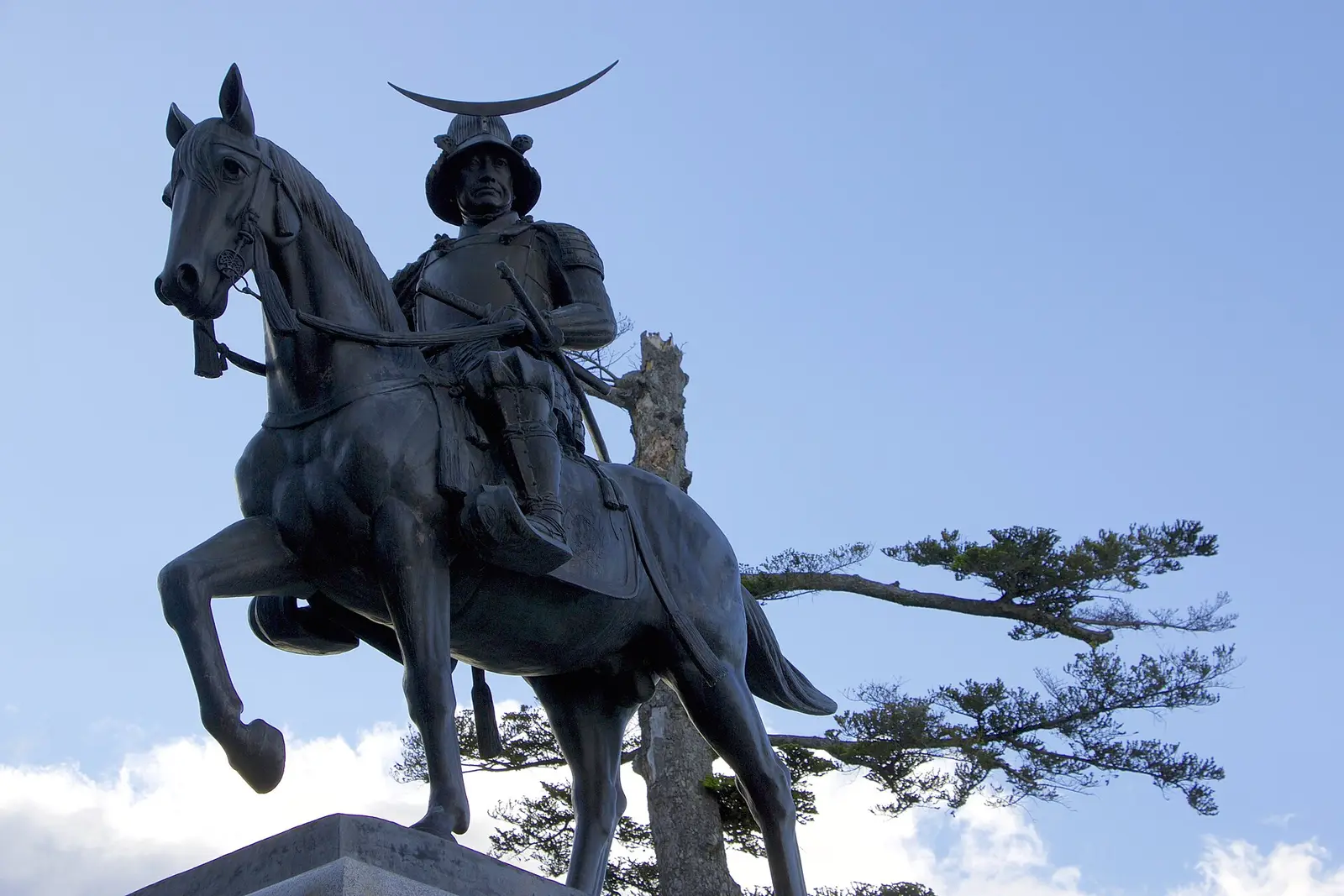 SENDAI3 min read
Sendai Castle Site: Date Masamune's Hilltop Castle
Stone walls, a famous statue of Date Masamune and the best view over Sendai. What to see and how to get up the hill.
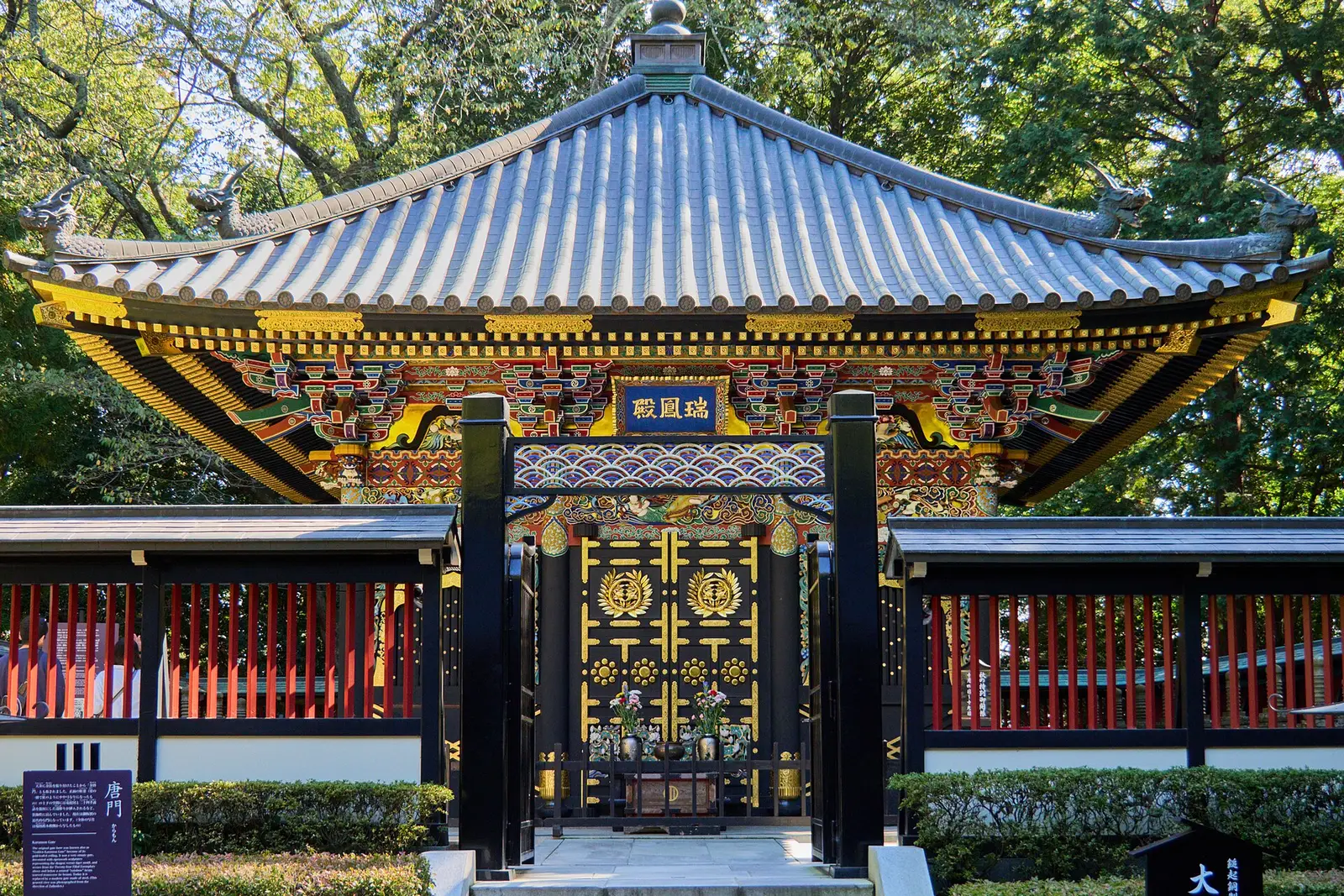 SENDAI3 min read
Zuihoden: The Mausoleum of Date Masamune
A black-and-gold mausoleum in a cedar forest, where Sendai's founder is buried. What to see, hours and prices.
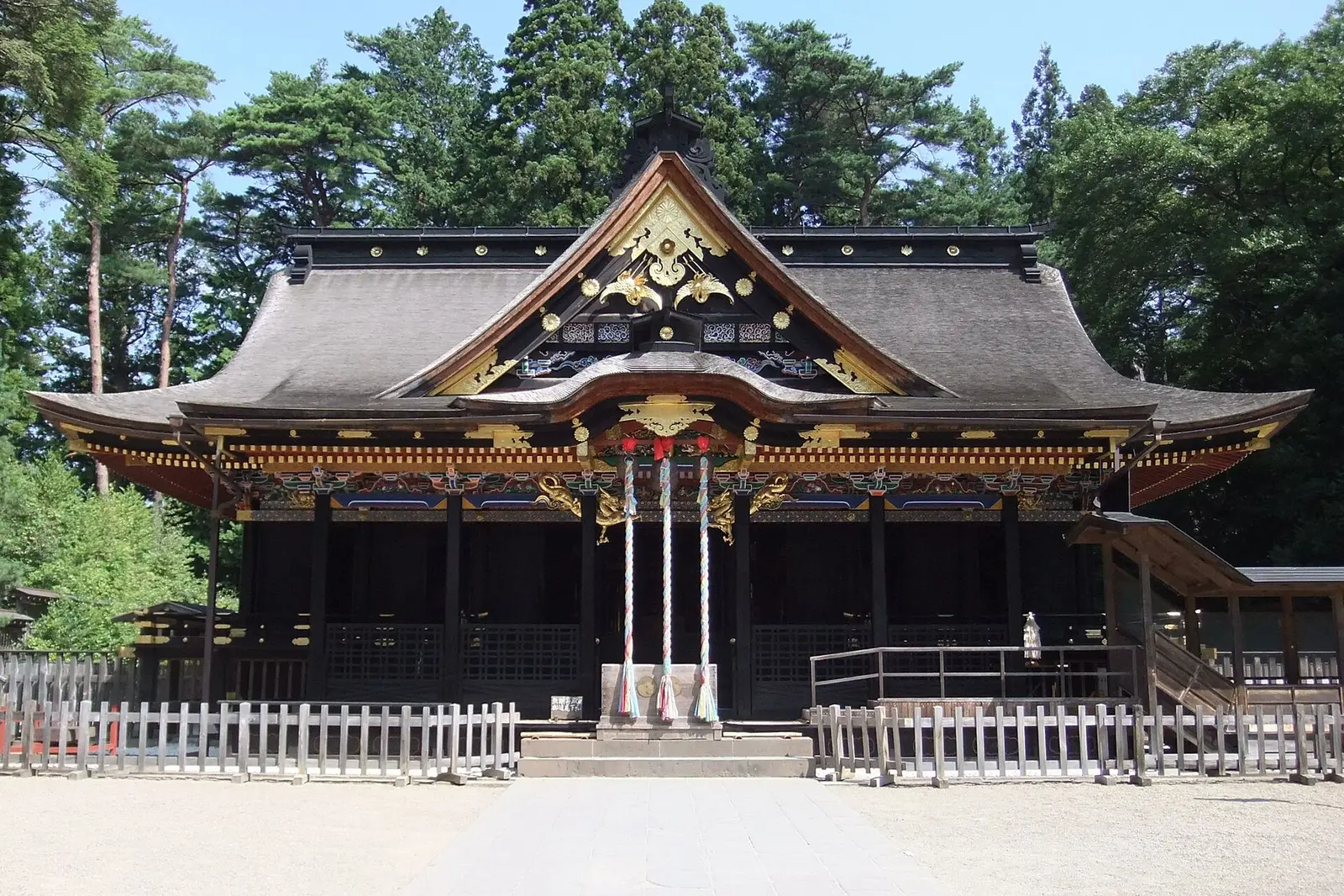 SENDAI3 min read
Osaki Hachimangu: Sendai's National Treasure Shrine
A black-lacquered, gold-trimmed shrine hall built by Date Masamune, and Sendai's biggest New Year fire festival.