Awa Odori: Tokushima's 400-Year-Old Dance Festival
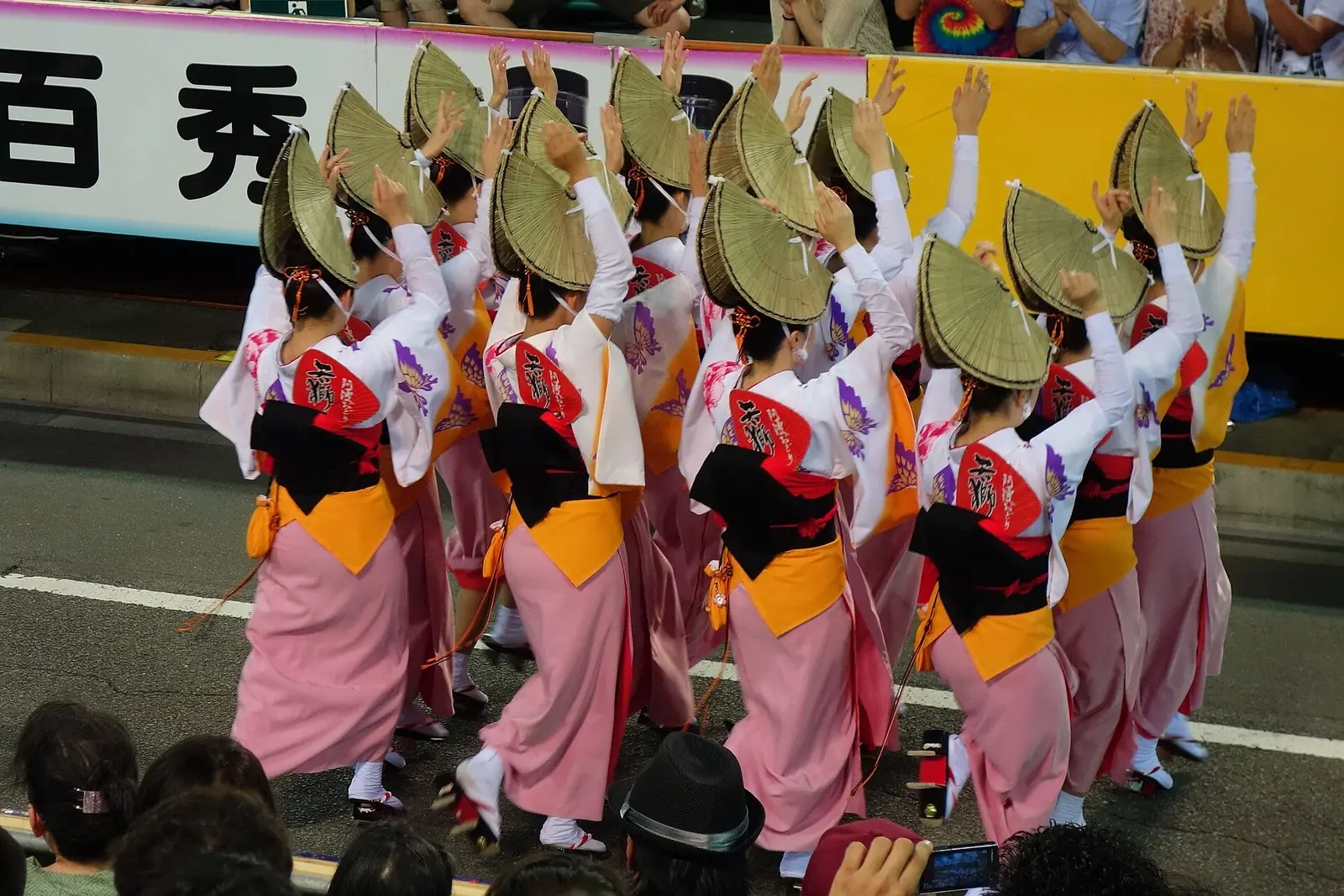
For five nights every August, the streets of Tokushima fill with festival music as groups of dancers move through the city. Awa Odori has more than 400 years of history and draws more than a million visitors. If you are not here in August, you can still see it every day of the year.
A dance with 400 years of history
Nobody knows exactly how Awa Odori began, and there are three main theories. One says it started in 1586, when Hachisuka Iemasa, the first lord of Tokushima, celebrated the completion of Tokushima Castle by letting the townspeople celebrate freely inside the castle. Another traces it to the Bon dances held to honor the spirits of ancestors, and a third to furyu dances, a popular performing art of the Muromachi period. All of them point to more than 400 years of history.
The festival grew more lavish in the Edo period, when Tokushima's merchants grew rich on indigo dye and salt. After the war it came back strongly, and today it is one of Japan's best-known traditional festivals. In 2025, about 1.11 million people came to Tokushima for it.
Fools who dance and fools who watch
The dancers perform in groups called ren, each with its own costumes, musicians and style. In the women's dance, rows of dancers move in perfect time, down to their fingertips. The men's dance is low, wild and full of energy. The music follows a rhythm called yoshikono.
The festival's famous saying calls the dancers "fools who dance" and the spectators "fools who watch." Since everyone is a fool anyway, you might as well dance. People in Tokushima also say that if you raise your hands and move your feet, you are already dancing Awa Odori, so it is easy for beginners to join in.
Watching the festival
The festival runs from August 11 to 15. On August 11, a stage show called Suguribi opens the festival at Asty Tokushima, with about 600 top dancers. From August 12 to 15 there are indoor stage shows in the daytime at Awagin Hall.
The main event is in the evening. From August 12 to 15, the ren dance down the city streets and through the paid outdoor stages at Aibahama, Minami-Uchimachi and Konyamachi. Each evening has two sessions, from 18:00 to 19:40 and from 20:20 to 22:00. Aibahama is the largest, with about 4,600 seats along a 120-meter course, and it is about 5 minutes on foot from JR Tokushima Station.
In 2026, seats at the paid stages cost from ¥1,000 for unreserved seats to ¥6,000 for the best reserved seats, and special seats at Minami-Uchimachi cost ¥15,000. Tickets go on sale in early summer. You can also watch for free along the streets and at the free stages.
Awa Odori Kaikan: Awa Odori any day
If you visit at another time of year, go to the Awa Odori Kaikan in central Tokushima. On the second floor is a hall with 250 seats.
- Daytime shows at 11:00, 14:00, 15:00 and 16:00 last 40 minutes and are danced by Awa no Kaze, the hall's own group. Tickets cost ¥1,300 for adults and ¥700 for elementary and junior high school students.
- The evening show at 20:00 lasts 50 minutes, with a different well-known ren every night. Tickets cost ¥1,600 for adults and ¥800 for students.
Every show includes a section where the audience can come down and try the dance. You do not need to book unless you are a group of 20 or more.
On the third floor, the Awa Odori Museum (¥500 for adults, 9:00 to 17:00) shows costumes, props and old and new instruments, and has hands-on exhibits and VR footage of the festival. On the first floor, the shop Arudeyo Tokushima sells local crafts and food, such as indigo-dyed goods and sweets made from Naruto Kintoki sweet potatoes.
The hall closes on the second Wednesday of February, June, September and December, and from December 28 to January 1.
Tips
- During the festival, many roads in the center are closed to traffic. Use public transport or the shuttle buses from the festival car parks.
- August in Tokushima is very hot. Drink plenty of water while you watch.
- At the Awa Odori Kaikan, a set ticket for the museum, a daytime show and the Mt. Bizan ropeway costs ¥2,640 for adults.
Nearby
The Awa Odori Kaikan is also the base station of the ropeway up Mt. Bizan, on its fifth floor. Ride up after a daytime show for the view over the city.
More on Tokushima
 TOKUSHIMA3 min read
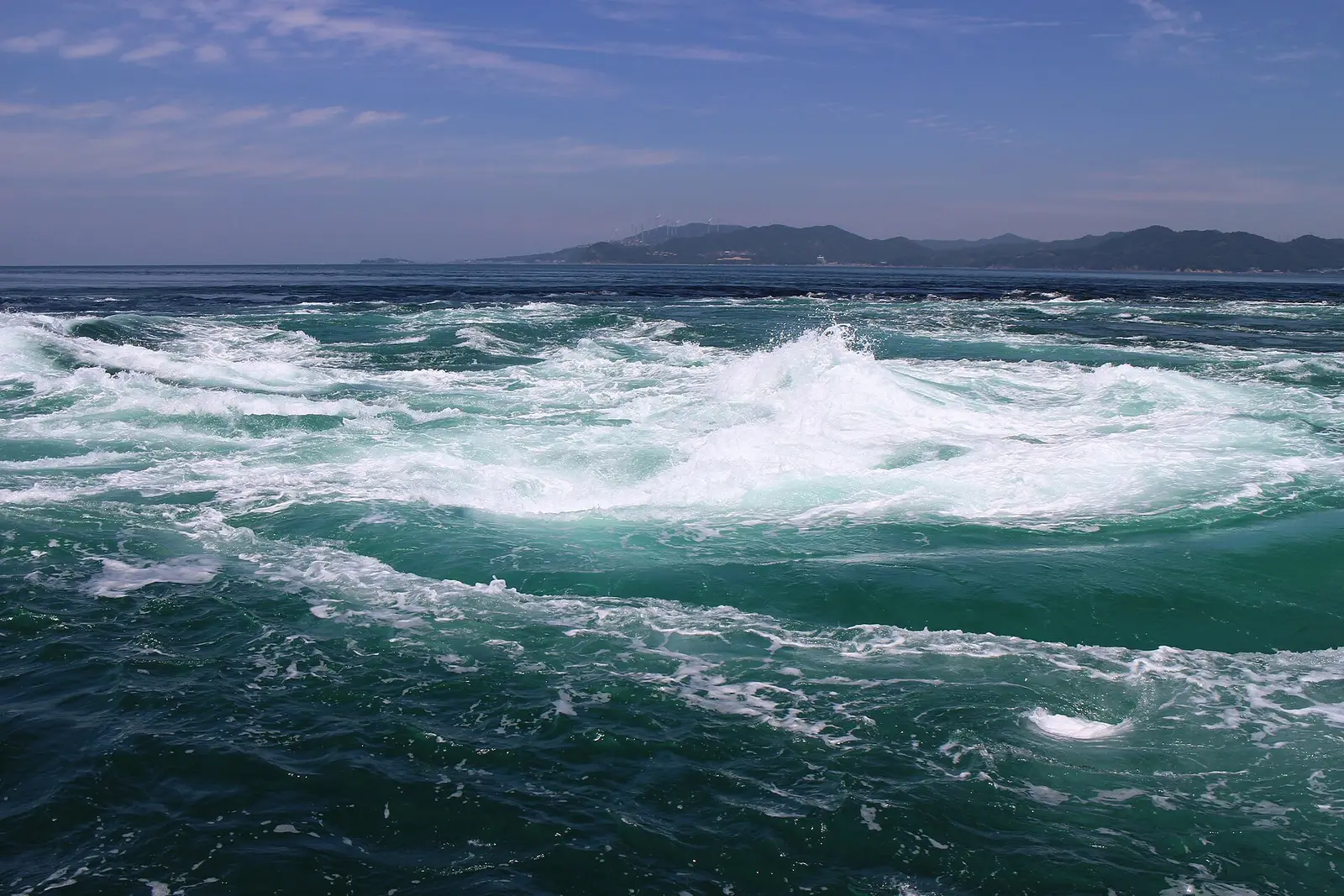
The Naruto Whirlpools: Tidal Eddies Under a Bridge
Huge tidal whirlpools in the Naruto Strait. When to go, the glass-floored walkway and the boats that take you close.
 TOKUSHIMA3 min read
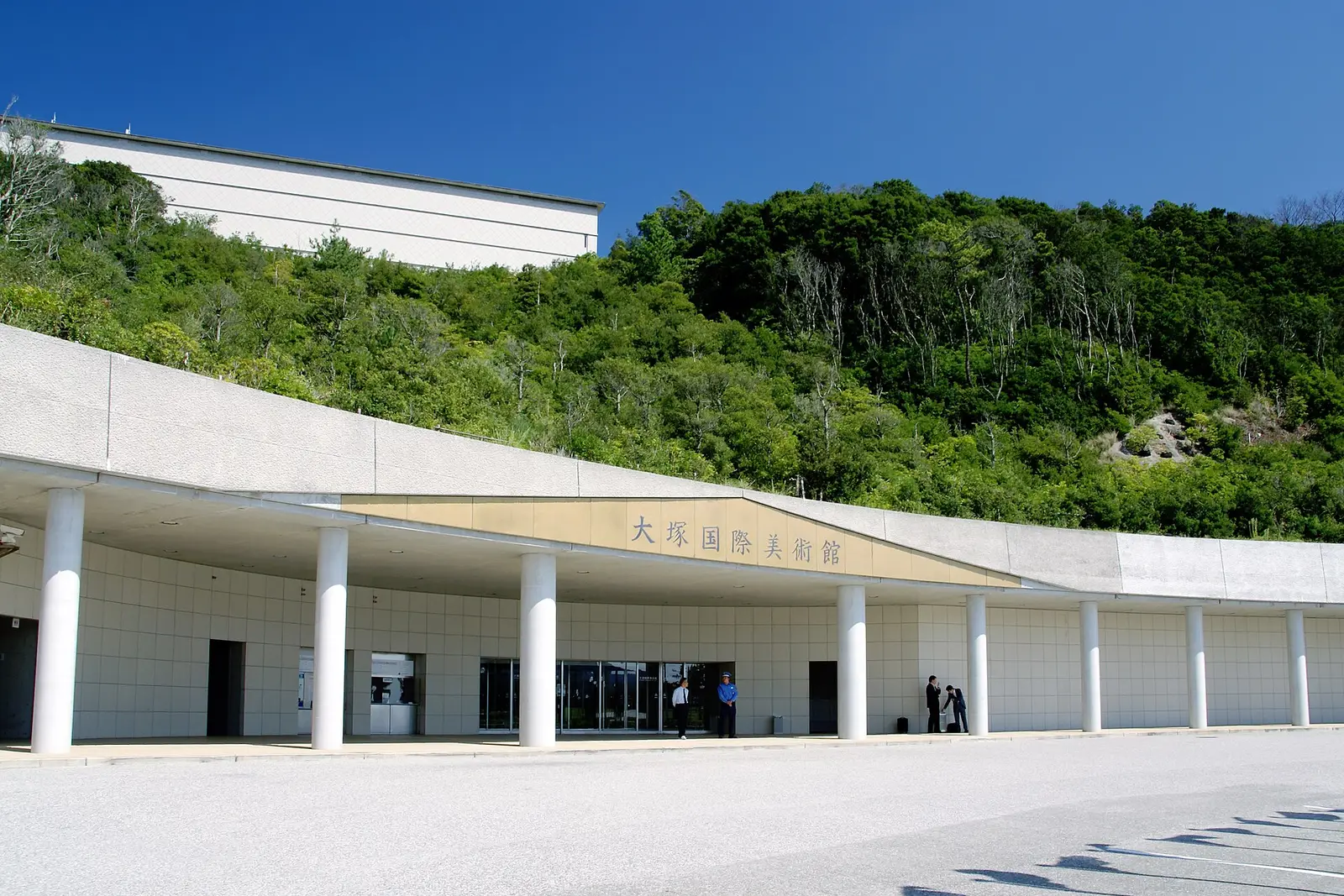
Otsuka Museum of Art: 1,000 Masterpieces in Ceramic
More than 1,000 Western masterpieces reproduced at full size on ceramic. Highlights, tickets and how to get there.
 TOKUSHIMA3 min read
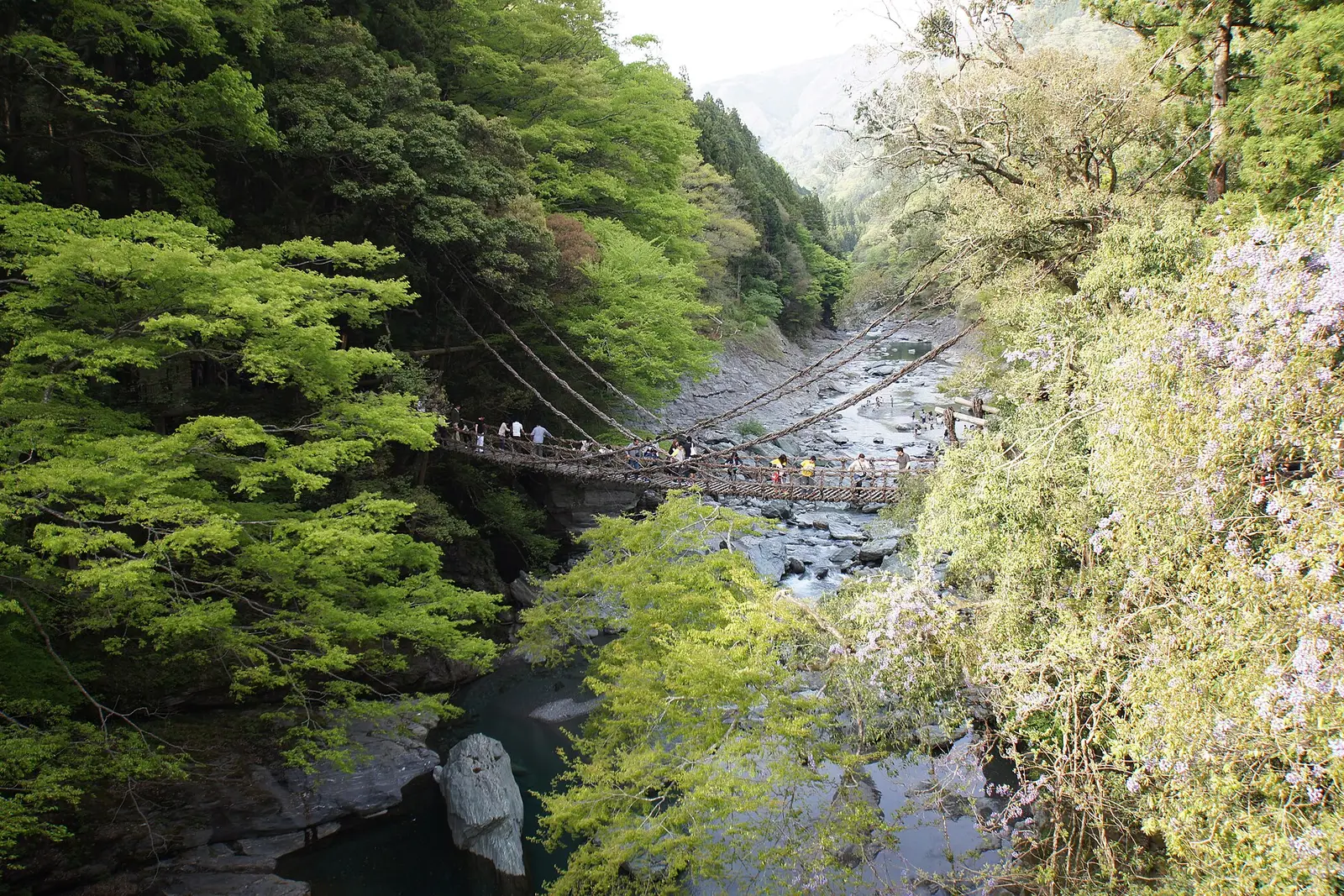
Iya Kazurabashi: The Vine Bridge of the Iya Valley
A 45-meter bridge woven from mountain vines, deep in the Iya Valley. Legends, hours, price and how to get there.