The Naruto Whirlpools: Tidal Eddies Under a Bridge
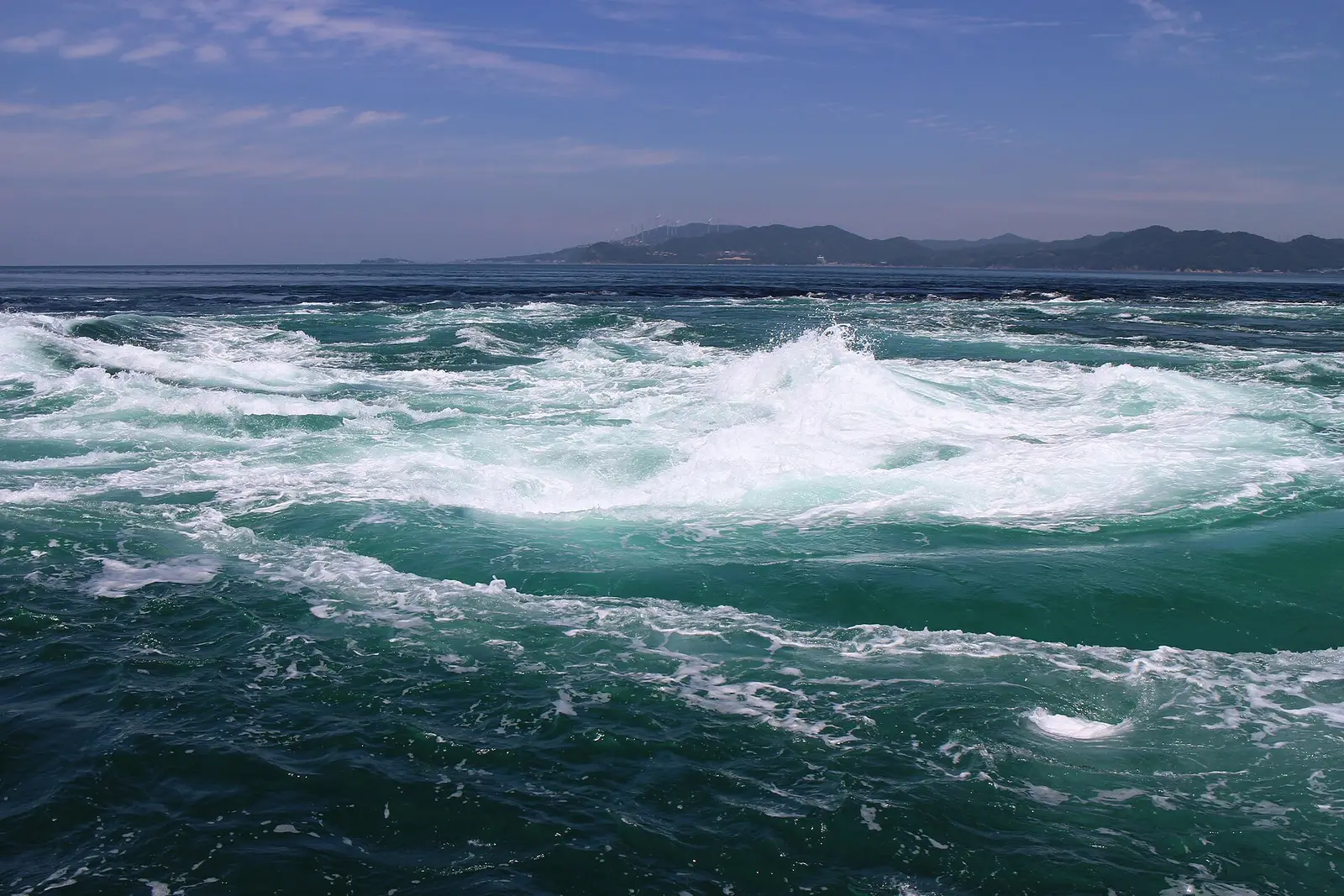
Each time the tide rises and falls, the sea in the narrow strait between Shikoku and Awaji Island races through and spins into whirlpools. You can look straight down on them through a glass floor inside the Onaruto Bridge, or ride a small boat right up to their edge.
One of the great tidal currents of the world
The Naruto Strait, between Naruto on Shikoku and Awaji Island, is counted with the Strait of Messina in Italy and Seymour Narrows in Canada as one of the three great tidal currents of the world. At spring tide the current can run at more than 20 kilometers an hour, the fastest in Japan.
Why the whirlpools form
The tide moves in from the Pacific Ocean. Part of it enters the Kii Channel on the south side of the strait, and part travels the long way around Awaji Island, which takes five to six hours. By the time the high tide reaches the north side of the strait, the south side is at low tide. The sea on one side can then be up to about 1.5 meters higher than on the other.
The water rushes through a gap only about 1.3 kilometers wide. Under the Onaruto Bridge the seabed drops in a deep V-shape, to about 90 meters at its deepest. The water runs fast through the deep middle and slower over the shallows on each side, and where the fast and slow currents meet, they twist into whirlpools.
When to see them
The whirlpools are not there all day. They are largest around the times of the fastest current, near high and low tide, which change every day. At spring tide the best viewing time lasts about two hours on either side of the peak, at mid tide about an hour and a half, and at neap tide about an hour. The biggest whirlpools of the year appear for a few days around the spring and autumn equinoxes.
The Uzu-no-Michi website publishes a daily tide table with the best times, so check it before you plan your day.
Uzu-no-Michi: the walkway in the bridge
Uzu-no-Michi is a walkway built inside the girders of the Onaruto Bridge, 45 meters above the sea. A 450-meter path leads out to an observation room over the strait. The walls are mostly wire mesh, so you feel the sea breeze as you walk, and glass panels in the floor let you look straight down at the water. The observation room has four glass floor panels, and on a good day you can watch whirlpools turning below while sightseeing boats pass right beside them. Local volunteer guides there explain how the whirlpools work.
Entry costs ¥510 for adults, ¥410 for junior high and high school students and ¥260 for elementary school children. A combined ticket with the Onaruto Bridge Memorial Museum Eddy, a hands-on museum about the whirlpools and the bridge three minutes away, costs ¥900 for adults. You can buy tickets online and skip the line. At the Uzu-no-Michi window you pay in cash.
By boat
To feel the roar and spray up close, take a whirlpool boat. Uzushio Kisen runs small high-speed boats from Kameura fishing port, just behind the Otsuka Museum of Art. The trip takes about 20 minutes, and boats leave every 30 minutes. You do not need a reservation, and outside long holidays you rarely have to wait. The fare is ¥2,000 for adults and ¥1,000 for elementary school children, cash only. The boats are small, so wheelchairs and strollers are difficult, and pets are not allowed.
Getting there
Tokushima Bus runs from JR Tokushima Station to Naruto Park in about 80 minutes, from JR Naruto Station in about 25 minutes and from Tokushima Awaodori Airport in about 40 minutes. From the bus stop it is a 5-minute walk to Uzu-no-Michi. Highway buses from Kobe, Osaka and Kyoto stop at Naruto Koen-guchi.
By car it is about 5 minutes from the Naruto-kita interchange. Uzu-no-Michi has no parking of its own, so use the paid Naruto Park parking lots, and set your navigation to "Eddy" rather than "Uzu-no-Michi," which can lead you to the wrong place.
Nearby
The Otsuka Museum of Art, with life-size ceramic copies of more than 1,000 Western masterpieces, is also in Naruto Park, close to the whirlpool boat pier.
More on Tokushima
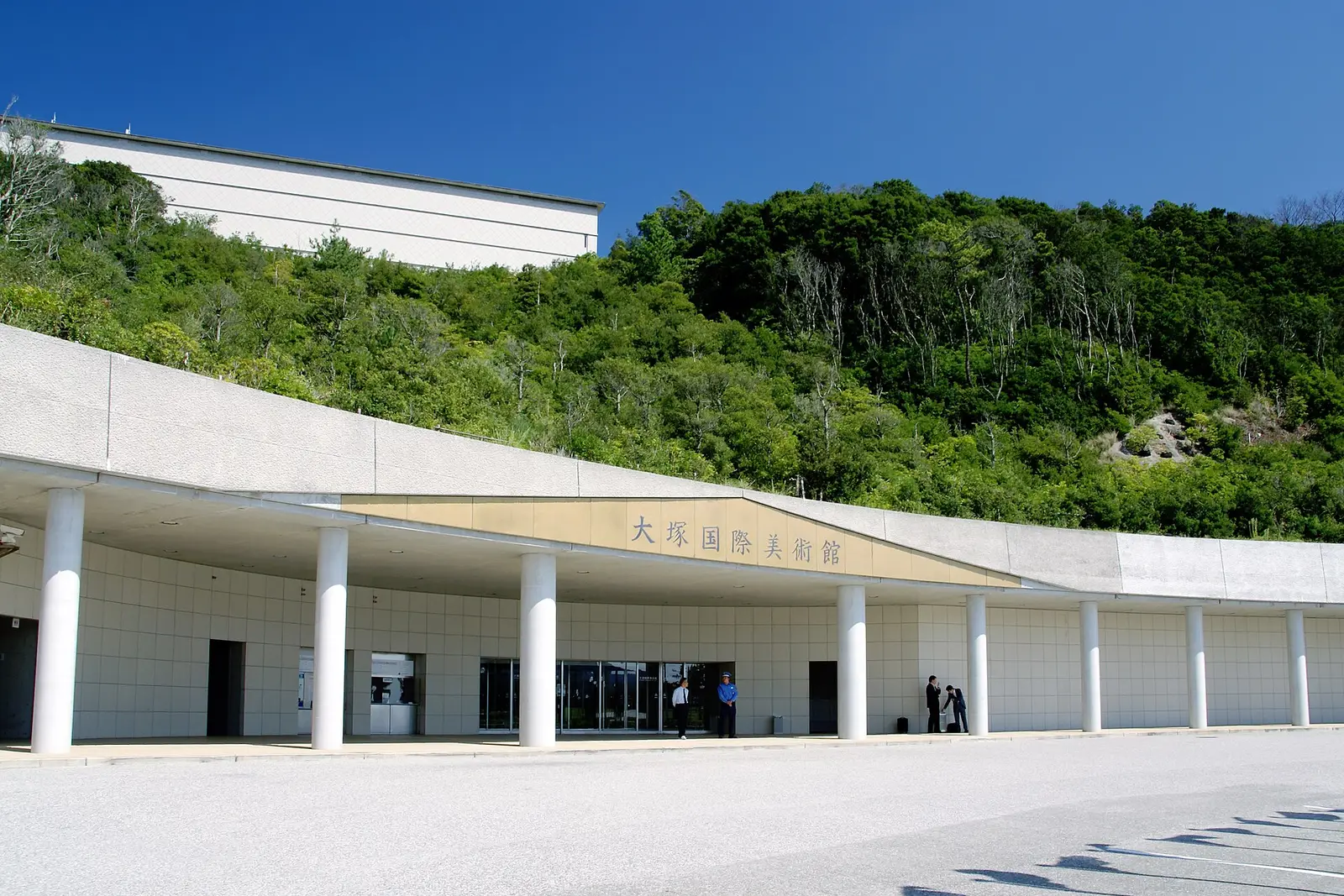 TOKUSHIMA3 min read
Otsuka Museum of Art: 1,000 Masterpieces in Ceramic
More than 1,000 Western masterpieces reproduced at full size on ceramic. Highlights, tickets and how to get there.
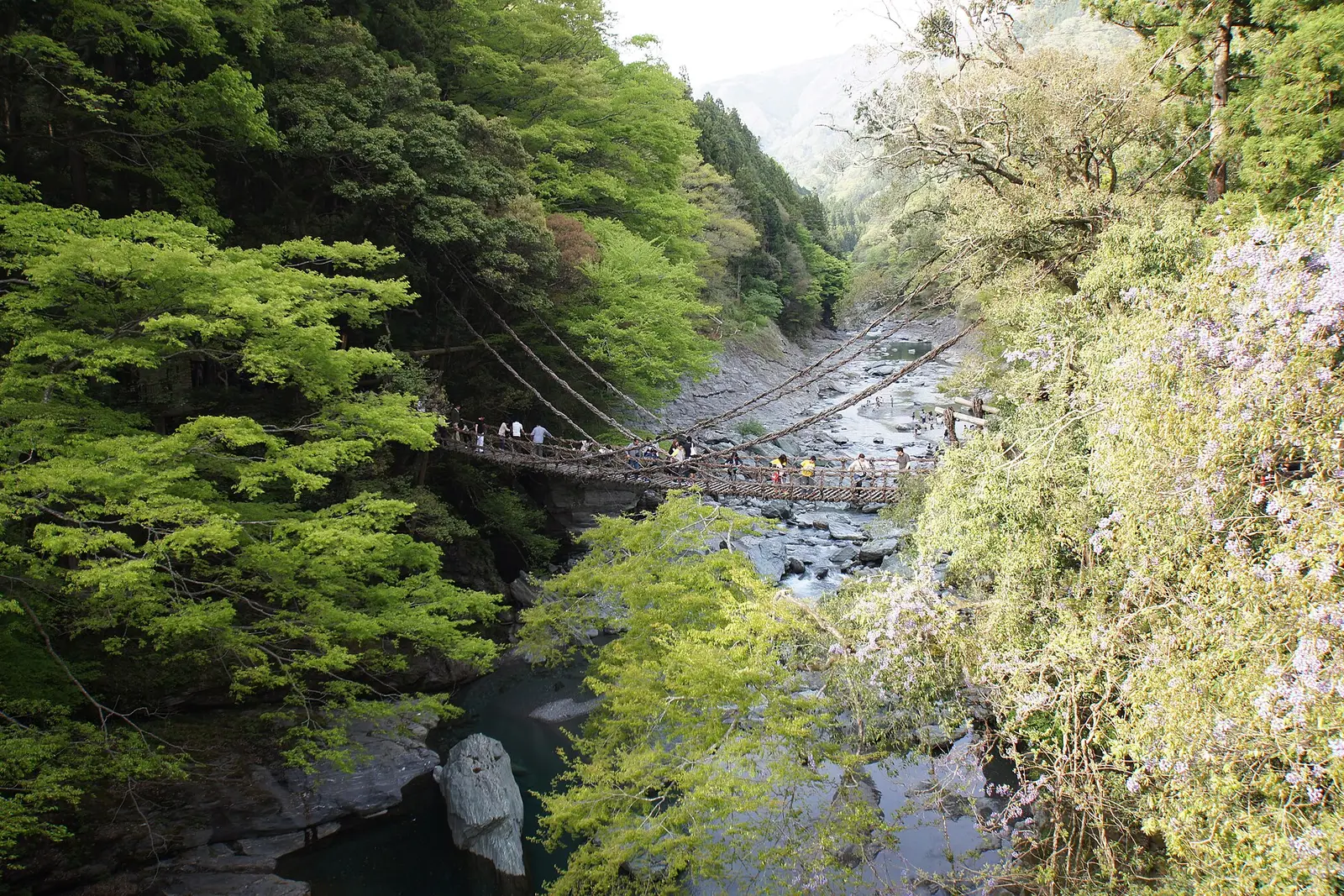 TOKUSHIMA3 min read
Iya Kazurabashi: The Vine Bridge of the Iya Valley
A 45-meter bridge woven from mountain vines, deep in the Iya Valley. Legends, hours, price and how to get there.
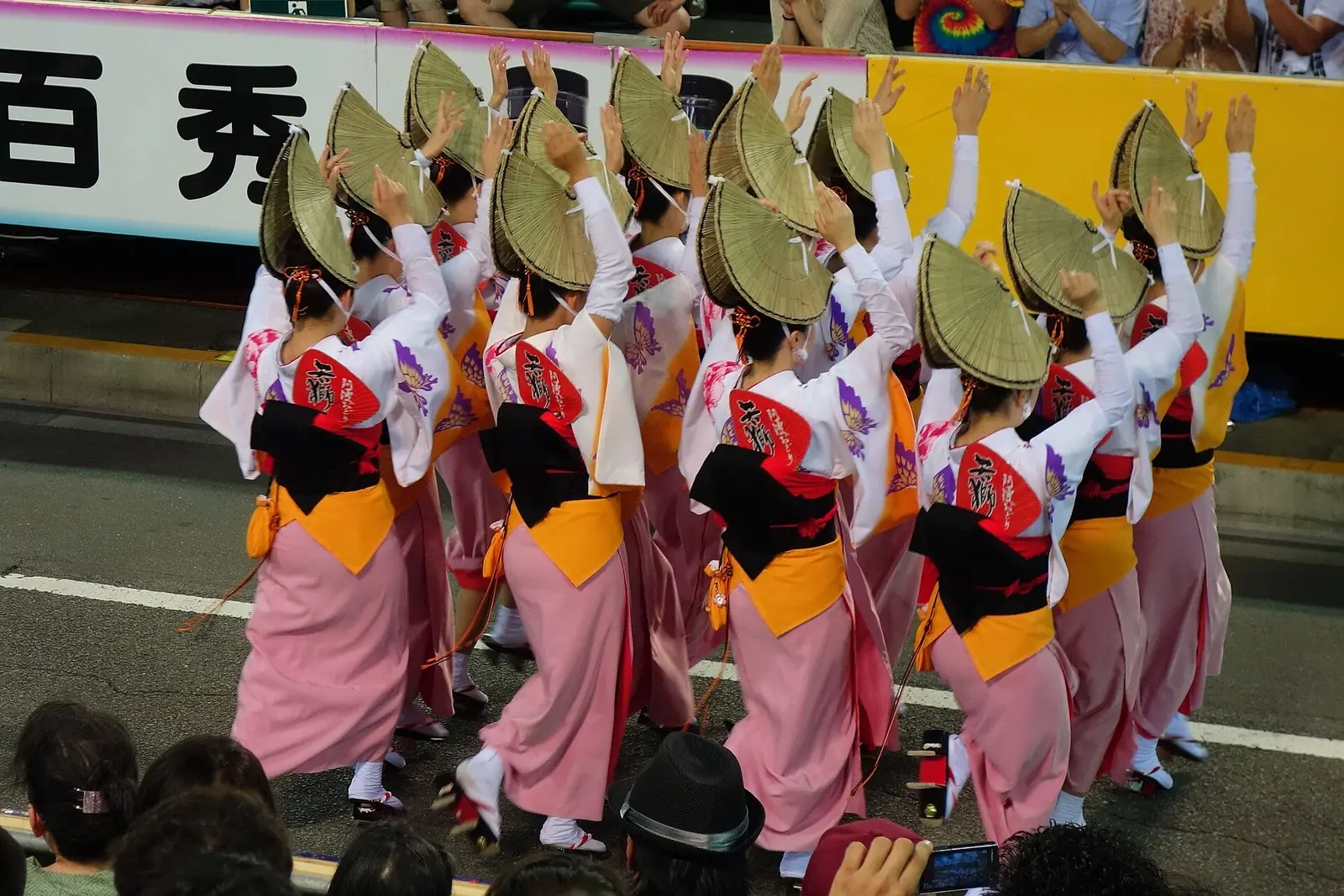 TOKUSHIMA3 min read
Awa Odori: Tokushima's 400-Year-Old Dance Festival
Tokushima's August dance festival, with over a million visitors. How to watch it, and where to see it any day.