Otsuka Museum of Art: 1,000 Masterpieces in Ceramic
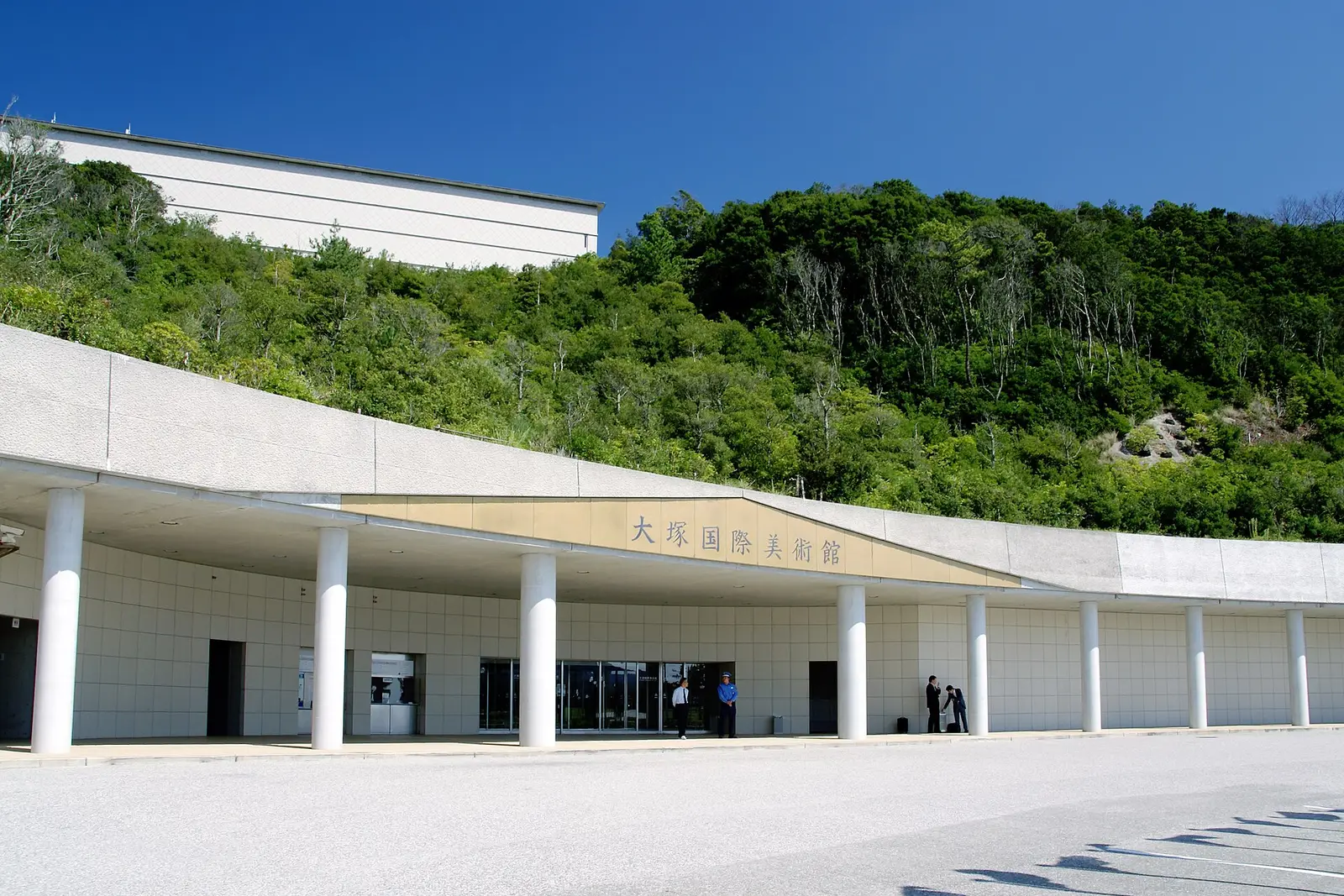
In Naruto Park, on the coast of Tokushima, you can stand under the ceiling of the Sistine Chapel, walk past Picasso's Guernica and look into the eyes of the Girl with a Pearl Earring, all in one afternoon. Every painting in the Otsuka Museum of Art is a full-size copy fired onto ceramic, made to keep its colors for thousands of years.
A museum of ceramic copies
The Otsuka Museum of Art opened on March 21, 1998. The Otsuka Group built it in Naruto to mark its 75th anniversary and to thank Tokushima, where the group grew up. With a floor area of 29,412 square meters, it has one of the largest permanent exhibition spaces in Japan, spread over five floors underground and three above.
A committee of six experts chose more than 1,000 works, from ancient wall paintings to modern art, held by more than 190 museums in 26 countries. Each one was reproduced at its original size on ceramic boards by Otsuka Ohmi Ceramics. Real paintings slowly fade and can be damaged by pollution, earthquakes and fire, but the museum says its ceramic copies will keep their colors and shape for more than 2,000 years.
How the copies are made
The colors of the original are separated and printed onto transfer paper, which is then laid on a ceramic board and fired. The image is then retouched and fired again. The boards can be up to 3 meters long, 90 centimeters wide and 2 centimeters thick, and more than 20,000 glaze colors are available. One square meter of ceramic weighs about 50 kilograms.
A handful of sand
The idea began with sand. Two engineers in the Otsuka group brought a handful of white sand from the Naruto coast to the company's president and asked to turn it into tiles. Otsuka Ohmi Ceramics was founded in 1973, but the oil crisis that year stopped new building work across Japan. Instead of tiles for buildings, the company turned to art, and after years of trial and error it learned to fire huge, flawless ceramic boards.
Highlights
- The Sistine Chapel. Michelangelo's ceiling paintings were reproduced in full in 2007, for the museum's tenth anniversary.
- Guernica. Picasso's great painting, which is never lent out, is reproduced at full size.
- El Greco's altarpiece. The museum has reassembled a large altarpiece whose panels were scattered in war.
- The Last Supper. Leonardo da Vinci's mural, as it looks after restoration, was added in 2003.
- Girl with a Pearl Earring. Vermeer's portrait was added in 2004.
- Van Gogh's lost Sunflowers. One version of Sunflowers burned in Ashiya in 1945. The museum recreated it in 2014.
When the works were checked before the opening, Picasso's son and directors of museums from around the world came to Naruto to inspect them.
Tips for your visit
- The collection is huge, so wear comfortable shoes.
- The main entrance is reached only by a 40-meter escalator. If you use a wheelchair or do not want to take the escalator, ask the staff for the other entrance.
- You can leave and come back on the same day. Tell the staff when you go out.
- Flash, tripods and outside food are not allowed.
- There is a restaurant on the first floor, Café de Giverny on the second basement floor and Café Vincent on the third basement floor. The museum shop on the third basement floor is open from 10:00 to 17:00.
- Credit cards, IC cards such as Suica and major QR payments are accepted. Online and advance tickets let you skip the ticket line.
Getting there
Direct highway buses run to the museum from Kobe in about 1 hour 30 minutes, from Osaka in about 2 hours and from Kyoto in about 2 hours 35 minutes. From Tokushima, Tokushima Bus runs from JR Tokushima Station and JR Naruto Station to Naruto Park. By car, the nearest interchange is Naruto-kita.
Nearby
The museum is in Naruto Park, close to the Naruto whirlpools. The whirlpool boats leave from Kameura fishing port, just behind the museum, and the Uzu-no-Michi walkway inside the Onaruto Bridge is a short ride away.
More on Tokushima
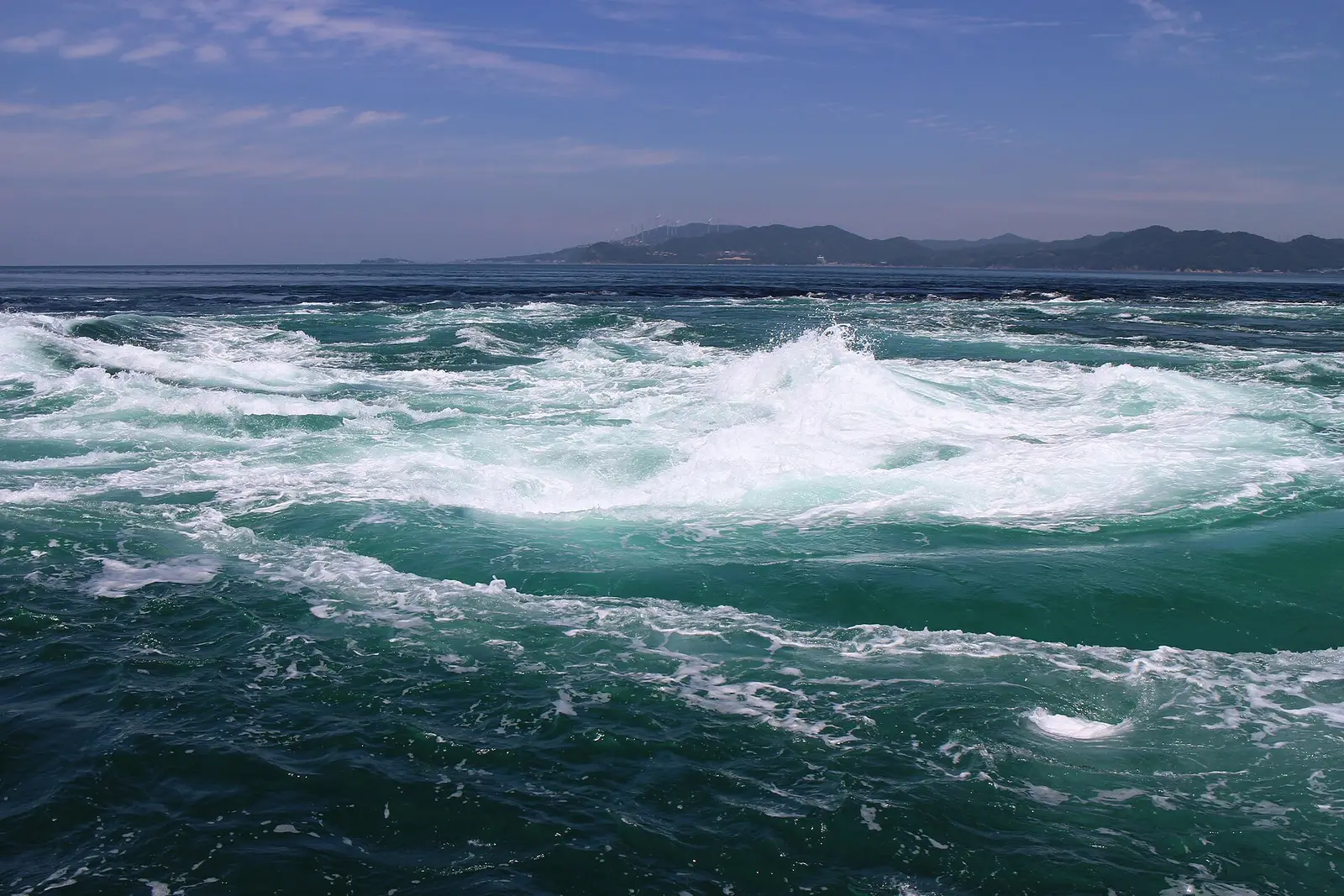 TOKUSHIMA3 min read
The Naruto Whirlpools: Tidal Eddies Under a Bridge
Huge tidal whirlpools in the Naruto Strait. When to go, the glass-floored walkway and the boats that take you close.
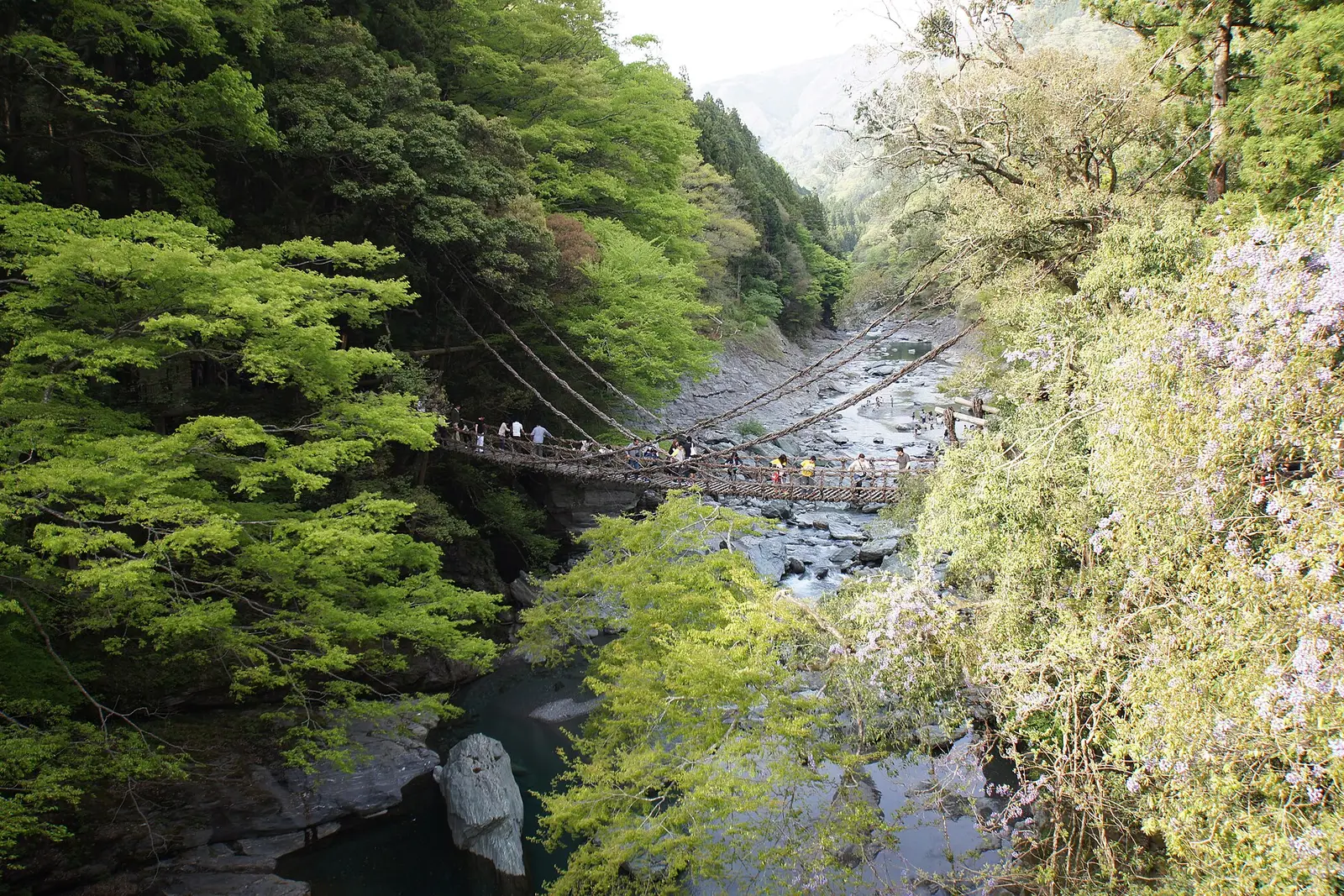 TOKUSHIMA3 min read
Iya Kazurabashi: The Vine Bridge of the Iya Valley
A 45-meter bridge woven from mountain vines, deep in the Iya Valley. Legends, hours, price and how to get there.
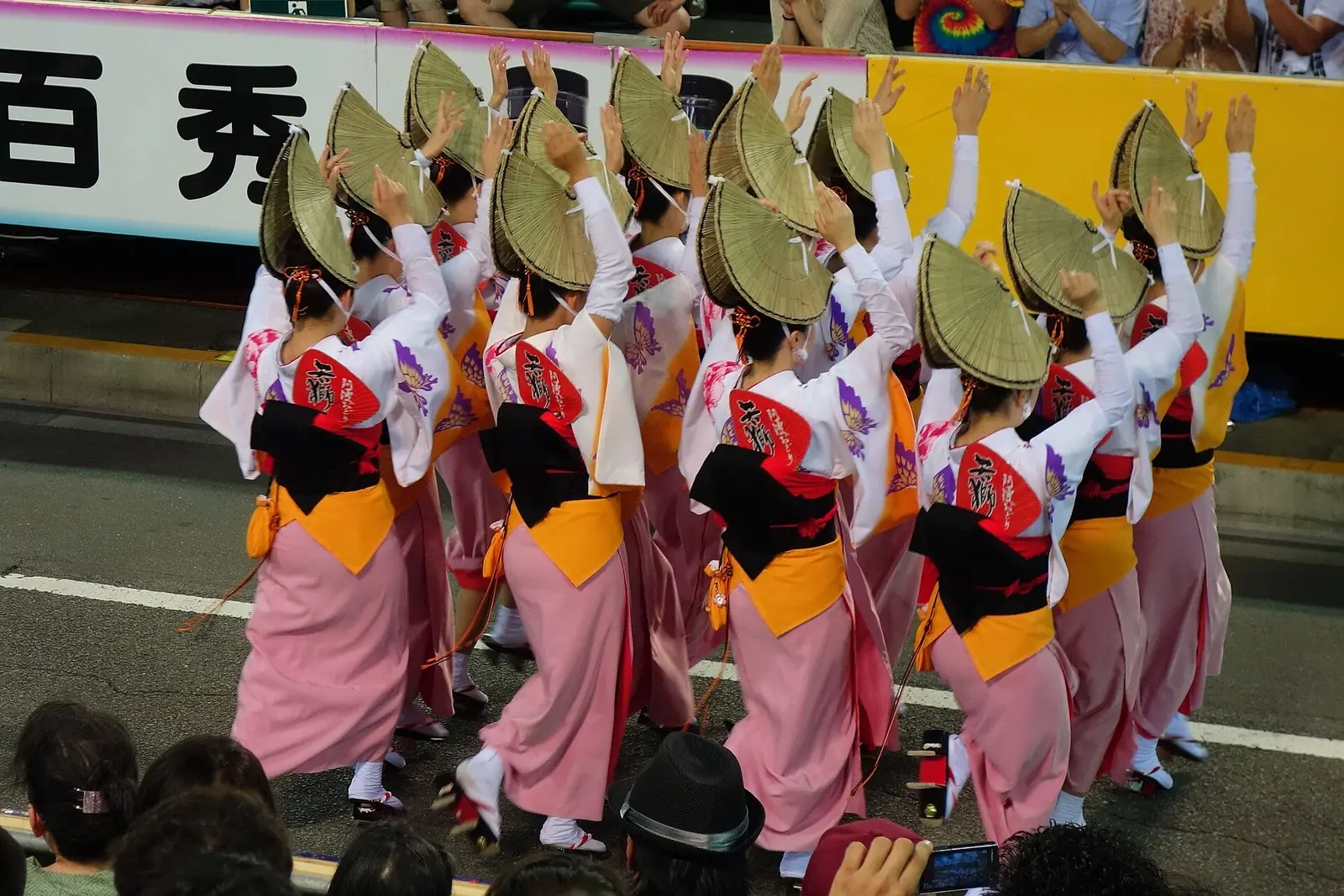 TOKUSHIMA3 min read
Awa Odori: Tokushima's 400-Year-Old Dance Festival
Tokushima's August dance festival, with over a million visitors. How to watch it, and where to see it any day.