Why Does Japan Have No Public Trash Cans? The Real Reasons
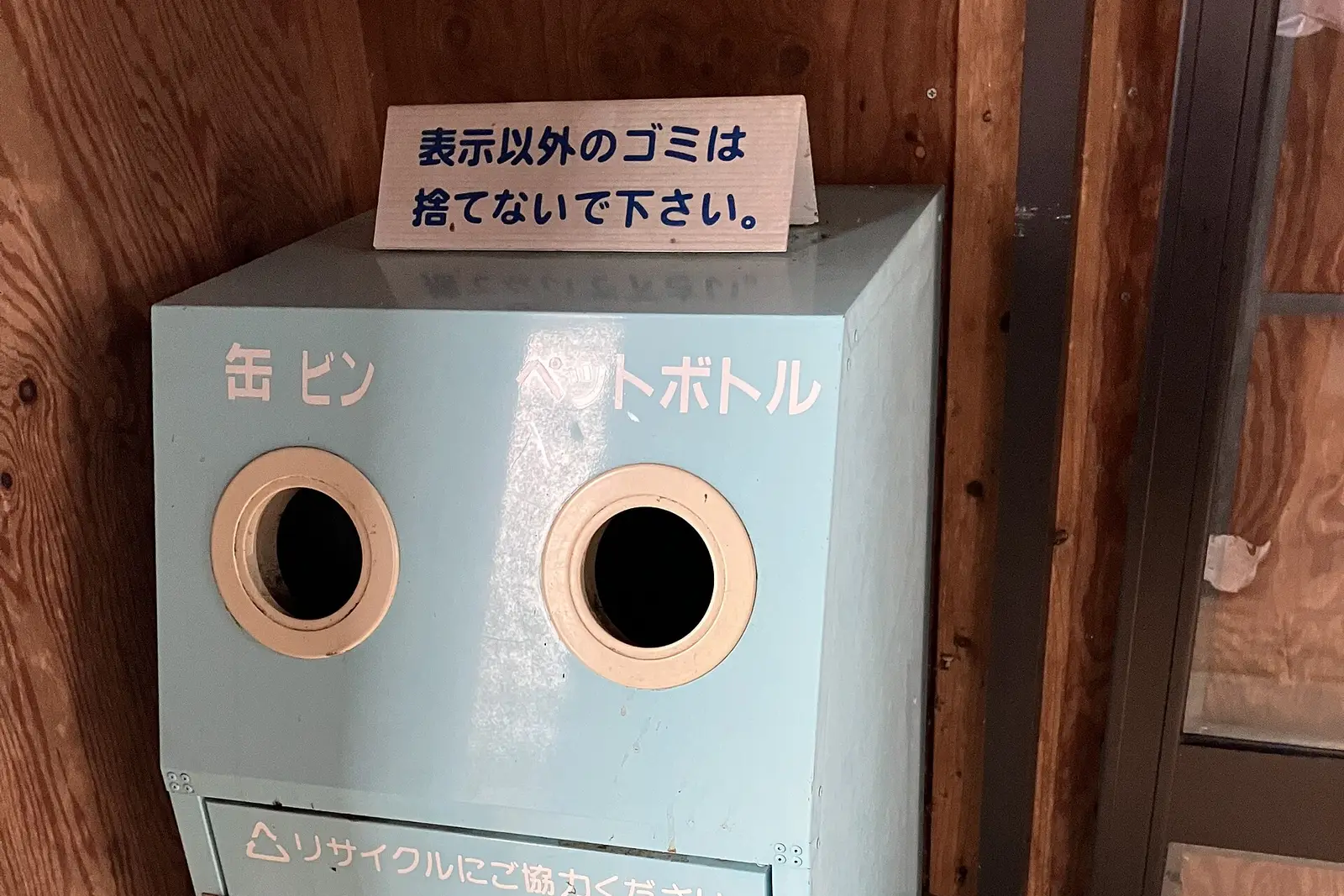
You finish a snack on a Tokyo street, look around for a bin, and find nothing for blocks. Why does Japan have no public trash cans? Because busy public places treat bins as a security risk, and the boxes you do find beside vending machines take drink containers only. This guide explains the security rule, the recycling boxes, the numbers, and what to do with your rubbish.
What you are seeing
You walk through a station, a shopping street and a park, holding an empty cup. There is no bin anywhere. Then you see a box next to a row of vending machines, with round holes and a sign. You are not sure if your cup is allowed in.
You are not alone. Japan's tourism agency asks departing visitors what troubled them during their trip. In the latest survey, as in the one before, the top answer was "too few trash bins".
The short answer
Japan has so few public trash cans because busy public places treat bins as a security risk, and the boxes beside vending machines are for recycling, not general rubbish. Japan's transport ministry lists gathering or removing station bins as an anti-terror step. The boxes beside vending machines are meant only for empty drink bottles and cans.
Why stations treat bins as a risk
A bin is a place where someone can hide an object. Japan's transport ministry lists "gathering and removing bins" as an anti-terror step for railways. In April 2016, before a summit of world leaders in Japan, the ministry named it next to other steps:
- more patrols in stations
- guards at ticket gates
- coin lockers sealed shut
- bins gathered together or taken away
Why the vending machine box is not a bin
The box beside a vending machine is called a recycle box, meaning a collection box for drink containers. The soft drink industry says it is there to collect empty bottles and cans. In practice, about 30% of what goes in is other rubbish, so the industry calls it "the town's trash can".
That rubbish causes problems. When a box fills with cups and wrappers, empty bottles cannot get in and end up on the ground. The bottles that are collected are dirtier and harder to recycle.
From 2020, the industry tested a new design, starting in Shibuya. The holes face downward, and the box is orange so it looks less like a bin. The tests cut other rubbish by about 30% to 50%. In 2022, the industry announced it would roll the design out outdoors from that autumn, with the message "This is not a trash can, it is a recycling box."
The numbers
- 30.1%: visitors who named "too few trash bins" as a trouble (survey from November 2023 to February 2024)
- 17.2%: the same answer in the latest survey (November 2025 to January 2026), still the top trouble
- 4,110: visitors asked at five airports in the latest survey
- 91%: of the troubled visitors in the earlier survey said there was "no bin nearby"
- 43%: said the problem was at tourist spots, and 43% on the way to them
Why did Japan get rid of public trash cans?
The sources we read do not record one national decision. They show that the transport ministry treats station bins as a security risk, and named their removal as an anti-terror step during the 2016 summit.
Is it illegal to drop litter in Japan?
Yes. Japan's Minor Offenses Act punishes anyone who throws away rubbish carelessly against the public interest. The penalty is short detention or a small fine.
Do public garbage bins exist in Japan?
Yes, but many you will pass are recycling boxes. The ones beside vending machines take only empty drink bottles and cans, not cups, food wrappers or bags.
What to do with your rubbish
Carry a small bag for wrappers and cups before you go out for the day. When you finish a drink from a vending machine, put only the empty bottle or can into the box beside it. Keep everything else until you reach your hotel or another bin that takes it.
More on Japan Explained
 JAPAN EXPLAINED3 min read
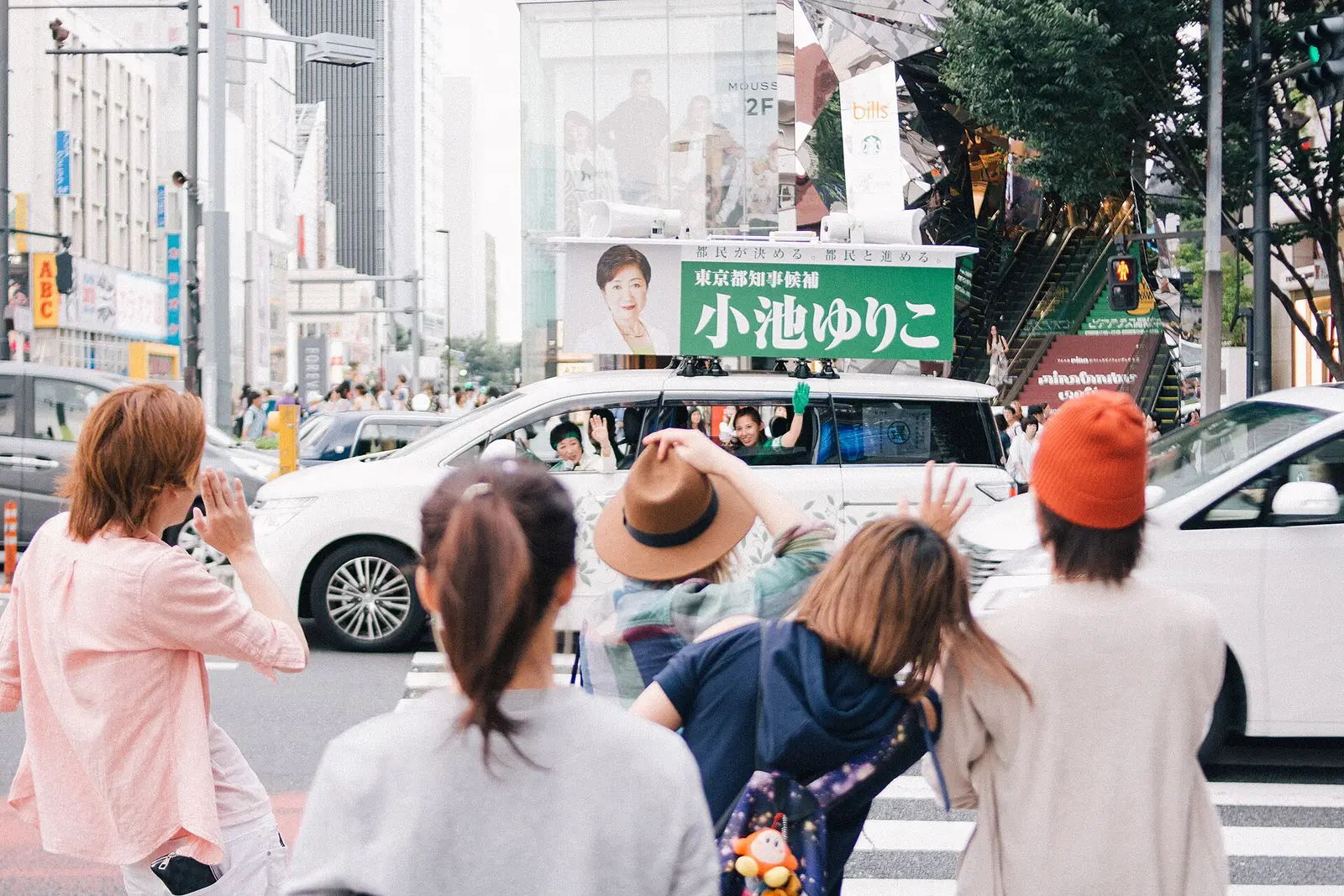
Japan's Election Vans: Why They Only Shout the Candidate's Name
White vans, loudspeakers and one name on repeat. The election law that makes them sound like that.
 JAPAN EXPLAINED3 min read
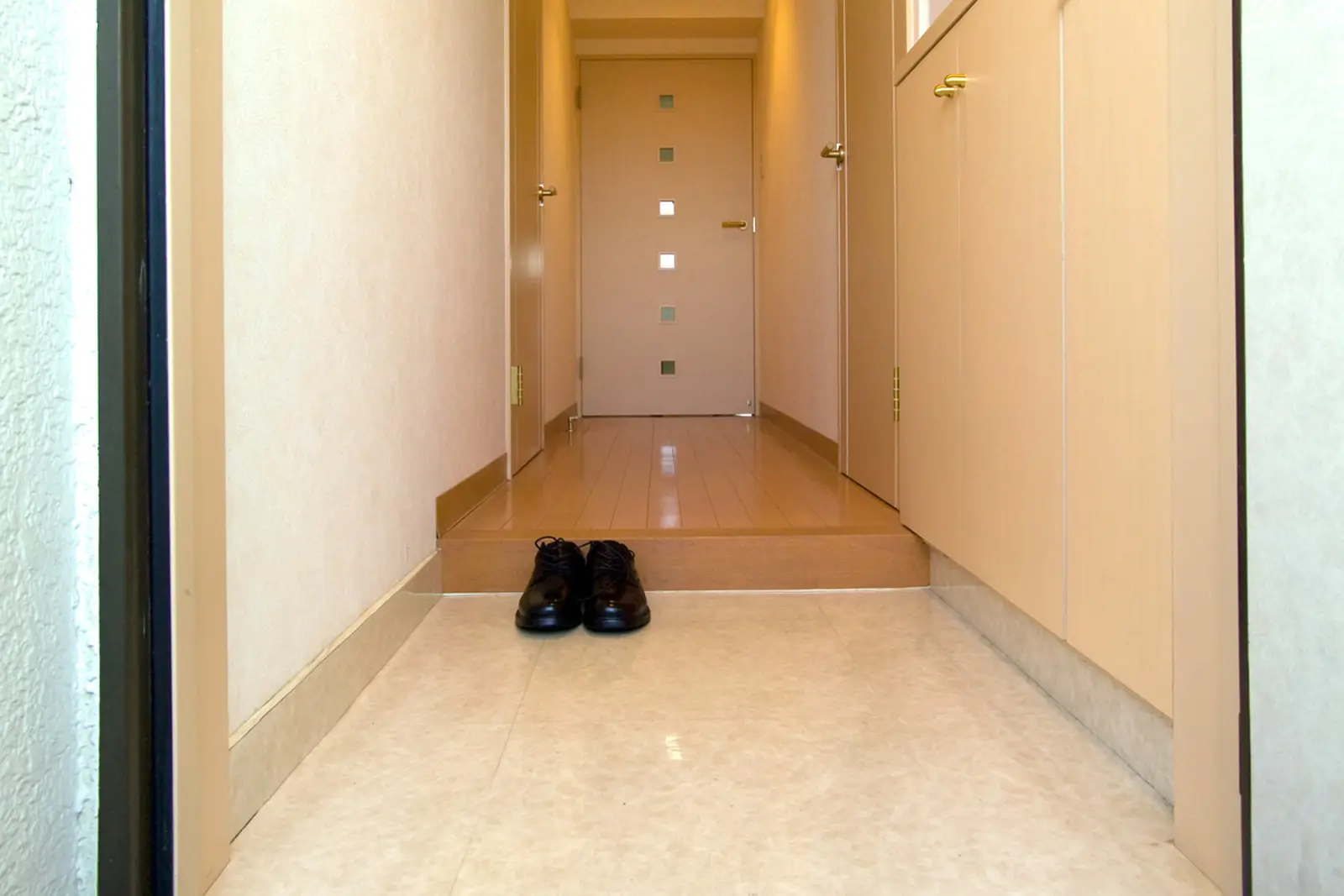
Why Do Japanese Front Doors Open Outwards? The Shoes
Doors that swing out toward you. The shoes behind them, and what Japan's building rules actually say.
 JAPAN EXPLAINED3 min read
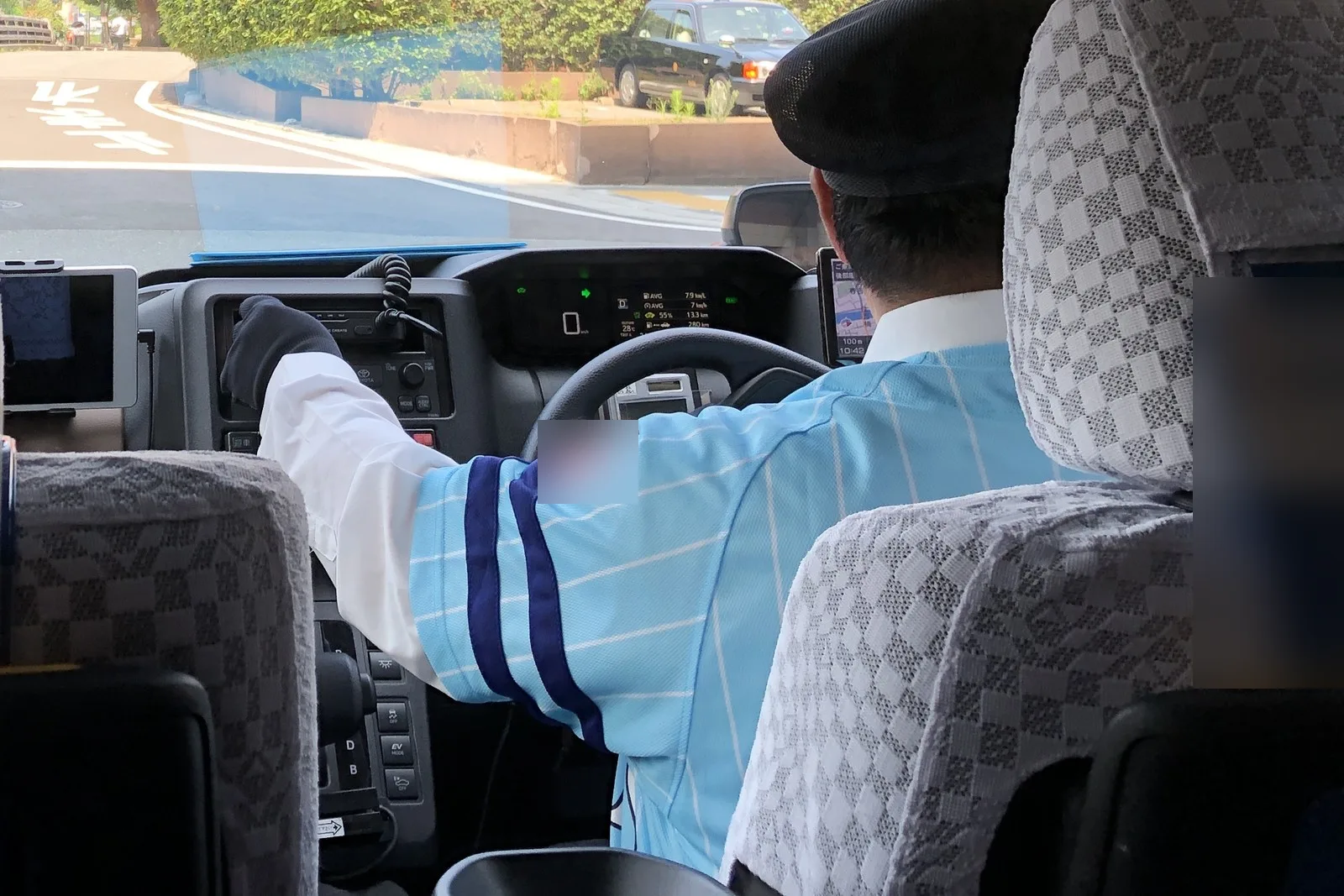
Why Do Japanese Taxis Have Lace Seat Covers? The Clean Rule
White lace on the back seat. The national rule on clean taxis, and how the covers got there.