Why Do Japanese Taxis Have Lace Seat Covers? The Clean Rule
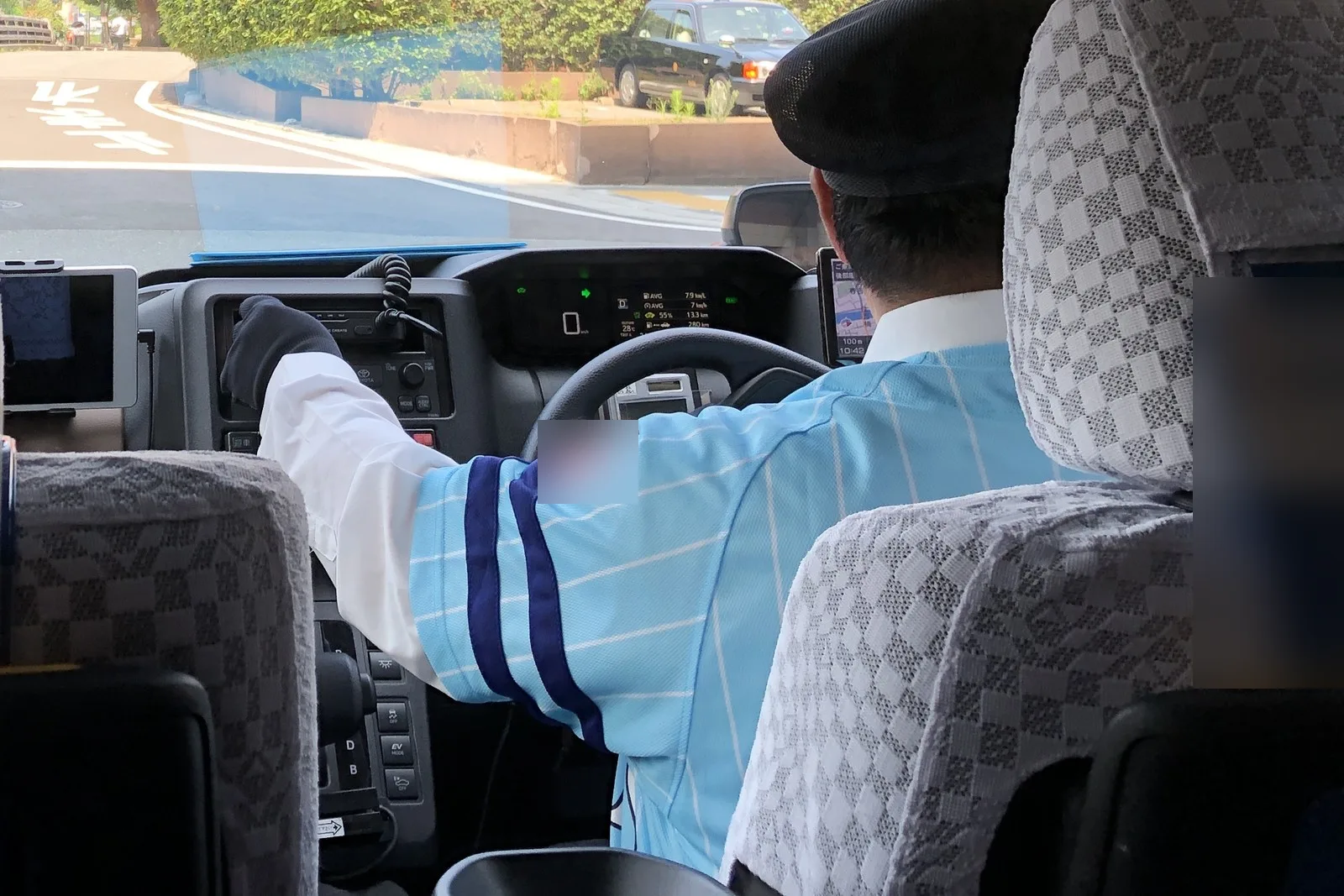
You get into a taxi in Japan and the back seat is dressed in white, with lace over the headrests. Why do Japanese taxis have lace seat covers? Because a national rule says taxi companies must keep every car clean, and white covers that come off for washing make that easy to see. This guide explains what you are seeing, the rule, where the covers came from, the numbers, and what to do in the back seat.
What you are seeing
White covers on the back seat and the headrests. In older sedan taxis they are often frilly white lace. In some cars they are a white fabric with a small open pattern. They look a little old-fashioned, and they are spotless.
They are not decoration chosen by the driver. Many taxi companies rent them from firms that wash and swap them on a schedule.
The short answer
Japanese taxis have lace seat covers because taxi companies must keep their cars clean, and white cloth shows dirt at once. A dirty cover can be pulled off and replaced with a washed one, which is much easier than cleaning the seat itself. The white also tells you the car is clean before you sit down.
A large Tokyo taxi company gave a Japanese car news site the same two reasons. White gives a clean image, and the covers protect the seats from dirt. It added that removing them would make passengers ask where they went.
What the rule says
Taxis in Japan run under a national ministry ordinance for passenger transport companies, first issued in 1956. Article 44 is one sentence long. It says the company must always keep its business vehicles clean.
The ordinance does not mention lace, covers, seats or colors. The white covers are the industry's way of meeting that duty, not a legal requirement in themselves.
Where the covers came from
Lace was once a sign of a treasured thing in Japanese homes. Japanese car writers recall lace covers on televisions and telephones, and carmakers once sold lace seat covers as an option even for small cars.
Taxis in Tokyo took a different path at first. According to a 2017 Japanese business news report:
- Until 1979, most Tokyo taxis used vinyl seat covers printed with company advertising.
- Cloth covers were already in use in Osaka.
- In 1979 a Tokyo taxi company asked a futon dealer in Asakusa, founded in 1911, to make cloth covers like Osaka's. The firm started renting them to taxi companies and kept them washed.
The numbers
- 1956: the year the passenger transport ordinance with the clean-car rule was issued.
- 1979: cloth covers start replacing advertising vinyl in Tokyo taxis.
- 3 sets per car: what one large leasing firm keeps for each taxi, so a clean set is always ready.
- Every week: how often that firm swaps the covers.
- Just under half: that firm's own estimate of its share of Tokyo's taxi seat covers in 2017.
Do all Japanese taxis have lace seat covers?
No. A Japanese car magazine noted in 2022 that the newer JPN Taxi model rarely carries lace. It also noted that some taxis in places like Okinawa use vinyl covers.
Why keep covers on new seats at all?
The JPN Taxi came out in 2017 with synthetic-leather seats. The leasing firm said there was a debate over whether covers were still needed. It made new covers anyway, including a white lace design and fabrics that resist sweat odors.
When you ride a Japanese taxi
Sit back and relax. The covers are made to be sat on, and someone will wash them this week.
If you spill a drink or get the seat wet, tell the driver when you get out. The cover comes off and a clean one goes on. Japan keeps outside dirt away from where people sit in homes too, as you can see in why Japanese front doors open outwards.
More on Japan Explained
 JAPAN EXPLAINED3 min read
Japan's Election Vans: Why They Only Shout the Candidate's Name
White vans, loudspeakers and one name on repeat. The election law that makes them sound like that.
 JAPAN EXPLAINED3 min read
Why Do Japanese Front Doors Open Outwards? The Shoes
Doors that swing out toward you. The shoes behind them, and what Japan's building rules actually say.
 JAPAN EXPLAINED3 min read
Why Japanese Train Stations Play Bird Sounds: The Stair Rule
That chirping on the platform is not a bird. The ministry guideline behind it, and what each station sound means.