Why Japanese Train Stations Play Bird Sounds: The Stair Rule
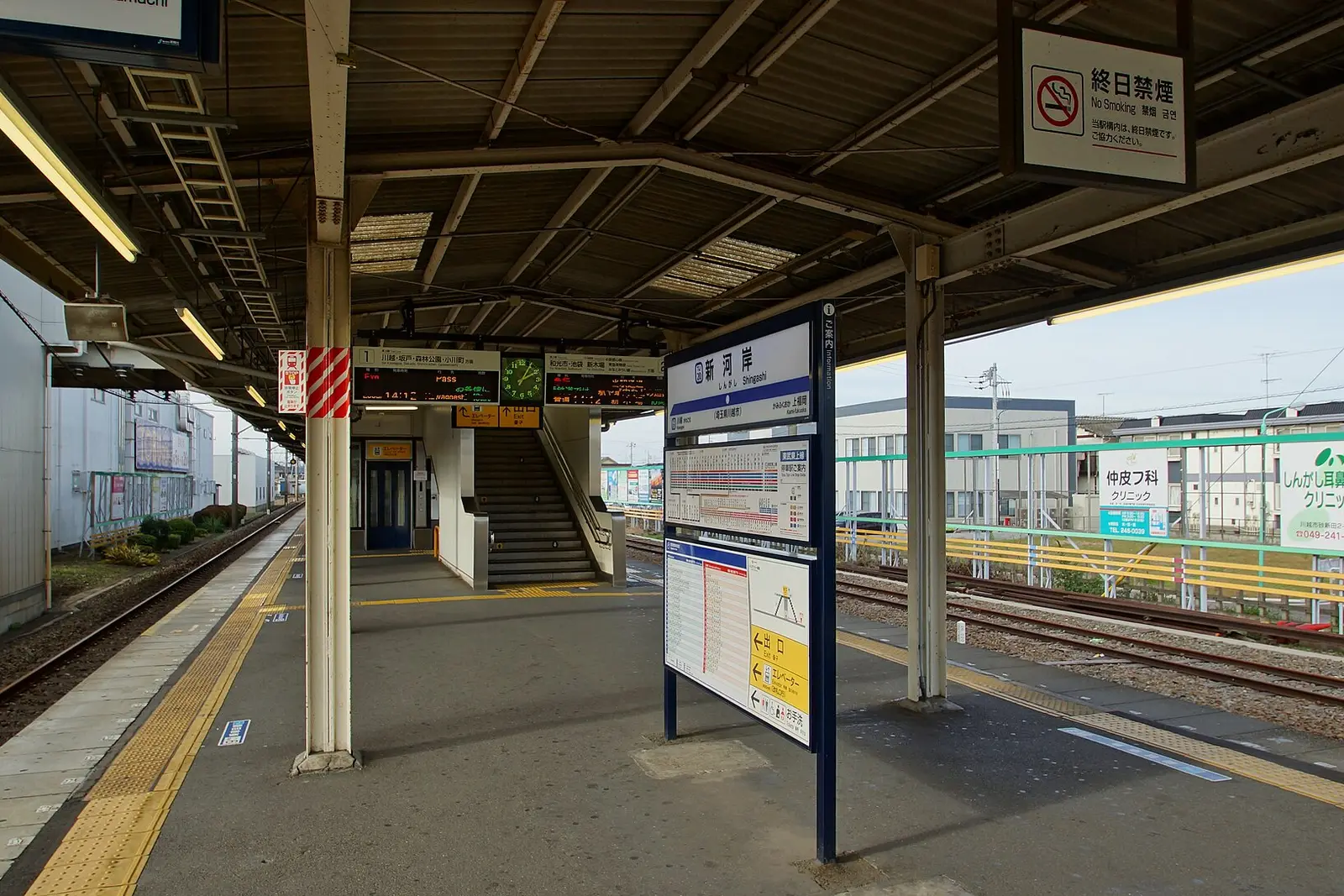
You step off a train in Japan and hear birds chirping, even though you are under a steel roof or deep underground. Why do Japanese train stations play bird sounds? Because a national accessibility guideline uses a bird-like chirp to show blind passengers where the stairs to the exit are. This guide explains what you are hearing, where the rule comes from, what each station sound means, the numbers, and what to do when you hear it.
What you are hearing
A short, bright chirp repeats every few seconds near part of the platform. If you walk toward it, you reach a staircase. Near the ticket gates you may hear a different sound, a two-note "ding-dong".
These are not the birds outside. They are designed signals, and each one marks a different place in the station.
The short answer
Japanese train stations play bird sounds to show blind and low-vision passengers where the platform stairs are. Japan's transport ministry made a bird-like chirp the standard sound for platform stairs in 2002, and its current station accessibility guideline still lists it. After leaving a train, a passenger can walk toward the chirp to find the way out.
Where the rule comes from
A national ordinance under Japan's barrier-free law says station passages must have tactile paving, or sound or other guidance for blind passengers. It does not name any particular sound.
The bird sound comes from a ministry guideline. In 2002 the transport ministry set up a study group of experts, blind people, rail companies and officials. It interviewed 93 blind people who used stations on their own, in Tokyo, Nagoya, Osaka, Sapporo and Fukuoka. It then chose the five places where they most wanted sound guidance and gave each one a standard sound.
What each sound means
- Ticket gates: "ding-dong" or a similar tone.
- Escalators: a voice saying where the escalator goes and whether it goes up or down.
- Toilets: a voice saying which side is for men and which is for women.
- Platform stairs: a sound imitating a bird call.
- Subway street entrances: "ding-dong" or a similar tone.
The guideline is not legally binding. In its 2025 edition, a sound device above the start of the platform stairs that lead to the exit is a "standard" item, which rail companies are expected to install actively.
The rules in numbers
- About 10 dB louder than the background noise, as a rule.
- 2 seconds or less of silence between sounds, so nobody walks past in the gap.
- 5 seconds or shorter for each sound is preferred, repeated often.
- Below 0.8 m, or 2 to 3 m up: where the speaker should go. Ear height is avoided so people are not blasted as they pass.
- 5 places with a standard sound, chosen from the 2002 interviews.
Is the bird sound a real bird?
No. The guideline says the sound must be told apart from the real birds living near the station. It says recordings of real bird calls should not be used as they are.
Why do some platforms sound different?
Where platforms sit side by side, a blind passenger could mistake the next platform's stairs for their own. The guideline says changing the tone between neighbouring platforms helps, and notes that one railway in the Osaka area already does this.
Does everyone like the bird sounds?
Not everyone. The guideline itself says opinions on bird-like sounds are divided, and that whether to keep recommending them needs more study. It also warns that guidance sounds can be noise for station staff who hear them all day.
When you hear birds in a Japanese station
You can use the chirp too. Walk toward it and you will find the stairs off the platform. In a big station such as Shinjuku Station, listen for the ding-dong at the gates and the birds at the stairs.
Keep the yellow tactile paving clear when you stop to check your phone. Blind passengers follow the paving and the sounds together.
More on Japan Explained
 JAPAN EXPLAINED3 min read
Japan's Election Vans: Why They Only Shout the Candidate's Name
White vans, loudspeakers and one name on repeat. The election law that makes them sound like that.
 JAPAN EXPLAINED3 min read
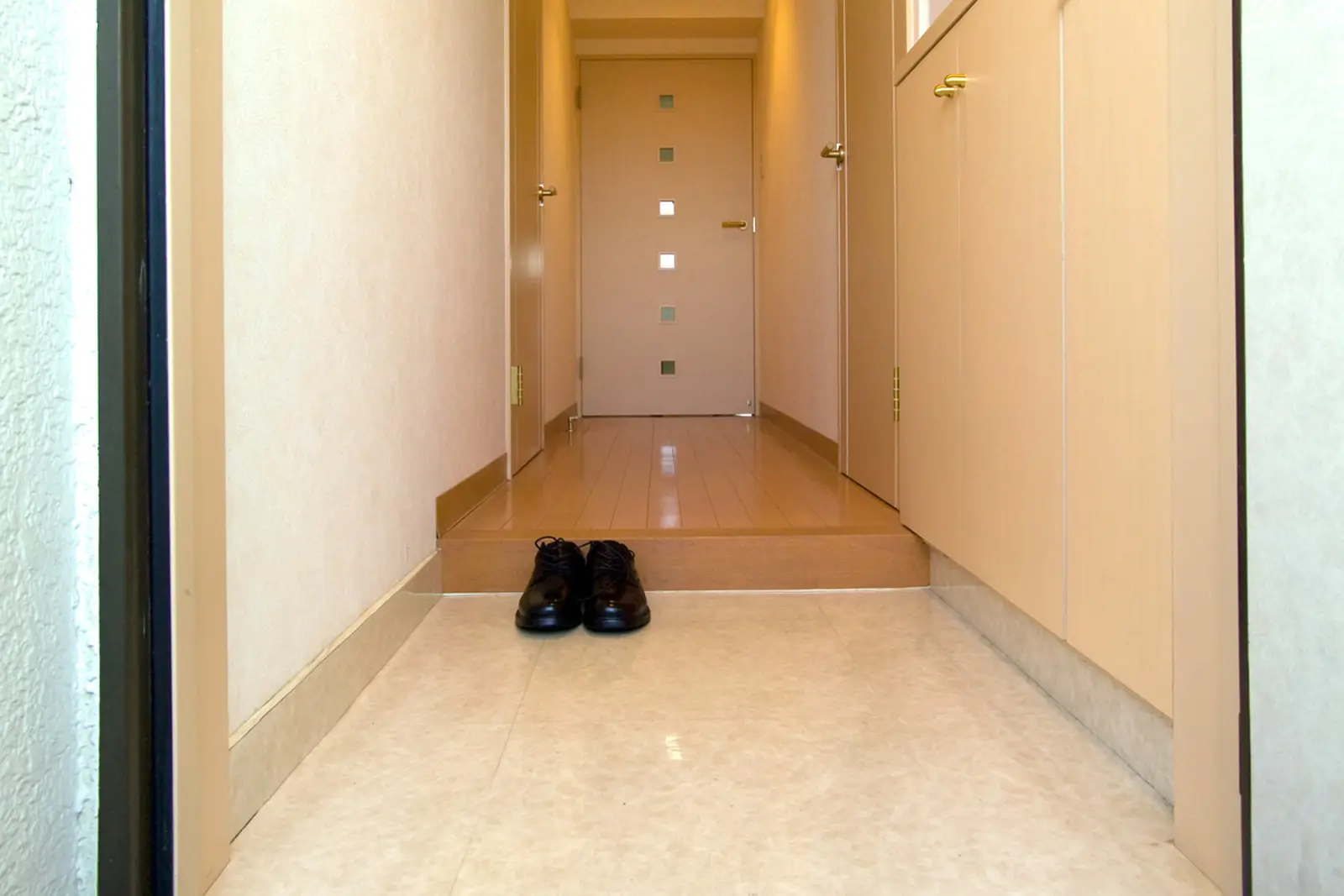
Why Do Japanese Front Doors Open Outwards? The Shoes
Doors that swing out toward you. The shoes behind them, and what Japan's building rules actually say.
 JAPAN EXPLAINED3 min read
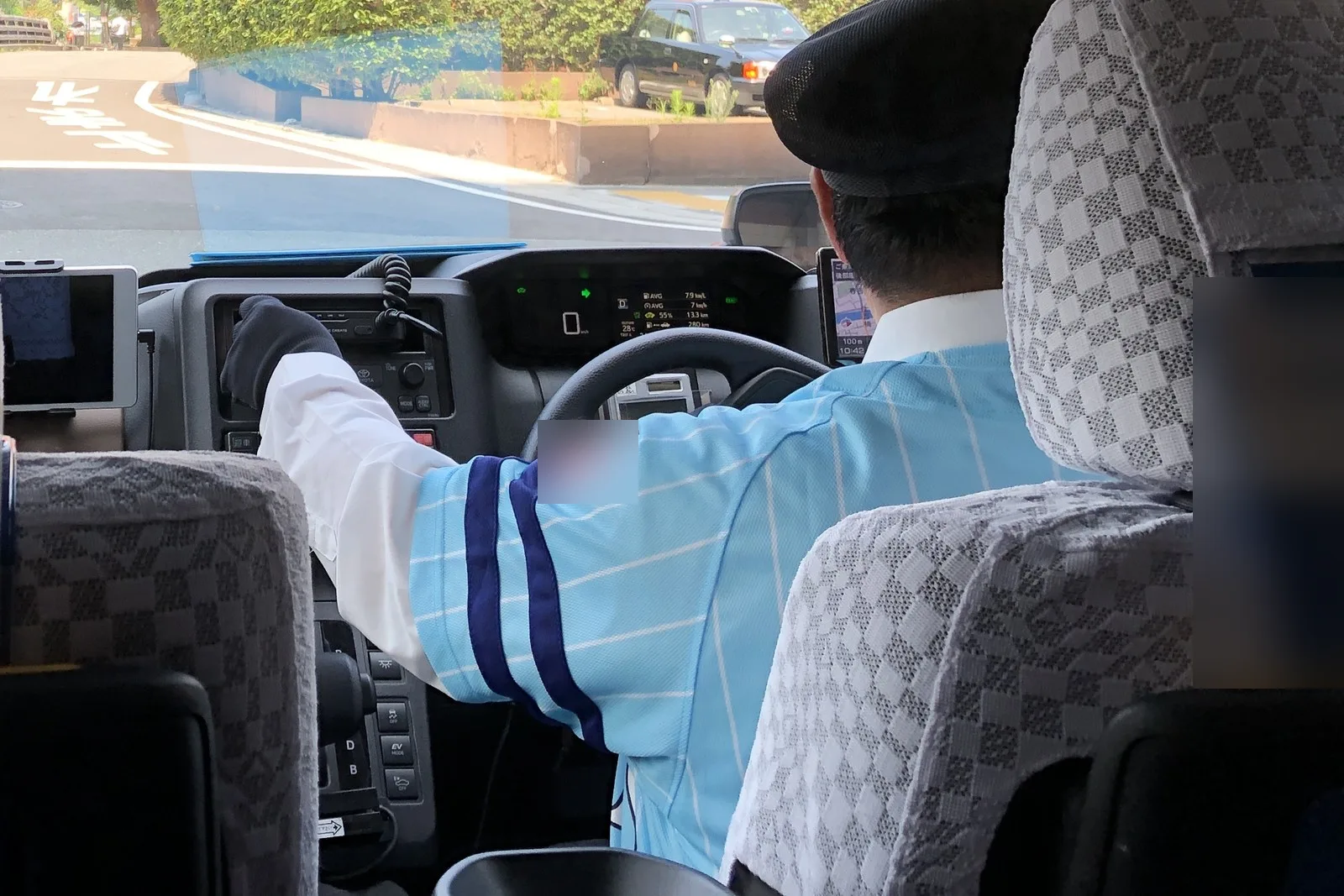
Why Do Japanese Taxis Have Lace Seat Covers? The Clean Rule
White lace on the back seat. The national rule on clean taxis, and how the covers got there.