Why Does Tokyo Have Two Subway Systems? Metro vs Toei
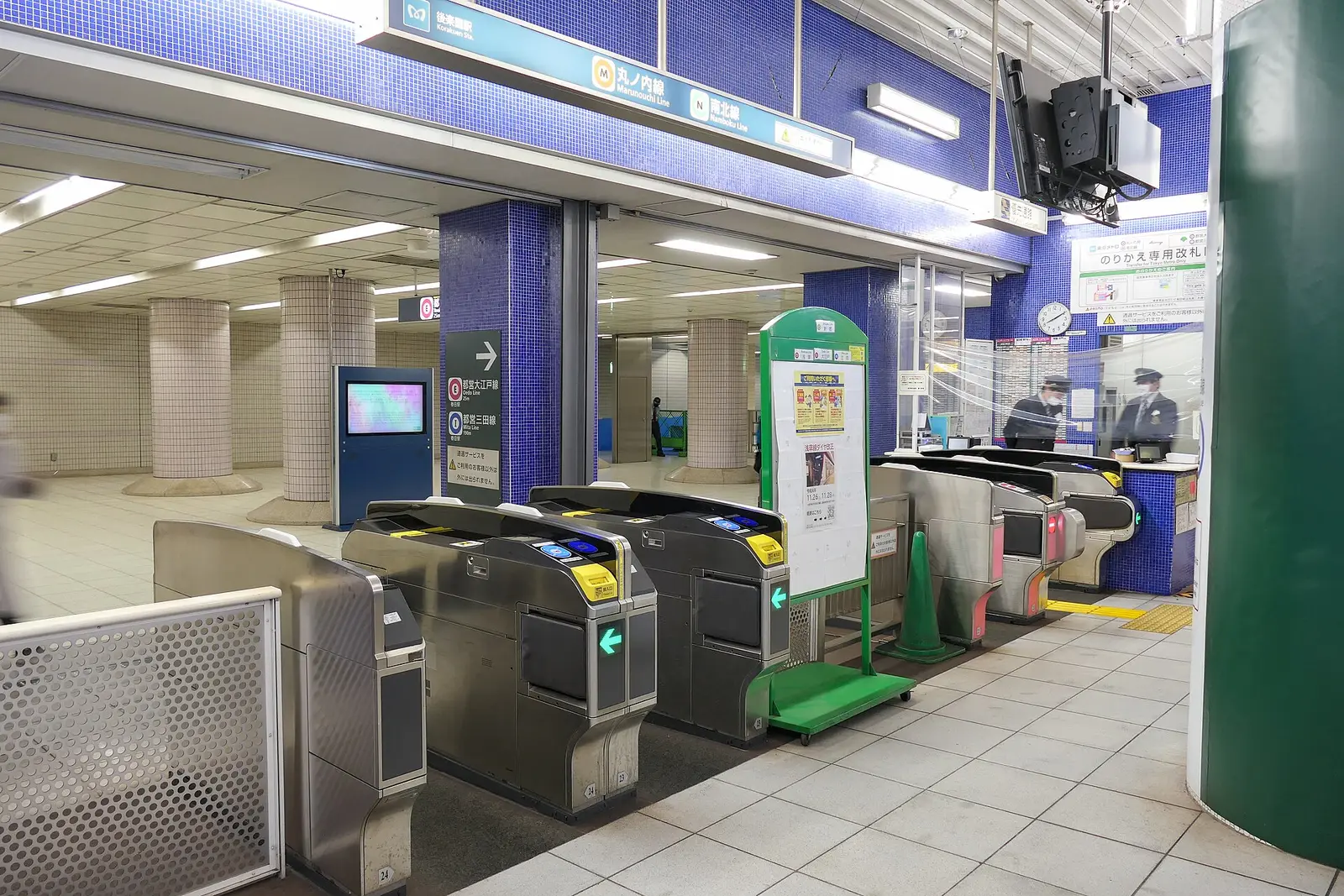
You change trains in Tokyo, walk down a corridor, and meet a second set of ticket gates with a sign saying "Transfer". Why does Tokyo have two subway systems? Because one grew out of prewar private lines that were merged in 1941, and the city government later voted to build its own. This guide explains the two histories, who owns each one today, the numbers, and what the split means for your ticket.
What you are seeing
You ride one line, then change to another, and the signs change colour. Some stations have a gate in the middle of the transfer corridor, marked norikae, meaning transfer. You tap your card again even though you never left the station.
That gate is the border between two companies. One is Tokyo Metro. The other is the Toei Subway, run by the Tokyo Metropolitan Government's Bureau of Transportation.
The short answer
Tokyo has two subway systems because two separate builders made them. Tokyo Metro comes from private lines of the 1920s and 1930s, merged into one public authority in 1941. The Toei Subway exists because Tokyo's city assembly voted in 1954 to build subway lines of its own.
Two histories
The older system. A private company, Tokyo Underground Railway, was founded in 1920. It opened Japan's first subway in 1927, between Asakusa and Ueno. A second company, Tokyo Rapid Railway, joined it, and from 1939 the two ran through trains between Asakusa and Shibuya.
On 4 July 1941, the lines were put under one public body, the Teito Rapid Transit Authority. People called it Eidan, meaning the authority. It kept building lines after the war.
The city's system. On 29 March 1954, the Tokyo Metropolitan Assembly voted for subway construction run by the city itself. The city got its licence for Line 1, today's Asakusa Line, in 1958. The first section opened on 4 December 1960, with trains running straight through onto a private railway's tracks.
The city's own history records the vote but not the debate behind it.
How the split works today
In 2002, Japan passed the Tokyo Metro Act. On 1 April 2004, the Eidan became a company, Tokyo Metro. Its shares went, free of charge, to the national government and the Tokyo government, which had funded the authority.
The act still gives the transport minister a say in the company:
- Choosing or removing the company's top executives needs the minister's approval.
- Paying dividends, changing the articles or merging also needs approval.
- The company must send the minister a business plan every year.
The same act tells the national government and Tokyo to sell their shares and abolish the act "as soon as possible".
The numbers
- 1927: Japan's first subway opens.
- 1941: the private lines merge into one authority.
- 1960: the first Toei line opens.
- 2004: Tokyo Metro becomes a company.
- About 26.7% + 23.3%: the shares sold by the national government and Tokyo in October 2024, half of the company in total, at 1,200 yen each.
What is the difference between Tokyo Metro and the Toei Subway?
Tokyo Metro is now a listed company, regulated by its own law. The Toei Subway is part of the Tokyo Metropolitan Government and runs four lines: Asakusa, Mita, Shinjuku and Oedo.
Is Tokyo Metro owned by the government?
Partly. The national government and Tokyo sold half of the shares when the company listed on 23 October 2024. The act still asks them to sell the rest.
Do you pay twice when you change between them?
Yes, two fares, but with a discount. When you transfer between Toei and Tokyo Metro, the adult fare is the two fares added together, minus 70 yen.
When you ride the Tokyo subway
Tap through the transfer gate as normal; you will not leave the station. A contactless credit card tap is accepted by both systems. If you plan several rides in one day, the shared one-day pass covers every line of both, so the border stops mattering.
More on Japan Explained
 JAPAN EXPLAINED3 min read
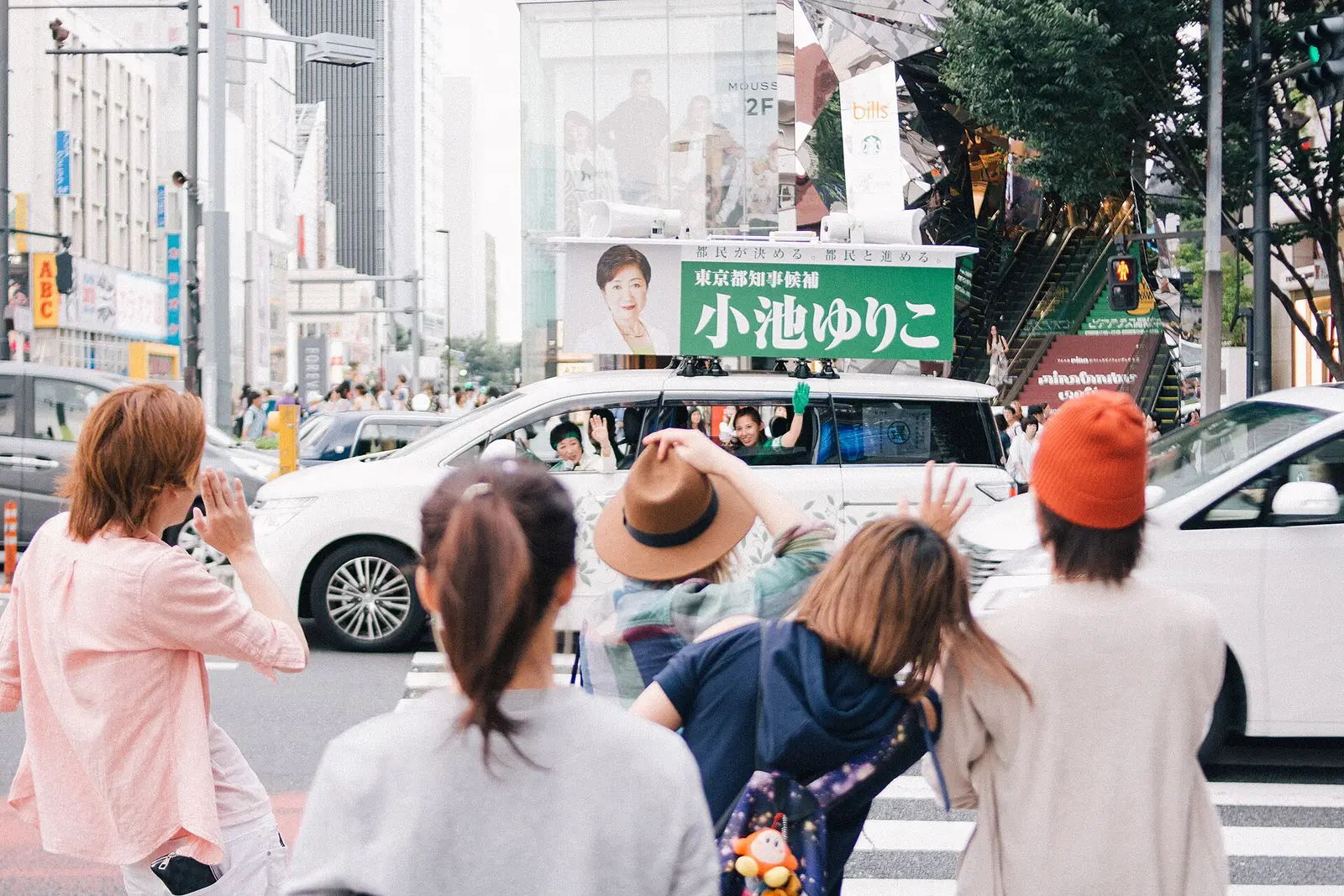
Japan's Election Vans: Why They Only Shout the Candidate's Name
White vans, loudspeakers and one name on repeat. The election law that makes them sound like that.
 JAPAN EXPLAINED3 min read
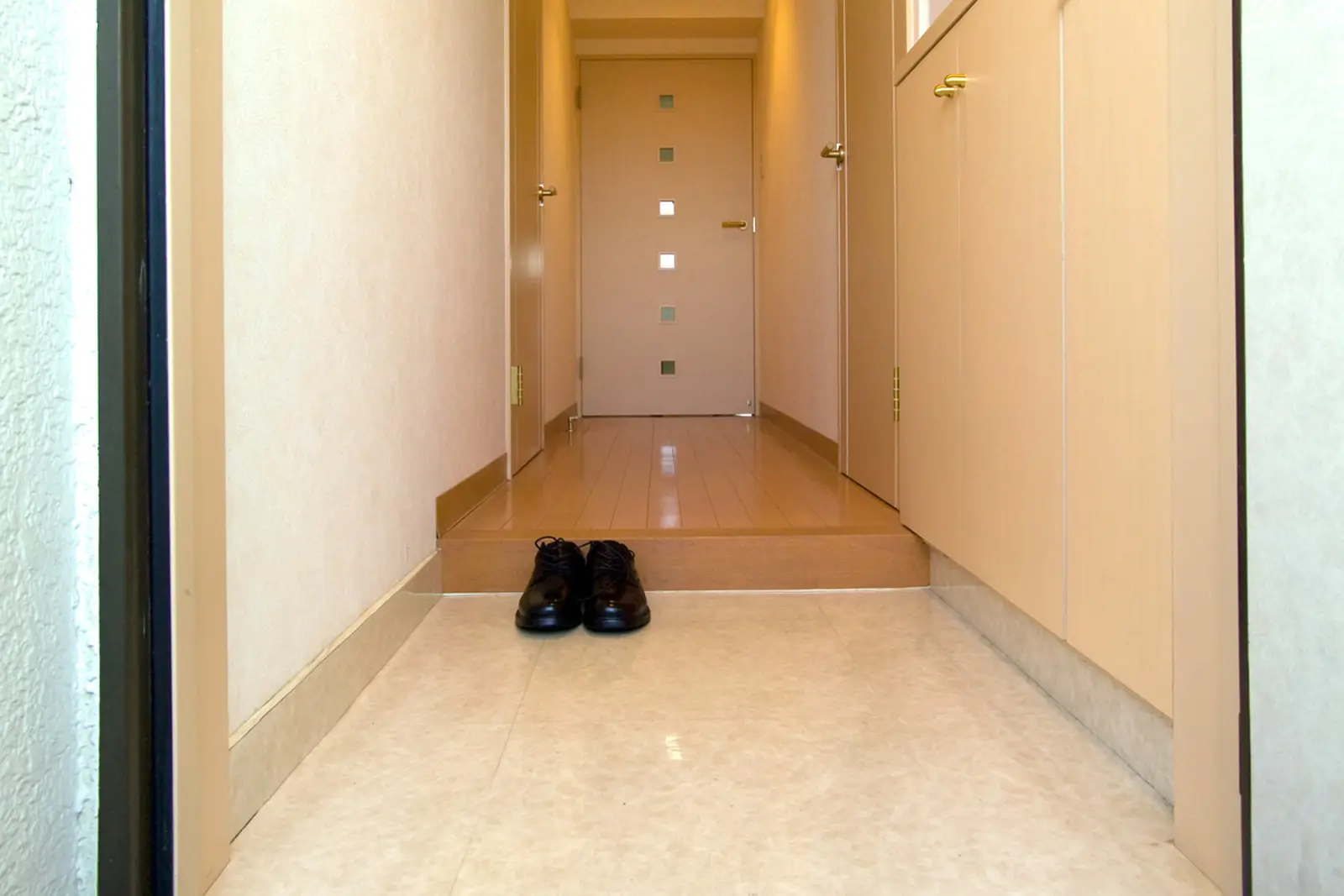
Why Do Japanese Front Doors Open Outwards? The Shoes
Doors that swing out toward you. The shoes behind them, and what Japan's building rules actually say.
 JAPAN EXPLAINED3 min read
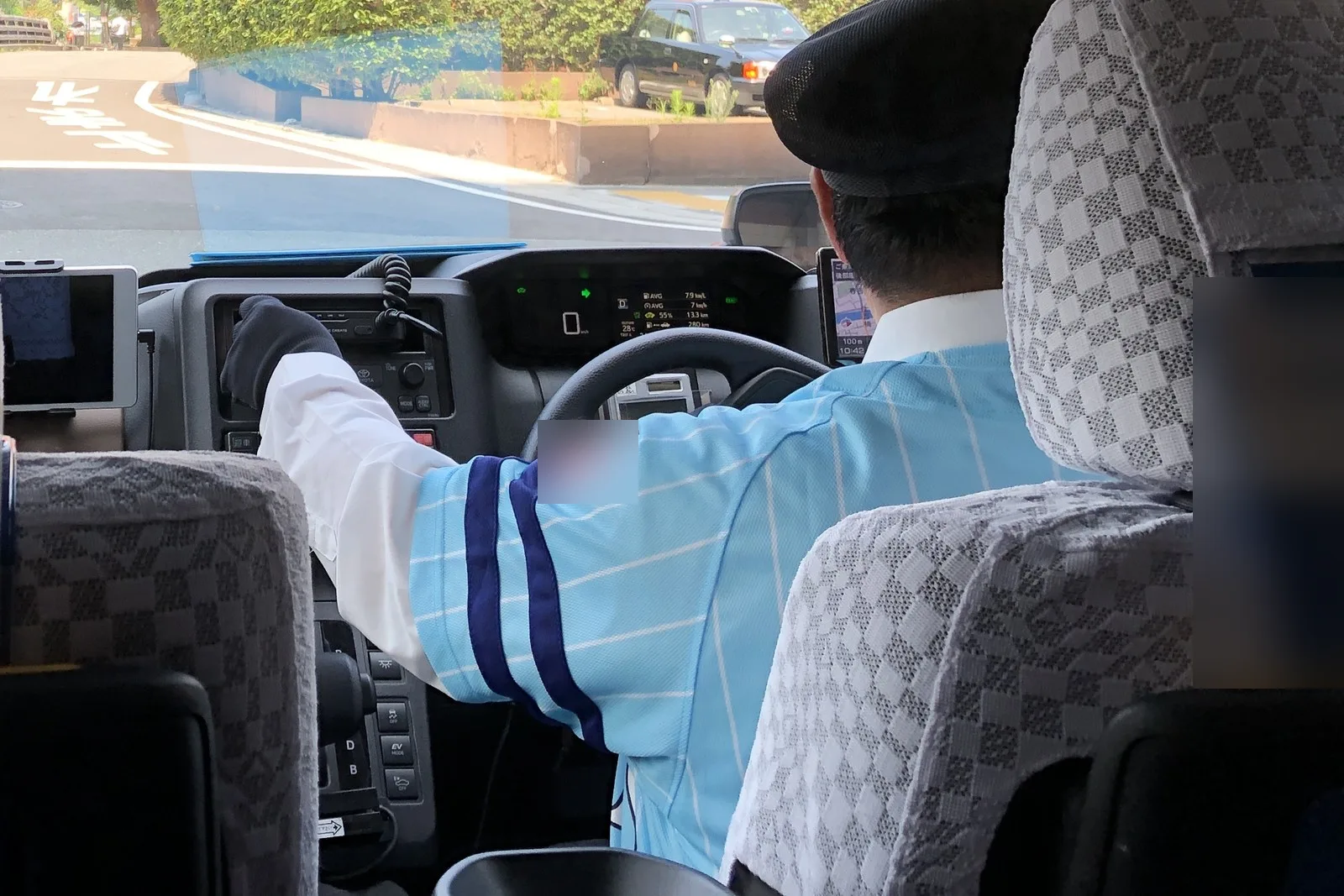
Why Do Japanese Taxis Have Lace Seat Covers? The Clean Rule
White lace on the back seat. The national rule on clean taxis, and how the covers got there.