Why Do Japanese Back Into Parking Spaces? What the Rules Say
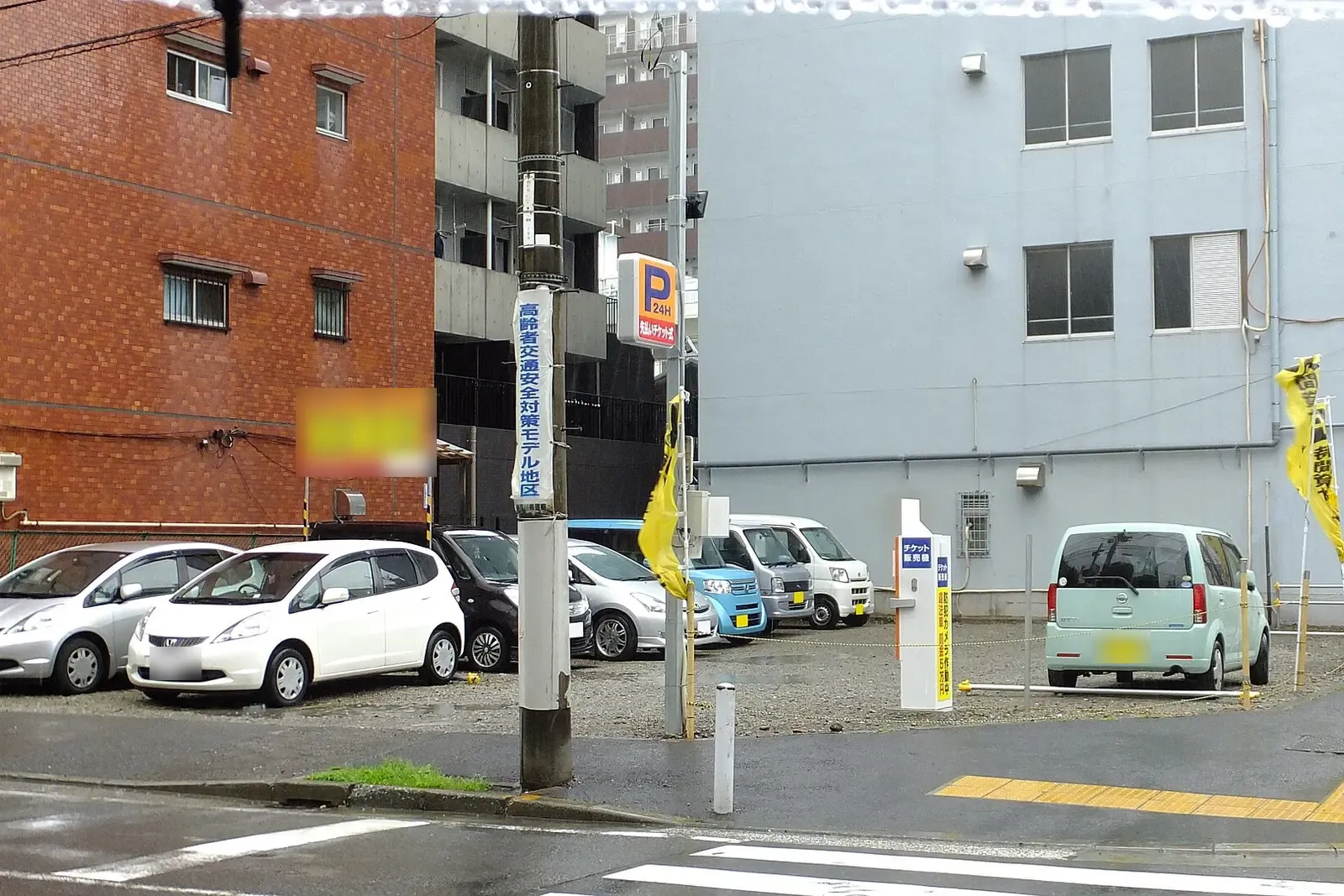
You walk past a small car park in Japan and almost every car is facing you, nose out toward the street. Why do Japanese drivers back into parking spaces? Because Japan's official driving handbook says driving off in reverse is dangerous, so you should reverse in first and leave forward. This guide explains what the handbook says, how the driving test trains it, the rules in numbers, and what to do if you drive here.
What you are seeing
Look at any car park in Japan, from a supermarket lot to a tiny coin-operated lot between two buildings. Most cars sit with their front end facing the lane or the street. Drivers pull past the space, stop, and reverse in.
The short answer
Japanese drivers back into parking spaces because the official handbook tells them to. Japan's rules-of-the-road guide, published by the National Public Safety Commission, says that starting off in reverse is dangerous. It advises drivers to reverse into a garage first, so they can drive out forward later.
What the handbook says
The guide is called kyosoku, meaning the official rules handbook, and it was first issued in 1978. In the chapter on how to drive, the first section covers starting off safely. It gives three steps:
- Before you get in, check that nobody is in front of or behind the car, and that no child is underneath it.
- Signal, then check all around in your mirrors before you move.
- Starting off in reverse is dangerous, so back into a garage in advance to make leaving easy.
The handbook adds one more line. If you must reverse out with a poor view behind, or from a narrow road onto a wide one, ask a passenger to help you check.
How the driving test trains it
The habit is built in before a driver gets a licence. Japan's road traffic rules list what every licence test must cover. The test for an ordinary car licence includes hoko henkan, meaning reversing into a side bay, or parallel parking.
The police agency's test standard is short and clear. The driver must enter the bay in reverse. Licensed driving schools must build their practice bay to a fixed size, so learners train in the same tight space.
The rules in numbers
- 3.5 m: width of the practice bay for an ordinary car licence
- 5 m: depth of that bay
- 3.5 m: width of the lane you reverse from
- 1 m: radius of the rounded corners at the bay's mouth
- 20 spaces: size at which a Tokyo car park must post an engine-off sign
Is backing into a parking space the law in Japan?
No. None of the laws we read tells you which way to face in a car park. The law does limit reversing on the road itself. A driver must not reverse when it could get in the way of people or other vehicles.
Why is leaving forward safer?
The handbook simply calls starting off in reverse dangerous. The law adds a rule at the exit. A car crossing a pavement to leave a car park must stop just before it and let people walk past. This matters most where a car park opens onto a tight lane, like those in our guide to why Japanese streets are so narrow.
Do Japanese car parks ever ask you to park nose in?
Some do, with a sign at the space. In Tokyo, car parks with 20 or more spaces must also tell drivers, by a sign or similar, to switch off the engine once parked. Follow whatever the sign says.
If you drive in Japan
When you rent a car, reverse into the space if you feel confident. You will match the cars around you, and leaving will be easier on a narrow lane. If a sign asks you to park nose in, do that instead. When you pull out, stop before the pavement and let people pass.
More on Japan Explained
 JAPAN EXPLAINED3 min read
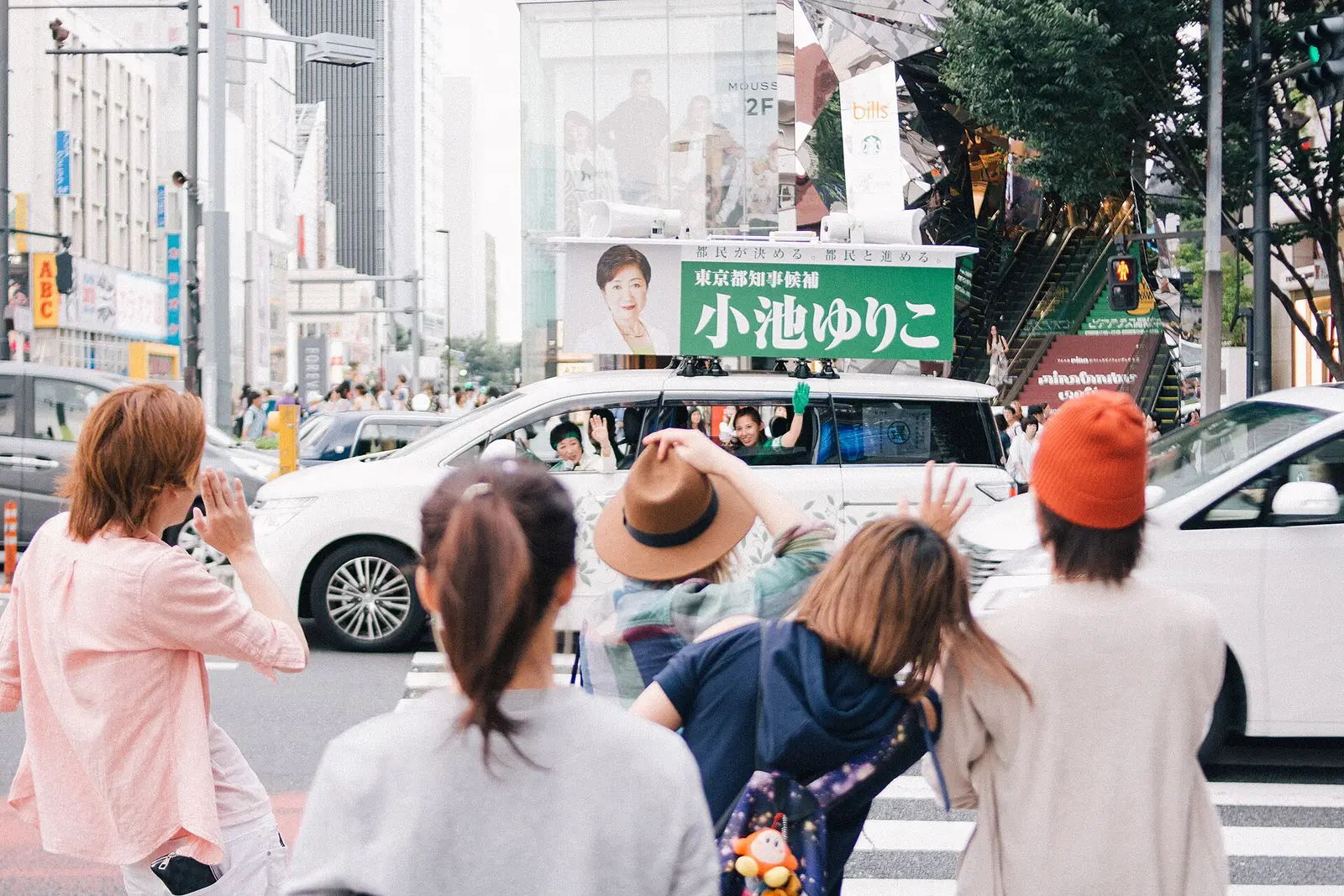
Japan's Election Vans: Why They Only Shout the Candidate's Name
White vans, loudspeakers and one name on repeat. The election law that makes them sound like that.
 JAPAN EXPLAINED3 min read
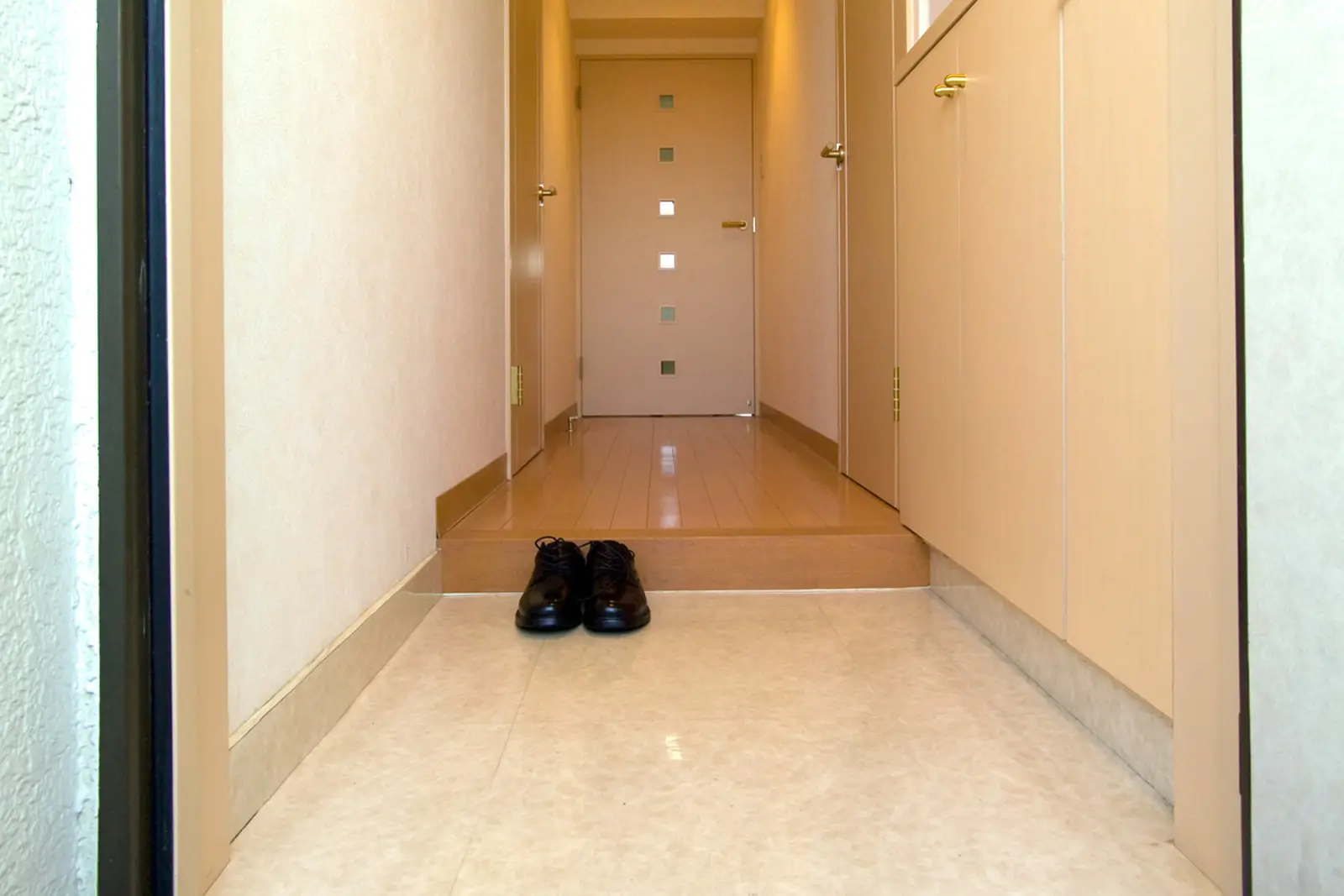
Why Do Japanese Front Doors Open Outwards? The Shoes
Doors that swing out toward you. The shoes behind them, and what Japan's building rules actually say.
 JAPAN EXPLAINED3 min read
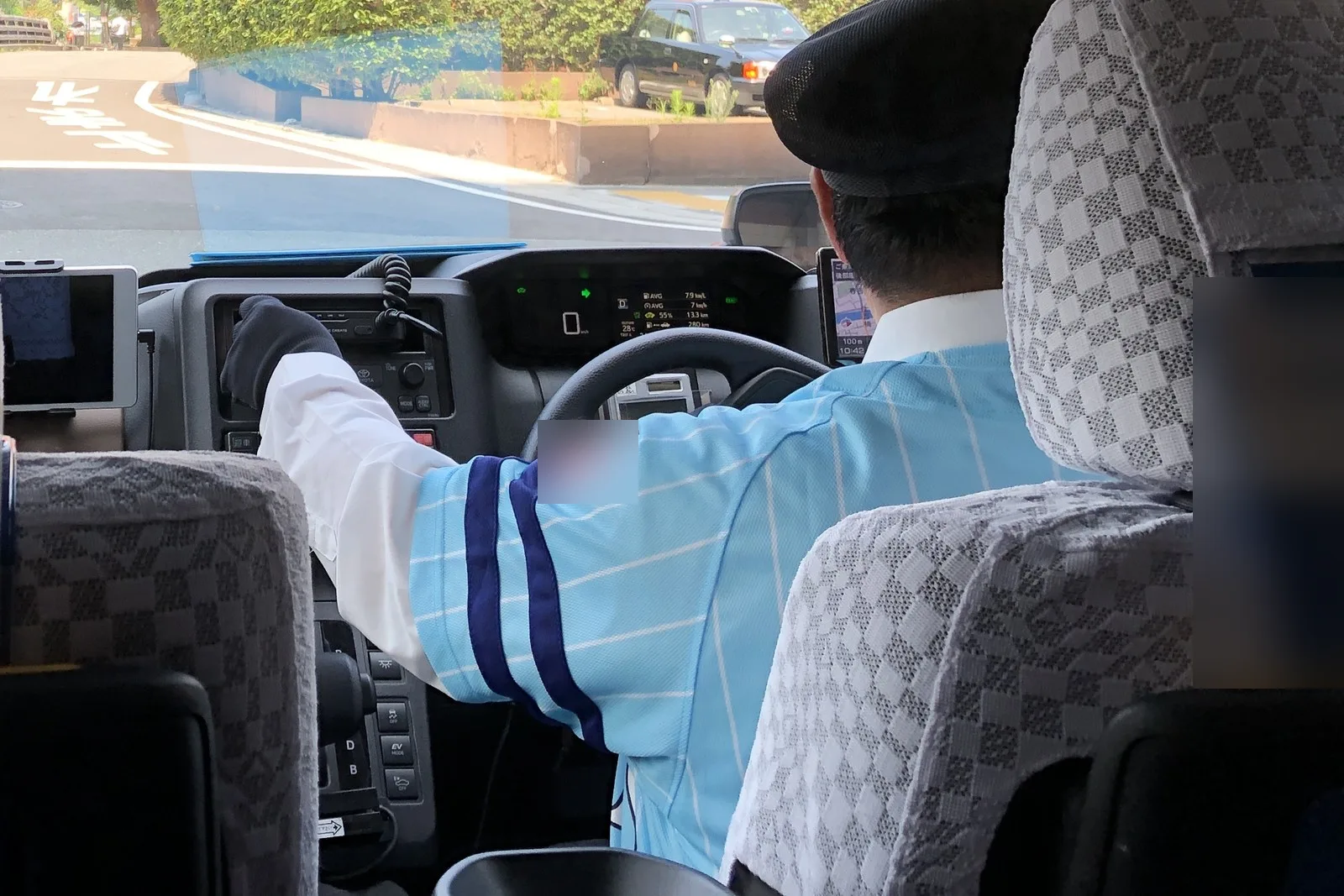
Why Do Japanese Taxis Have Lace Seat Covers? The Clean Rule
White lace on the back seat. The national rule on clean taxis, and how the covers got there.