Why Do Japanese Restaurants Serve Cold Water? The Tap Rule
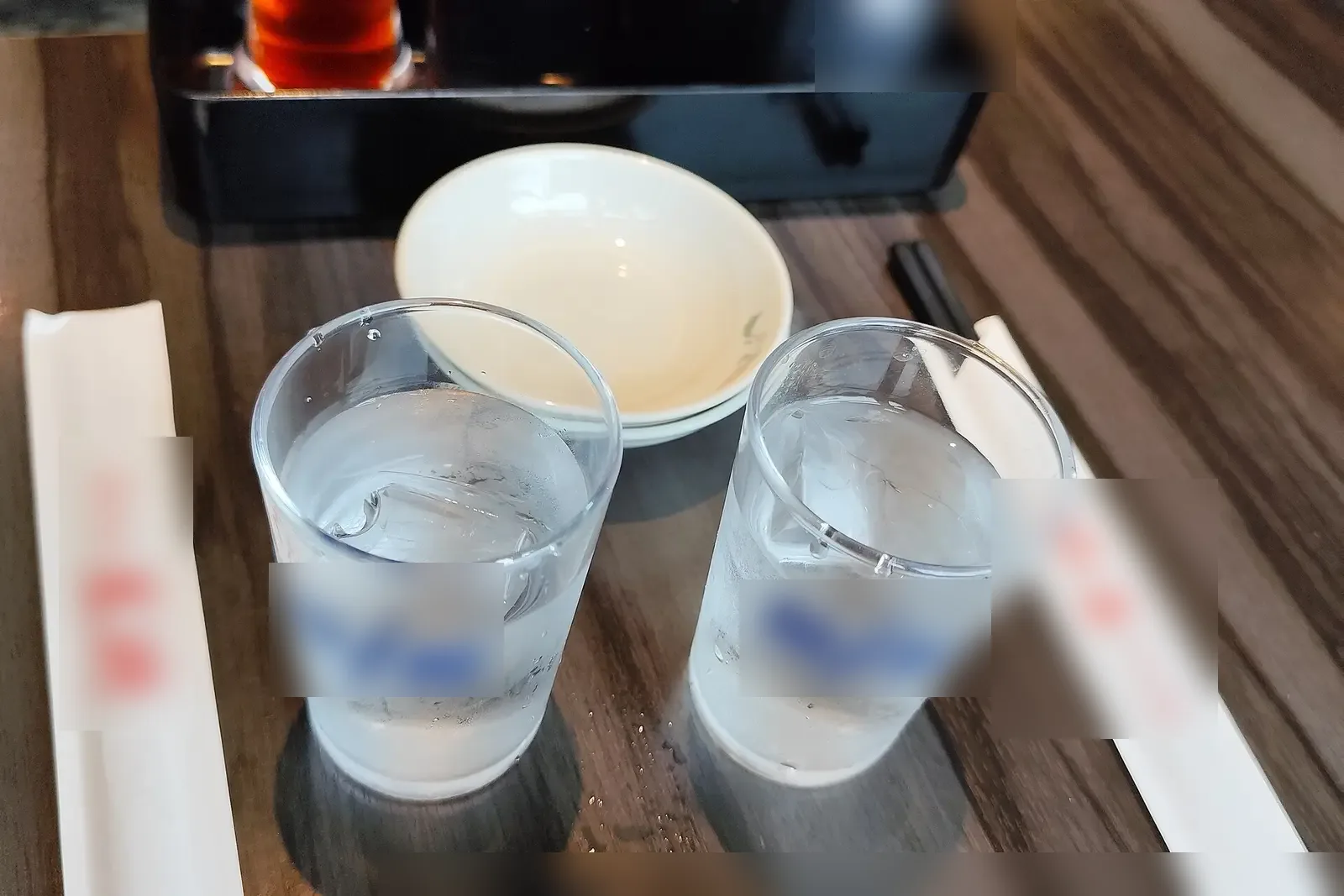
You sit down in a Japanese restaurant and, before you order, a glass of iced water appears on the table without a word. Why do Japanese restaurants serve cold water? The answer is in the water itself: it is drinkable tap water that must keep a trace of chlorine by law, and Japan's own water utilities say chilling it is the easiest way to hide that smell. This guide explains what you are getting, the chlorine rule, the numbers, the rules for restaurant water, and what to do at the table.
What you are seeing
A server brings a plastic cup or a glass of water, often with ice, as soon as you sit down. In many places there is also a jug on the table or a water station near the counter. The Japanese word is ohiya, a glass of cold water. Nobody asks if you want it. It simply arrives, and the staff usually top it up.
The short answer
Japanese restaurants serve cold water because it is drinkable tap water. Japanese tap water must keep a little chlorine all the way to the faucet. Japan's water utilities say that cooling the water below about 20°C makes that chlorine smell hard to notice. Cold is how tap water tastes best.
Why the chlorine is there
Japan's waterworks rules require disinfection with chlorine. The water coming out of every faucet must still hold a minimum amount of "free" chlorine. If the water supply is at risk of contamination, the minimum doubles. The point is that the water stays disinfected on its long trip through the pipes.
That trace of chlorine has a smell, called karuki-shu, chlorine odor. Fukuoka City's water bureau puts it plainly: the smell is a sign the water is safe. Chiba Prefecture's water utility gives the easiest fix. Chill the water in a fridge or with ice, below 20°C, and the chlorine smell becomes hard to notice.
So the habit and the plumbing fit together. Restaurants pour tap water, and ice turns a faint chlorine smell into a clean, cold drink.
The numbers
- 0.1 mg per liter: the minimum free chlorine required at the faucet.
- 0.2 mg per liter: the minimum when the supply is at risk of contamination.
- 52: the number of items in Japan's national drinking water standard, from bacteria to metals to color.
- 2 of those 52: taste and smell, which must both be "not abnormal."
- Below 20°C: the temperature at which Chiba's utility says the chlorine smell fades.
- 10 to 15°C: the range Fukuoka's water bureau says tastes best.
What the rules say about restaurant water
Japan's national food hygiene rules set which water a restaurant may use to prepare food. It must come from a public or private water supply covered by the waterworks law, or be water fit to drink. A restaurant using other water, such as a well, must test it at least once a year and keep the results for a year.
Is the water in Japanese restaurants safe to drink?
Yes. It comes from the same supply that must pass the 52-item national standard and carry chlorine at the tap. A restaurant using other water must have it tested.
Does boiling the water remove the chlorine?
Yes. Both Chiba and Fukuoka say boiling water for about five minutes removes the chlorine. Both also warn that water without chlorine lets germs grow, so it should be drunk soon. That is one reason cold, fresh tap water is the simple default.
What to do at the table
Drink it. The glass is part of the meal, and you can ask for more when it runs low. If you prefer no ice, say so when the water arrives. Some restaurants also hand you a wet towel at the same moment. The rules behind the oshibori towel are a story of their own. If you are planning lunch, check why many restaurants close in the middle of the day before you set out.
More on Japan Explained
 JAPAN EXPLAINED3 min read
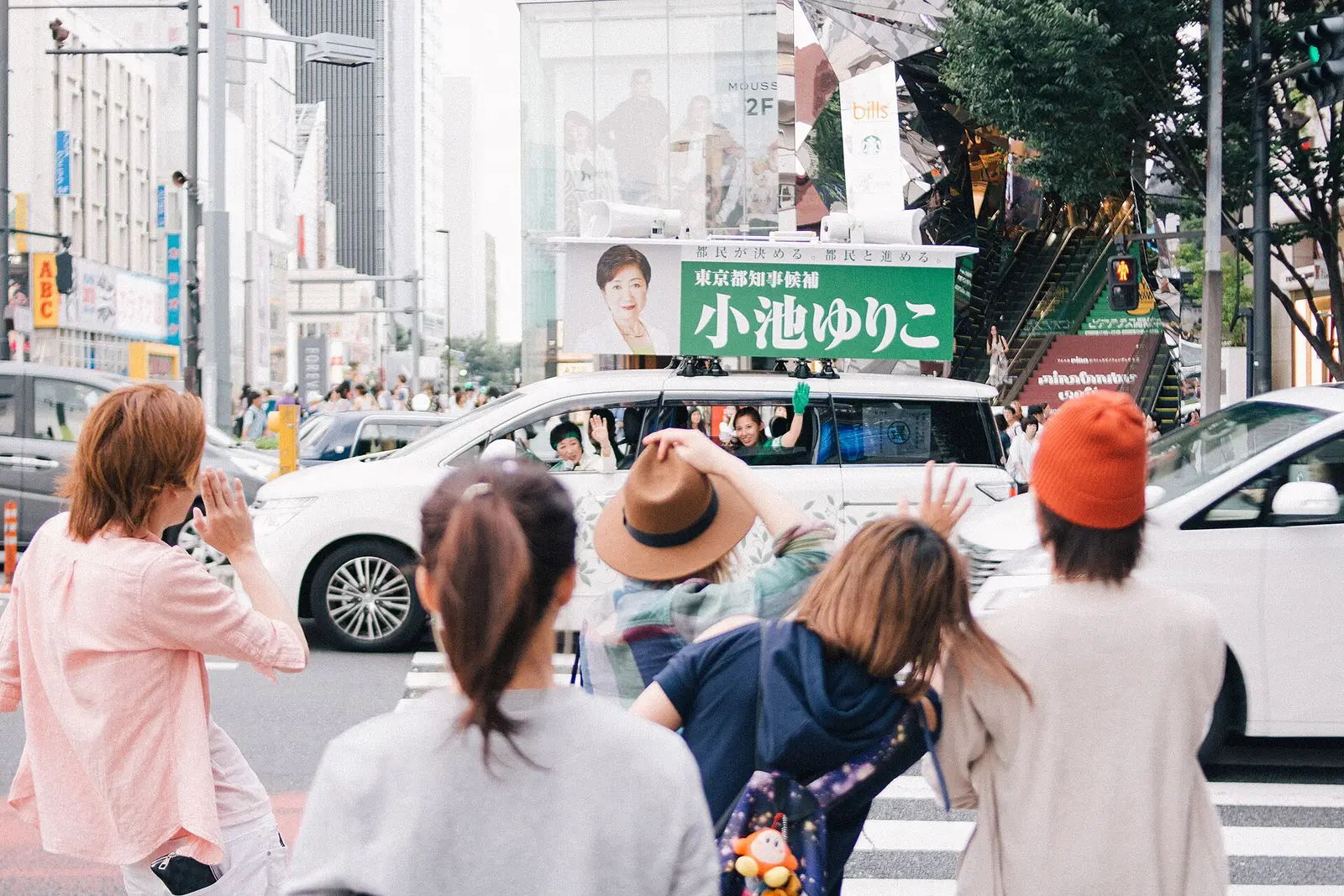
Japan's Election Vans: Why They Only Shout the Candidate's Name
White vans, loudspeakers and one name on repeat. The election law that makes them sound like that.
 JAPAN EXPLAINED3 min read
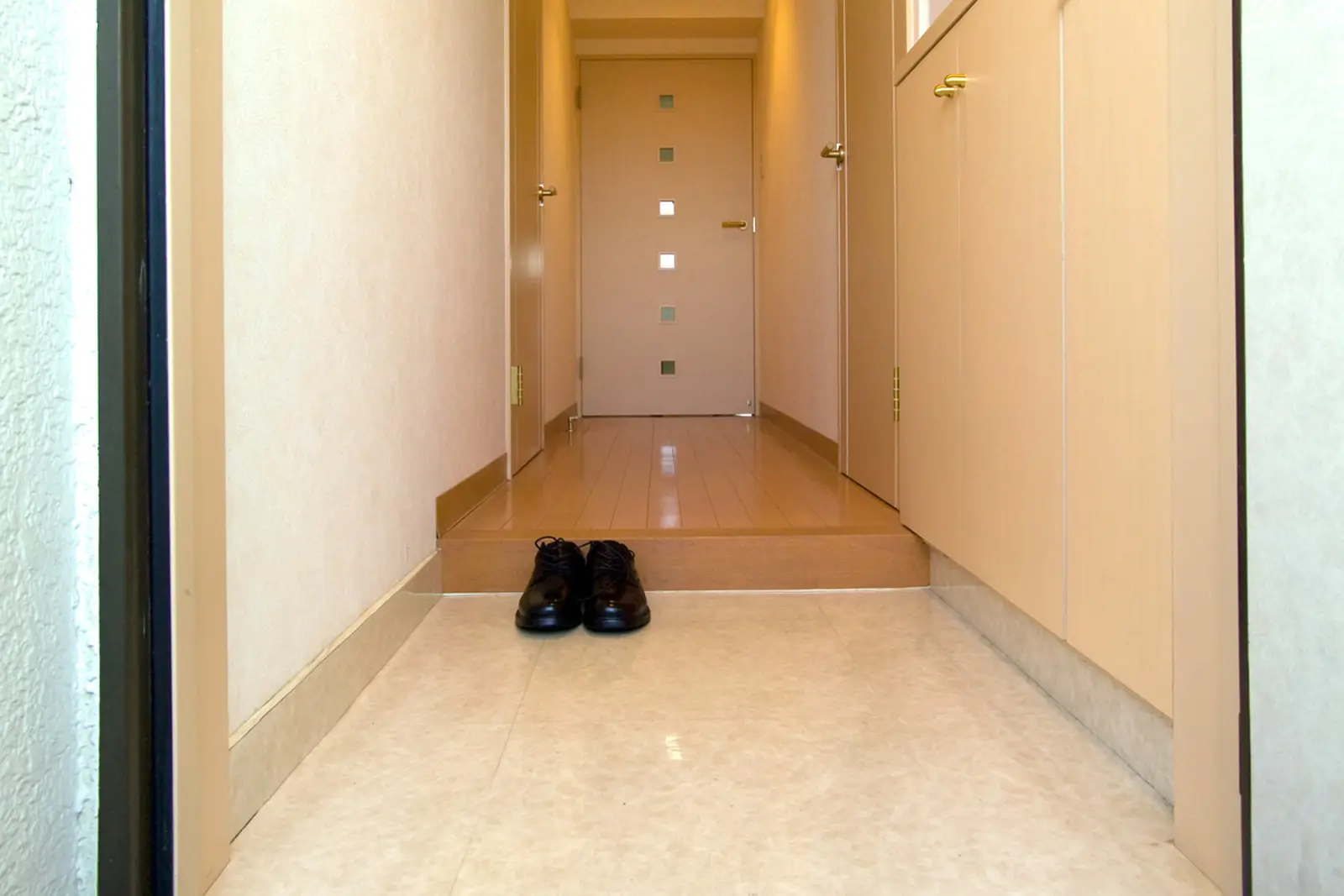
Why Do Japanese Front Doors Open Outwards? The Shoes
Doors that swing out toward you. The shoes behind them, and what Japan's building rules actually say.
 JAPAN EXPLAINED3 min read
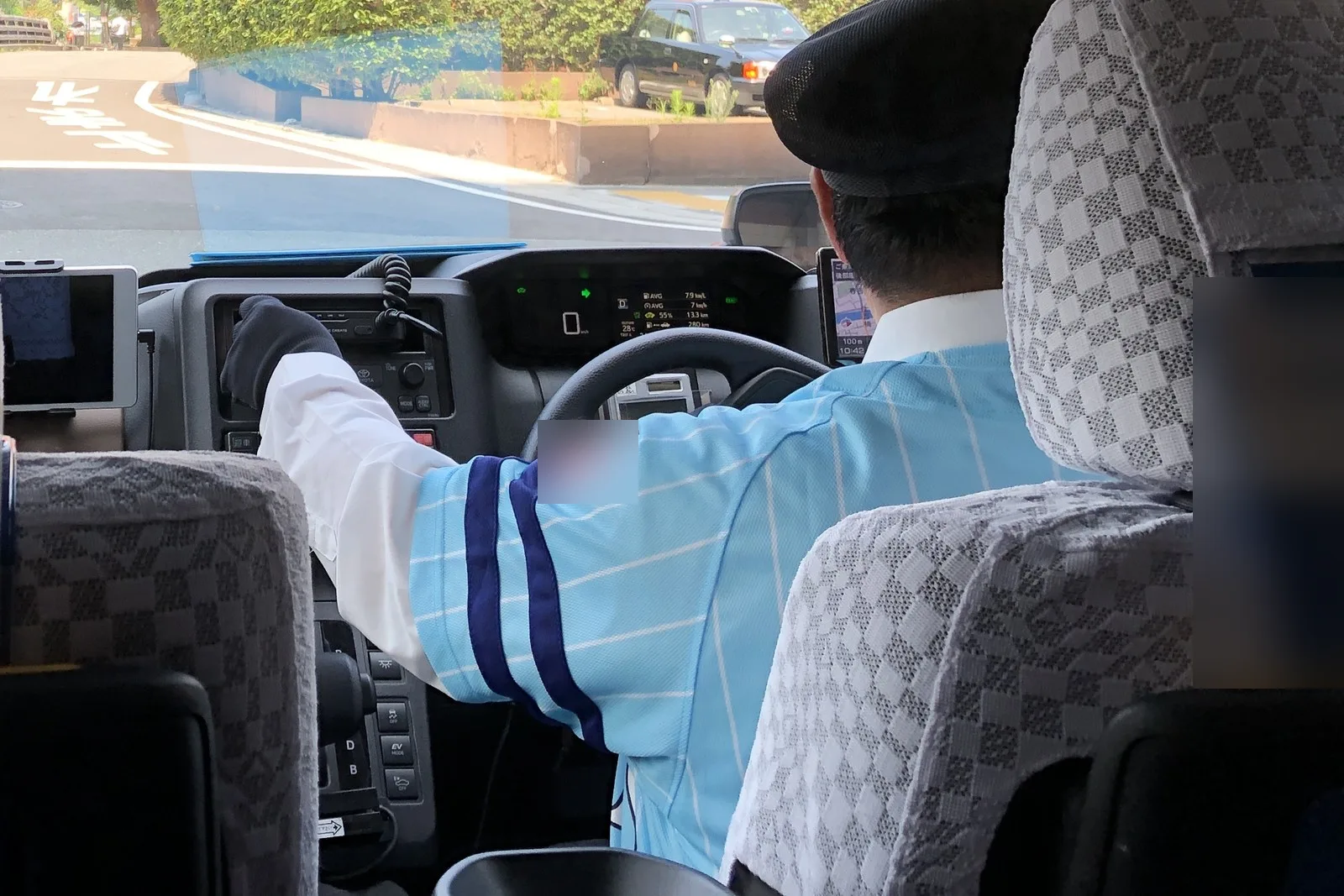
Why Do Japanese Taxis Have Lace Seat Covers? The Clean Rule
White lace on the back seat. The national rule on clean taxis, and how the covers got there.