Why Do Tokyo Streets Have Green Lines? School Route Strips
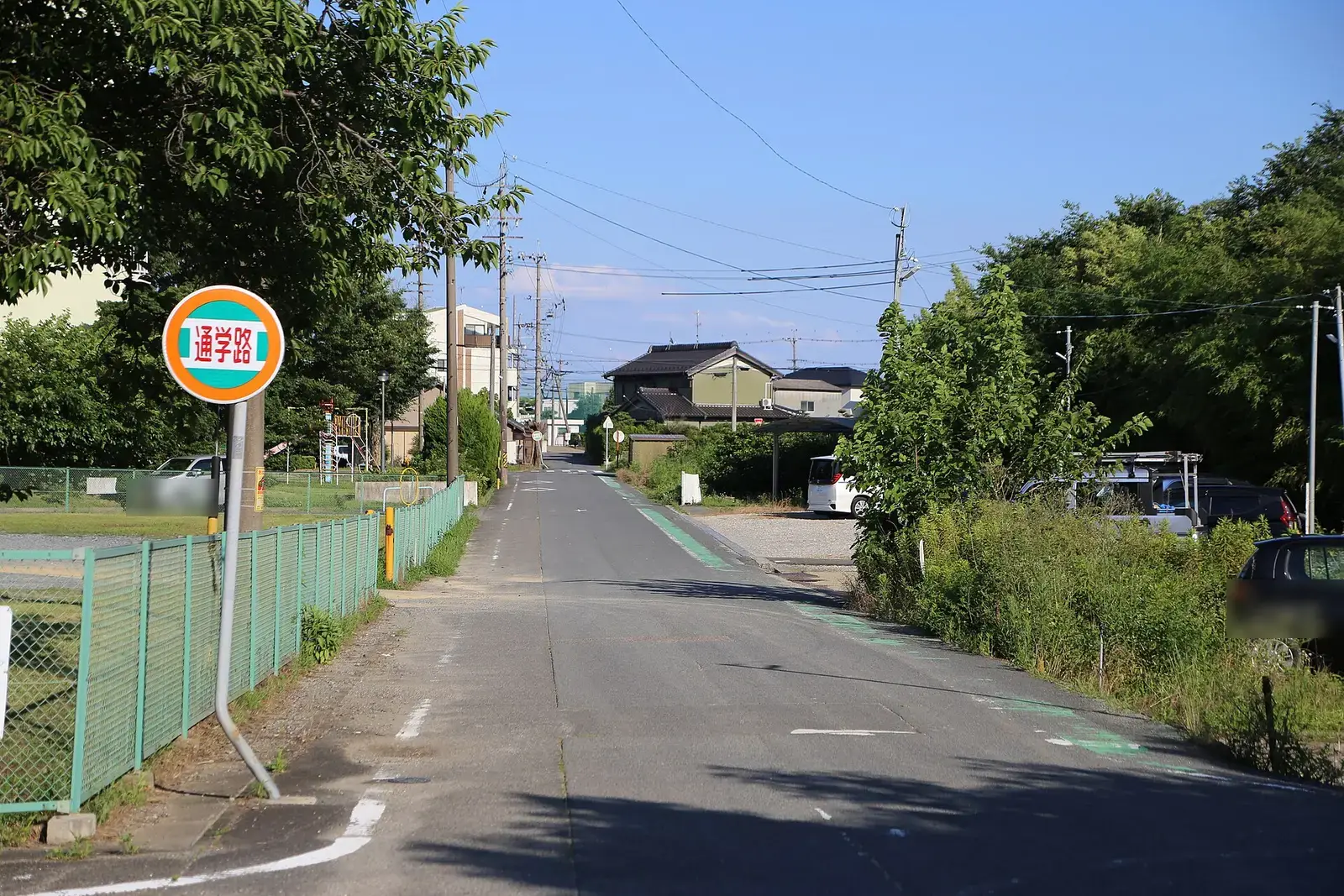
You are walking down a narrow side street in Tokyo with no sidewalk, and the edge of the road is painted bright green. Why do Tokyo streets have green lines? Because the green marks the strip where people walk, and in most places it tells drivers that children use this street to get to school. This guide explains what the strip is, why it is green, what the law says, and where you should walk.
What you are seeing
A narrow street with no sidewalk. A solid white line runs along one or both edges, a little way in from the walls and fences. Between that line and the edge, the road is painted green. Sometimes the whole strip is green. Sometimes it is only a band next to the white line.
You may see a round school route sign nearby, with the Japanese word tsugakuro, school route. The green paint often runs toward a primary school.
The short answer
Tokyo's green street lines mark a walking strip for pedestrians on roads with no sidewalk. Japan calls them green belts. The green color does not create a new rule. It shows drivers that the strip is for people on foot, and usually that the street is a children's school route, so they slow down.
Why the strips turned green
The strip itself is older than the paint. Japan's Road Traffic Act defines a rosokutai, roadside strip, as a band at the edge of a road with no sidewalk, marked off by road lines. It exists for pedestrians, and to keep the main road clear.
The green came later. In 2012, several accidents across Japan killed or injured children walking to school, including one in Kameoka, Kyoto. In August that year, schools, police and road managers checked school routes together across the country.
In September 2012, the national transport ministry listed painting roadside strips as a "quick-acting" safety step for school routes, next to the slower work of building sidewalks. Cities have kept painting since then. Kobe, for example, adopted a citywide plan for green strips in 2024.
What the green means
Osaka City describes green as the color used nationwide to show a school route. Its stated aims are to mark the route, to make drivers see the walking space, and to slow traffic.
Shiga Prefecture's police explain the legal side. The green paint is a "non-statutory marking." It is not one of the official road markings in Japan's sign rules. The white line beside it is the official one. As a basic rule, colored paving for pedestrians uses a single color other than white or yellow. Green is used where walkers, such as children on a school route, need extra protection.
The numbers
- 2012. The year of the nationwide school route checks.
- 5.5 m. Kobe City's 2024 plan paints strips on roads at least this wide, unless local talks agree otherwise.
- 50 cm. Where a full strip is not possible, Kobe paints a band about this wide along the white line.
- About 850 km. The length of Kobe's school routes, used by 163 schools.
- 24.4 to 23.1 km/h. Average car speed before and after the strip was painted in one district of Hirosaki, from the ministry's case list.
- 30 km/h. The legal speed limit for cars on roads with no center line since 1 September 2026, down from 60 km/h, unless signs set another limit.
What does the green line on a Japanese street mean?
It means the strip is a walking space, and usually that the street is a school route. The green itself carries no legal rule.
Can cars drive on the green strip?
Not to travel along it. Where a road has a sidewalk or roadside strip, vehicles must use the main road. They may cross the strip to enter a driveway, and may stop in it only in set cases.
Which side of the road should I walk on?
On a road with no sidewalk and no wide enough strip, walk on the right edge, facing traffic. Where there is a sidewalk or wide enough strip, walk in it.
If you see one
Stay inside the green, or between the white line and the wall. Facing traffic is the default when there is no proper walking space. If you are cycling or driving a rental car, slow down and keep to 30 km/h or less unless a sign says otherwise. Green paint usually means a school route. For why these streets are so tight in the first place, see our guide to Japan's 4-meter street rule.
More on Japan Explained
 JAPAN EXPLAINED3 min read
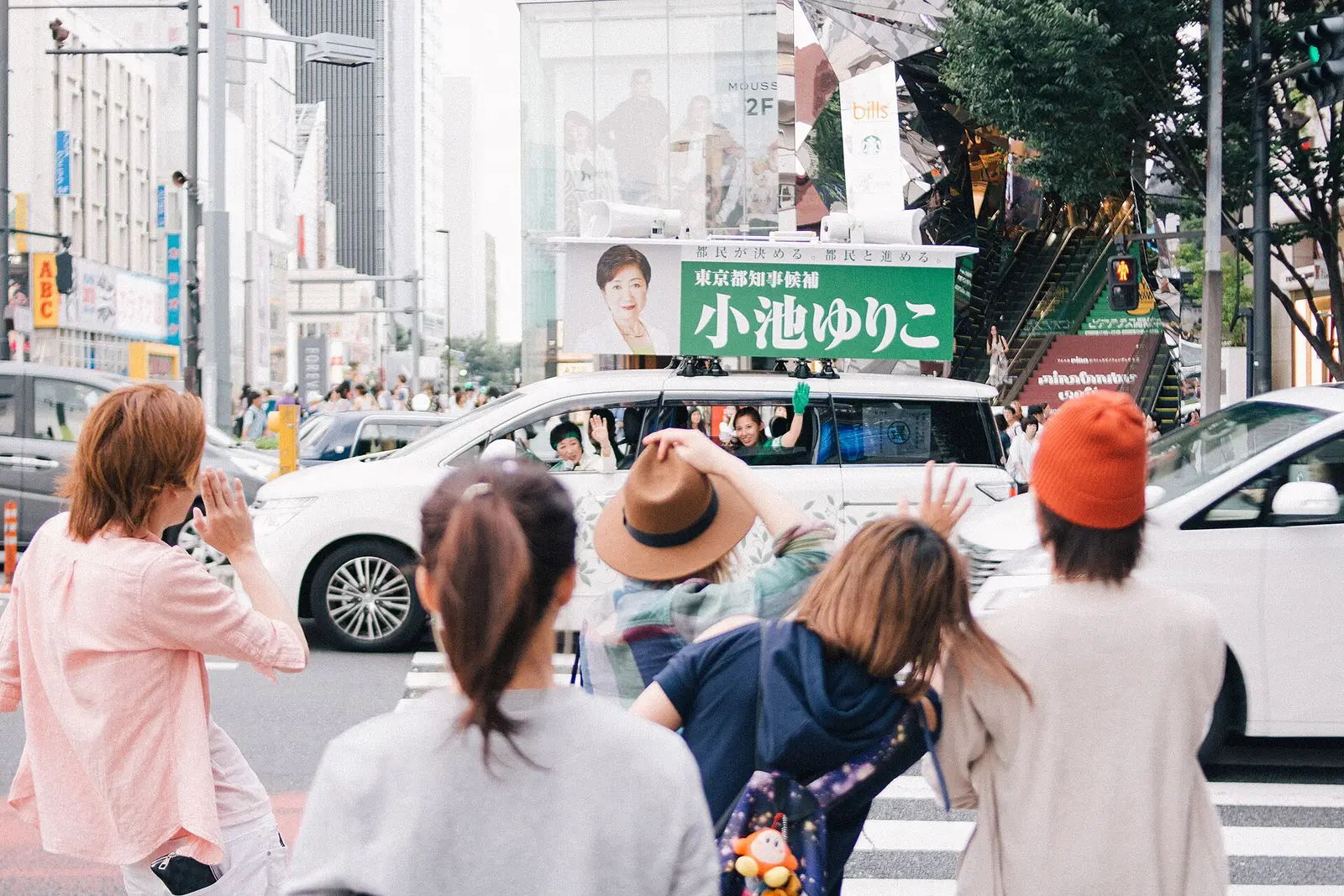
Japan's Election Vans: Why They Only Shout the Candidate's Name
White vans, loudspeakers and one name on repeat. The election law that makes them sound like that.
 JAPAN EXPLAINED3 min read
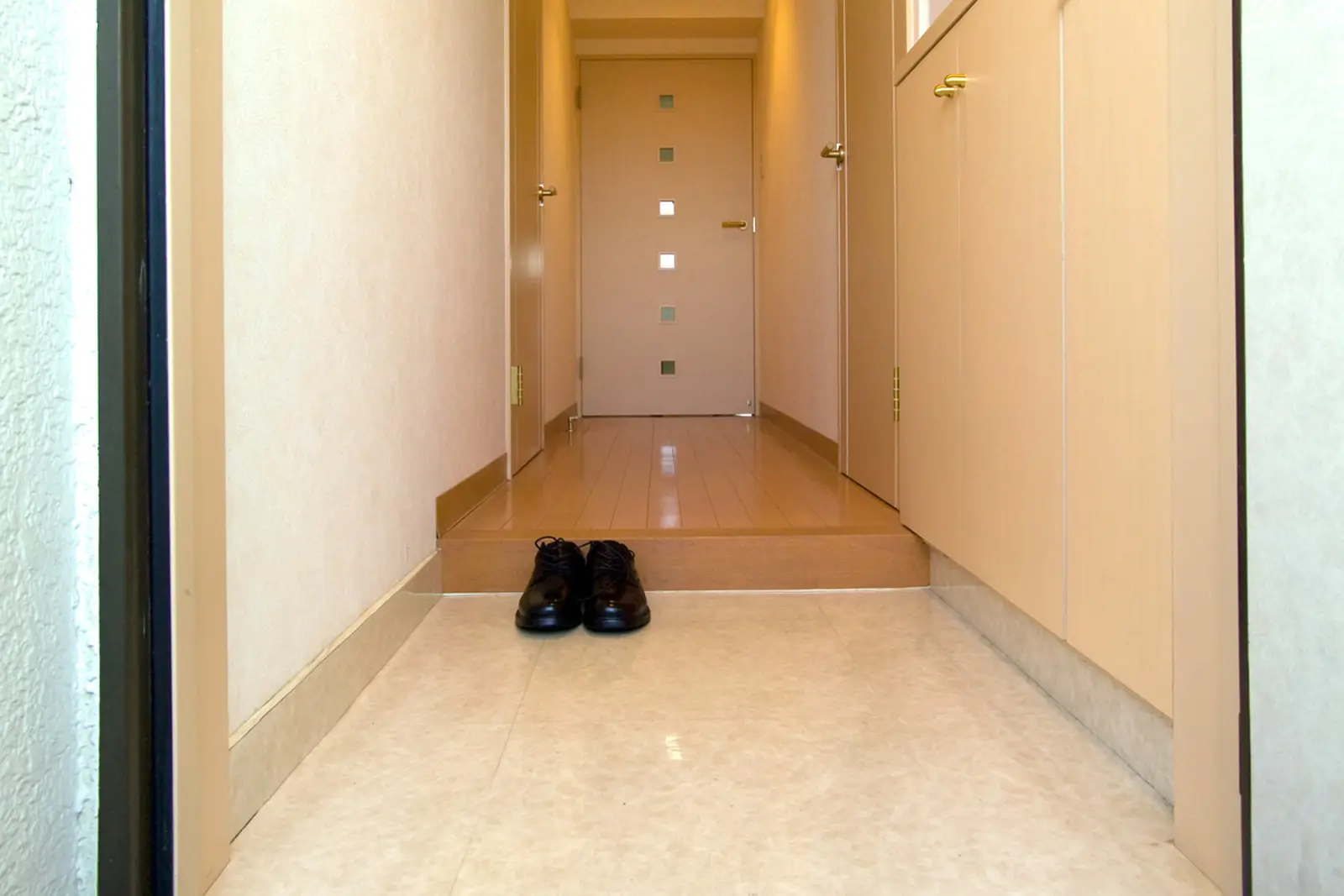
Why Do Japanese Front Doors Open Outwards? The Shoes
Doors that swing out toward you. The shoes behind them, and what Japan's building rules actually say.
 JAPAN EXPLAINED3 min read
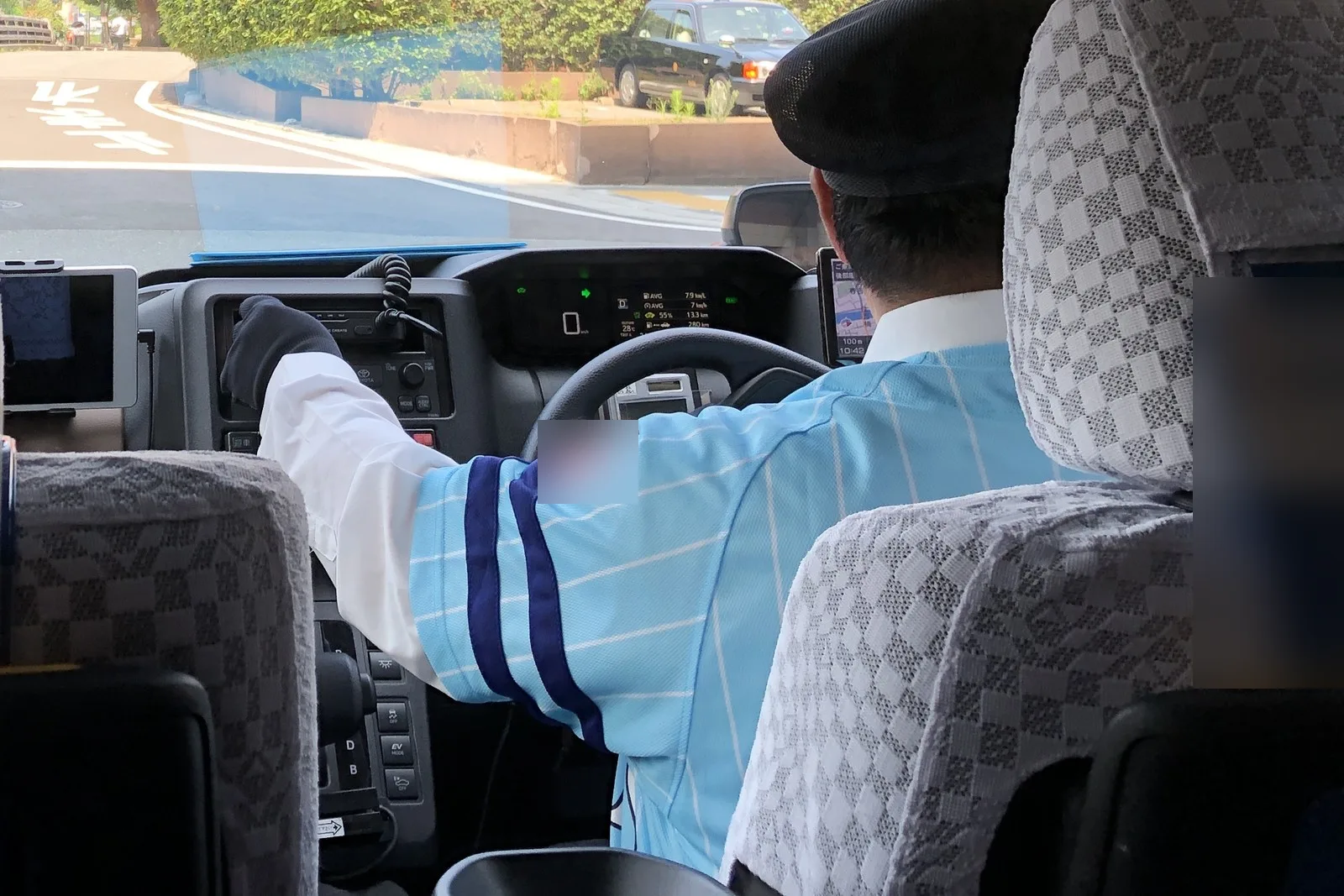
Why Do Japanese Taxis Have Lace Seat Covers? The Clean Rule
White lace on the back seat. The national rule on clean taxis, and how the covers got there.