Why Do Japanese Trains Stop at Midnight? Night Track Work
You are out in Tokyo after dinner, and around midnight the station gets crowded as everyone runs for the last train. Why do Japanese trains stop at midnight? Because the tracks need a few empty hours every night for inspections and repairs that cannot happen with trains running. This guide explains what you are seeing, what happens on the tracks at night, the numbers, why the last trains got earlier, and how not to get stuck.
What you are seeing
Late at night, people around you start checking their phones and saying shūden, last train. Platforms fill up and the trains leave packed. By about 1 a.m., the last ones have reached the end of their lines.
Then, while the city sleeps, the tracks are not empty. Work crews and machines move in.
The short answer
Japanese trains stop at midnight because the tracks need a block of time with no trains at all. Inspections, rail repairs, and new platform doors and elevators are mostly done between the last train and the first one. A busy line has no other window, so the night gap is the railway's workshop.
What happens on the tracks at night
Japan's national rule for railways, a ministry ordinance, says the track must be kept in a state where trains can run safely at their set speed. Main lines must be patrolled, and track and trains must get regular inspections on a fixed cycle.
The same ordinance says that when a line is closed for work or maintenance, the railway must stop trains from entering that section. Only the work vehicles may go in.
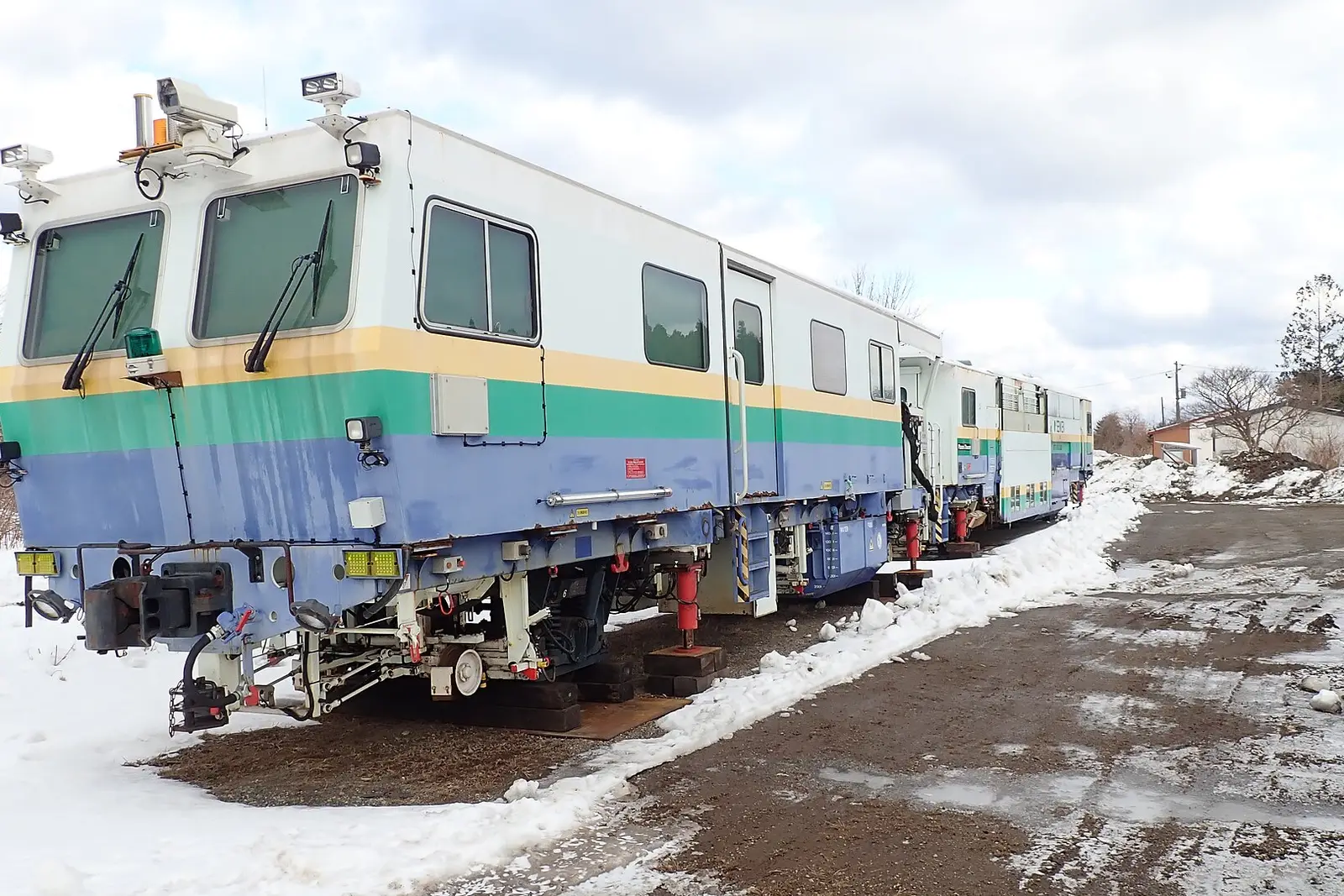
Big jobs use heavy machines, like the track tamper in the photo, which packs the stones under the rails. JR East, the railway that runs the Yamanote Line, explains that these machines are kept at depots about 5 to 10 km from the work site. Moving one there and setting it up takes about 30 minutes. Clearing it away and checking the line is safe takes another 30.
The numbers
These are from JR East's announcements in September and October 2020:
- 200 to 240 minutes: the old gap between last and first train on its Tokyo-area lines.
- 240 to 270 minutes: the new gap it aimed for.
- 140 to 180 minutes: real working time left before, once machines were moved in and out.
- 180 to 210 minutes: the working time after the change.
- About 20%: the drop in its track maintenance workers over 10 years. It expects another 10 to 20% drop in the next 10.
- About 10%: the rise in construction work over the same 10 years.
- 66%: the drop in riders in the midnight hour on part of the Yamanote Line, August 2020 against August 2019.
Why the last trains got earlier
In 2020, JR East announced that from spring 2021 its Tokyo-area last trains would run about 30 minutes earlier, so most reach their final stop around 1 a.m. It listed 17 lines with earlier last trains, including the Yamanote Line, and 5 with later first trains.
The company gave two reasons. Fewer people were riding at midnight after the pandemic. And short nights meant one job was often split over several nights, which slowed work on platform doors and elevators.
Do Tokyo trains run 24 hours?
No. Regular lines stop every night. JR East's own planning assumes a gap of about four hours between the last and first train on its Tokyo-area lines.
What time is the last train in Tokyo?
It depends on the line and the station. JR East's plan sets most of its Tokyo-area last trains to arrive at their final stop around 1 a.m., so the last one from the city center often leaves earlier.
If you are out late
- Check your last train before dinner, not at the station. Route apps and station timetables show it.
- Allow for transfers. Your last connecting train may leave before your first train's last run.
- Count back from your hotel. If you stay near Shinjuku's station area, look up the last train from where you eat back to Shinjuku.
- Listen at the station. The chirping you hear by the stairs is a guide sound, explained in why Japanese train stations play bird sounds.
If you miss the last train, the tracks belong to the night crews until morning. Take a taxi, or plan a place to stay near where you are.
More on Japan Explained
 JAPAN EXPLAINED3 min read
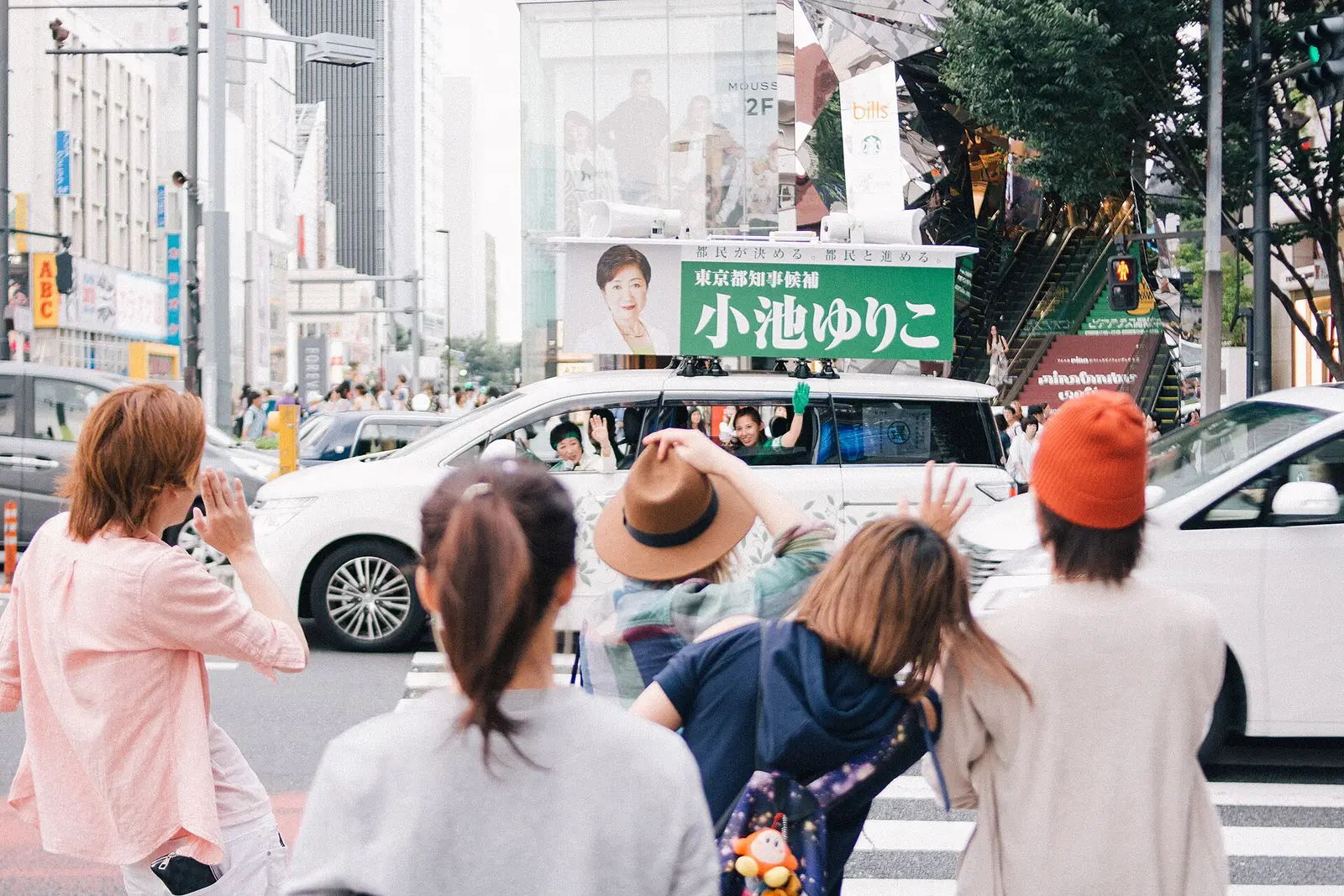
Japan's Election Vans: Why They Only Shout the Candidate's Name
White vans, loudspeakers and one name on repeat. The election law that makes them sound like that.
 JAPAN EXPLAINED3 min read
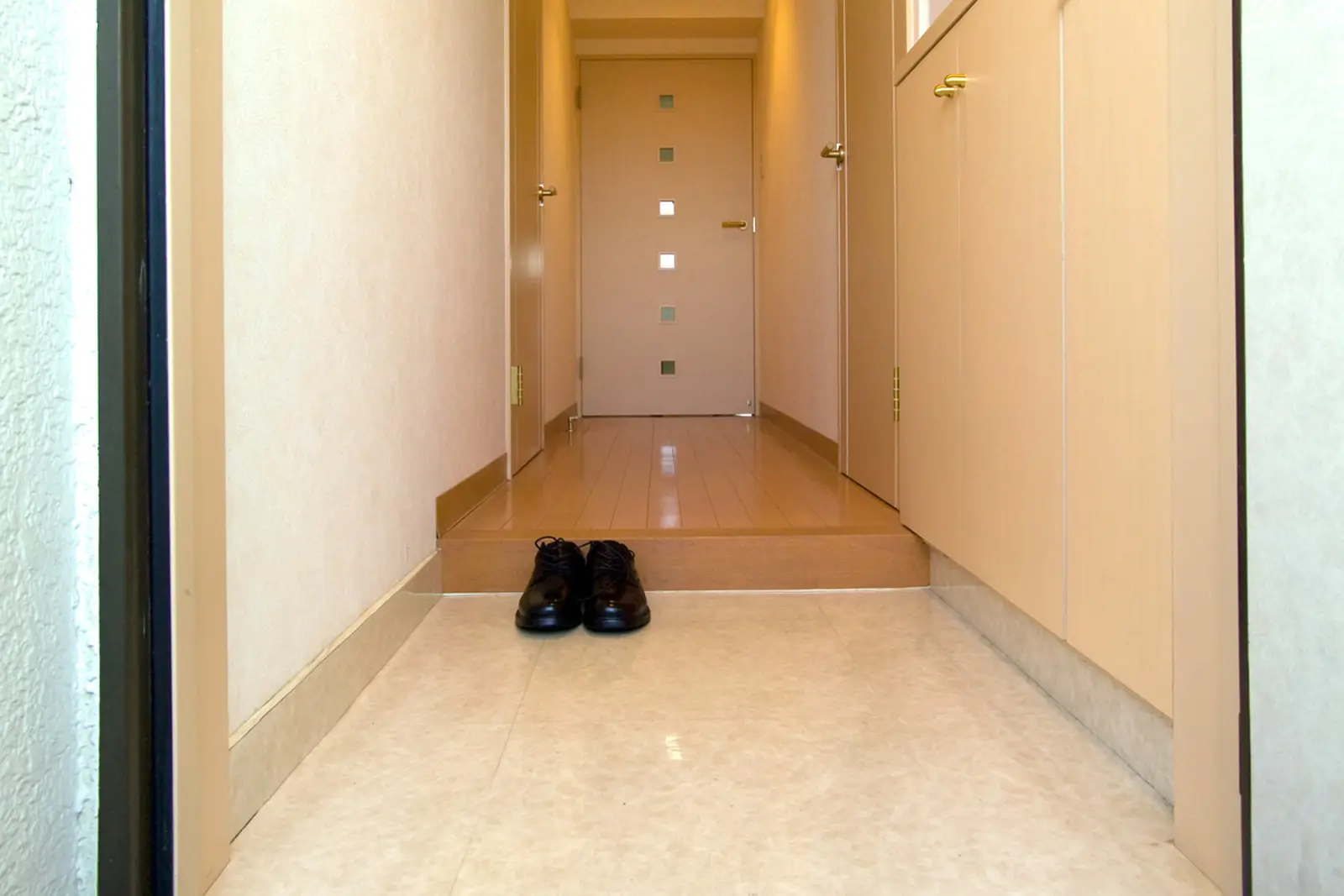
Why Do Japanese Front Doors Open Outwards? The Shoes
Doors that swing out toward you. The shoes behind them, and what Japan's building rules actually say.
 JAPAN EXPLAINED3 min read
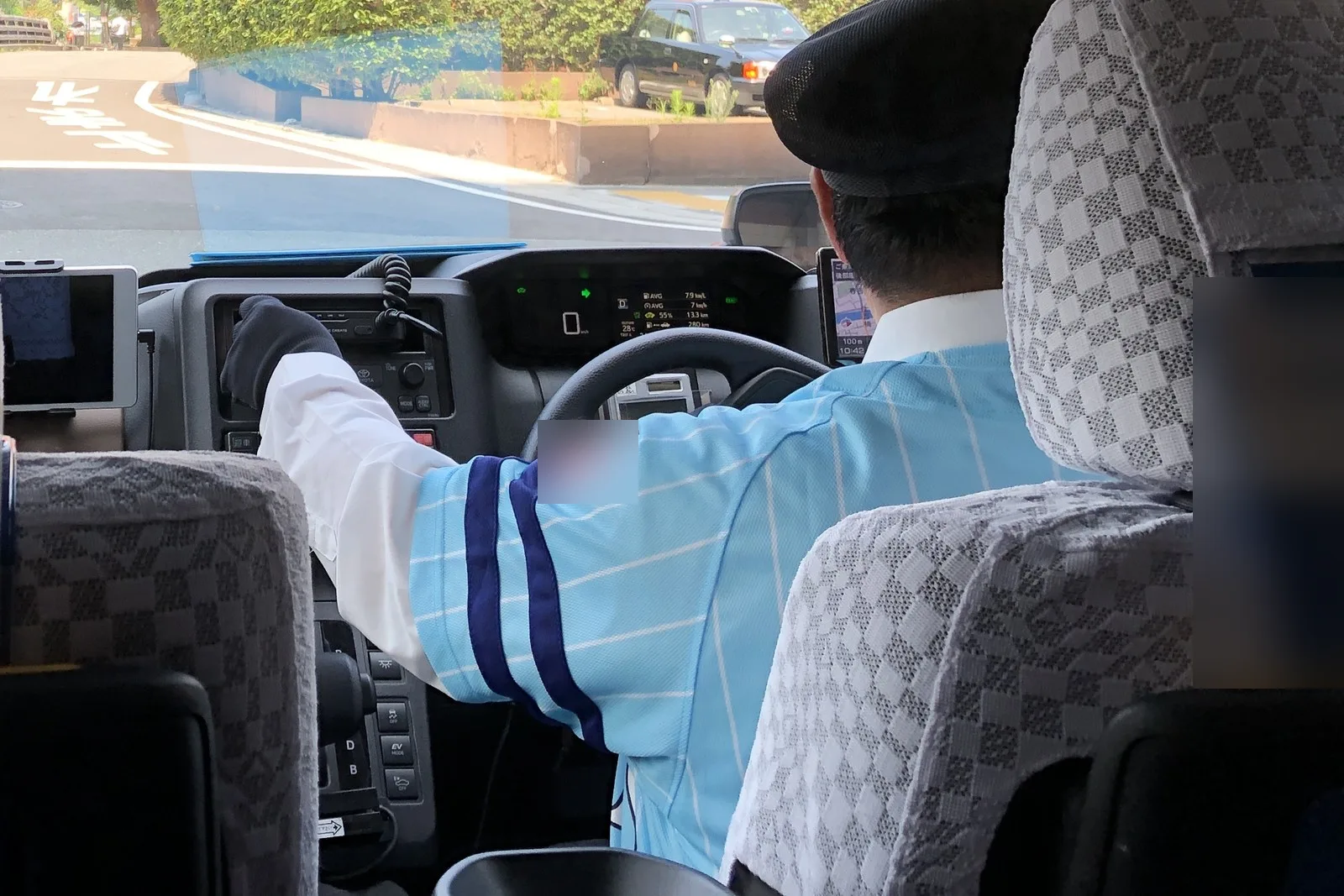
Why Do Japanese Taxis Have Lace Seat Covers? The Clean Rule
White lace on the back seat. The national rule on clean taxis, and how the covers got there.