Why Do Japanese Schools Have Fences on the Roof? Explained
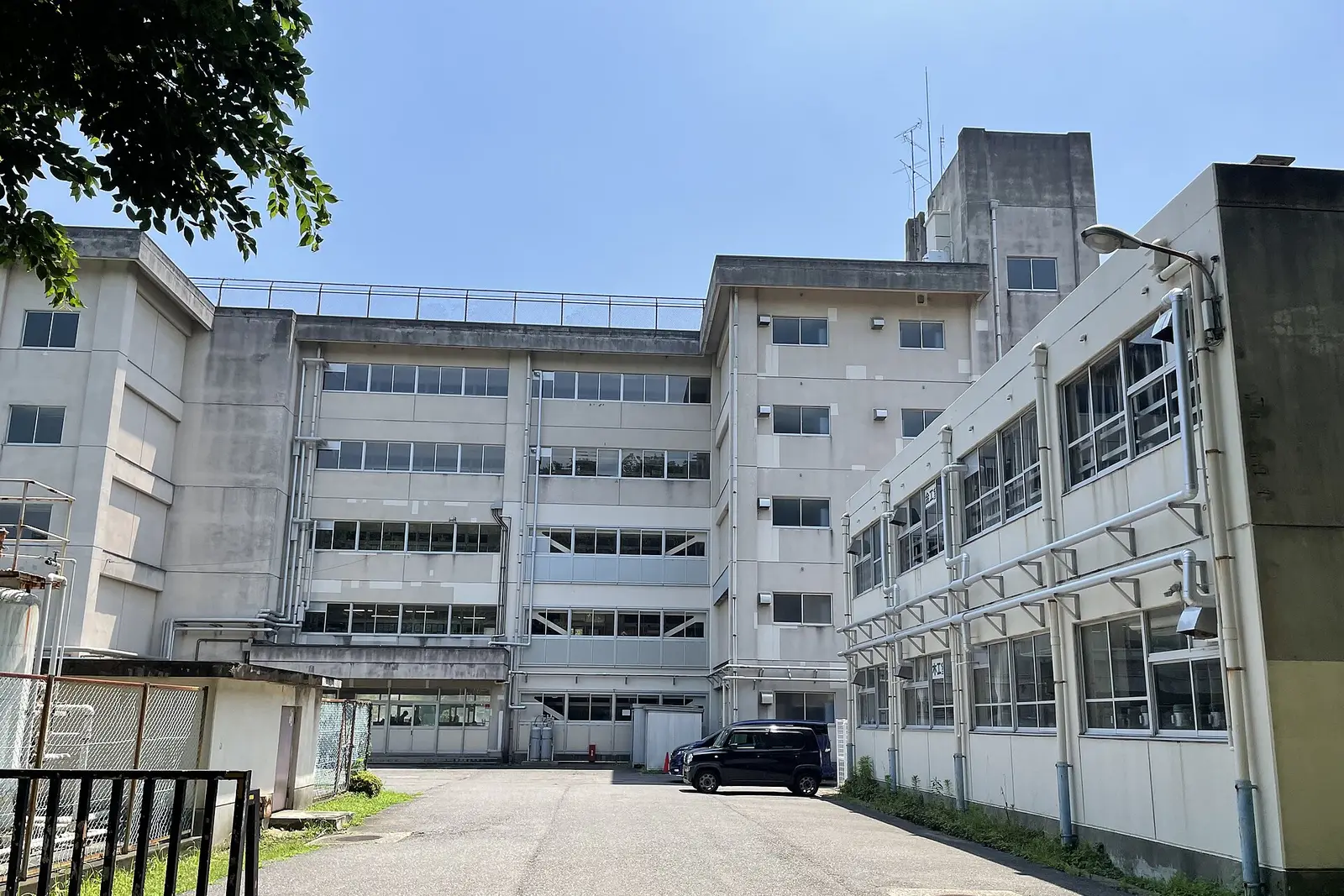
You pass a Japanese school and notice a metal railing or a tall green net running along the edge of its flat roof. Why do Japanese schools have fences on the roof? Because a national building rule requires a barrier at least 1.1 m high around any roof people can use, and school design guidance adds nets and locked doors. This guide explains what the law says, what the school guidance adds, the rules in numbers, and what it means for you.
What you are seeing
Look up at a concrete school building with a flat roof. Along the edge of that roof there is often a steel railing. On some schools it is a much taller net on poles, the kind you see around a batting cage.
The short answer
Japanese schools have fences on the roof because a national building rule requires one. Any rooftop area that people can use must have a wall, fence or wire mesh at least 1.1 m high around it. National school design guidance then asks for extra nets and fences wherever pupils use the roof.
What the building law says
Japan's Building Standards Act has a cabinet order that sets safety details. One article covers rooftop areas and balconies on the second floor or higher. Around them there must be a handrail wall, a fence or wire mesh at least 1.1 m high.
This part of the order applies to special buildings, and schools are named in that list. It also covers any building of three or more storeys. So every school with a usable roof needs the barrier.
What the school guidance adds
Japan's education ministry publishes design guidance for school buildings. The elementary school version was last revised in June 2022. It is guidance, not a law. On roofs it says:
- If the roof will be used, add ball-stop nets, safety nets or fences to suit the activity.
- Lock the doors to the roof so children cannot easily go out.
- Make ladders on roof towers hard for children to climb.
- Shape handrails so they have no footholds and no gaps a child could slip through.
The guidance also warns schools with rooftop sports to think about noise and balls falling onto neighbours. The 1.1 m rule is only a minimum, so a net for ball games can be far taller.
The rules in numbers
- 1.1 m: minimum height of the barrier around a usable roof or upper balcony
- 3 storeys: height from which the rule covers every building
- 2,400 m²: minimum playground for an elementary school of up to 240 pupils
- 7,200 m²: minimum playground for a school of 721 pupils or more
- 2022: latest revision of the elementary school design guidance
Why do schools use their roofs at all?
A roof is extra space. The national standard sets a minimum playground size, but allows exceptions in special local conditions. The design guidance plans for sports areas, solar panels and gardens on school roofs.
Are Japanese students allowed on the roof?
Usually not on their own. The guidance tells elementary schools to keep roof doors locked so children cannot go out easily. Pupils go up only for planned activities, with a teacher.
Are school roofs used in emergencies?
Yes, in some places. Where a tsunami or flood is expected, the guidance says pupils may escape to the roof or upper floors. That roof must stand above the expected water level, with a clear route up.
What it means for you
If you see a fenced school roof, you are looking at a building rule, not a sign of danger. The same guidance expects schools to serve as local shelters in a disaster, so the building may matter to you too. Do not photograph pupils, and stay outside the school gate. To learn how children get to these schools safely, read our guide to the green lines painted on Japanese school routes.
More on Japan Explained
 JAPAN EXPLAINED3 min read
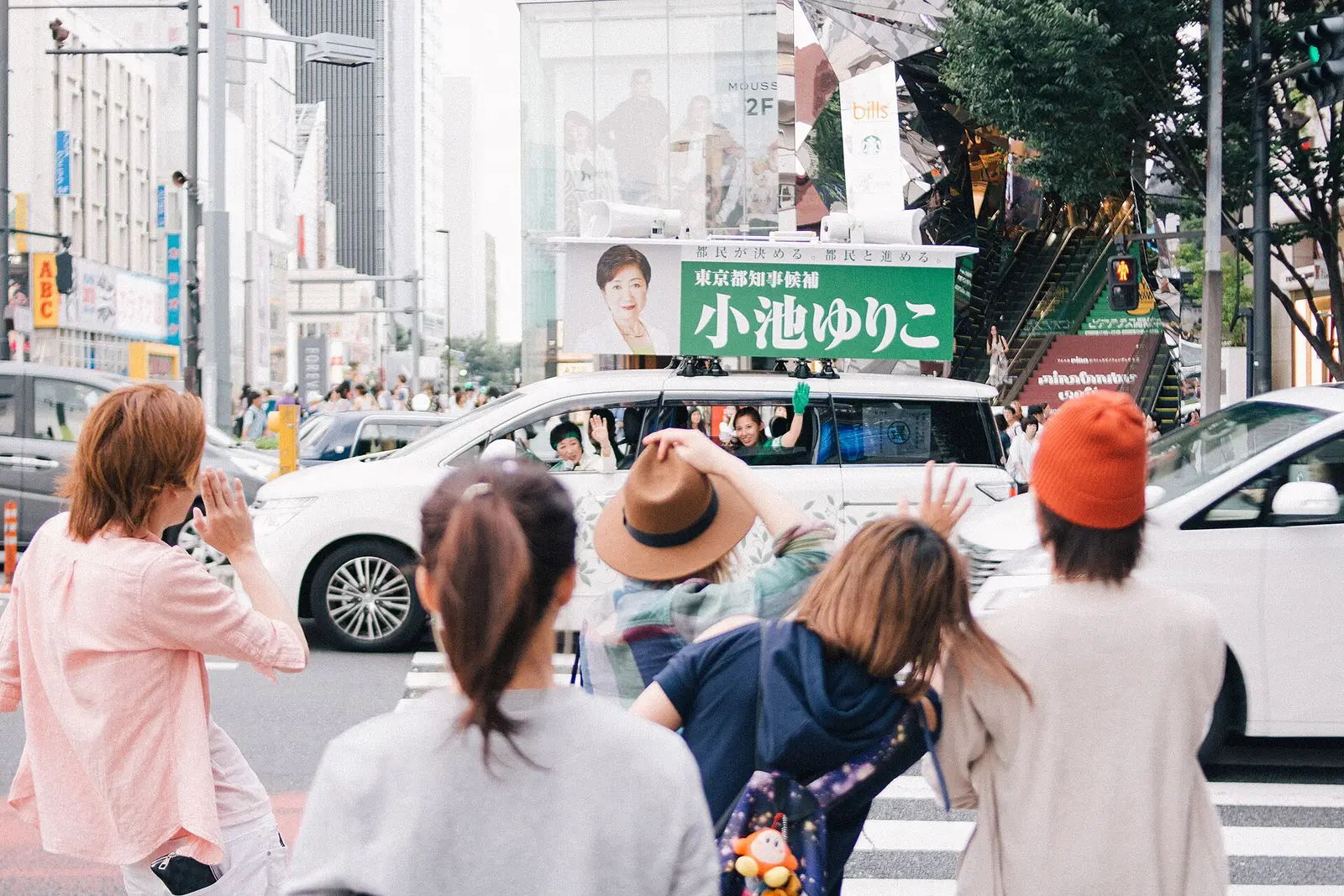
Japan's Election Vans: Why They Only Shout the Candidate's Name
White vans, loudspeakers and one name on repeat. The election law that makes them sound like that.
 JAPAN EXPLAINED3 min read
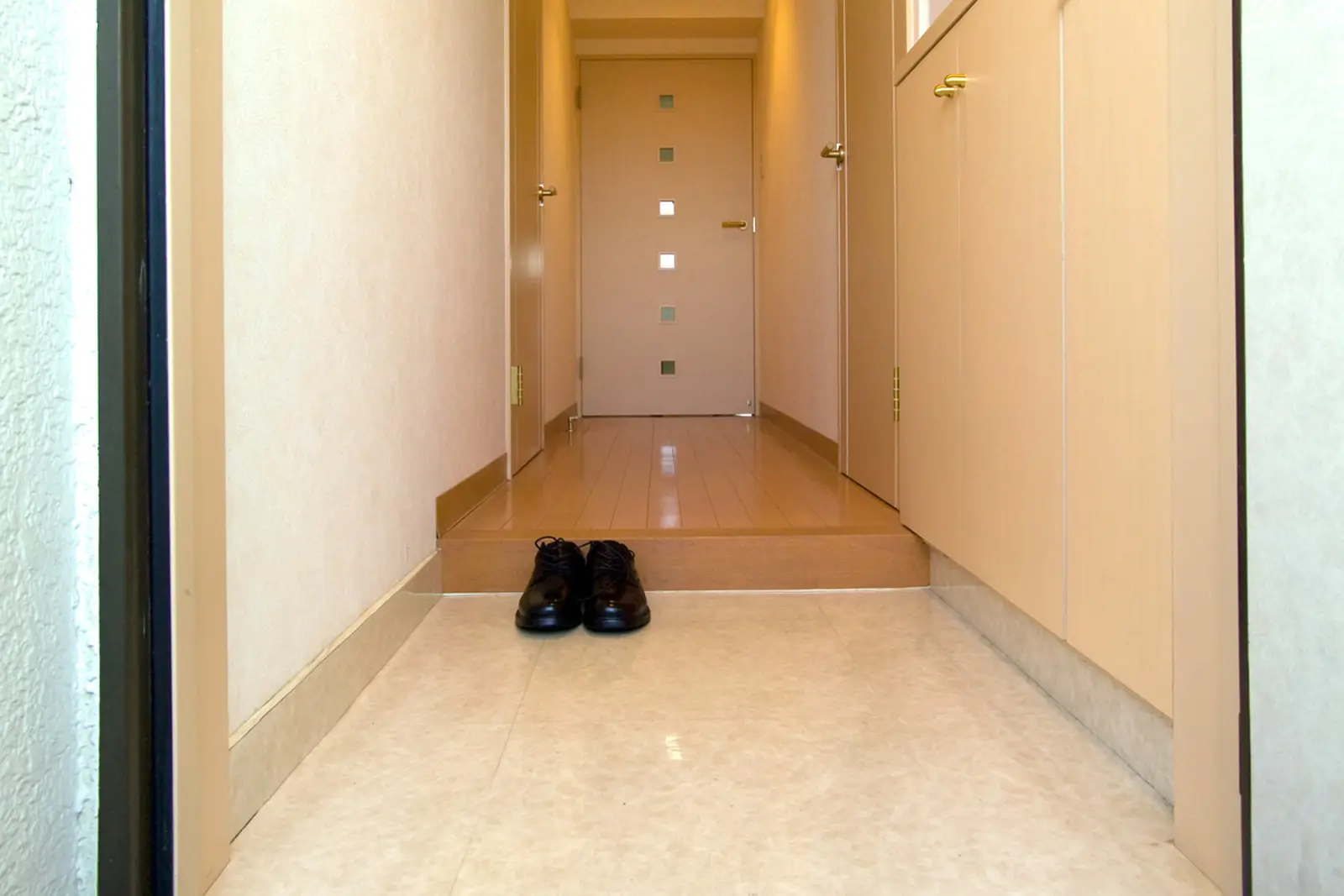
Why Do Japanese Front Doors Open Outwards? The Shoes
Doors that swing out toward you. The shoes behind them, and what Japan's building rules actually say.
 JAPAN EXPLAINED3 min read
Why Do Japanese Taxis Have Lace Seat Covers? The Clean Rule
White lace on the back seat. The national rule on clean taxis, and how the covers got there.