Why Are Japanese Elevators So Slow? Speed Classes Explained
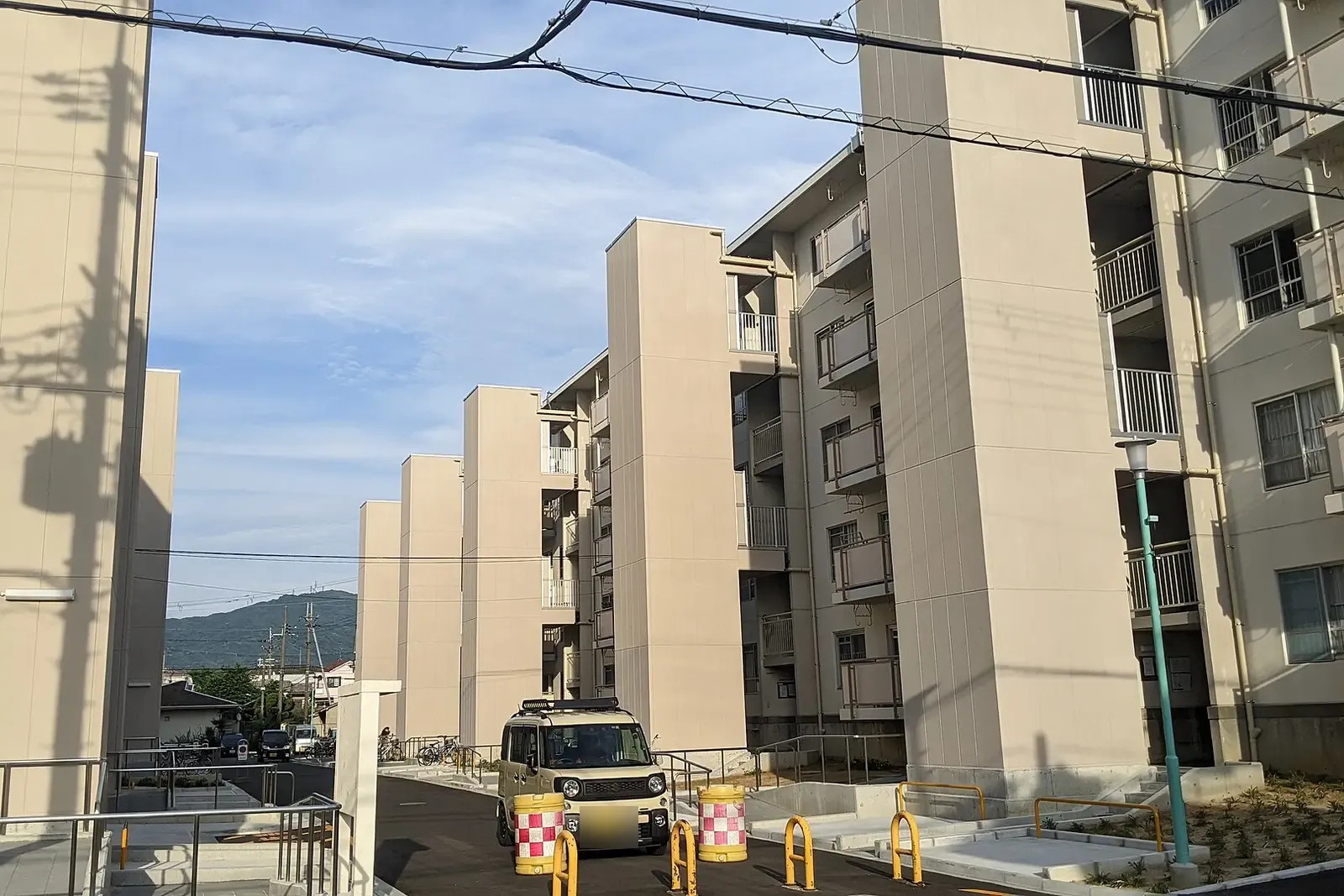
You press the button in a Japanese apartment block or small office, and the lift seems to take forever to crawl up a few floors. Why are Japanese elevators so slow? Because most of the lifts you ride belong to a low-speed class, while the very fast ones serve only skyscrapers. This guide explains the speed classes, the safety rules, the numbers, and what to do when you ride one.
What you are seeing
You step into a small lift in an apartment block, a budget office building or a narrow hotel. The doors close, the car hums, and the floor numbers change one by one. Back home, the lifts in tall towers seem to shoot up in seconds.
The short answer
Japanese elevators feel slow because most of them are built for low speed. Lifts in small offices, ordinary apartment blocks and low-rise flats belong to a class that runs at 105 m per minute or less. Japan's very fast lifts exist, but they serve skyscrapers, not the buildings most visitors stay in.
Why most lifts are built slow
Japanese law measures a lift's speed per minute. The building rules define the "rated speed" as the top speed going up with a full load. The rules set no top speed for an ordinary passenger lift. Speed is chosen by the building's height and use.
A guide published by Japan's land ministry sorts lifts into types:
- Rope lifts without a machine room: the main type installed since about 2000, for buildings up to about 15 floors, at about 45 to 105 m per minute
- Small hydraulic lifts: pushed up by an oil-filled ram, for buildings of 2 to 6 floors, at about 30 to 60 m per minute
A short building gains little from a fast car. The car would barely reach full speed before it has to slow for the next floor.
The numbers
- 105 m per minute: upper end of the low and medium-speed class (about 6 km/h)
- 60 m per minute: the minimum speed for the emergency lifts that buildings over 31 m must have
- 125%: a speed sensor cuts the power and brakes the car at about this share of rated speed
- 775,705: lifts that went through the yearly safety report in fiscal 2024
- 1,260 m per minute: a Japanese-made lift tested in China in 2017; it runs at 1,200 in daily use
What is behind the safety rules
In 2005 an earthquake near Tokyo trapped people inside lifts. In 2006 a lift in central Tokyo moved while its doors were still open, causing a fatal accident. After both, the government rewrote the lift rules in 2008. From September 2009, every new lift must have two devices.
One stops the car if it moves while the doors are open. The other senses an earthquake, stops the car at a floor and opens the doors. Older lifts did not have to add them. In fiscal 2024, only 39.5% of the reported lifts had the door device.
Do Japanese elevators stop in an earthquake?
Yes, lifts installed since September 2009 must. When the device senses shaking, it stops the car at a floor and opens the doors so you can step out.
What happens if too many people get in?
A passenger lift must sound an alarm when the load passes 1.1 times its rating. The doors then will not close until someone steps out.
Are Japanese escalators slow too?
They are capped by law. An escalator's steps may move no faster than 50 m per minute, and the ministry sets the exact limit by the slope.
What it means for you
If a lift feels slow, it is probably working as designed for a short building. When the alarm sounds, the last person in should step out. If you feel shaking inside a newer lift, wait for the doors to open and leave by the stairs. Many lifts sit in the apartment blocks that Japanese people call mansions, even when they are ordinary flats.
More on Japan Explained
 JAPAN EXPLAINED3 min read
Japan's Election Vans: Why They Only Shout the Candidate's Name
White vans, loudspeakers and one name on repeat. The election law that makes them sound like that.
 JAPAN EXPLAINED3 min read
Why Do Japanese Front Doors Open Outwards? The Shoes
Doors that swing out toward you. The shoes behind them, and what Japan's building rules actually say.
 JAPAN EXPLAINED3 min read
Why Do Japanese Taxis Have Lace Seat Covers? The Clean Rule
White lace on the back seat. The national rule on clean taxis, and how the covers got there.